

Mushrooms display incredible diversity, with subtle differences often hiding crucial clues about their species. Visual identification based solely on caps, gills, or stems can be misleading. Microscopic examination of spores offers a reliable method for precise classification and understanding of fungal varieties. This article explains how to identify mushroom species accurately using spore microscopy, covering preparation, observation, and interpretation techniques.
Preparing Mushroom Samples for Spore Analysis
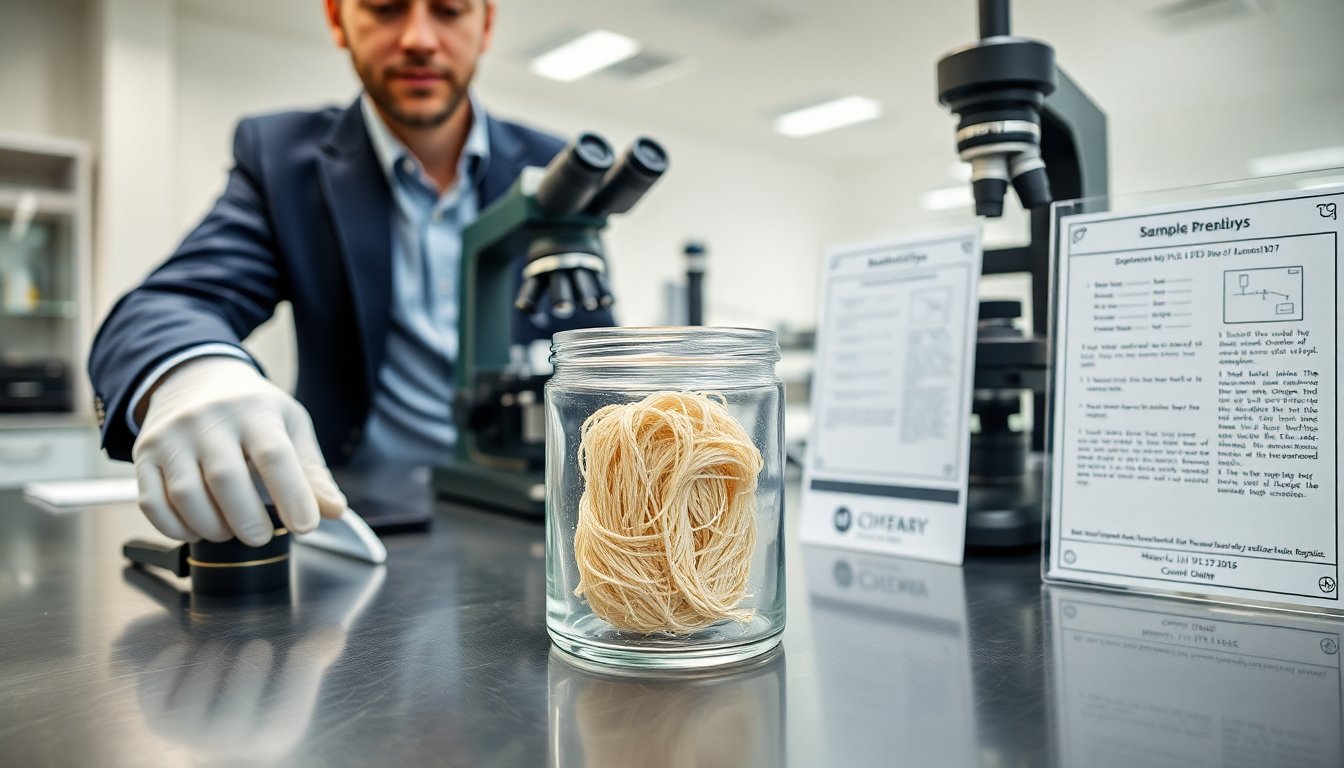
Proper preparation ensures clear observation and accurate identification. Start by selecting quality spores with well-developed fruiting bodies. Remove the cap and place it on a clean, white surface, gills facing down, to create a spore print. Spore prints reveal basic color patterns that help narrow down species groups. Once the print appears, it can be collected with a sterile tool. Handling with care prevents contamination and preserves specimens.
Understanding Spore Shapes and Sizes
Spore morphology plays a vital role in classification. Microscopic examination uncovers shapes such as oval, elliptical, spherical, or elongated forms. Measure dimensions carefully using a calibrated eyepiece to distinguish closely related species.
Other characteristics to note include:
- Surface ornamentation, such as spines or ridges
- Wall thickness
- Presence of a germ pore or appendage
Comparing these features with reference materials enhances identification accuracy. A detailed record of measurements is crucial for scientific verification.
Selecting the Right Microscope and Slides
A high-quality microscope allows observation of minute details. Use a compound microscope with magnification ranging from 400x to 1000x. Ensure slides are clean, dry, and free of scratches to prevent distortion. Mounting spores in a suitable medium enhances visibility. Common options include water, glycerin, or a specialized mounting solution. Cover the sample with a coverslip gently to avoid crushing spores.
Observing Color and Ornamentation
Color differences often reveal taxonomic distinctions. Spore walls may appear transparent, yellow, brown, or dark depending on the species. Observation under brightfield or phase-contrast settings highlights ornamentation and surface patterns. Patterns provide strong indicators of species identity.

Look for ridges, warts, or reticulations. These features, combined with spore size and shape, build a reliable identification profile.
Recording and Comparing Data
Accurate recording supports consistent identification. Document all spore dimensions, shapes, and surface details. Photographs and sketches create a visual reference for future comparisons. Cross-referencing with field guides or taxonomic keys ensures correctness. Seek samples that show uniform characteristics to reduce errors. Using a systematic approach guarantees reliable conclusions.
Common Challenges in Spore Microscopy
Spore analysis can present difficulties that require careful attention.
- Poor-quality specimens may produce distorted prints.
- Overlapping spores can obscure details.
- Inconsistent lighting may hide surface features.
Proper technique and patience overcome these obstacles. Repeated observation improves confidence in species identification.
Using Spores for Advanced Identification
High-quality fungal spores enable a deeper study of genetic and structural traits. For detailed taxonomy, microscopy can reveal variations invisible to the naked eye. Proper handling and storage preserve spore integrity for extended research.
Microscopic identification supports broader applications:
- Comparing unknown mushrooms with established species
- Confirming rare or unusual specimens
- Contributing to fungal databases and scientific studies
The ability to differentiate subtle traits relies on both observation skills and the use of quality mushroom spores. Combining morphological analysis with careful documentation, researchers gain precise insights into fungal diversity.
Spore microscopy provides a reliable and detailed method to identify mushroom species accurately. Paying attention to preparation, measurement, and recording ensures consistent results. Selecting quality spores early in the process makes a significant difference. Observation, documentation, and careful comparison transform raw data into trustworthy identification. By mastering these techniques, anyone studying mushrooms can approach classification with confidence.