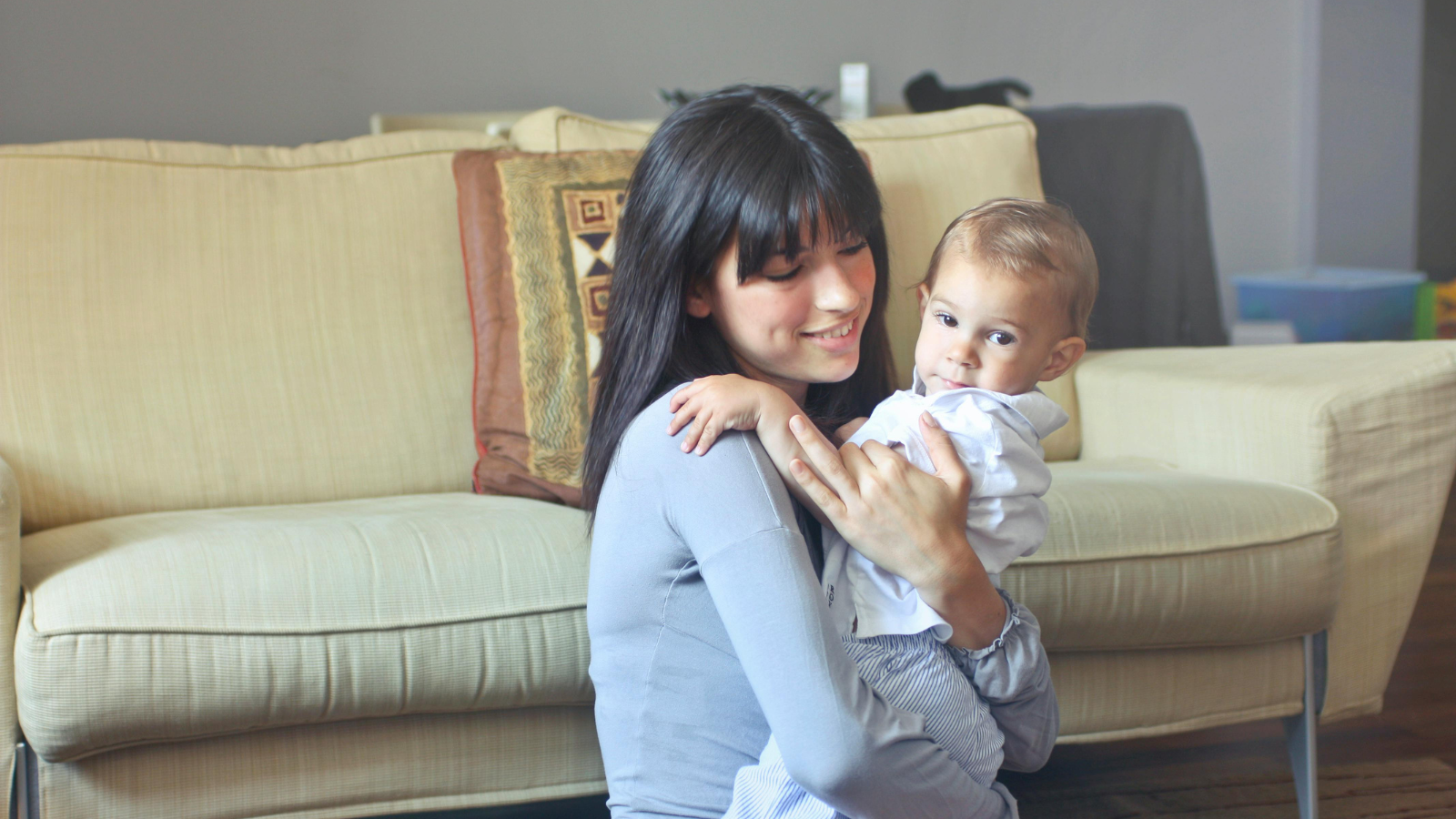

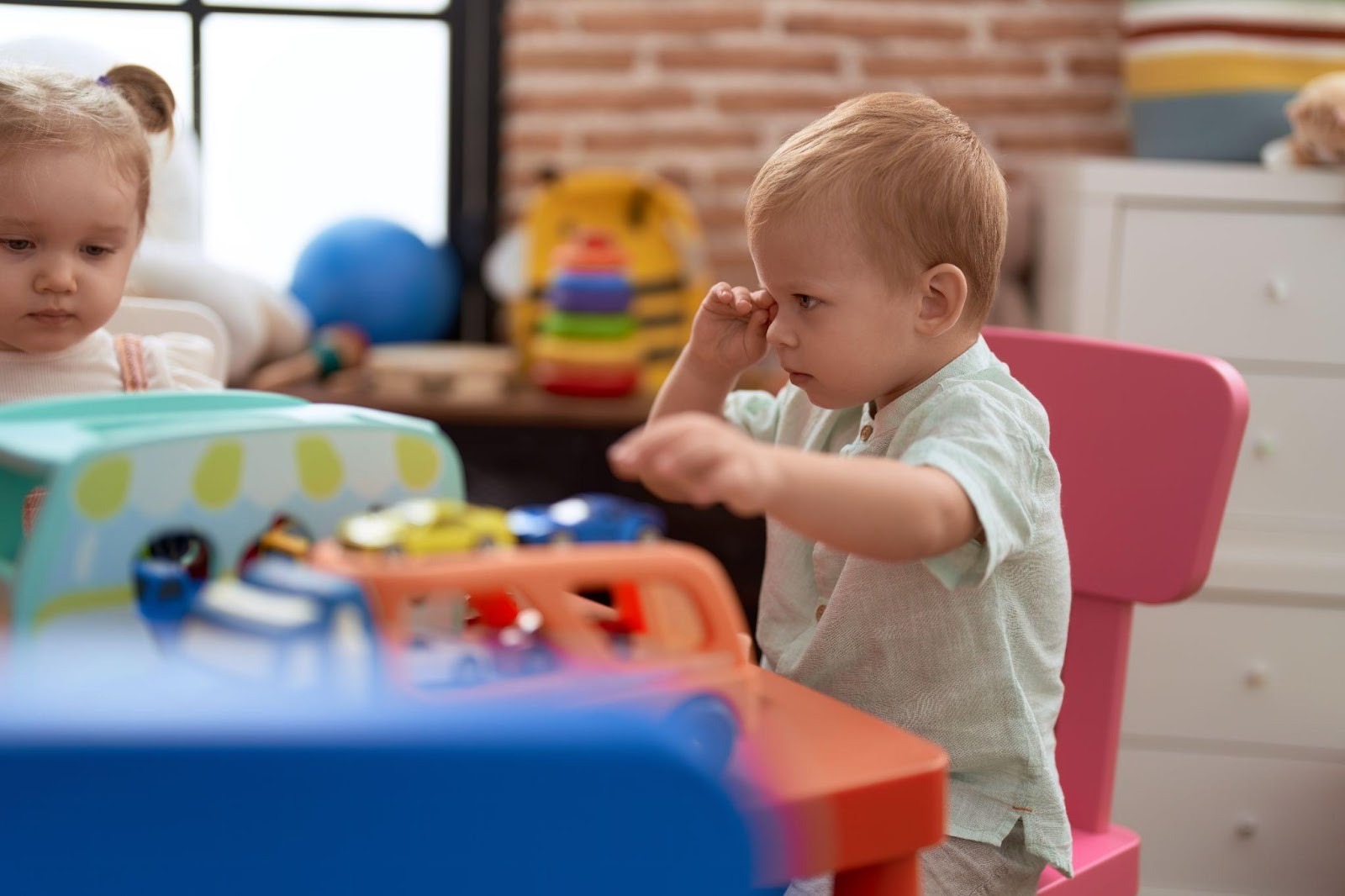
Parents across Miami often experience a mix of excitement and concern when their child begins preschool. Children feel the same emotional push and pull. A warm, predictable routine helps children settle into their new setting. Families benefit from knowing how to ease separation anxiety, strengthen confidence, and support emotional resilience. The first weeks of school create a foundation for future experiences, so thoughtful preparation matters.
Families exploring preschool and daycare in Miami encounter a range of early learning environments. Each program introduces children to structured routines, new friends, and daily activities that require flexibility. Children respond best when parents guide them through this transition with patience, clarity, and steady reassurance. Understanding separation anxiety equips families with tools that reduce stress for everyone involved.
Understanding the Root Causes of Preschool Separation Worries
Children react to change with strong emotions that often surprise parents. Separation anxiety grows when children face unfamiliar surroundings, new caregivers, and unpredictable schedules. Anxiety also appears when children sense uncertainty from adults. Children who notice hesitation during drop-off may hold onto their parents more tightly. Parents create a stronger transition when they recognize these emotional triggers early.
Sleep routines, hunger levels, and overstimulation also play a role. Children who sleep well and follow a consistent rhythm approach new experiences with a calmer mood. Recognizing these simple factors helps parents support their child’s emotional stability.
Creating Predictable Routines That Build Confidence
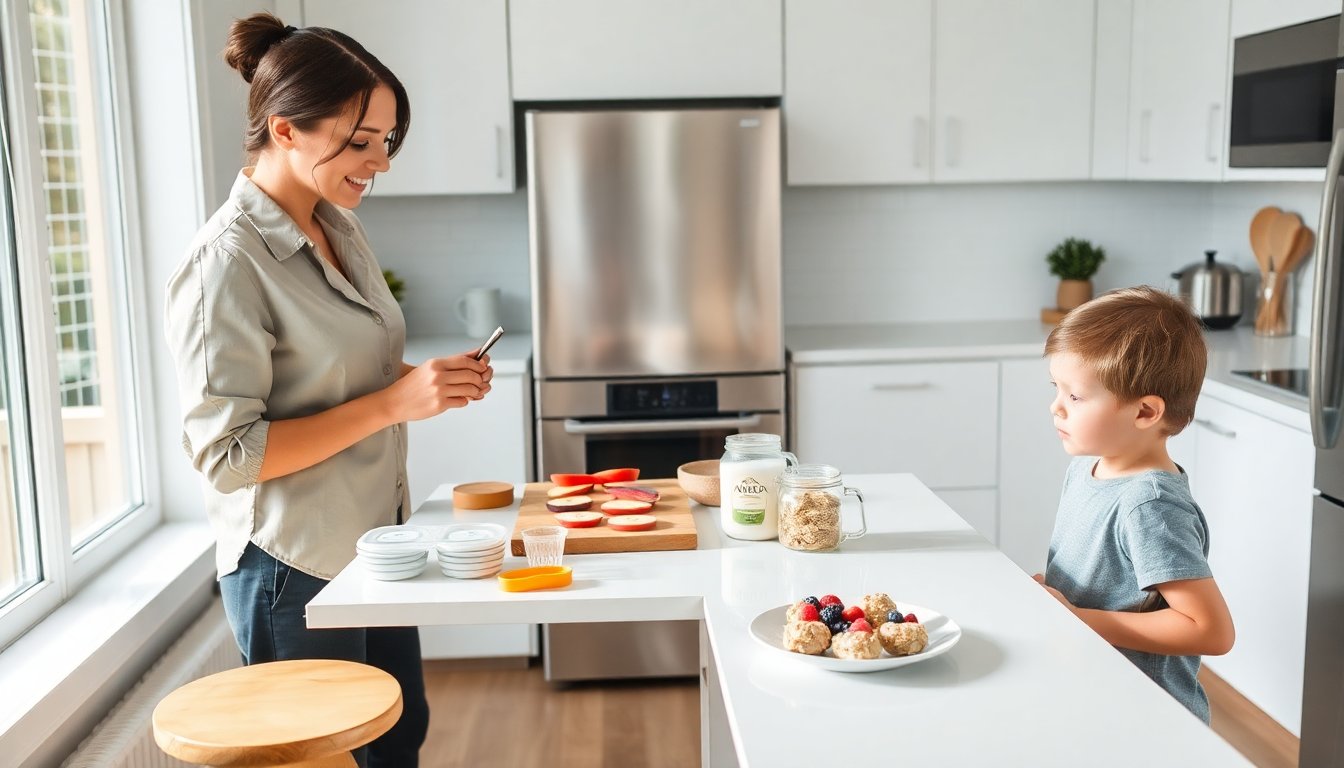
Predictability gives children a sense of control. Parents help their child adjust when they follow a clear morning schedule. A consistent wake time, familiar breakfast routine, and calm ride to school offer powerful reassurance. Children feel secure when they know what happens next.
Parents also strengthen the routine when they practice simple skills at home. Hanging a backpack, putting on shoes, or carrying a water bottle prepares children for classroom expectations. These small tasks reduce anxiety because children feel ownership of their morning.
Using Communication Techniques That Empower Children
Young children communicate through behavior long before they use complex sentences. Parents support emotional growth when they describe the day in simple terms. Explaining who will greet them, what activities they will enjoy, and when pickup occurs helps children anticipate the day. Children understand more than parents realize, so steady communication creates trust.
Parents also benefit from offering short, honest reassurances. Telling a child, “You will have fun, and I will return after story time,” creates a clear mental picture. Vague statements often increase uncertainty. A predictable message strengthens emotional safety.
Practicing Short Separations Before School Begins
Children in Miami adjust more easily when they experience brief separations from familiar adults. Playdates, library programs, and family visits create opportunities to practice being apart for short periods. These experiences teach children that separation does not mean loss. Parents can slowly extend the length of time away until the child shows greater comfort.
Another helpful strategy involves practicing the goodbye routine. Parents can build a short ritual like a hug, a simple phrase, or a high five. Children love predictable patterns. A consistent goodbye reduces stress because the child knows exactly what to expect.
Supporting Emotional Regulation Through Sensory Activities
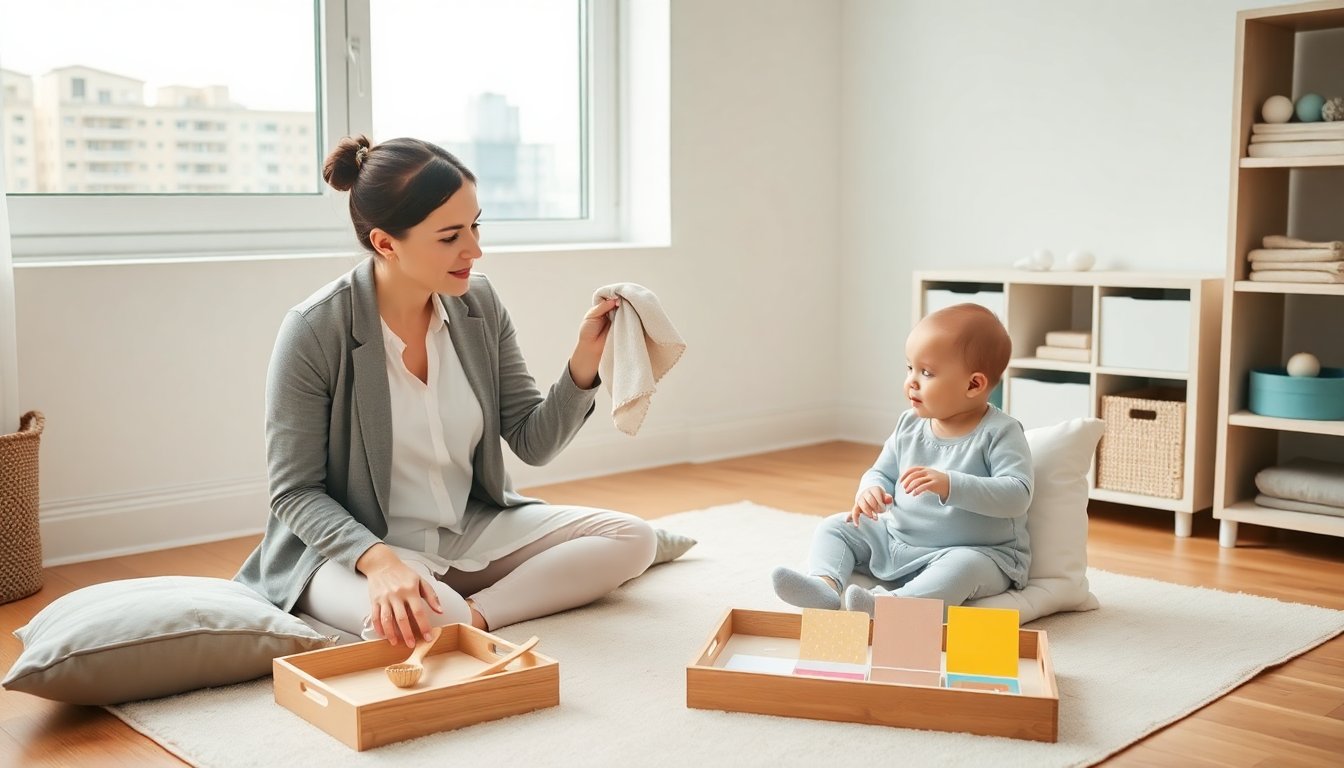
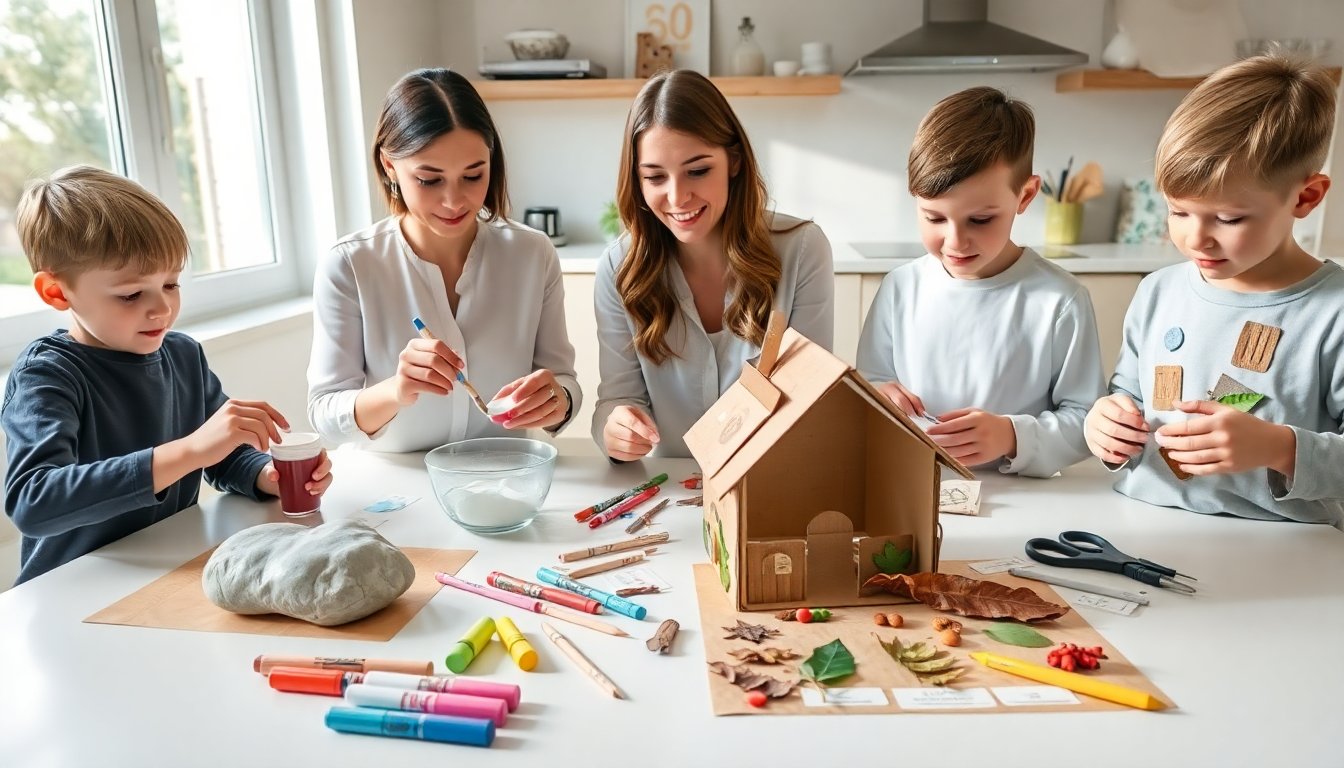
Children regulate emotions through movement, touch, and sensory play. Parents can use these tools to ease morning stress. A few minutes of stretching, holding a soft toy, or participating in a quiet sensory activity prepares the child for the day. Sensory input lowers anxiety levels and strengthens focus.
Calming strategies also help during the drive to school. Soft music, storytelling, and simple breathing games help children shift from home mode to school mode.
Strengthening the Parent-Child Bond Before and After School
Children handle separation more successfully when they feel connected to their parents. Intense bonding moments create security that carries into the school day. Parents can spend ten to fifteen minutes engaging in a meaningful activity before school. Reading a short book, drawing together, or playing a simple game builds emotional stability. Children then begin their day with a sense of comfort.
After school, parents help their child decompress with routines that encourage expression. Asking specific questions like “What made you smile today?” or “Which activity did you enjoy most?” opens communication. These conversations deepen trust and reduce anxiety over time.

Collaborating With Teachers to Build a Supportive Transition Plan
Teachers understand separation anxiety and guide families through the adjustment process. Parents benefit from sharing details about their child’s preferences, sensitivities, and comfort items. Miami educators typically craft gentle transitions that support both the student and the family. When parents and teachers communicate consistently, children receive a unified message that school is a safe and welcoming environment.
Parents can also ask teachers about classroom routines. Knowing details about the morning flow helps parents prepare their child more effectively.
Creating a Calm Start for a New Chapter
Parents in Miami who approach separation anxiety with patience, structure, and open communication create a positive beginning for their child’s preschool experience. A thoughtful strategy helps children build confidence and comfort as they enter this new phase of early learning.