
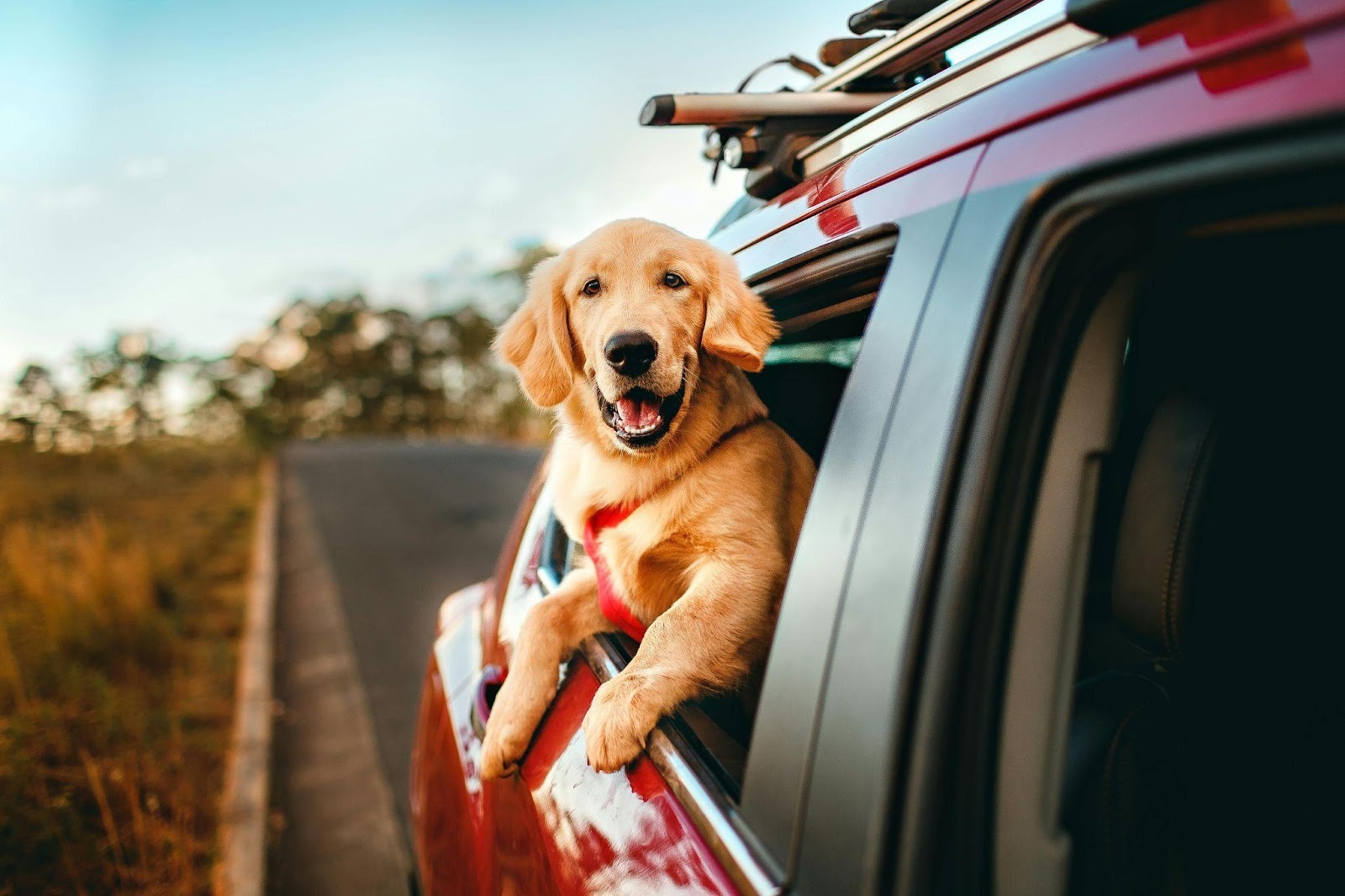
If traveling with your pet always feels harder than it should, you’re definitely not the only one. Car travel asks a lot from pets. They’re stuck in a moving space, dealing with vibrations, noise, weird smells, and your attention being split.
The mistakes pet owners make most often when traveling with their fur buddies aren’t extreme. Most of them feel reasonable at the time. That’s how it keeps repeating. So let’s talk about the mistakes people make on pet road trips and the small changes that keep your pet safer and more settled in the car.
1. Letting Your Pet Roam Freely in the Car
Letting your pet move around the car can feel normal, especially if you’ve done it before. They’ve always sat in the back. They’ve never caused trouble. You trust them.
The issue isn’t trust. It’s physics.
Cars stop suddenly. They swerve. Someone cuts you off. A loose pet doesn’t have time to brace itself. Even a gentle stop can send them sliding, scrambling, or panicking. And once a pet panics, they don’t think about where your hands or feet are. They just react.
This is where comfortable harness for car travel matter. A crash-tested harness, a properly secured crate, or a carrier that doesn’t slide around keeps your pet safe and secure in one place. It also gives you fewer variables to manage while driving.
This isn’t about comfort versus safety. It’s about realizing that comfort often comes from safety, not the other way around.
2. Assuming Your Pet Will Just “Get Used to It”
Some pets do relax after the first few minutes. Others don’t, and waiting them out rarely works.
If your pet keeps shifting, licking their lips, panting when it’s not hot, or refusing to lie down, that’s not a phase. That’s information. Ignoring it doesn’t teach them anything except that the car is a place where they feel bad for a long time.
What helps is lowering the stakes. Short drives. No destination. Five minutes, then home. Do it again another day. Let the car stop be a signal that something stressful is about to happen.
If you’ve changed how your pet rides, maybe adding a harness or a crate, that adjustment alone can throw them off. Give them time with it while the car isn’t moving. Let them sit in it. Smell it. Get bored with it. Familiarity does more work than reassurance ever will.
3. Skipping Proper Ventilation and Temperature Control
The back seat can be misleading. You feel fine up front, so you assume your pet is fine too. They might not be.
Air doesn’t always circulate evenly. Sunlight through side windows can quickly heat a single spot. Thick coats and short snouts make high temperature changes harder to handle. If your pet can’t get comfortable no matter how they shift, the environment might be the problem.
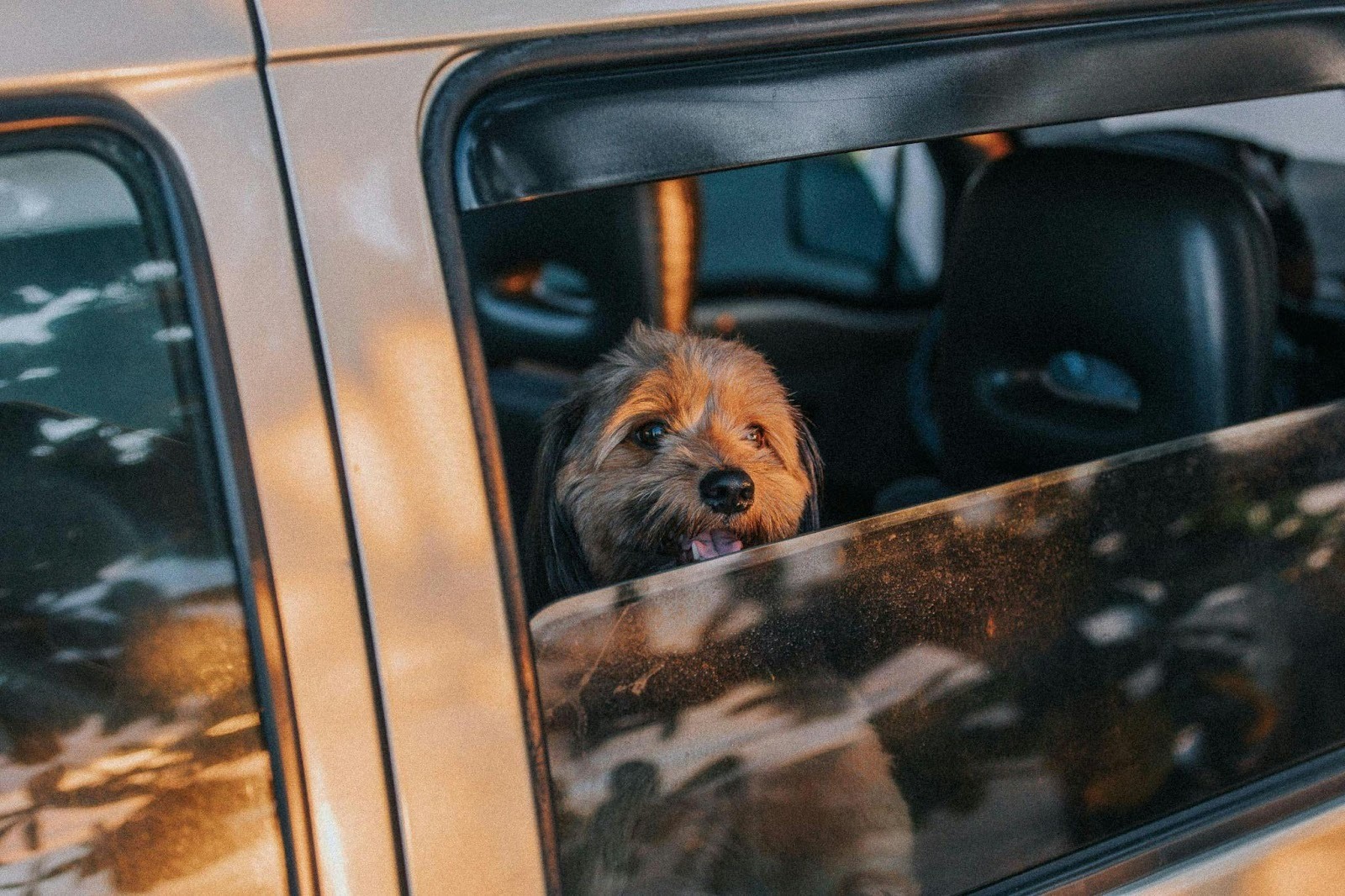
Cracking a window can help while you’re driving, but it’s not protection if the car is parked. Heat builds fast when the engine is off, even on days that don’t feel extreme.
Never leave your pet unattended in a parked car. Not for a quick errand. Not for a short stop. Those are the situations that go wrong because something delays you, and you don’t realize how fast conditions change.
During longer drives, check in more often than you think you need to. Are they panting differently? Are their ears hot? Are they unusually quiet? Those small cues matter.
4. Forgetting to Plan for Breaks That Actually Help Your Pet
Stopping the car isn’t the same as giving your pet a break.
If you pull into a busy station, rush inside, then rush back out, your pet hasn’t reset. They’ve just experienced more noise, more tension, and more unfamiliar movement.
A useful break gives your pet time to walk, sniff, drink, and calm down. Not all at once. Not in a hurry. If you skip that part, stress carries over into the next stretch of driving.
Choose quieter corners when you can. Keep your pet on a leash, even if they’re usually great off-leash. New places change behavior fast. One loud sound or an unfamiliar dog is all it takes.
Cats need breaks, too, just in a different way. You’re not letting them out on the roadside. You’re checking their carrier, adjusting airflow, offering water if appropriate, and keeping things predictable.
5. Overpacking for Yourself and Underpacking for Your Pet
Most people plan their own travel well. Clothes, chargers, snacks, playlists. Pets often get whatever fits last.
That’s usually where comfort slips.
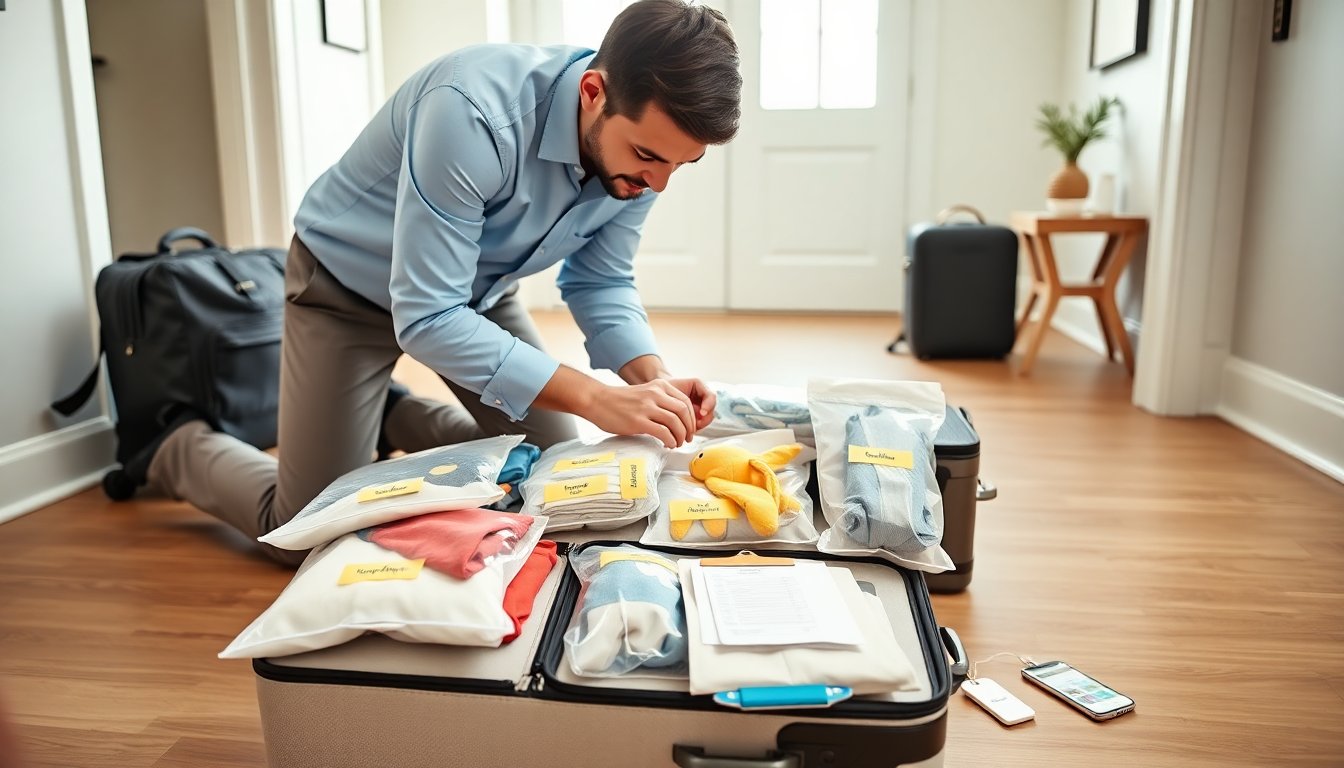
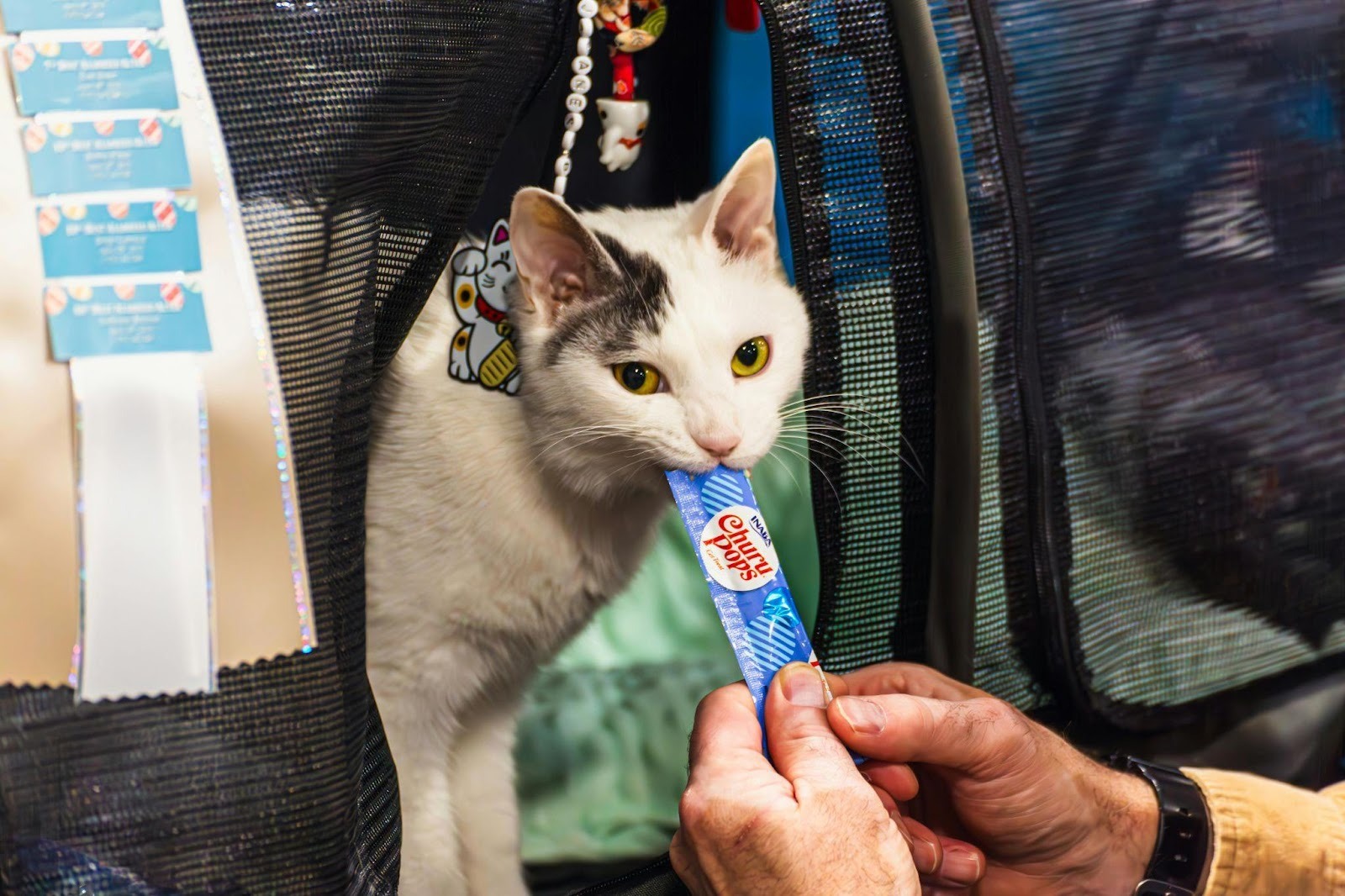
Pets don’t need much, but what they do need tends to be specific. Familiar smells. Familiar textures. Things that signal safety. Bringing small comfort items like a beanie, a blanket they sleep on, or a toy they already love can change how your pet handles the drive. Not always dramatically, but enough to matter.
It’s also about practical basics. Towels. Waste bags. A water container that won’t tip the second you brake. These aren’t extras. They’re the things that keep minor problems from becoming stressful ones.
6. Feeding Too Close to Departure Time
Motion sickness doesn’t always announce itself clearly. Sometimes it’s drooling. Sometimes it’s repeated swallowing. Sometimes it’s a look you only recognize after you’ve cleaned the seat once.
Feeding right before a drive can make nausea more likely. A full stomach and constant movement don’t mix well. A lighter meal a few hours before leaving is usually easier for pets to handle. Water is fine, just in smaller amounts.
Avoid changing food right before a trip if you can. New food and travel can be a lot for your pet’s digestive system. If you need to bring something different, try it at home first.
7. Ignoring Early Signs of Stress
Stress isn’t always loud. Sometimes it’s yawning that doesn’t match the situation. Lip licking. A stiff posture that never quite relaxes. Constant repositioning.
When you catch these signs early, you still have options. You can stop sooner. Lower the noise. Adjust temperature. Offer something familiar. These are small changes, but they often shift the whole experience.
Be careful when your pet suddenly goes quiet. That isn’t always calm. Some pets shut down when they’re overwhelmed. If your pet looks frozen or unusually still, check in rather than assume the problem is solved.
8. Assuming All Pets Experience Travel the Same Way
No two pets experience the car the same way. Even pets from the same household can be complete opposites.
Age matters. Health matters. Past experiences matter. Puppies get nauseous more easily. Older pets get stiff. Some pets relax when they can see out the window. Others get overstimulated and never settle.
Pay attention to what actually helps your pet. Some do better in a darker, enclosed space. Others prefer a harness and a clear view. The right setup is the one that reduces movement and uncertainty, not the one that looks most convenient.
9. Neglecting Safety at Stops and Destinations
Many pet travel accidents occur when the car is parked.
Doors open. Something catches your pet’s attention. They bolt. Or a carrier latch wasn’t fully secured. These moments happen fast and leave no room for correction.
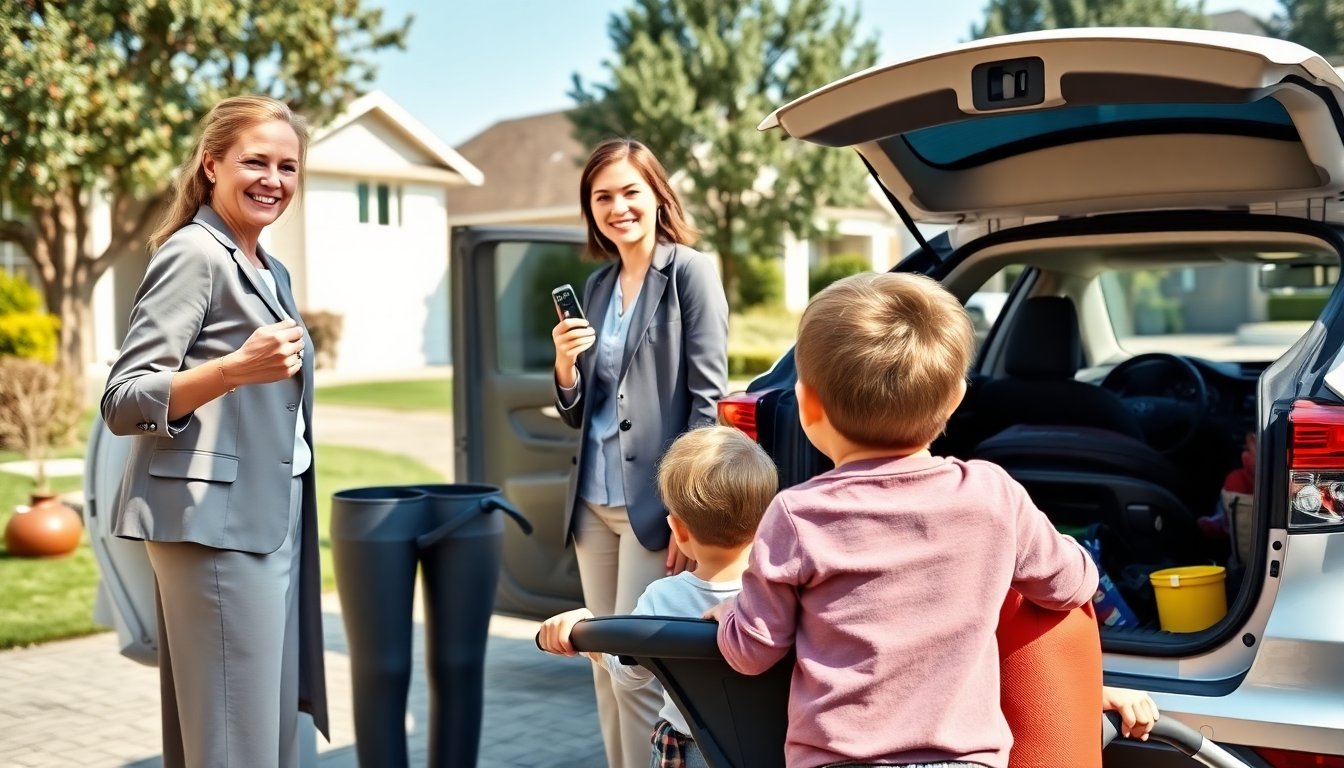
Before opening doors, make sure your pet is secured. Keep leashes within reach, not buried under bags. Double-check crate latches. It’s repetitive, but repetition is what prevents mistakes.
When you arrive somewhere new, pause before letting your pet explore. Look for open gates, loose animals, and tight spaces they could wedge into. A quick scan now is easier than a frantic search later.
10. Expecting a Perfect Trip Without Adjustment
Even good planning doesn’t guarantee a smooth trip. Your pet might be more sensitive than usual. Traffic might stretch the drive. The weather might change.
What helps is flexibility. Leave earlier than necessary. Add buffer time. Plan one extra stop. Expect to adjust.
A good trip isn’t the fastest one. It’s the one where your pet arrives alert, not overheated, not shaking, and not completely drained.
Conclusion
Most road-trip mistakes with pets come from treating the car like neutral space. For your pet, it isn’t. It’s loud. It moves. It demands constant adjustment.
When you accept that, your choices change. You restrain your pet properly. You manage airflow and temperature. You plan breaks that actually help. You bring familiar items. You pay attention to early stress instead of waiting for a bigger problem.
The result is calmer drives, fewer surprises, and a pet who handles travel a little better each time. And that’s usually enough.