
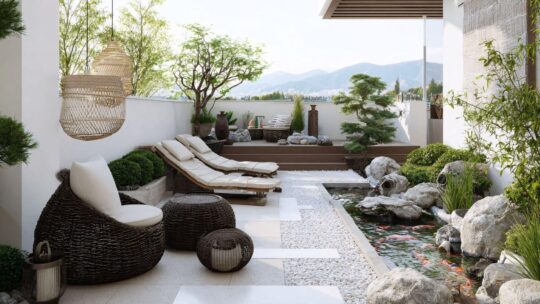
Static architecture often creates a rigid environment that forces people to adjust their lives to the building. When a patio is designed with one specific purpose in mind, it quickly loses its appeal as soon as the weather or the time of day shifts.
Modern design is moving away from these fixed assumptions and toward a more fluid way of living. We are seeing a massive trend where spaces are built to be responsive, allowing the occupant to dictate the atmosphere based on their immediate needs and desires.
Marygrove empowers homeowners to embrace this flexibility by providing adjustable elements that transform a deck in seconds. This approach ensures that a home remains a versatile sanctuary where the environment is always working in harmony with the people who live there.
Why Static Design No Longer Fits Modern Living
The days of a single, unchangeable backyard setup are quickly fading as families demand more from their property. A heavy roof or a permanent wall might look impressive in a photograph, but it often becomes a hurdle when the seasons change or the wind picks up.
Homeowners today lead dynamic lives that require their surroundings to keep up with a variety of different activities. A space that is perfect for a midday nap might be completely wrong for a large evening gathering if it cannot be modified to fit the mood.
Relying on static features often leads to wasted space that sits empty for months at a time because it is too cold or too bright. Shifting toward a more adaptable philosophy ensures that every square foot of the home provides consistent value throughout the entire year.
Time of Day and Use Based Flexibility
The needs of a household change drastically from the first cup of coffee in the morning to the final meal at night. A morning session might require soft, filtered light, while a high noon lunch demands a thick canopy to keep the temperature down for everyone.
As the sun begins to set, the requirement for shade disappears, and the desire to see the colors of the sky takes over. This level of transition is only possible when the architecture can be retracted or expanded to match the specific rhythm of the daily clock.
Designing for use based flexibility means acknowledging that a patio is never just one thing for very long. It is a constantly evolving stage that needs to support work, play, and rest with equal ease, depending on what the current moment actually requires from the space.
Environmental Inputs That Shape Design
Natural elements like wind, sun, and ambient temperature are the primary forces that dictate how comfortable a person feels outside. Ignoring these factors during the design process is a recipe for a beautiful space that nobody actually wants to use when the heat rises.
A smart layout takes these environmental inputs into account and provides a way to mitigate their impact on the fly. This might mean installing a barrier to block a harsh breeze or deploying a cover to stop the glare from bouncing off a glass door.
By reacting to the sky in real time, a homeowner can maintain a perfect climate without having to retreat back into the air conditioning. It is about working with nature rather than fighting against it, creating a seamless transition between the indoor and outdoor worlds.
User Controlled Comfort Elements
True comfort is a personal experience that varies from one individual to the next, making universal solutions largely ineffective. What feels like a pleasant warmth to one person might feel like an oppressive heat to another who is trying to read a book nearby.
Giving the user direct control over their surroundings is the only way to ensure that everyone is satisfied with the environment. Adjustable features allow each person to fine tune the light and air flow to reach their own specific version of a perfect afternoon outside.
This sense of agency makes the home feel more welcoming and tailored to the unique habits of the family. When a space can be easily manipulated, it becomes a tool for relaxation that adapts to the person rather than forcing the person to adapt to it.
Designing for Choice Not Assumption
The most successful outdoor areas are those that do not assume how they will be used by the people who live there. Instead of building for a specific function, designers are now focusing on creating a platform that offers a wide range of different choices.
Letting the space respond to the user ensures that the backyard remains relevant as the family grows and their interests change over time. It provides a level of future proofing that protects the investment and keeps the home feeling fresh and exciting for years.
Ultimately, the goal of modern design is to remove the limitations that hold us back from enjoying our surroundings. By prioritizing choice and adaptability, we create a living environment that is as resilient and multifaceted as the lives we lead in the modern world.