
When summer arrives, keeping the house comfortable can suddenly feel like a full-time job. Kids are hot and restless, sleep becomes harder, and every room seems to trap warmth. Turning the thermostat down might feel like the quickest fix, but it often leads to higher energy bills and that familiar feeling of wasting electricity.
The good news is that staying comfortable in summer isn’t just about temperature settings. With a few thoughtful changes and a better understanding of how your home handles heat, it’s possible to create a calmer, cooler environment without constantly adjusting the thermostat.
Why Homes Heat Up So Quickly
Many homes are designed to retain warmth during colder months, which can work against you in summer. Sunlight through windows, trapped humidity, and limited airflow can all make rooms feel stuffy and uncomfortable.
Once heat builds up, it can linger — especially in bedrooms and upstairs spaces. This is often why evenings and nights feel worse, even after the sun goes down.
Understanding where the heat comes from makes it easier to manage it effectively.
Simple Ways to Reduce Heat During the Day
Small changes can make a noticeable difference, particularly during peak daylight hours. Managing heat early helps prevent it from building up later.
Some practical steps that families find helpful include:
- Closing curtains or blinds during the hottest part of the day
- Opening windows strategically to encourage airflow
- Turning off appliances that generate unnecessary heat
These habits don’t cost anything, but they can noticeably improve comfort, especially in shared living areas.
Why Night-Time Comfort Is Often the Hardest
For many families, nights are when discomfort becomes most obvious. Bedrooms can feel hot and heavy, making it difficult for both children and adults to sleep well.
Fans help circulate air, but they don’t always reduce the overall temperature. When rooms hold on to warmth, simply moving air around isn’t enough to create real comfort.
This is often the point where families start exploring longer-term solutions rather than short-term fixes.
Balancing Comfort and Energy Use
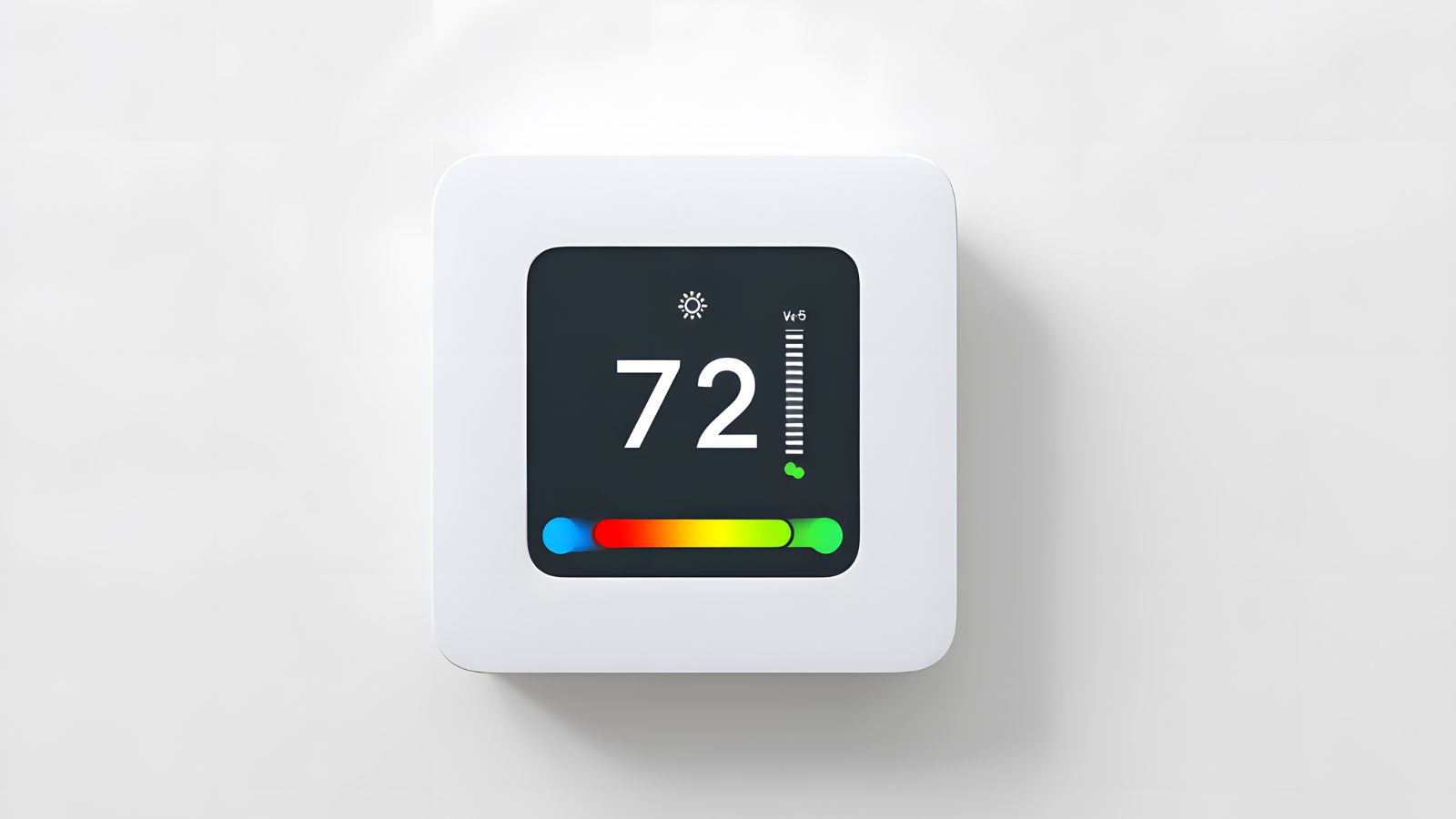
Finding the balance between staying cool and managing energy costs is a challenge many households face. Constantly lowering the thermostat can lead to higher bills without delivering consistent comfort.
Learning about different home air conditioning options can help families understand what’s available and how modern systems are designed to cool spaces more efficiently and evenly.
When cooling solutions are used thoughtfully, they can reduce the need for constant adjustments and create a more stable indoor environment.
Comfort Is About More Than Temperature
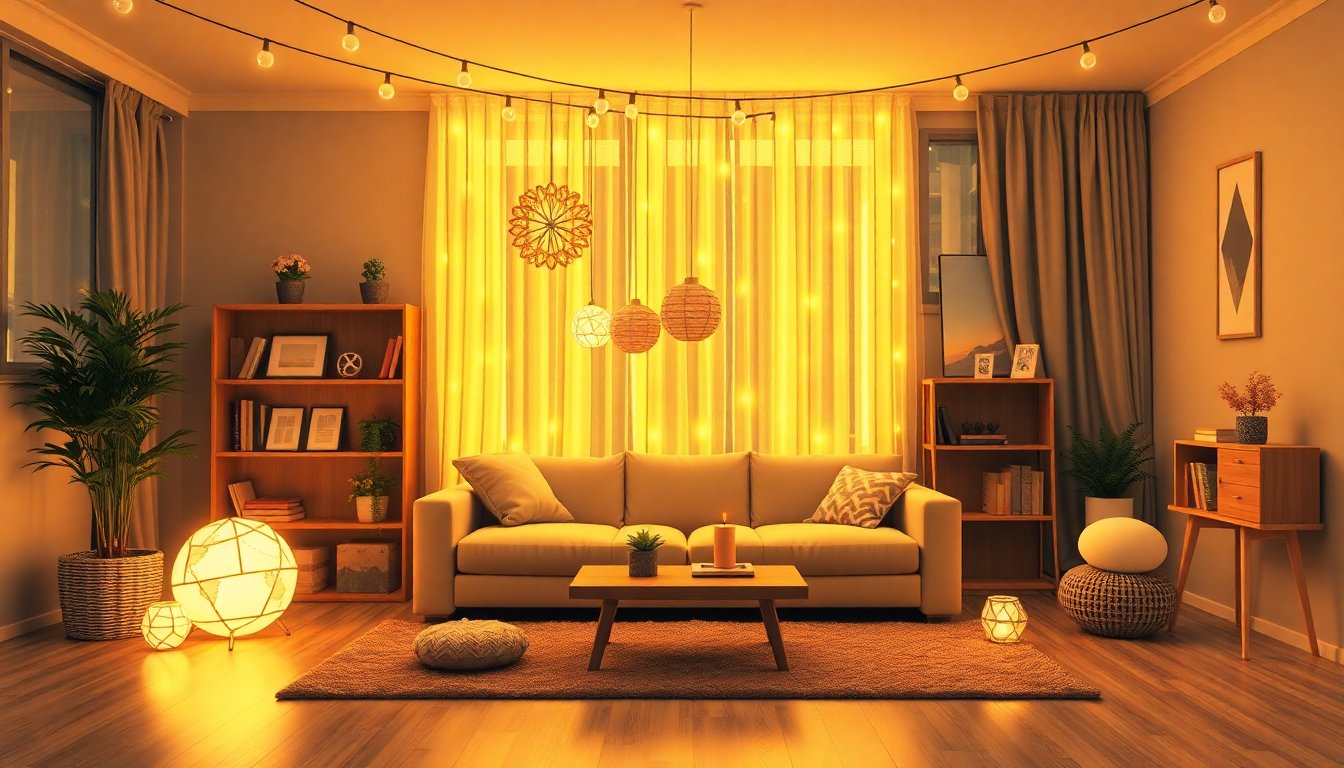
A comfortable home isn’t just cooler — it feels calmer. Reduced humidity, better airflow and consistent temperatures all contribute to how relaxed a space feels.
When your home maintains a steady environment:
- Sleep quality often improves
- Kids are less irritable during hot spells
- Daily routines feel easier to manage
These benefits add up, especially during long summer periods.
Thinking Long-Term About Summer Comfort
As summers become warmer, many families are thinking ahead rather than reacting each year. Making small improvements now can reduce stress later, whether that’s improving airflow, upgrading window coverings, or understanding cooling solutions better.
Comfort doesn’t have to come at the expense of energy efficiency. With the right approach, it’s possible to stay cool without feeling guilty every time the system switches on.
A Cooler Home, Less Stress
Summer should be about enjoying time together, not constantly adjusting the thermostat or worrying about energy use. By combining simple daily habits with a better understanding of how your home handles heat, you can create a space that feels comfortable and calm throughout the warmer months.
Keeping your home cool doesn’t have to mean blasting the thermostat. Sometimes, it’s about making smarter choices that support both comfort and peace of mind for the whole family.