
If you’ve ever walked into a room with the heating on and still felt cold, you’re not alone. Many families experience this every winter — radiators are warm, the thermostat is set higher than you’d like, yet the house never quite feels cosy.
For parents, this can be especially frustrating. You want your home to feel comfortable for your kids, but you don’t want to keep turning the heating up and watching the energy bills climb. The good news is that warmth isn’t just about temperature. It’s about how well your home holds on to the heat it already has.
Why Warm Air Doesn’t Always Mean a Warm Home
A common misconception is that if the heating is working, the house should feel warm. In reality, warmth depends on how quickly heat escapes.
Many homes lose heat through walls, ceilings and draughts. Even if your heating system is doing its job, cold surfaces can pull warmth out of the air, making rooms feel chilly and uncomfortable.
This is why some rooms never seem to warm up properly, no matter how long the heating has been on.
Cold Walls Can Make a Big Difference
Walls play a huge role in how warm a room feels. When walls are cold, they absorb heat from the air and from your body, creating that “always cold” feeling — especially in older homes.
Signs cold walls might be the issue include:
- Rooms that feel cold even with warm radiators
- Certain areas of the house never warming up
- A damp or clammy feeling in winter
Addressing wall heat loss can make a noticeable difference without touching the thermostat.
Simple Things You Can Do First
Before looking at bigger changes, it’s worth checking a few simple things around your home. These small adjustments can help reduce heat loss and improve comfort.
Some easy steps include:
- Blocking draughts around doors and windows
- Using thicker curtains during colder months
- Rearranging furniture so radiators aren’t blocked
These won’t fix everything, but they can help your home feel more comfortable day to day.
Why Some Homes Still Feel Cold After These Fixes
If you’ve tried the basics and your home still feels cold, the issue is often structural rather than behavioural. Heat may be escaping faster than your heating system can replace it.
This is where insulation becomes important. Insulation helps keep warmth inside, allowing rooms to reach and maintain a comfortable temperature more easily.
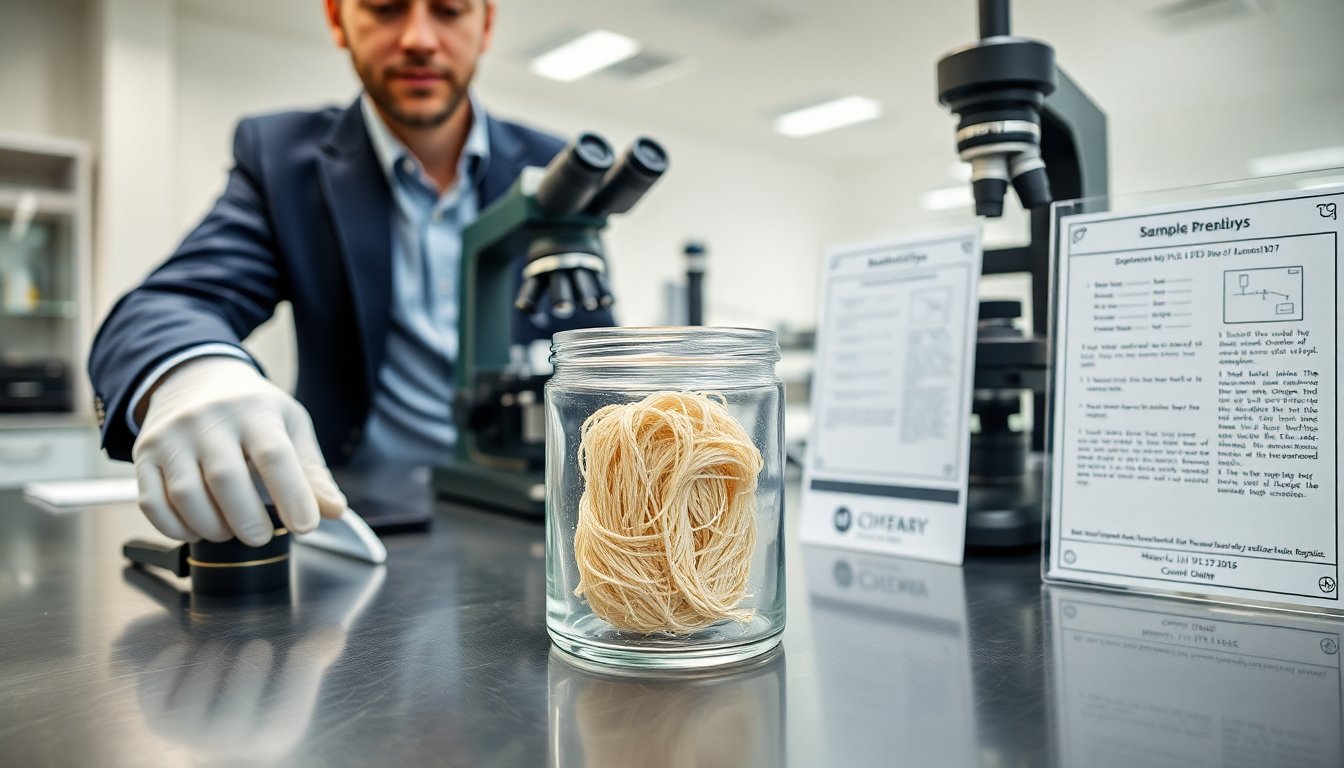
Learning about options such as spray cork for cold homes can help explain why some houses struggle to stay warm and what types of solutions are available for improving comfort.
Comfort Isn’t Just About Warmth
A warm home isn’t only about temperature. It’s about how the space feels. Cold walls and draughty rooms can make children uncomfortable, affect sleep, and make everyday activities less enjoyable.
When rooms retain heat properly:
- The air feels warmer without higher settings
- Heating systems don’t have to work as hard
- The whole house feels more comfortable and inviting
This kind of comfort often comes from improving how the home performs, not from increasing energy use.
Thinking Long Term About Home Warmth
As families grow and energy costs continue to rise, many parents start thinking more long term about their homes. Making changes that improve heat retention can lead to a more comfortable living space year after year.
Rather than relying on constant heating adjustments, focusing on how your home holds heat can reduce stress, improve comfort, and help keep energy use under control.
A Warmer Home Without the Worry
Feeling cold in your own home is frustrating, especially when you’re doing everything “right.” Understanding that warmth depends on more than just heating can be a relief — it means there are other ways to make your home feel better without cranking the thermostat.
With a few thoughtful changes and a better understanding of how heat moves through your home, it’s possible to create a space that feels warm, comfortable and welcoming for the whole family — without higher energy bills.