
Physics dictates that an object in motion stays in motion until an external force acts upon it. In a vehicle, that object is the human body, which continues at the same speed even after the car hits a solid barrier or stops.
Most people believe that survival is purely a matter of traveling at low speeds during a commute. While velocity matters, the way a person is anchored inside the cabin determines whether they walk away from a sudden and violent impact.
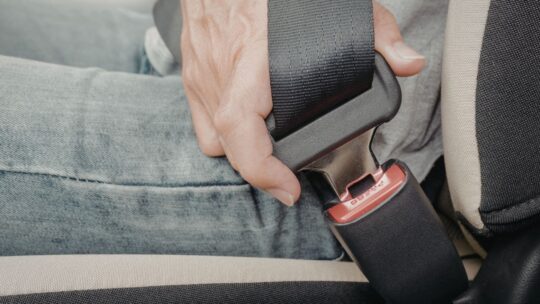
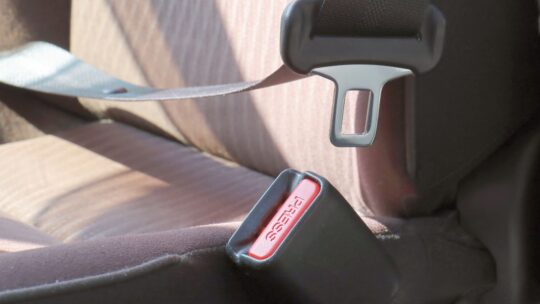
Simple restraints act as the primary defense against the internal chaos of a collision. Evaluating the broad seatbelt safety impact shows that these devices manage energy far better than airbags alone.
Understanding the 10 consequences of not wearing a seatbelt makes it clear how quickly a preventable risk turns into severe or fatal injury. Seatbelts remain the single most critical component of personal vehicle safety.
Force Distribution
A seatbelt is designed to catch the body at its strongest points, specifically the pelvis and the ribcage. These areas are much better at absorbing high amounts of energy compared to the soft tissue or the vital organs located inside right now.
When a belt stretches slightly during a crash, it increases the time it takes for the body to come to a stop. This deceleration happens over a fraction of a second, but it significantly lowers the peak force exerted on the skeleton.
Without this distribution, the energy of the stop would be concentrated on the head or chest upon hitting the dashboard. Spreading that load across the sturdy frame of the body is what prevents internal hemorrhaging and broken bones during a sudden stop.
Ejection Prevention
Staying inside the vehicle is the single most important factor for surviving a rollover or a high-speed collision. The car itself acts as a protective cage designed to crush and absorb energy, keeping the survival space intact for the occupants inside the cabin.
If a passenger is not restrained, the centrifugal force can easily throw them through a window or a door. Being ejected from a car increases the risk of a fatal injury by an astronomical margin because there is no protection from the hard pavement.
Statistics show that those who are thrown from a vehicle rarely survive the secondary impact with the ground or other objects. A belt keeps the body centered in the seat, ensuring that the structural safety features of the car can do their job.
Injury Severity Reduction
Brain injuries occur when the head strikes a hard surface or when the brain shifts violently inside the skull. By limiting the movement of the torso, a restraint prevents the head from whipping forward and hitting the steering wheel or the side pillars.
Internal organs are also prone to tearing when the body experiences a sudden change in momentum without support. Proper positioning ensures that the heart and lungs are not crushed against the front of the chest cavity during a particularly heavy or jarring forward impact.
Even in low speed crashes, the reduction in injury severity is significant for those who choose to buckle up. Managing the movement of the body prevents the secondary collisions that happen inside the car between the passengers and the hard interior surfaces today.
Common Myths
Some people believe it is better to be thrown clear of a crash to avoid being trapped in a fire. This logic ignores the fact that fires and submersions are extremely rare compared to the blunt force trauma that happens during a standard accident.
The chances of being conscious enough to escape a car are much higher if you are wearing a seatbelt. A person who hits the windshield is usually incapacitated, making it impossible for them to exit the vehicle if a secondary danger like smoke occurs.
Others worry that the belt itself will cause bruising or internal damage during a stop. While a belt can leave marks, these are minor compared to the catastrophic damage caused by hitting a dashboard or being ejected onto the road during a sudden collision.
Conclusion
Prioritizing the use of restraints is the easiest way to change the outcome of a potentially tragic situation. While technology improves every year, the basic belt remains the most effective tool for saving lives on the road regardless of the specific vehicle model.
High speeds are dangerous, but the lack of an anchor is what turns a survivable event into a tragedy. Every passenger has the responsibility to ensure they are properly secured before the wheels begin to turn. This small habit makes a massive difference.
Ultimately, the physics of a crash are unforgiving to those who ignore the basic rules of safety. Staying strapped in provides the best chance of returning home to family and friends. It is a simple choice that pays off every single time.