
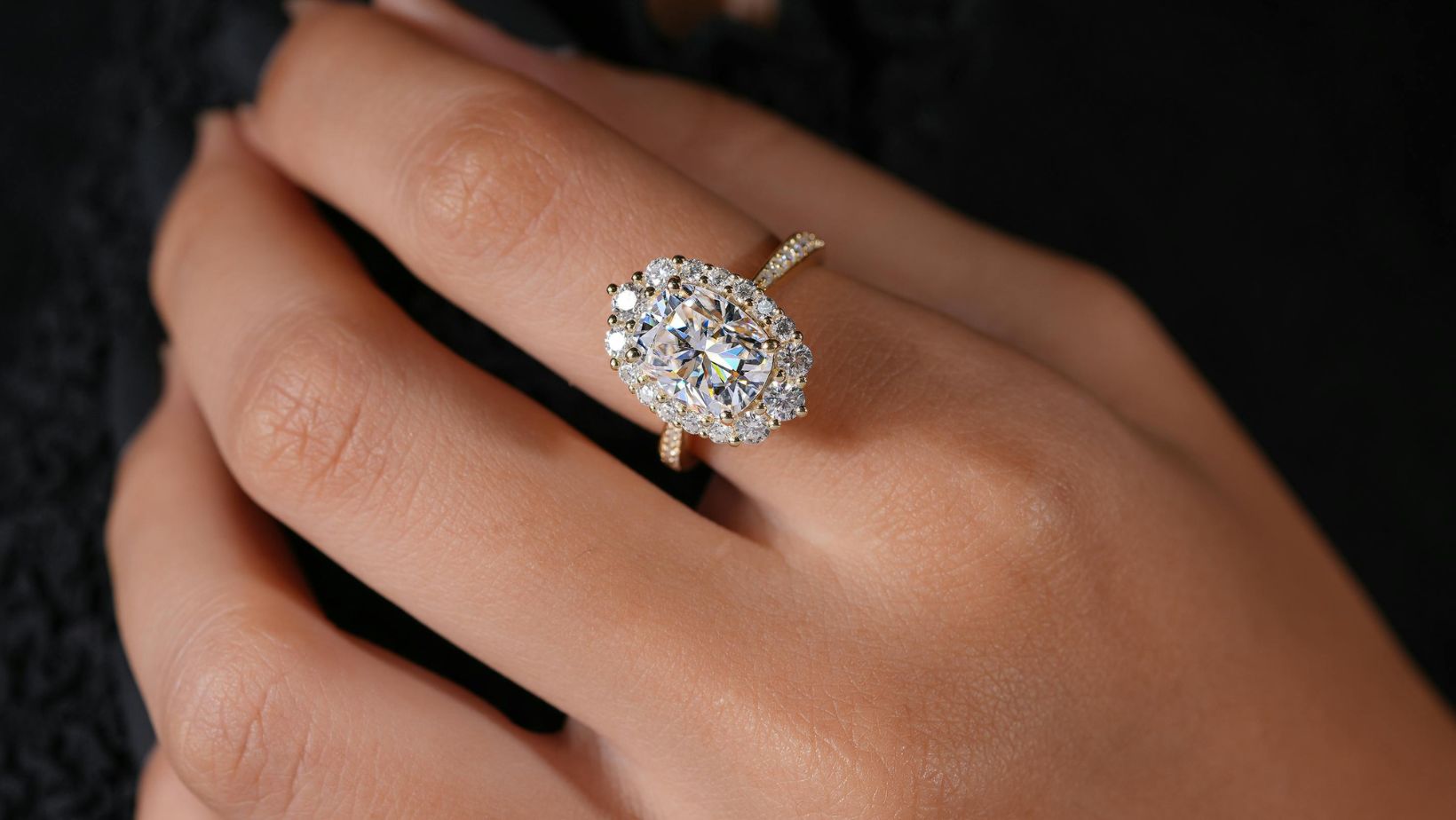
Engagement ring trends often move between sharp minimalism and ornate vintage influence. Some shapes lean into crisp edges and modern symmetry, while others favour softer outlines that feel romantic and familiar. Among these shifting preferences, certain cuts manage to sit comfortably between eras.
There is something about gently rounded corners and balanced proportions that continues to resonate. It feels considered without being severe, classic without feeling predictable.
The Enduring Charm of Softer Edges
When exploring diamond shapes, many couples find themselves drawn to cushion cut diamonds. The appeal often lies in their softened square silhouette, which blends structure with subtle curvature.
Unlike sharper geometric cuts, cushion shapes feel slightly more fluid. The rounded corners introduce warmth, while the overall outline maintains balance. This combination allows the stone to feel both refined and approachable.
It is a shape that rarely feels abrupt.
A Design With Historical Roots
Cushion cut diamonds trace their origins back to earlier centuries, when diamond cutting techniques prioritised depth and glow over precision symmetry. While modern cutting methods have refined the shape considerably, the historical influence remains visible.
This subtle connection to heritage often enhances its appeal. The cut feels grounded in tradition without being confined by it. It carries echoes of antique design while still sitting comfortably in contemporary settings.
That blend of old and new often resonates with couples who value continuity.
How Light Interacts With the Shape
One of the defining characteristics of cushion cuts is the way they handle light. Depending on the specific faceting style, they can display either a softer, diffused glow or a more dynamic sparkle.
This flexibility allows for variation within the shape itself. Some cushion cuts feel romantic and understated, while others offer greater brilliance. The overall impression is often described as warm rather than sharp.
That warmth can feel particularly appealing in engagement jewellery.
Proportion and Visual Balance
Cushion cuts tend to sit comfortably on a variety of hand shapes. Their balanced outline provides presence without appearing overly elongated or narrow. The slightly curved edges help soften the overall appearance, which can feel flattering and harmonious.
Because the shape does not rely solely on sharp angles, it often pairs well with both minimalist and detailed settings. The stone itself carries visual interest without dominating the entire design.
This balance contributes to its versatility.
A Middle Ground Between Round and Square
For those who find round diamonds too traditional and princess cuts too angular, cushion shapes often provide a satisfying alternative. They offer structure without severity, softness without losing definition.
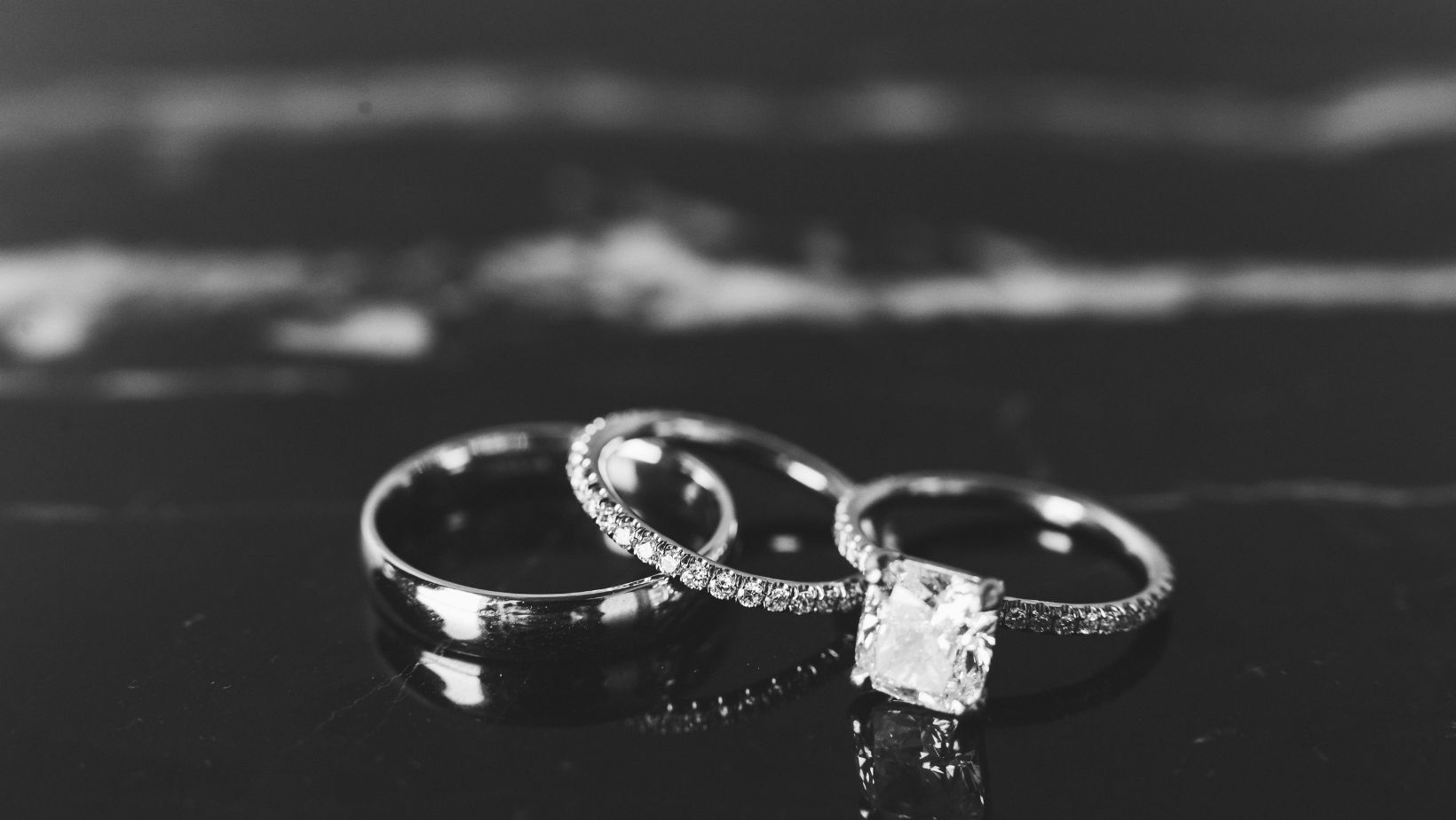
This middle ground appeals to people who appreciate clarity of form but prefer gentler lines. The shape feels intentional without being rigid.
It bridges aesthetic preferences in a way few cuts manage.
Settings That Enhance the Silhouette
Cushion cut diamonds adapt easily to a range of settings. A simple solitaire allows the softened corners to stand out, while halo settings can amplify the shape’s romantic quality.
Because the outline is distinctive yet balanced, designers often use clean bands to highlight the stone’s geometry. Alternatively, vintage inspired detailing can enhance its historical undertones.
The shape accommodates both restraint and embellishment with equal ease.
Everyday Wear and Longevity
Engagement rings are worn daily, often across decades. Shapes that feel comfortable and visually balanced tend to maintain their appeal over time. Cushion cuts, with their softened edges, integrate smoothly into everyday life.
Their proportions often feel secure and stable, reducing the sense of fragility that sharper corners can sometimes create. This practical comfort adds to their long term appeal.
Longevity in design often depends on adaptability, and cushion cuts offer exactly that.
Moving Beyond Trend Cycles
While certain diamond shapes experience dramatic surges in popularity, cushion cuts have maintained a steady presence. They may not dominate headlines, but they rarely disappear from consideration.
This consistency reflects their broad appeal. The shape adapts to changing aesthetics without losing its identity. It feels neither overly modern nor distinctly vintage.
That neutrality often becomes an advantage over time.
Emotional Resonance in Subtle Details
There is a softness to cushion cuts that can feel emotionally resonant. The rounded edges create a gentler profile, which some describe as romantic or even nostalgic.
While symbolism is personal, the shape often feels connected to warmth and continuity. This emotional undertone can influence decisions as strongly as technical considerations.
Engagement rings are chosen as much for feeling as for form.
When Balance Feels Natural
Ultimately, cushion cut diamonds continue to appeal because they offer equilibrium. They balance history and modernity, structure and softness, brilliance and warmth.
For many couples, the choice emerges naturally after exploring sharper or more minimal shapes. The softened geometry feels aligned with their personal style and long term perspective.
In the end, engagement jewellery is about selecting something that feels enduring and authentic. Cushion cuts provide a shape that is both distinctive and adaptable, allowing rings to feel timeless without losing individuality.