
Buying property in Mexico can feel exciting and complex at the same time. The country offers a wide range of lifestyles, from coastal living to high-altitude colonial cities, with price points that can look attractive compared to many U.S. markets. Still, the “right” property is rarely the one with the best photos. The right property is the one that fits how you live, how you plan to use it, and how comfortable you are with local processes.
Many buyers start their search by browsing areas they already love, including markets such as San Miguel de Allende real estate, then realize they need a more structured approach to evaluate value, legal safety, and long-term practicality. The tips below focus on decisions that protect your budget and your peace of mind, while helping you narrow options in a country with enormous variety.
Decide How You Will Use the Property
Start with the simplest question: what is the property for? A full-time home has different requirements than a seasonal escape. Rental-focused purchases bring a different set of priorities again. Your use case will shape your location, property type, layout, and budget range, and it should guide every decision that follows.
Full-time living often highlights practical needs. Reliable internet, walkability, access to healthcare, and stable utilities matter more than dramatic views. Seasonal living may prioritize low maintenance and lock-and-leave convenience. Rental use demands features that guests or tenants consistently pay for, such as location, safety, air conditioning in hot regions, and a layout that works for groups.
Be honest about lifestyle preferences. Some buyers love quiet and privacy. Others want restaurants and a community close by. Mexico offers both, but the right fit comes from matching the property to your real routine, not a vacation version of yourself.
Choose the Right Region by Climate, Access, and Culture
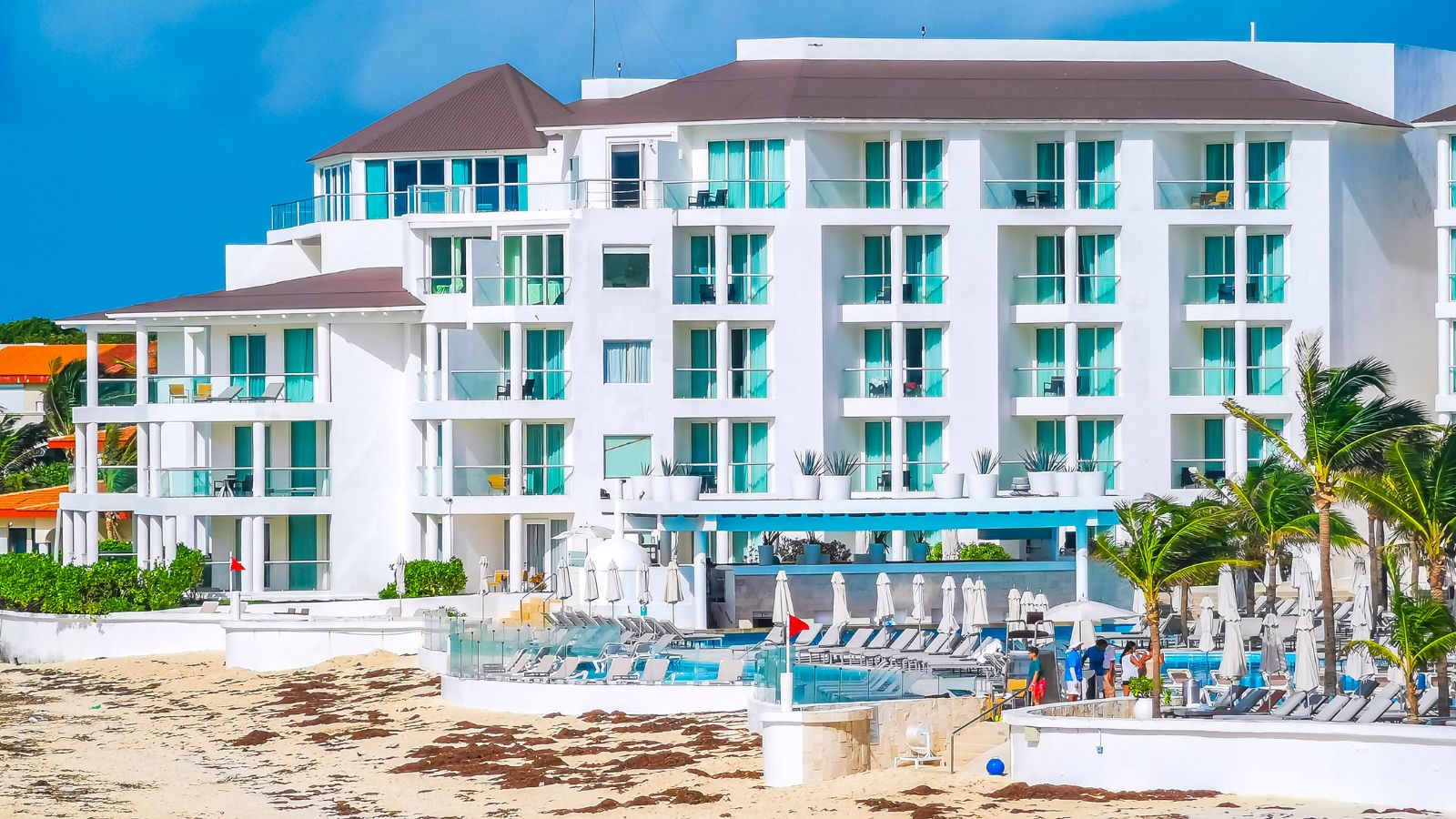
Mexico’s regions differ sharply in climate and daily rhythm. Coastal areas can offer warm weather, ocean access, and strong tourism demand, but humidity and salt air affect maintenance. Higher-elevation cities often offer milder weather, fewer pests, and a distinct architectural and community character. Each region also carries its own pace, infrastructure norms, and seasonal patterns.
Access matters more than most buyers expect. Consider flight routes, drive times from airports, and how easy it is for visiting family or renters to reach you. A beautiful property can become frustrating if travel is complicated. If you plan to spend only a few weeks at a time, convenience can outweigh minor price differences.
Culture is part of the decision, too. Some towns have strong expat communities and lots of English-language services. Others feel more local and immersive. Neither is better. It depends on what makes you feel comfortable and supported.
Evaluate Neighborhood Practicalities, Not Just the View
Once you pick a region, the neighborhood becomes the real driver of satisfaction. Visit at different times of day. Check noise levels, traffic patterns, and evening activity. Walk the streets. Look at the lighting, drainage, and how well the area is maintained. These details affect daily life more than a scenic balcony.
Security should be assessed thoughtfully. Look for practical indicators such as gated access, consistent neighborhood activity, and well-maintained public spaces. Avoid relying on online comments alone, since they are often outdated or exaggerated.
Also consider services that support your routine. Grocery access, pharmacies, gyms, and medical clinics matter if you live full-time. For rentals, proximity to attractions and easy transportation often matters more. The key is choosing a neighborhood that supports your use case without constant workarounds.
Understand Ownership, Title, and Closing Realities Early
The legal side of buying in Mexico is manageable, but it requires discipline and local expertise. Your first priority should be verifying the title and ensuring the property can be legally transferred. Buyers should work with a qualified professional to review ownership history, liens, and property documentation before funds change hands.
If you are buying near the coast or borders, the ownership structure may differ from other areas. These situations can still be handled safely, but the process must be done correctly and documented properly. Never treat this as a casual step. The right professionals will explain the process clearly, set expectations, and confirm every document before closing.
Also, plan for timelines. Closings can take longer than buyers expect, especially if documents need updating or if the property has a complex history. A careful approach reduces the risk of last-minute delays and prevents unpleasant surprises after you think the deal is done.
Plan for Maintenance, Utilities, and Long-Term Costs
Many buyers focus on purchase price and forget operating realities. Maintenance costs vary by region and construction type. Coastal properties face corrosion and humidity challenges. Older colonial homes can require periodic structural and systems upgrades. Newer builds may be simpler to maintain, but quality can vary, so inspections still matter.
Utilities and infrastructure should be verified rather than assumed. Ask about water reliability, water pressure, backup systems, and internet options. If the property relies on a cistern, understand how it is filled and maintained. If power outages occur, ask what solutions are common in that area. These details influence comfort and the total cost of ownership.
Long-term costs also include property taxes, HOA or maintenance fees if applicable, insurance options, and property management if you will be away. A good budget includes a reserve fund for repairs and upgrades, so small issues do not become urgent problems.
Use a Structured Buying Process and Avoid Emotional Shortcuts
A good property search in Mexico benefits from a clear checklist. Define non-negotiables, then separate “nice to have” features from essentials. Use the same criteria to compare each property. This keeps decisions grounded when you find a home that looks perfect but fails key requirements.
Negotiation should be informed, not aggressive. Understand local pricing dynamics, days on market, and what features drive value in that location. A property that seems overpriced may still be fair if it has strong rental performance, rare features, or excellent condition. A property that looks like a bargain may require significant work.
Finally, take your time with due diligence. Inspections, document review, and realistic cost planning protect you more than any online research. Mexico offers incredible opportunities for buyers, but the best outcomes come to those who combine enthusiasm with careful decision-making.