
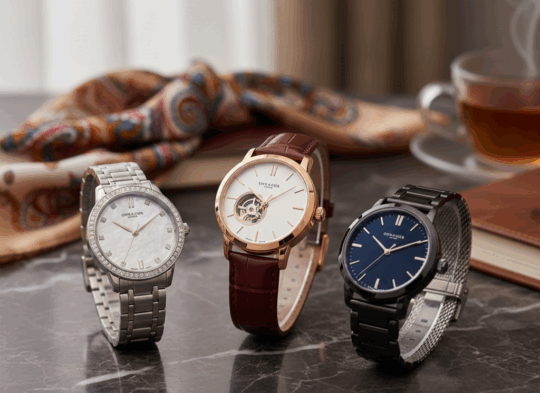
Choosing a high-quality ladies’ watch is about more than simply telling the time. A well-made timepiece supports everyday life, enhances personal style and can become a cherished accessory for years to come. With consumers in the UK showing renewed interest in traditional watches alongside smart alternatives, understanding what defines quality helps you make informed decisions that align with your preferences and lifestyle.
In the British market, overall demand for watches remains strong, with UK households spending around £10.8 billion annually on jewellery, clocks and watches combined. Despite fluctuating unit sales, the total value of watch consumption in the UK increased to approximately 12 million units in 2024, a 24% rise from the previous year. These figures indicate that quality and desirability continue to drive purchasing decisions among British consumers.
Why Quality Matters in Ladies’ Watches
A watch is one of the few accessories that delivers both functional value and daily confidence. Quality determines how well a watch withstands wear, maintains its appearance and performs timekeeping tasks reliably. In the UK, watch buyers are increasingly discerning. Research shows that women are more likely to buy a watch for themselves, with around 66% indicating they would purchase one for personal use rather than wait for it as a gift.
Beyond personal expression, a quality watch offers longevity, holds sentimental value and can even appreciate in worth over time when it comes from a respected maker. These factors make knowing what to look for particularly important when you want a watch that feels worth your investment.
Understanding Watch Materials: Strength, Beauty and Longevity
The first aspect to assess in a lady’s watch is the materials used in its construction. The choice of case metal, crystal and strap all affect durability and comfort.
Stainless steel is one of the most common and resilient materials for watch cases. It resists corrosion and everyday knocks, making it suitable for regular wear. For those wanting a lighter feel, titanium offers strength with reduced weight. Precious metals such as gold elevate aesthetic appeal but require more careful handling.
The crystal over the dial is equally important. Sapphire crystal is highly scratch-resistant and retains clarity over time, while mineral glass and acrylic are more vulnerable to wear. In the British market, watches featuring sapphire crystal are often regarded as a sign of superior build quality, making them a worthwhile investment.
Straps and bracelets also contribute to both comfort and longevity. Genuine leather offers elegant wearability, though it can suffer from moisture over long-term use. Metal bracelets offer durability but may require adjustment for optimal comfort. Alternatives, such as ceramic and high-quality alloys, are growing in popularity for blending resilience with a refined appearance.
Watch Movements: Performance You Can Trust
A watch’s movement is its internal mechanism and the core of its performance. Understanding movement types helps choose a watch that meets expectations for precision and service.
Quartz movements are battery-powered and known for providing accurate timekeeping with minimal maintenance. They suit everyday lifestyles where ease of use is a priority. Mechanical movements, whether automatic or manual, are prized by enthusiasts for the craftsmanship they display. These movements often carry a heritage element and can be appreciated through case back displays when offered.
In the UK, the growing interest in mechanical watches reflects a broader appreciation for traditional watchmaking, even as smartwatches continue to expand their market share. While quartz remains strongly represented, buyers interested in lasting value often consider mechanical watches for their intricate engineering and heritage appeal.
Additional Features That Enhance Everyday Use
Beyond core materials and movement, certain features may increase a watch’s utility. A water-resistance rating indicates how well a watch handles moisture. For example, a rating of 30 metres typically means a watch is safe from splashes and light rain, while higher ratings support swimming and more active lifestyles.
Complications such as date windows, chronographs or dual time zones enhance convenience and lend practical versatility. Case size and strap design also shape how a watch sits on the wrist and pairs with different outfits, whether for office wear or social occasions.
Preferences among British consumers systematically favour balanced and wearable sizes rather than oversized designs, especially in timepieces aimed at women. For example, a majority of UK women prefer case diameters between 28 mm and 32 mm for a proportional look that suits both casual and formal settings.
Brand Reputation and Authenticity
Brand heritage and reputation continue to influence watch purchases in the UK. Established brands are often perceived as more reliable in terms of quality control and after-sales service. While independent and newer brands bring innovation and variety to the market, verifying authenticity remains vital to safeguarding your investment.
Counterfeit watches are a persistent issue worldwide. Red flags can include poor finishing, misaligned engravings or a lack of correct paperwork. Buying through authorised retailers and checking serial numbers against manufacturer records helps ensure a legitimate purchase.
Style and Personal Preference
A quality watch should feel right on your wrist and harmonise with your personal aesthetic. Whether you favour classic metal bracelets, sleek leather straps or watches that pair effortlessly with jewellery, your choice should reflect who you are and how you want the watch to fit into your daily life.
Over time, watches have become more than just timekeepers. Many UK consumers view them as expressive pieces that convey confidence and taste. Considering how a watch complements your wardrobe and activities helps ensure satisfaction long after the purchase.
The UK Watch Market Landscape
The British watch market reflects both appreciation for heritage and changing consumer trends. In 2024, UK watch consumption reached approximately 12 million units, with the market value increasing significantly from the previous year. Broader spending habits support this trend, as UK households allocated approximately £10.8 billion to jewellery, clocks and watches combined. This sustained interest shows that, even in challenging economic times, watches remain valued accessories across demographics.
Making an Informed Choice
Evaluating quality in ladies’ watches involves balancing durability, design and personal needs. By focusing on materials, movement type and features that matter to you, you reduce the risk of disappointment after purchase. Additionally, understanding broader market trends can offer context that enriches your buying decision.
For a curated selection of high-quality timepieces that combine style and performance in the UK market, exploring available ladies’ watches offers inspiration across brands and styles to suit a range of preferences.
Conclusion
A well-chosen ladies’ watch delivers reliable performance, reflects distinctive style and becomes a meaningful accessory for years of wear. Quality matters because it affects how a watch endures through daily life and how much joy it brings to the wearer. With clarity about what distinguishes a high-quality watch from an average one, you are well-positioned to choose a timepiece that serves you both functionally and aesthetically. Focusing on thoughtful material selection, solid movement technology and features that match your lifestyle ensures that your investment in a ladies’ watch delivers lasting value.