
The screen has been the uncontested frontier for most of gambling’s digital history. Yet as immersive technology matures at a remarkable pace, that frontier is beginning to shift. Players researching their options today routinely turn to online casino review platforms to compare game libraries, licensing credentials, and bonus structures before committing. And those platforms are increasingly documenting experiences that go well beyond clicking through a browser window.
Slovenia’s Gambling Landscape: A Market in Motion
Slovenia’s gambling and iGaming market is experiencing steady growth, propelled by digital transformation, evolving player preferences, and a maturing regulatory environment. That growth has unfolded within one of Europe’s more restrictive frameworks. Online gambling is restricted exclusively to domestic, government-approved operators, and unlicensed sites are not permitted to offer services to Slovenian residents.
That, however, is changing. In 2025, Slovenia tabled draft amendments to its Gambling Act to liberalise the market and align it with EU standards, raising the number of licensed operators from two to five and opening tenders for concessions — a clear shift toward a more innovative and competitive landscape, opening the door for foreign operators and new technology vendors.
What Players Actually Want
The most popular games among Slovenian players are slots, followed by table games such as blackjack, roulette, and poker. Live dealer games have become a significant draw, offering a real-world experience that simulates the atmosphere of land-based casinos. That appetite for atmosphere — for something that feels present and physical — is precisely what the next generation of interfaces is designed to satisfy.
From Screens to Space: The VR Shift
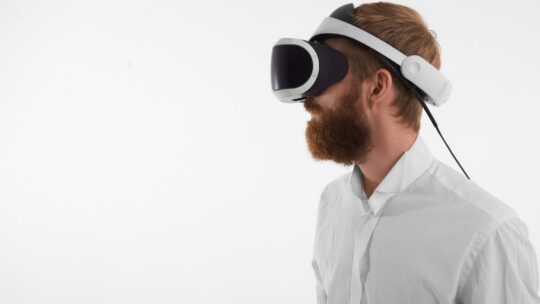
Virtual reality represents the most structurally radical departure from conventional screen-based gambling. Rather than interacting with a flat interface, VR players can roam virtual casinos, pick up chips, and place bets, mimicking the physical casino experience. Even small details like the sounds of shuffling cards and clinking chips heighten the authenticity of the experience.
Platforms like Vegas Infinite have already demonstrated elsewhere that this concept works in practice. And companies like SB22 have pushed further with VR22 — a virtual reality platform that combines 360-degree live game streaming with interactive betting and in-game contests. Slovenians cannot access these platforms under the current framework. Still, they illustrate precisely the kind of experience that domestic operators may eventually be pressured to replicate as the market opens up to more competition.
The Headset Problem
VR gambling’s path to mainstream adoption remains uncertain. The XR market is moving away from bulky headsets toward slimmer, more accessible designs. But convincing someone to wear glasses all day is far more challenging than getting them to wear a watch or carry a phone. Cost compounds the issue further, and that addressable audience remains, by definition, small.
Augmented Reality: The Lower-Friction Alternative
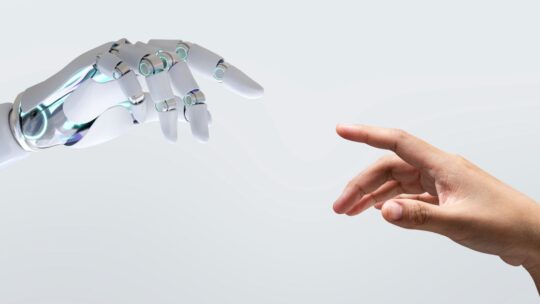
Where VR demands full immersion, augmented reality offers something subtler and potentially more immediately accessible. Rather than replacing the physical world, AR layers digital content on top of it. AR is revolutionizing the classic casino experience by projecting lifelike holographic dealers directly into your personal space, enabling a seamless blend of virtual elements and your real-world environment.
The scenarios AR unlocks are compelling:
- A roulette wheel projected onto a table via smartphone
- Holographic cards that appear in a player’s physical space during blackjack
- Real-time odds overlaid during live sports betting
- Dynamic, real-time overlays during live matches that demonstrably increase user interaction.
AR technology has the potential to make gaming more accessible, as it requires only a smartphone or AR glasses — devices already embedded in daily life. For Slovenian operators entering a newly competitive market, that accessibility advantage matters considerably. Deploying AR-enhanced experiences requires no new hardware on the player’s side, only software that meets the moment.
Touch, Feel, and the Rise of Haptic Technology
Perhaps the most counterintuitive development in gambling interface design is the push to restore the one thing digital play has always lacked: physical sensation. Modern haptic systems can simulate different textures, resistance, and even weight. Online casinos have always struggled to match the atmosphere of physical venues, but multi-sensory technology changes that equation — players can feel the weight of virtual chips and sense the excitement of a big win.
The Hardware Leading the Way
Specialized gaming gloves like bHaptics’ TactGlove or SenseGlove’s Nova deliver vibrations and resistance in sync with gameplay, letting players feel the clink of chips or the resistance when pulling a lever. These are commercially available today, already being tested in VR casino environments.
For slot players — the dominant preference in Slovenia — haptic feedback makes reels feel mechanical again. Instead of just watching symbols spin, players feel each click and tumble, and when reels line up for a jackpot, the controller shakes with excitement, creating a physical moment of anticipation before the payout appears.
AI as the Invisible Interface
Alongside sensory technologies, artificial intelligence is reshaping how interfaces respond to individual players. Many advanced platforms now use AI to detect early warning signs of gambling problems and automatically suggest cooling-off periods or deposit limits. Beyond player protection, AI is becoming the connective tissue of personalized experience. Artificial intelligence will power personalized casino hosts who learn player preferences and guide the experience, blurring the line between gaming, social networking, and digital entertainment.
This aligns naturally with what Slovenian regulators already require. Slovenian regulation focuses primarily on responsible gambling — operators must implement measures to prevent problem gambling, self-exclusion programs, and information campaigns. AI-driven interfaces that embed these tools organically, rather than bolting them on as afterthoughts, are a natural fit.
The Regulatory Dimension: Can Slovenia Keep Pace?
Technology moves faster than legislation almost everywhere. Regulatory bodies must evolve alongside technology, adapting their frameworks to cover new forms of play, and ensuring compliance with gambling laws in more immersive environments will be crucial for maintaining trust and player safety.
Harder questions remain. Ensuring age verification in virtual spaces and securing biometric data captured through eye-tracking so it does not fall into the wrong hands are serious concerns that no regulator has fully resolved. Slovenia’s 2025 reforms suggest a posture moving toward adaptability, but whether the framework will be agile enough to address VR-specific protections and GDPR implications remains an open question.
What Comes Next
The trajectory points toward blended reality — holographic game tables projected into living rooms, haptic suits simulating the weight of chips, and AI-powered hosts who learn individual preferences, as the line between gaming, social networking, and entertainment continues to blur.
For Slovenian casinos, the near-term opportunity likely lies in lower-friction alternatives: AR overlays accessible through existing smartphones, haptic-enabled controllers, and AI-driven personalization that makes every session feel individually tailored. These are not distant possibilities — they are already being deployed in more open markets.
The screen is not going anywhere soon. But the interfaces wrapping around it are evolving faster than at any previous point in gambling’s digital history. And Slovenia’s expanding market, existing appetite for atmospheric play, and gradual regulatory liberalization make it a market worth watching closely as that evolution unfolds.