
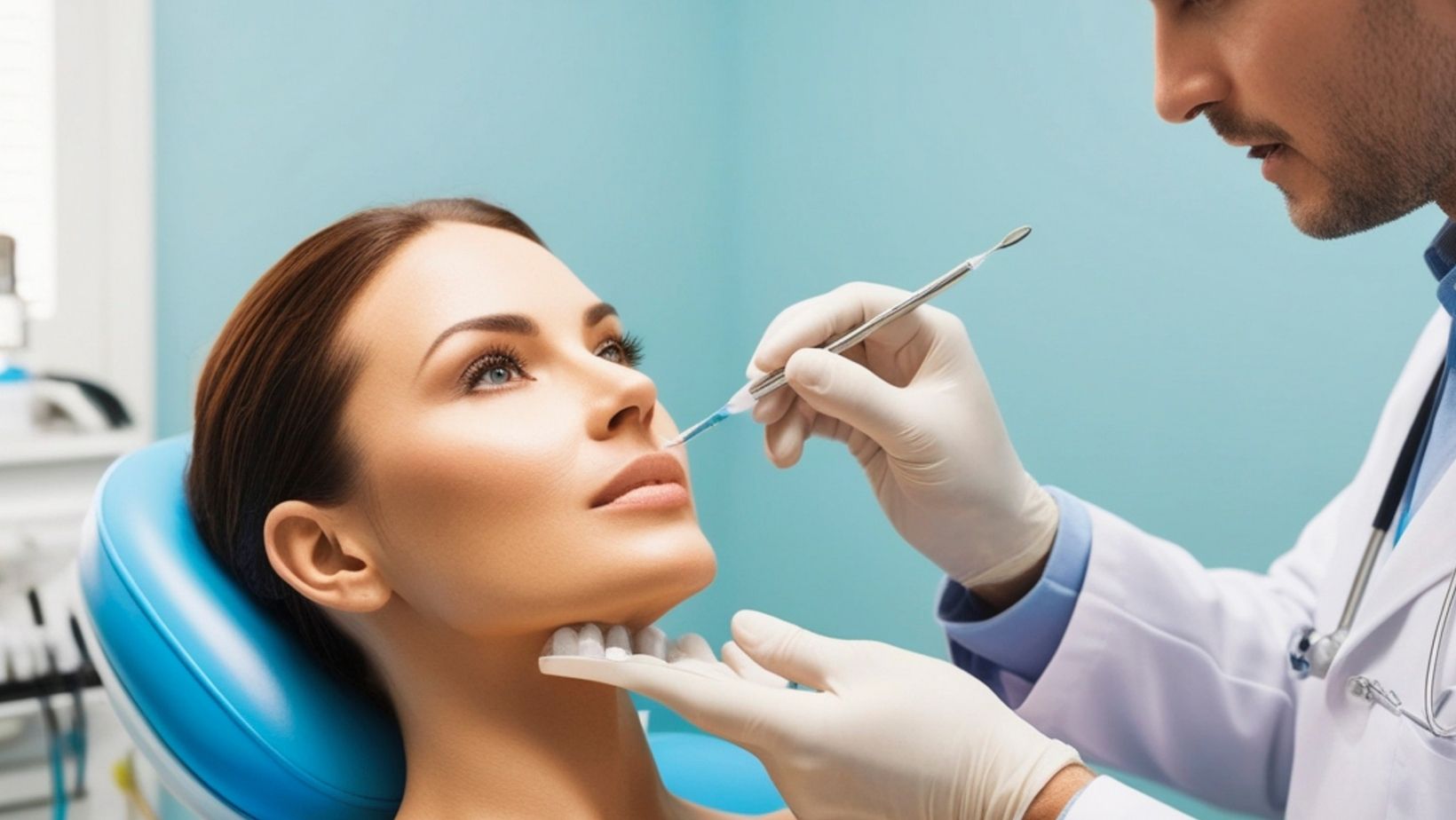
It starts with a price tag. Usually, one that looks a little too good to be true. You’re scrolling, looking for stock, and suddenly there’s a deal that makes your spreadsheet scream. But in the aesthetics world; a world where we are literally injecting substances into human faces; the “deal” is often a trap. We’ve moved into an era where the barrier to entry for selling medical supplies has dropped through the floor. Anyone with a laptop and a shipping connection can claim to be a distributor.
The reality? It’s messy. It is a market flooded with “grey” products, diverted goods, and outright fakes. Vetting your supplies isn’t just about ticking a box for compliance. It is about sleep. The kind of sleep you get when you know the product in your fridge won’t cause a delayed inflammatory response six months from now. We need to talk about why the supply chain is currently the most vulnerable part of a clinical practice. It is not just about the needle; it is about everything that happened to that needle before it hit your tray.
The Anatomy of a Red Flag
You know the feeling when a website feels “off.” Maybe the grammar is slightly skewed; maybe the contact page is just a generic form with no physical address. In the hunt for safe supplies, your gut is a powerful tool, but it needs data to back it up.
- The price disparity: If the market rate for a top-tier toxin is a certain amount and someone is offering it at 40% less; ask why. High-end manufacturers control their pricing strictly. Significant drops usually mean the product is nearing expiry, has been stored incorrectly, or didn’t come from the manufacturer at all.
- The packaging nuances: Counterfeiters have become artists. They match fonts. They match holograms. However, they often fail on the tactile feel of the box or the batch code placement.
- The shipping origin: If you are ordering a European brand but the tracking number originates from a hub known for loose regulations; be wary.
Safety is a long game. It is about building a fortress around your reputation. One bad batch can undo five years of patient trust. You have to be the gatekeeper.
The Cold Chain Crisis
Let’s get technical for a second. We talk a lot about what is inside the vial, but we don’t talk enough about how it got to you. Most aesthetic injectables are sensitive. They are chemical compositions that rely on stability. If a pallet of product sits on a hot tarmac in 30°C weather for six hours; that product is fundamentally altered. It might still look the same. The liquid is clear. The seal is intact. But the efficacy is gone; or worse; the molecular structure has shifted in a way that triggers an immune response.
This is where the “discount” suppliers cut corners. They use standard shipping instead of climate-controlled logistics. They skip the insulated packaging to save on weight. When you vet a supplier, you are actually vetting their logistics partners. You are asking for proof of cold chain integrity. If they can’t provide a log or a guarantee of temperature maintenance, they are gambling with your patients’ safety.
The Science of Volumizing Safely
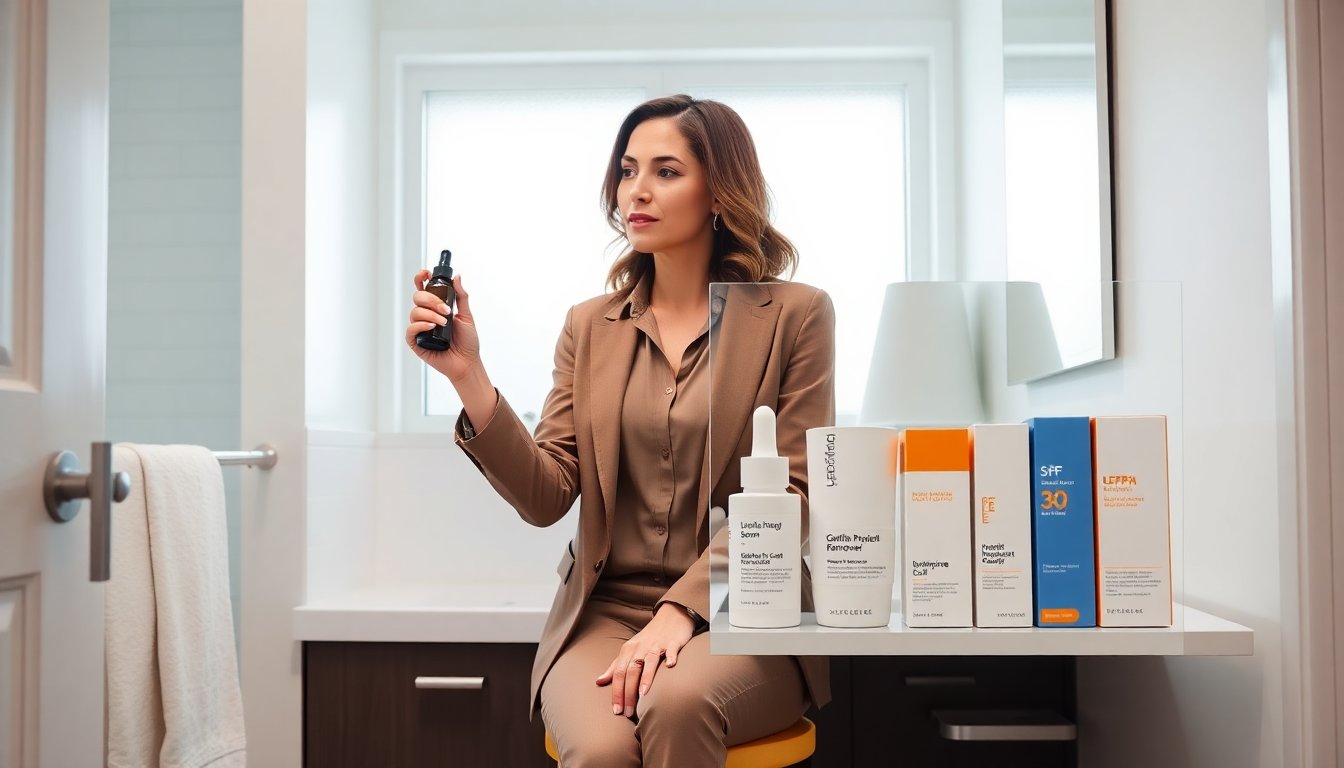
Choosing the right injectable materials requires a deep dive into the rheology of the substances. We aren’t just filling holes; we are placing a foreign body into dynamic tissue. The cross-linking technology used in modern gels determines how that product integrates with the host tissue over time. High-quality options provide a balance of G-prime, which is the firmness, and cohesivity, which is how well the gel sticks together. When you source professional dermal fillers for clinics, you are paying for the years of clinical trials that prove the substance won’t migrate or form granulomas.

The market is currently seeing an influx of non-approved gels that claim to have the same “feel” as the big brands. They use similar-sounding names. They use similar syringes. But the purification process of the hyaluronic acid is where the danger hides. Residual proteins from the fermentation process can cause late-onset nodules. A cheaper product often means a less rigorous purification cycle. You want a product that has a track record of disappearing predictably and safely, not one that stays in the tissue indefinitely because of poor manufacturing standards.
Verification as a Routine
We should treat every new delivery like a forensic investigation. It sounds paranoid; it actually is professional.
- Batch Tracking: Every single syringe should be logged. If a patient calls with an issue, you need to be able to trace that specific unit back to the invoice.
- Manufacturer Portals: Most major brands have portals where you can verify a distributor. If your supplier isn’t on that list; they are a secondary market seller.
- The “Vial Check”: Look for the graduation marks on the syringe. Look for the clarity of the gel. If there is any cloudiness or separation, it is an immediate discard.
The Legal and Ethical Gravity
We live in a litigious age. If a complication occurs; and they do, even with the best products; the first thing a legal team will look at is the pedigree of the product. If you bought your supplies from an unauthorized source to save a few dollars, your professional indemnity insurance might just walk away. They see it as a breach of protocol. You become personally liable for a product failure that wasn’t even your fault in the application phase.
Ethically, the burden is even heavier. Patients walk into a clinic with a level of vulnerability. They trust the person in the white coat to have done the homework. They assume the substances going into their skin are medical grade and legally sourced. To provide anything less is a betrayal of the fundamental “do no harm” principle. It is a shortcut that leads to a dead end.
The Future of Sourcing
The industry is moving toward more transparency. Blockchain tracking is starting to enter the medical supply space. Soon, we might be able to scan a box and see every stop it made from the factory floor to the clinic door. Until then, we are the filters. We are the ones who have to say no to the sketchy WhatsApp messages offering cheap Botox. We have to be willing to pay the premium for peace of mind.
Quality supplies are an investment in the longevity of a business. They are the foundation. Without a rock-solid supply chain, a clinic is just a house of cards waiting for one bad reaction to blow it all down. Focus on the partners who value safety as much as you do. Look for the ones who are transparent about their sourcing and rigorous with their standards. In the end, the most expensive product is the one that costs you your reputation.