
Recovery tends to feel unpredictable because the body does not respond in one fixed way. Some days call for stillness, while others benefit from gentle movement. What makes it complicated is how both rest and activity affect healing at the same time. Staying still for too long can slow certain internal processes, while too much movement can irritate healing tissue. The body constantly adjusts, reacting to what it receives in terms of motion, pressure, and time.
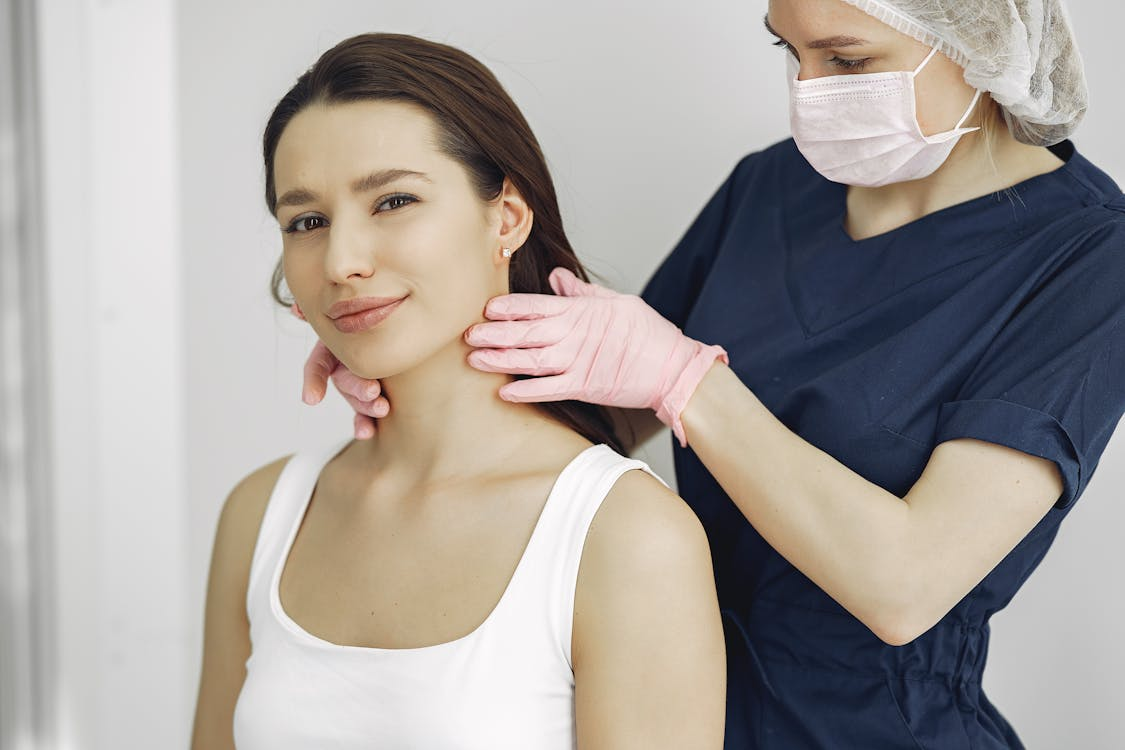
After neck surgery, for instance, the body cannot rely on natural movement patterns right away. Initial stages often require limited motion to protect delicate structures, yet complete stillness cannot continue for long without side effects. Small, guided movements start to re-enter the routine as healing progresses.
Recovery Timelines and Injury Type
Recovery timelines vary widely depending on what the body is healing from. A muscle strain may allow movement within days, while structural procedures require a slower, more measured approach. The type of tissue involved, the extent of disruption, and the location of the injury all shape how quickly the body can handle motion again. Some injuries respond well to early activity, while others need strict protection before any movement begins.
In cases involving more complex procedures, timing becomes a central factor in decision-making. For example, neck surgery recovery time often determines how movement is introduced and adjusted over weeks or months. Early movement may focus on very small, controlled actions rather than full mobility. This careful timing helps avoid setbacks while still allowing the body to maintain function in surrounding areas.
Controlled Movement and Joint Flexibility
Controlled movement plays a crucial role in keeping joints from becoming stiff during recovery. Without motion, joints can tighten, making it harder to regain normal range later. Gentle activity keeps tissues responsive without placing pressure on healing areas. This type of movement often starts with simple actions, such as guided stretches or slow positional changes that do not strain the injured region.
A shoulder recovering from limited use, for example, may regain flexibility faster with light guided motion compared to complete rest. The same idea applies across different parts of the body. Keeping joints engaged in a controlled way helps maintain function and prevents long-term restriction that could complicate recovery.
Circulation and Prolonged Rest
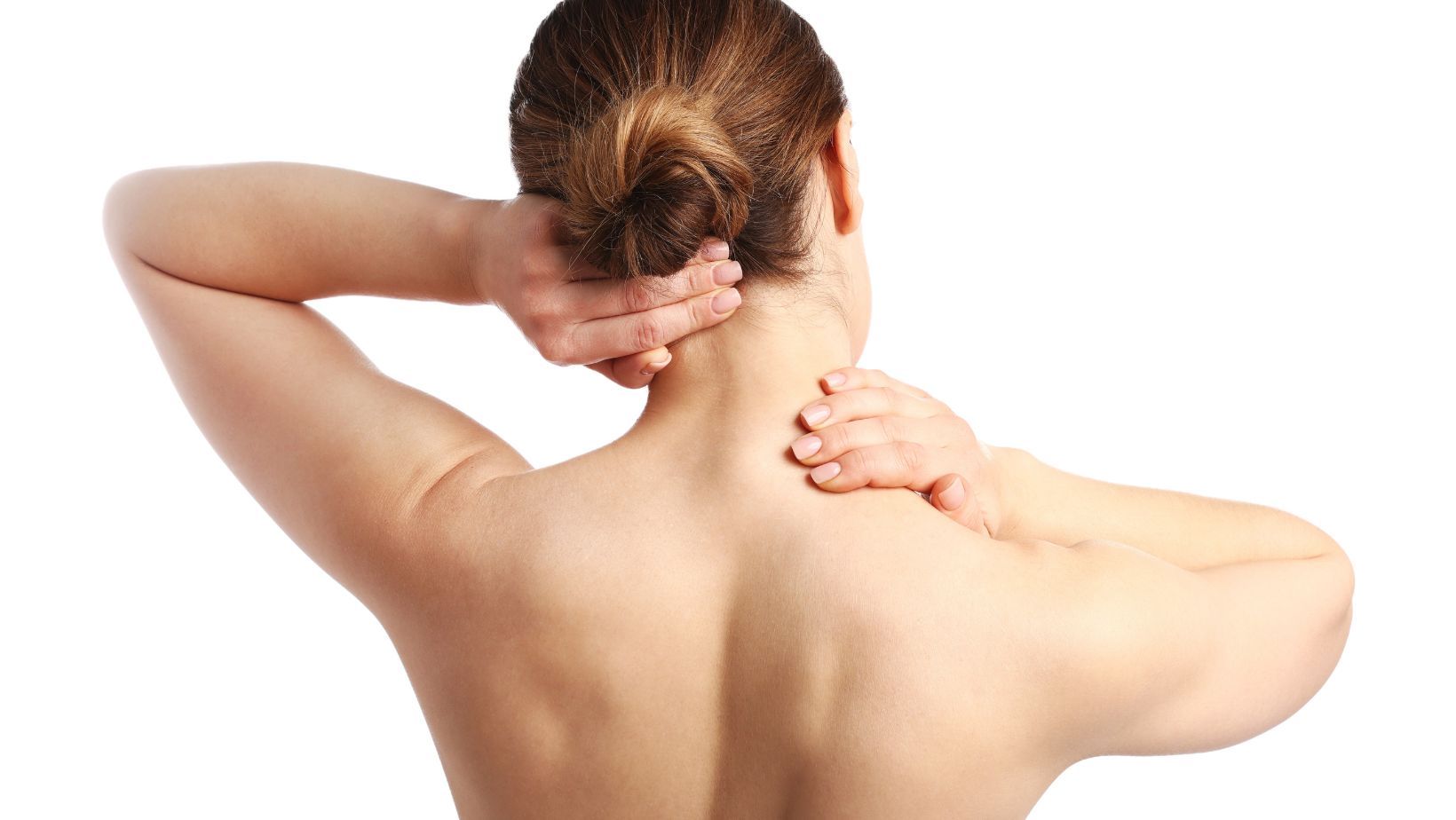
Rest is necessary, especially in the early stages, but extended stillness can affect how blood moves through the body. Circulation plays a major role in delivering oxygen and nutrients to healing tissues. If movement is reduced for long periods, that flow slows down, which can delay certain aspects of recovery. Areas around the injury may feel heavier or slower to respond due to reduced activity.
Light movement supports circulation without interfering with healing. Simple actions like repositioning, short walks, or guided exercises can help keep blood moving efficiently. This flow supports tissue repair and helps remove waste from injured areas.
Effects of Immobilization on Surrounding Muscles
Immobilization often protects the injured area, but it affects nearby muscles as well. Muscles that are not directly injured may weaken due to reduced use. For example, keeping the neck still after surgery can limit movement in the shoulders and upper back, causing those areas to lose strength over time. This creates additional work later, as recovery must address both the original injury and the effects of inactivity.
Gradual reintroduction of movement helps counter this effect. Even small actions involving nearby muscle groups can keep them active and responsive. Maintaining strength in surrounding areas supports overall recovery and reduces the strain placed on the injured region once movement increases.
Inflammation Response to Rest and Movement
Inflammation is part of the body’s natural response to injury, and both rest and movement influence how it behaves. Complete rest can help reduce irritation in the early stages, giving the body time to stabilize the affected area. This phase often involves limiting motion to prevent additional stress on sensitive tissues.
As recovery progresses, light movement can help manage how inflammation settles. Gentle activity encourages fluid movement and prevents buildup that can lead to stiffness or discomfort. The goal is not to eliminate inflammation, but to guide how it develops over time.
Pain Perception and Activity Levels
Pain does not stay constant during recovery. It changes depending on how the body is used. Long periods of stillness often increase stiffness, which can make discomfort feel sharper once movement begins again. A person may feel relatively fine while resting, then notice tightness or aching when trying to move after sitting or lying down for too long. This reaction comes from joints and muscles losing their readiness to move smoothly.
Light activity can change that experience. Gentle movement helps reduce stiffness and allows the body to adjust gradually instead of reacting all at once. For example, someone recovering from a back injury may feel less discomfort after short, repeated walks compared to staying still for hours.
Rebuilding Coordination and Balance
Coordination often takes a hit during recovery, especially after periods of limited movement. The body relies on repeated motion to stay accurate and controlled. When that motion stops, even simple actions can feel unfamiliar. Standing, turning, or reaching may require more effort because the body is no longer responding automatically.
Gradual movement helps rebuild that control. Small, repeated actions retrain muscles to work together again. For example, someone recovering from a leg injury may begin with basic weight shifts before returning to normal walking. Each step brings back timing and balance.
Nervous System Adaptation
During periods of inactivity, communication between the brain and muscles becomes less active. Signals that once moved smoothly may feel delayed or less precise. This is why movements can feel awkward or uncertain after a period of rest.
Movement helps reactivate those pathways. Repeated actions strengthen the connection between the brain and the body, allowing movements to feel more natural again. For example, someone recovering from an arm injury may notice improved control after practicing simple tasks like lifting or reaching.
Sleep and Tissue Repair
Sleep supports the body in ways that movement cannot. During rest, the body focuses on internal repair, rebuilding tissues, and restoring energy. Deep sleep stages allow the body to carry out these processes more efficiently, especially after injury. Without enough quality sleep, recovery may feel slower and less consistent.
At the same time, the quality of rest matters just as much as the amount. Discomfort, stiffness, or poor positioning can interrupt sleep, which affects how well the body recovers. For example, someone dealing with joint pain may wake frequently, limiting the time spent in deeper stages of rest.
Recovery depends on how well the body balances rest with movement. Each phase requires a different approach, with stillness supporting repair and movement maintaining function. Paying attention to how the body responds helps guide that balance and supports a smoother return to normal activity.