
For many families, a Catholic funeral is far more than a farewell ceremony. It is a deeply symbolic and faith-centred ritual that reflects centuries of religious tradition and theological belief. Each part of the service — from prayers and readings to sacred music and final blessings — carries meaning intended to honour the deceased while offering comfort and hope to the living.
Understanding the meaning behind Catholic funeral traditions can help families appreciate the spiritual significance of the rituals and feel more connected to the ceremony itself. Rather than simply marking a moment of loss, Catholic funeral rites affirm the Church’s belief in eternal life and the promise of resurrection.
The Purpose of Catholic Funeral Rites
Catholic funeral rites are designed to achieve three key purposes: to pray for the soul of the deceased, to support grieving loved ones, and to proclaim the Christian belief in life after death.
The Catholic Church teaches that death is not the end of existence but a transition from earthly life to eternal life with God. Funeral rites reflect this belief by emphasising hope, mercy, and resurrection rather than focusing solely on mourning.
These rites allow family and friends to gather in prayer, remember the life of the person who has died, and entrust their soul to God’s care.
The Three Main Parts of a Catholic Funeral
Catholic funerals are typically structured into three distinct stages. Each stage represents a step in the spiritual journey of farewell.
The Vigil (Wake)
The vigil, sometimes called the wake or rosary service, usually takes place the evening before the funeral. It may be held at a church, funeral home, or family home. This gathering provides an opportunity for family and friends to pray together, share memories, and begin the grieving process in a supportive environment. The rosary is often prayed during the vigil, and readings from Scripture may also be included. While solemn, the vigil is also a time for reflection and storytelling, allowing loved ones to celebrate the life that has been lived.
The Funeral Mass
The Funeral Mass, also known as the Requiem Mass, is the central part of Catholic funeral rites. It is usually held in a Catholic church and follows the structure of the traditional Mass. Key elements of the Funeral Mass include:
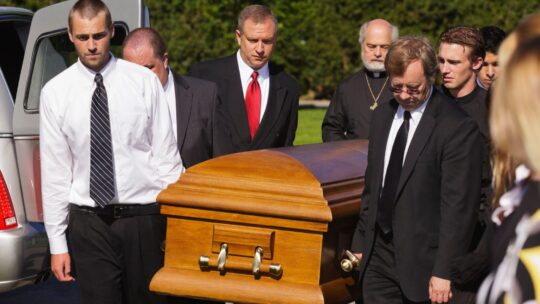
- Entrance Rite – The coffin is received at the church entrance and blessed with holy water, symbolising baptism.
- Liturgy of the Word – Scripture readings and a homily focus on themes of faith, hope, and resurrection.
- Liturgy of the Eucharist – The celebration of the Eucharist highlights Christ’s sacrifice and the promise of eternal life.
- Final Commendation – The priest entrusts the soul of the deceased to God, often accompanied by incense and prayer.
The Mass reminds mourners that Christ overcame death and that believers share in that promise of eternal life.
The Rite of Committal
The final stage of the funeral rites occurs at the cemetery or crematorium. This is known as the Rite of Committal. During this brief but meaningful service, the body is laid to rest and prayers are offered for the deceased. The priest blesses the burial place and asks God to welcome the soul into eternal peace. For families, this moment can be both emotional and healing, as it represents the final act of saying goodbye.
Symbolism in Catholic Funeral Rituals
Catholic funeral ceremonies include many symbolic elements that reflect core teachings of the faith.
- Holy Water: Holy water is often sprinkled on the coffin during the entrance rite. This symbolises the deceased person’s baptism and reminds mourners of the Christian belief that through baptism, believers share in Christ’s death and resurrection.
- Incense: Incense is used during the Final Commendation as a sign of respect for the body and as a symbol of prayers rising to heaven. It also reflects the sacred nature of the human body in Catholic teaching.
- The Paschal Candle: The Paschal candle is placed near the coffin during the funeral Mass. This candle represents Christ as the light of the world and serves as a reminder that death does not extinguish the light of faith.
- The Pall: A white cloth called a pall is often draped over the coffin. This symbolises the white garment given at baptism and represents equality before God, regardless of a person’s social or economic status.
Praying for the Soul of the Deceased
One of the most important aspects of Catholic funerals is prayer for the deceased. Catholics believe that prayer can help the soul on its journey toward eternal life. Mass intentions, rosaries, and memorial prayers are often offered for the person who has died.
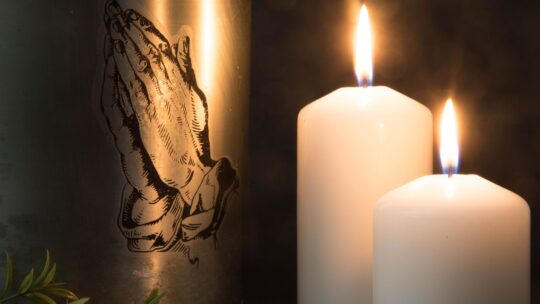
These acts of prayer reflect the Church’s teaching about the communion of saints — the spiritual connection between those living on earth and those who have passed on. For many families, continuing to pray for their loved one can provide comfort and a sense of ongoing connection.
Offering Comfort to the Living
While Catholic funeral rites focus on the spiritual journey of the deceased, they are also designed to support those who are grieving. The structure of the service, the familiar prayers, and the presence of a faith community all help create a sense of unity and shared support. By gathering together in prayer, families and friends are reminded that they are not alone in their grief. The message of resurrection also offers hope, reinforcing the belief that death is not the final chapter of a person’s story.
Honouring Tradition While Celebrating a Life
Although Catholic funerals follow established traditions, there is still room for personal touches. Families can often select readings, music, and prayers that reflect the personality and faith journey of their loved one. These elements allow the ceremony to honour both religious tradition and the unique life being remembered. Balancing sacred ritual with personal reflection can make the service especially meaningful for those in attendance.
A Ceremony Rooted in Faith and Hope
Catholic funeral rites carry centuries of spiritual meaning. Through prayer, Scripture, and sacred symbols, they offer a framework for mourning that is grounded in faith, compassion, and hope. For families navigating loss, these rituals provide both structure and reassurance. They affirm that while death brings sorrow, it also opens the door to eternal life — a belief that sits at the very heart of the Catholic faith.
By understanding the deeper meaning behind these rites, families can experience the funeral not just as a farewell, but as a powerful expression of faith, remembrance, and enduring love.