
Cleaning at home rarely goes the way you expect. One surface reacts fine, another – same method, same cloth – gets ruined. That’s where most frustration comes from: not the dirt itself, but the mismatch between material and approach. After a few failed attempts with grease and stains, you start to understand why professional cleaning services in Chicago are still in demand. Let’s break it down by real situations.
Kitchen (grease that settled in)
Fresh splashes are easy. But once grease sits for weeks, it changes – becomes sticky, darker, almost like a thin film you can feel with your fingers.
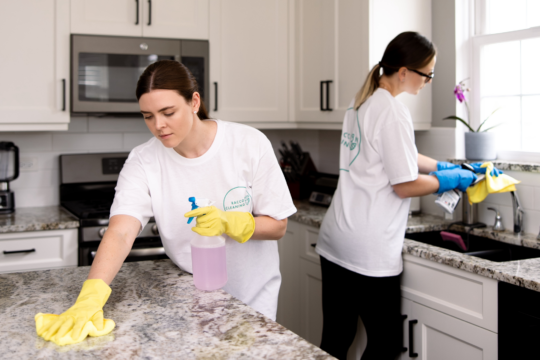
Matte cabinets suffer the most. They don’t reflect light, so every stain stands out. And worse – if you scrub too hard, you polish the spot. It starts shining. Best way here is slow cleaning: warm water, a bit of dish soap, microfiber cloth. Apply – leave it for a minute – then wipe. Not instantly. That pause matters.
If the layer is old, slightly acidic mix helps: a bit of vinegar diluted in water. But keep it light – too much acid dulls the finish.
Range hood is a different story. Metal tolerates stronger cleaners, but only if you don’t let them dry on the surface. Spray, wipe, rinse – always rinse. Otherwise you’ll see streaks later.
Soft furniture (where mistakes multiply)
With fabric, the biggest problem is not the stain itself – it’s how people react. Rubbing pushes liquid deeper. You don’t see it immediately, but later it spreads. So first step – always remove excess liquid. Blot, press, repeat. Only after that – cleaning.
Wine stains behave differently depending on timing. Fresh ones respond to simple methods – even sparkling water can lift pigment. Old ones – require more effort and sometimes won’t fully disappear.
Coffee leaves a dull, brown trace. Needs patience more than strong chemicals. Several light passes work better than one aggressive attempt.
And at some point, when stains go deeper than expected, you start thinking about options like carpet cleaning in Elk Grove Village – not as a first step, but as a fallback when fabric stops responding to simple methods. And too much water is a hidden problem – it creates edges, those visible rings after drying.
Wood (looks tough, acts delicate)
Wood tables collect those classic white circles. Not dirt – moisture trapped inside the finish layer. Instead of trying to “wash” it – use heat. Hairdryer, low setting. Move it constantly. The idea is to release moisture, not to dry the wood itself. If the mark stays – gentle polishing works. A tiny bit of toothpaste or soda paste, soft cloth, circular motion. No pressure. After that, the surface often looks uneven – dry in that spot. A drop of oil or wax fixes it. Water is the main enemy here. Even clean water can leave marks if you overdo it.
Bathroom (deposits that don’t look serious, but are)
Limescale builds slowly. At first it’s just a cloudy line. Later – rough, almost crusty. Many people try to scrape it. That’s the fastest way to damage chrome. Better approach – dissolve, not remove by force. Citric acid or vinegar works, but only if used carefully. Cloth, not direct pouring. Short contact, then rinse well. If you leave acid too long – the shine fades.
Rust is trickier. Light spots can sometimes be reduced with soda paste. Deep rust – no cleaning will fully fix it. That’s already damage, not dirt.
Markers, slime, plasticine (small mess, big headache)
Markers are manageable, but only if you pick the right solvent. Alcohol helps, but not every fabric tolerates it. Always test. Slime sticks deep into fibers. Pulling it off quickly only spreads it. Better to break its structure first – a small amount of vinegar helps. Then remove step by step, not all at once. Plasticine is easier if you wait. Fresh – it smears. Dry – it crumbles. Brush it off, vacuum, then clean what’s left.
Pet stains (not just visible, but persistent)
The issue here is not the spot – it’s the smell that stays even after cleaning. Regular products don’t remove it. They just mask it for a while.
That’s why enzyme cleaners exist. They don’t cover the odor – they break down the compounds causing it. Application matters: soak the affected area slightly, give it time, then remove excess. Rushing this step makes it useless.
Hot water should be avoided – it fixes the stain deeper into the fabric.
What usually goes wrong
People tend to:
– use too much product
– mix different cleaners hoping for a stronger effect
– scrub harder instead of waiting
– ignore what the surface is actually made of
And that’s where damage happens.
Cleaning is less about strength and more about control. A bit of time, the right approach – and even difficult messes become manageable.
And still, there are situations where no amount of trial and error feels right – which is exactly why people sometimes turn to cleaning services in Elk Grove Village instead of risking the material altogether.