

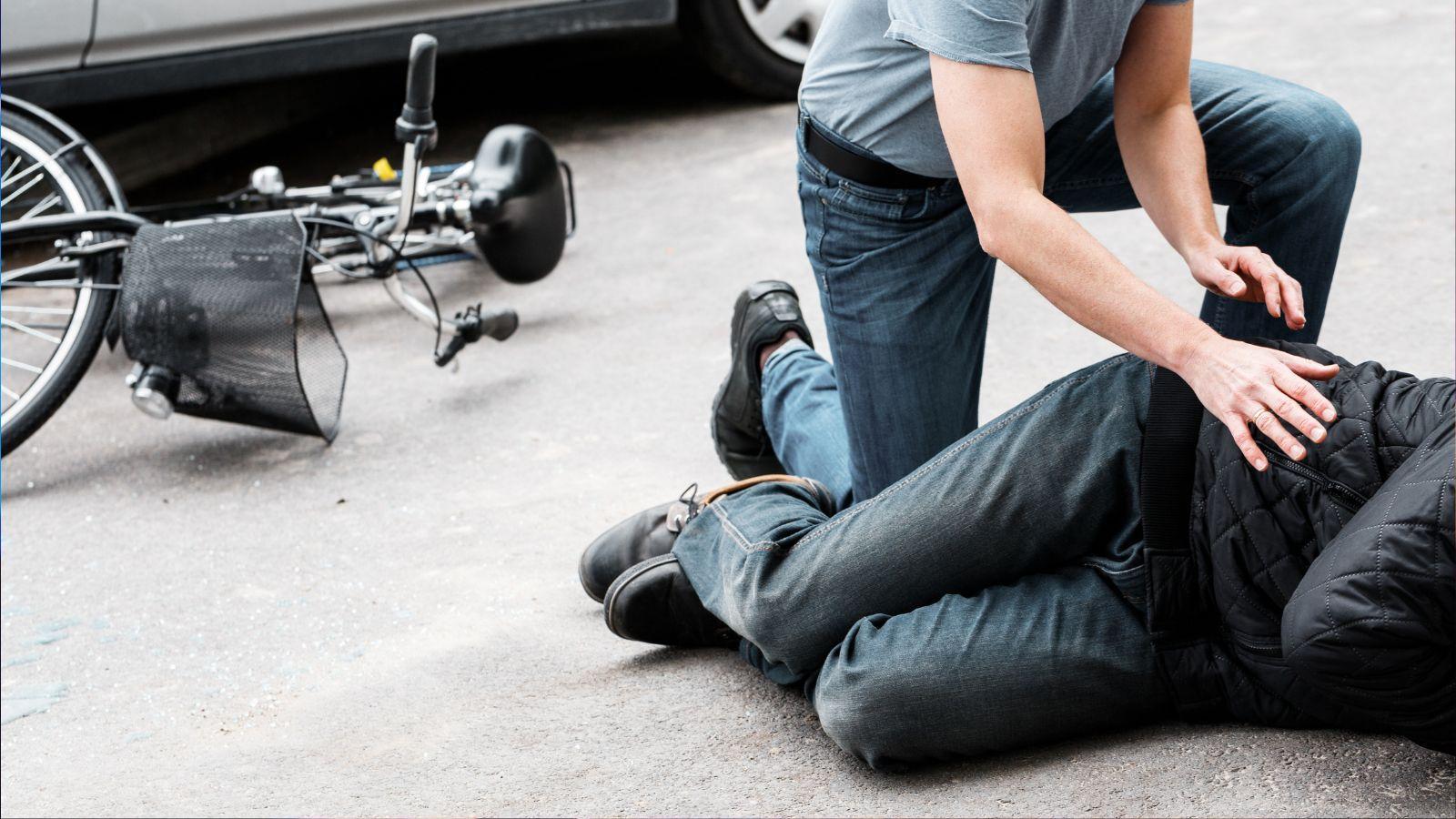
Pedestrian deaths in the United States reached a 40-year high in 2022, and while numbers have begun to decline — 7,148 pedestrians were killed in 2024, down about 4% from the prior year — that figure still represents more people than can fill thirty Boeing 737 jets.
For every person killed, many more survive with injuries ranging from painful to permanently disabling, and the process of surviving, medically and legally, tends to be far longer and more complicated than anyone anticipates at the outset.
The Body Takes the Hit Twice
What separates pedestrian injuries from most other collision injuries is the mechanics of how they occur. A vehicle typically hits a pedestrian at bumper height first, fracturing the lower legs and pelvis, before the body rotates and hits the hood, windshield, or pavement. Two separate impacts, each capable of causing catastrophic harm on its own, often occurring within fractions of a second.
The most severe consequences tend to involve the head. Traumatic brain injuries are among the most common serious outcomes of pedestrian accidents, occurring when the force of impact — from the vehicle, the pavement, or both — damages the brain.
A mild TBI, meaning a concussion, can involve persistent headaches, cognitive fog, and light sensitivity lasting weeks or months. A moderate or severe TBI can cause lasting cognitive impairment, memory loss, emotional dysregulation, and in the worst cases, a complete change in personality and function.
Spinal injuries deserve equal attention. The rotational forces generated when a pedestrian is struck can herniate discs, fracture vertebrae, and in the most serious cases, damage the spinal cord itself, resulting in partial or complete paralysis. These require immediate surgical stabilization, followed by months or years of rehabilitation, and permanent adaptation to a new physical reality.
Fractures Across the Spectrum
Broken bones are among the most common pedestrian injuries, and the range of severity is wide. Arm, rib, and collarbone fractures frequently occur when a person is thrown to the ground or attempts to brace for impact. These are painful and disruptive, often requiring immobilization and physical therapy for weeks, but they sit at the more manageable end of the spectrum.
Femur and tibia fractures are a different matter. These large bones break only under enormous force, and when they do, they may shatter in multiple places or become displaced in ways that require surgical intervention — metal rods, plates, and screws installed inside the leg. Recovery is measured in months, not weeks, and full mobility is not always regained. For elderly pedestrians in particular, these injuries can mark the beginning of a permanent decline in physical independence that no amount of rehabilitation fully reverses.
Pelvic fractures occupy their own grim category. The pelvis is the structural anchor of the lower body, and fractures there tend to require prolonged bed rest, surgery, and extensive rehabilitation, often followed by chronic pain syndromes that persist long after the bones themselves have healed. Research from the Insurance Institute for Highway Safety identifies serious head, pelvis, and leg injuries as the most common severe outcomes in pedestrian-vehicle collisions.
The Injuries That Don’t Announce Themselves
Internal injuries present a particular danger because they frequently don’t declare themselves at the scene. A person struck by a car may appear relatively intact in the immediate aftermath, only to deteriorate over the following hours as internal bleeding from organ damage worsens. The liver, spleen, and kidneys are all vulnerable. A ruptured spleen, for instance, can cause rapid blood loss that becomes fatal without surgical intervention, and the initial absence of visible injury does nothing to slow that process.
Adrenaline is a remarkably effective short-term analgesic, which is part of why “I felt fine at the scene” is one of the more dangerous things a pedestrian accident victim can say. The masking effect wears off, and what it leaves behind can require emergency surgery, ICU admission, and a recovery measured in weeks rather than days.
Pain, Suffering, and the Long Tail
The physical recovery from serious pedestrian injuries is often prolonged and painful in ways that resist easy description. Multiple surgeries, physical therapy sessions that are grueling by design, relearning basic movements, and chronic pain that settles into joints and nerves without any particular interest in leaving.
Post-traumatic stress disorder develops in a significant portion of pedestrian accident survivors. Symptoms include intrusive memories of the collision, hypervigilance around traffic, nightmares, and persistent anxiety about activities that once required no conscious thought — crossing an intersection, hearing a car horn nearby, standing at a curb. Research has documented that PTSD after traumatic injury is associated with worse pain outcomes at twelve months, creating a feedback loop in which psychological distress amplifies physical suffering and physical suffering sustains psychological distress.
Daily life can be changed forever, not only the obvious losses — the ability to work, to move without pain, to sleep through the night — but the quieter ones: walking to get coffee, going to the grocery store unassisted, and crossing the street. These losses are real, they are compensable under the law, and they tend to be undervalued by anyone who hasn’t experienced them.