
Most families do not buy furniture. They accumulate it. A bookshelf from a big box store. A table that arrived flat packed with twelve screws missing. A dresser that wobbles even before the first toddler uses it as a climbing wall. These pieces are built to look good in product photos, not to survive real households.
The gap between how families live and how most furniture is built is obvious the moment a drawer sticks, a leg loosens or the finish starts peeling under normal use. Fast furniture was engineered for price point convenience. Not longevity. Not strength. Not the chaotic physics of a house with children, pets and a schedule that never settles.
This is where solid wood furniture keeps proving a point the industry should have learned decades ago. Durability is not a luxury. It is the only feature that matters once life starts happening around the furniture and not politely beside it.
Solid Wood Furniture Is One of the Few Materials That Can Withstand the Constant Movement of a Real Household
Most furniture on the mass market is evaluated under conditions that bear little resemblance to the way families actually live. Manufacturers test pieces in controlled environments with moderate use, predictable temperatures and no surprise impacts. Once those same pieces enter a home with children, pets and the accumulated chaos of everyday activity, their structural weaknesses reveal themselves almost instantly.
Fast furniture fails because it was engineered for showrooms rather than lived environments. Solid wood succeeds because it was engineered for reality.
Families Do Not Need Decorative Furniture
They need structural furniture.
Decorative furniture looks impressive until someone actually tries to use it. A coffee table built from hollow materials will not survive a single year of toys, board games, snack bowls and the occasional accidental kick. Chairs that feel sturdy in a showroom lose stability the second they encounter uneven floors or real weight distribution.
Solid wood avoids these problems because it is engineered for function before aesthetics. Weight matters. Density matters. Joinery matters. These things are invisible in lifestyle photography but very obvious when you sit on a chair that does not creak and open a drawer that does not catch.
Fast Furniture Is Designed To Be Disposable
Families are not.
The fast furniture industry relies on a simple economic loop. Sell cheaply made pieces. Expect them to break. Sell replacements. Repeat.
This model works for people who move frequently, live lightly and do not stress test their living spaces. It does not work for households where furniture becomes a workspace, a play space, a dining surface and sometimes a temporary gymnastics mat.
The lifecycle of fast furniture is short because it was never meant to be durable. It was meant to be replaced.
Solid wood reverses the logic. It is meant to be kept, used, repaired and passed down. It treats furniture as infrastructure instead of decor.
Kids Redefine What “Durable” Means
Parents learn quickly that durability is not theoretical. It is measured in dropped toys, spilled juice, impromptu art projects and the occasional mystery scratch no one wants to claim. Most furniture is not built to withstand this level of reality.
Solid wood is.
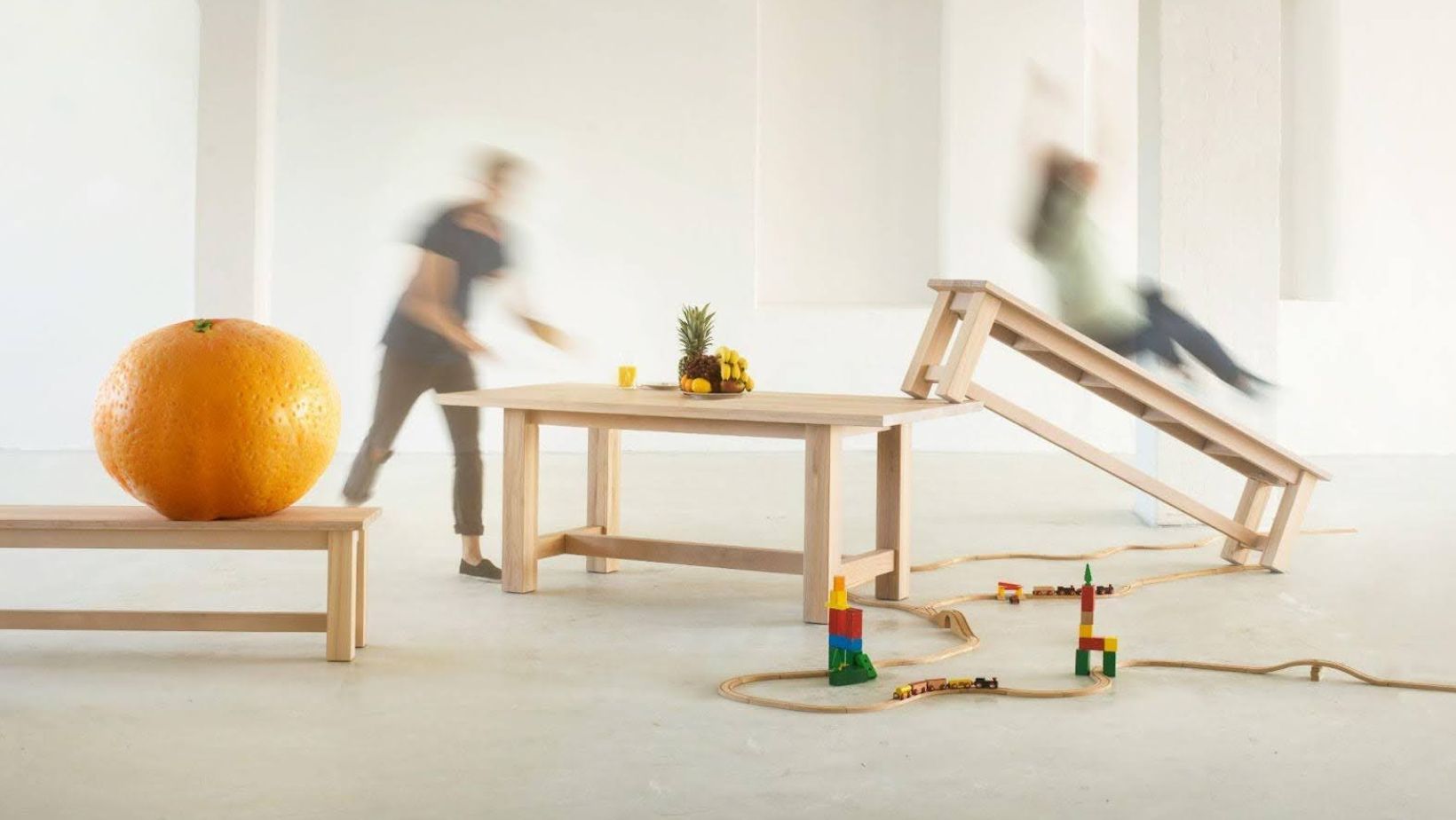
A heavy table does not slide when a toddler leans on it. Hardwood chairs do not collapse under stress. A real wood dresser can handle being shoved, repurposed and reloaded repeatedly over the course of years. Surface wear becomes character instead of a sign of impending failure.
This is why the switch to genuine wood furniture happens quietly in so many households. People do not choose it for style. They choose it when everything else breaks.
A Good Piece of Furniture Is Not Fragile
It is engineered.
Solid wood pieces do not rely on glue-filled joints or thin veneers pretending to be structural. They rely on joinery methods that distribute weight and tolerate movement. Wood responds to changes in temperature and humidity, but well built furniture accommodates this naturally.
Even the finishes differ. Solid wood tolerates sanding and refinishing. Composite materials deteriorate the moment you try to repair them.
The long term value is not only in longevity but in recoverability. Real wood can be restored. Fast furniture cannot.
Why Families Keep Looking for “The One Piece That Will Finally Last”
Because durability in the mainstream market is inconsistent at best. Most stores offer furniture that is fashionable but fragile. Families keep hoping the next purchase will be the one that holds up, only to repeat the cycle.
A manufacturer focused on real materials and long term use, like Woodcraft’s solid furniture, creates pieces that do not rely on optimistic usage. They assume life will be messy. They build accordingly. The difference is visible in weight, finish, structure and the way the furniture behaves when the household is at full speed.
Solid Wood Furniture Ages With the Family
Not against it.
Fast furniture looks its best on the day it arrives. Solid wood looks better ten years later. The material deepens, the grain becomes richer and the wear tells a story instead of signalling deterioration.
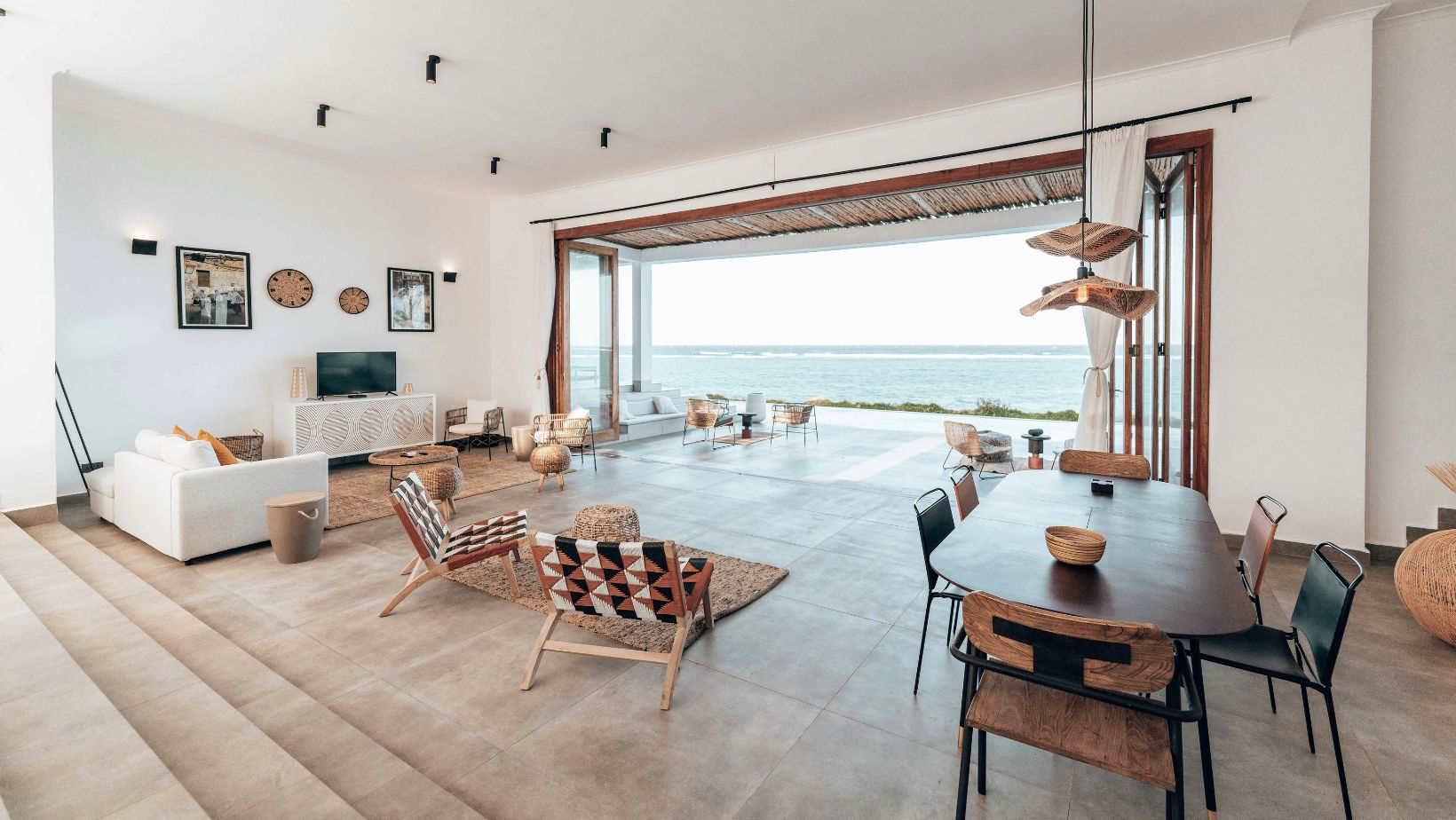
Families often treat furniture as disposable because the industry has conditioned them to expect failure. Solid wood shifts the expectation entirely. It becomes something the home grows around, not something that is swapped out when the next trend hits.
Cheap Furniture Becomes Expensive the Longer You Own It
Families often hesitate to purchase solid wood furniture because the upfront cost appears high, but this view collapses the moment you compare the lifespan and performance of real wood to the recurring expenses of low quality pieces. The price of fast furniture hides itself in the ongoing cycle of tightening screws, repairing broken tracks, replacing cracked panels and eventually discarding items that deteriorate faster than the household itself.
A flimsy dresser that requires constant readjustment, a table that scratches if someone places a book down too firmly or a chair that begins to wobble after a handful of meals all share one trait. They create an endless stream of small inconveniences that drain time, attention and money. Every repair is minor, yet each one reminds families that the furniture was never built to last.
The Real Value of Solid Wood Furniture
Not status. Not aesthetics. Not tradition.
It is the simple fact that durable things reduce stress. A table that will not collapse. A chair that will not loosen. A dresser that does not buckle under real life conditions. Furniture that performs its role without drama.
Homes with kids need reliability, not decoration.
Solid wood delivers that in a way fast furniture has never managed to replicate.