
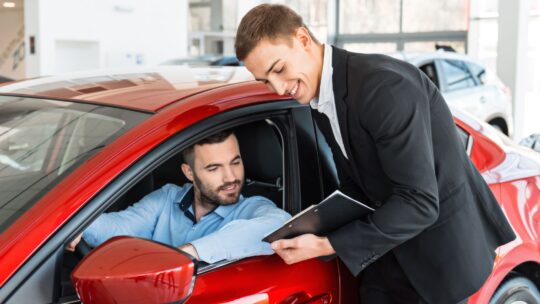
Selling your car privately can often be more profitable than trading it in at a dealership. But private sales do come with their own challenges. After you’ve made the decision to sell privately, you may end up dealing with a variety of buyers – some genuine and others not so much. The inquisitive buyer knocking at your door could be an outright scammer. How can you spot who’s authentic and who isn’t?
Understanding the Digital World
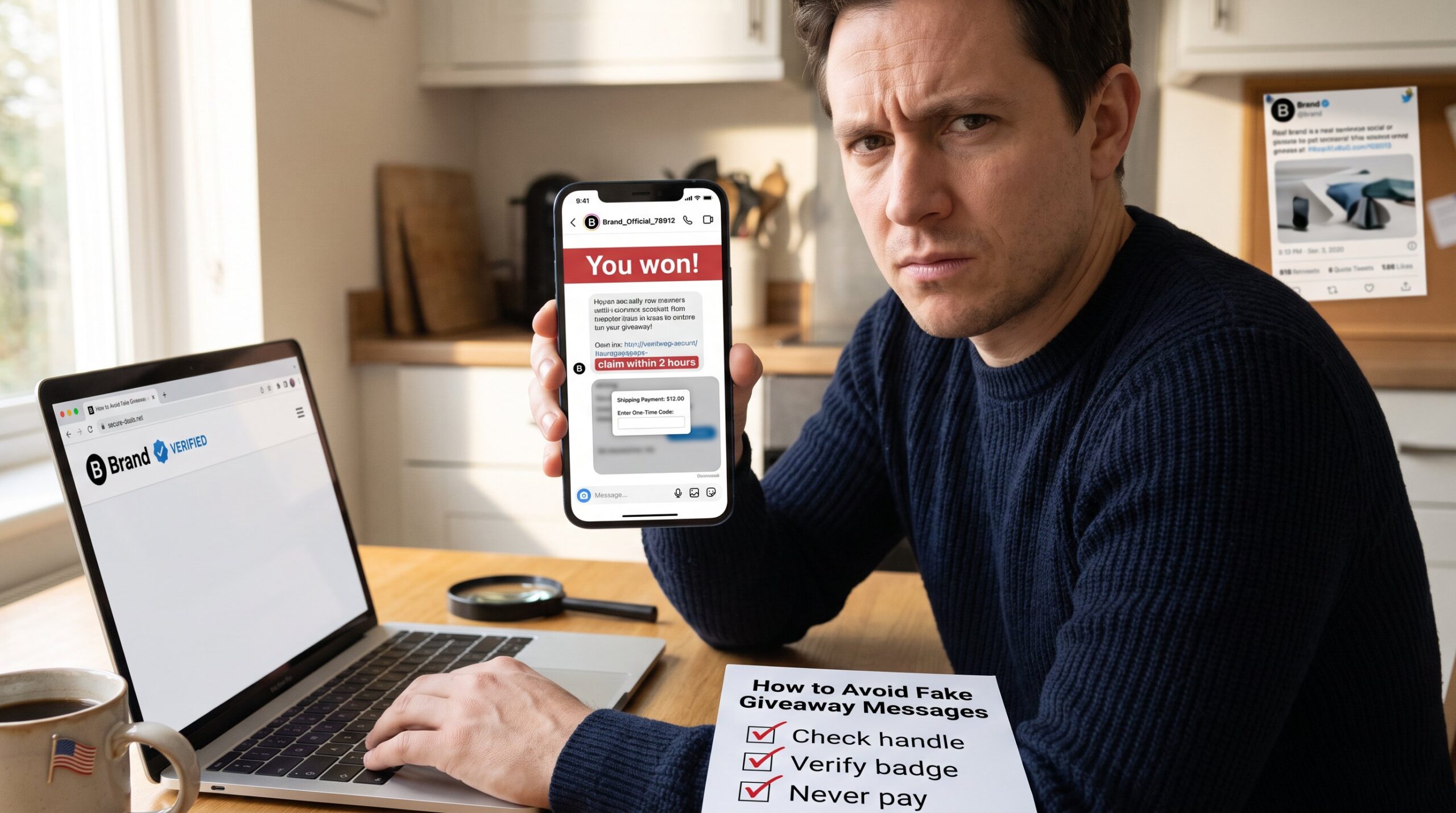
While you can sell a car online easily, putting your vehicle online opens it up to a broader audience. Most of the potential buyers you bring in from an online listing will be genuine, but some may not have such pure intentions. The flexibility and convenience the web provides are a huge advantage, but it also opens up a Pandora’s box of fraud and scams. If you’re not sure how to spot a fake or fraudulent online buyer, here are some red flags to watch out for:
- Pressuring you to sell fast
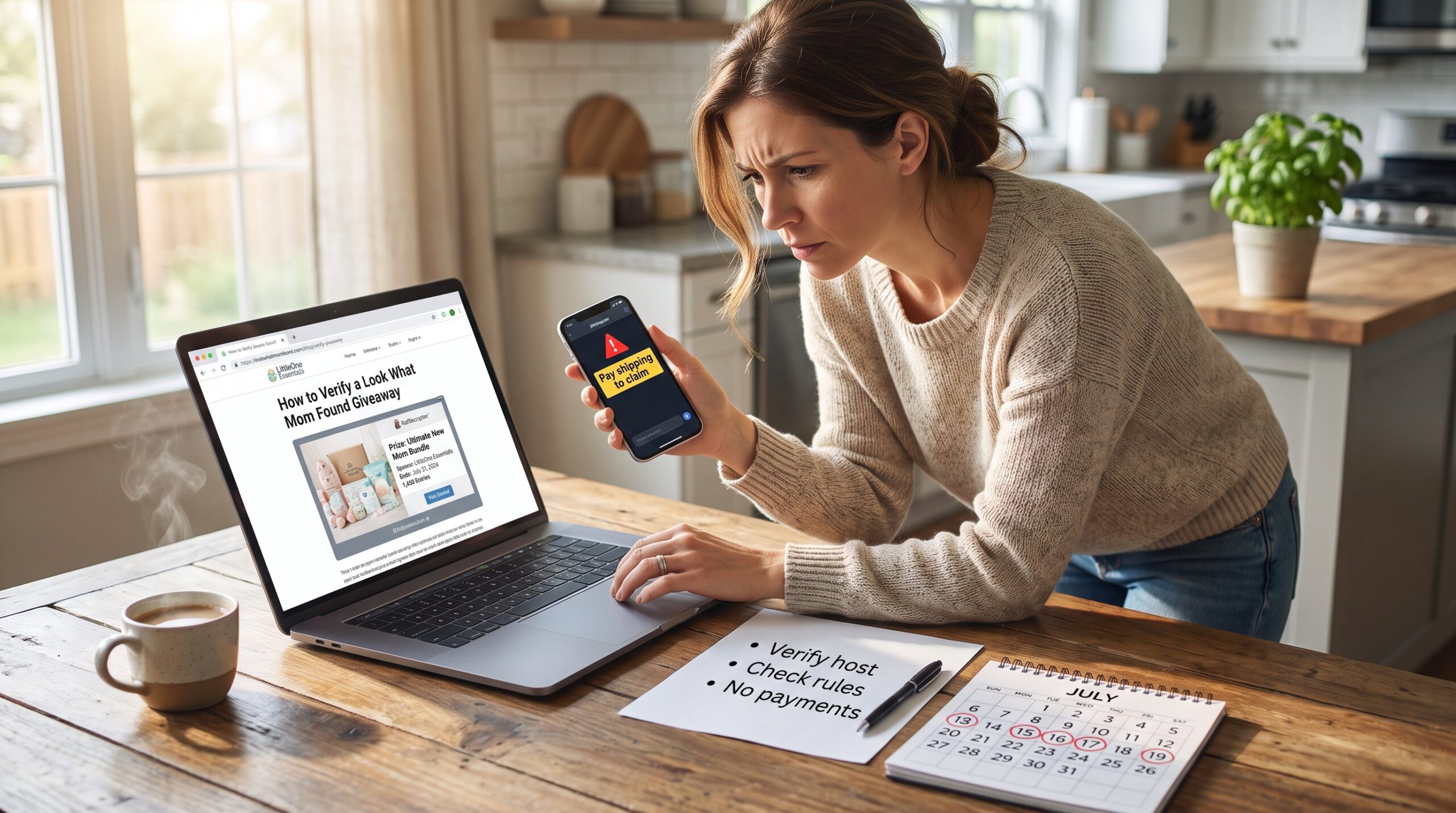
- Unusual payment terms (often involving gift cards or strange transfers before payment can be released)
- Overpayment, then asking you to refund the difference
- Refusal to see the car in person
Fake Escrow Services
Scammers often use sophisticated tactics to swindle unsuspecting victims. A popular one is using fake escrow services. Typically, a scammer will suggest using an escrow account to safeguard both parties. The money will be kept in the account and released once the car is delivered, giving the false perception of a secure deal. To outsmart this, make sure you double-check the URL and its legitimacy before using escrow services.
Bogus Payment
Another trick is counterfeit payment in the form of fraudulent cheques or money orders. The old adage that ‘if it’s too good to be true, it probably is’ applies here. Any overpayments, especially with requests for refunds, are a clear red flag. It’s best to accept cash as payment or use a secure payment platform. Be skeptical of any attempt to rush the payment process.
Protecting Personal Information
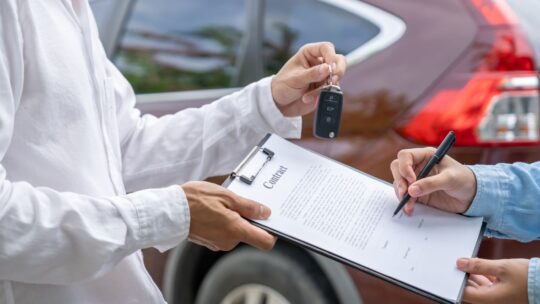
Scammers are crafty and will often appear genuine in an attempt to acquire personal information. They may feign interest in purchasing your car, but their ultimate aim is to get your bank details or other personal information for nefarious activities. Guard your personal information and do not give out more than necessary. When completing the title transfer, only provide the required details and avoid sharing personal identification information.
Overseas Purchasers Scam
This tactic often involves an overseas buyer showing interest in your vehicle and offering a significantly higher price. The catch? They are unable to view the car or meet you in person and suggest paying via a money transfer service – a notoriously scam-friendly payment method. Another sign of this scam is their eagerness to wrap up the transaction quickly. Regardless of how appealing the offer may be, avoid such deals to protect yourself from financial loss.
Conclusion
Selling your car privately can lead to a more rewarding financial outcome. However, it’s always important to remain vigilant and avoid falling prey to fraudulent schemes. Among all of the nice people who are genuinely interested in buying your family car, you may be unlucky and attract some scammers. Always verify the authenticity of the buyer and any third-party services used in the transaction. Be cautious with communication and, most importantly, trust your instincts. If anything seems off, step back and reassess.