
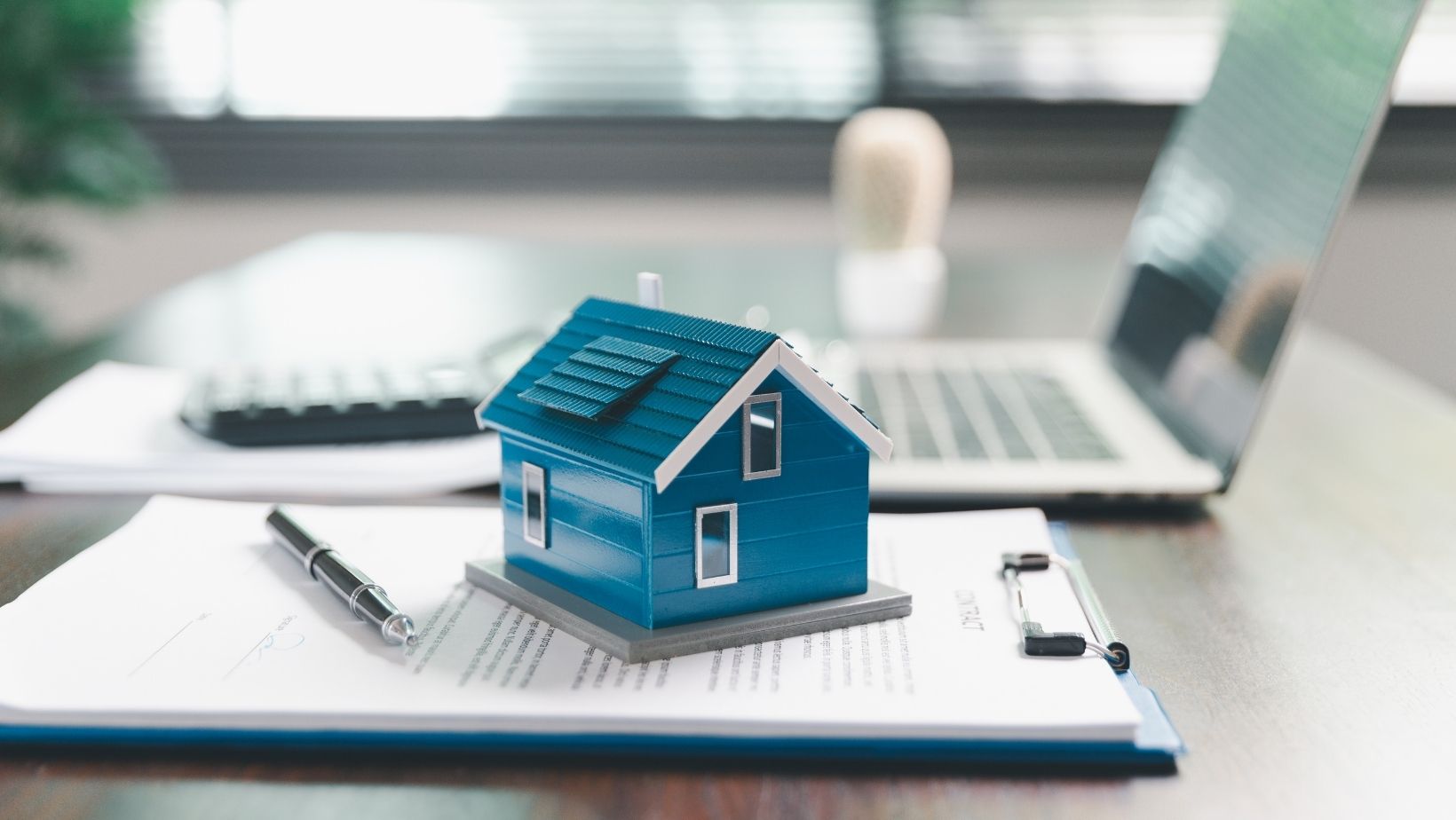
Buying your first rental property feels like crossing a finish line. You’ve hunted for the right deal, secured financing, and finally closed. But seasoned investors know that closing day is actually the starting line. The real work comes from how effectively you manage the numbers moving forward.
Most beginners focus heavily on income. It’s easy to get excited about the rent checks hitting your bank account every month. However, the difference between a profitable asset and a money pit usually comes down to how well you understand and manage your expenses.
The Obvious Costs vs. The Silent Killers
When you run your initial numbers, you probably account for the “big three”: the mortgage, property taxes, and insurance. These are fixed, predictable, and impossible to ignore. But if your budget stops there, your cash flow projections are likely a fantasy.
The silent killers of rental profitability are the variable expenses. Maintenance is the most common culprit. A rule of thumb is to set aside 10% to 15% of the rent for repairs, but this varies wildly depending on the age and condition of the property. A brand-new build might cost you almost nothing in the first year, while a charming 1920s bungalow could demand a new water heater and roof repairs in the same month.
Vacancy is another cost that new investors often underestimate. It isn’t just about lost rent; it’s about the cost of turnover like cleaning, marketing, and screening new tenants. Even in a hot market, assuming 100% occupancy is a dangerous gamble. Budgeting for an 8% vacancy rate (about one month per year) provides a safety net that keeps you solvent when a tenant moves out unexpectedly.
Capital Expenditures: The Long Game
There is a distinct difference between repairs and Capital Expenditures (CapEx). A repair fixes a broken toilet; CapEx replaces the roof or the HVAC system. These are big-ticket items that don’t happen often, but when they do, they are expensive.
Smart investors treat CapEx like a monthly bill. Even if the roof has ten years of life left, you should be “paying” for its replacement every month by setting aside reserves. If you don’t, you might find yourself scrambling for $15,000 in cash five years down the road, which can wipe out years of accumulated cash flow.
The Tax Advantage: Expenses on Paper
This is where the conversation shifts from “money going out” to “money staying in.” Not all expenses involve writing a check. Some are purely accounting entries that lower your taxable income, effectively putting cash back in your pocket.

Depreciation is the most powerful tool in this category. The IRS acknowledges that buildings wear out over time, so they allow you to deduct a portion of the property’s value each year. For a standard residential property, this is typically spread over 27.5 years.
However, advanced strategies can accelerate this timeline. If you want to dive deeper into how reclassifying parts of your building can lead to massive upfront deductions, you should start here. This concept, known as cost segregation, allows you to depreciate items like flooring, lighting, and site improvements much faster which will drastically reduce your tax bill at the same time.
Operational Efficiency
Many first-time investors try to self-manage to save the 8-10% property management fee. While this can work for a single unit, it often leads to burnout.
Ask yourself what your hourly rate is worth. If you are leaving your day job to unclog a drain or chase down late rent, you might be “saving” money but losing value. Professional management is an expense, yes, but it is also an investment in your freedom and scalability.
Mastering rental property expenses isn’t just about keeping a tight budget; it’s about understanding the lifecycle of your asset. By anticipating the silent costs, planning for big-ticket items, and leveraging tax advantages, you turn a simple rental house into a sophisticated wealth-building machine.