
Starting your baby on solids is exciting and nerve-wracking. When it comes to solids, lots of parents ask when to introduce solids and how to know if the baby is really ready. During long days of feeding, soothing and carrying your baby close in a newborn carrier, questions about timing, safety and nutrition might have popped up a lot.
In this article, you’ll get clear answers about when to start solids and what signs to look for before you start. You’ll know when your baby is ready, what they need for nutrition, the first foods to introduce, and how to practice responsive feeding.
Official Recommendations: The Ideal Age for Starting Solids
Health experts recommend waiting to introduce solids until babies are approximately 6 months of age. Knowing when to introduce solids makes it more likely for your baby to be ready to eat new foods and receive additional nutrients, such as iron and zinc, that milk alone may not provide. When you have your baby with you in a newborn carrier, you may have an easier time noticing their readiness signs.
Solid foods should be given to complement breast milk or formula and not to replace it in the first year. Introducing typical allergens like peanuts, eggs, fish and others at about this age may be protective, not harmful. Introducing your baby gradually to more textures and flavors not only helps them build chewing skills but also develop healthy eating habits for the future.
Developmental Milestones: Key Signs of Readiness in Your Baby
The answer to when to introduce solids is based more on your little one’s developmental milestones than on their age alone. Most babies are ready at about six months, though each baby is unique. Monitoring both the physical and behavioral signs can allow the introduction to solid foods to be successful. Watch for these signs to know if your baby is ready:
- Good head and neck control: Your baby can hold their head up while sitting, even for short periods in a newborn carrier.
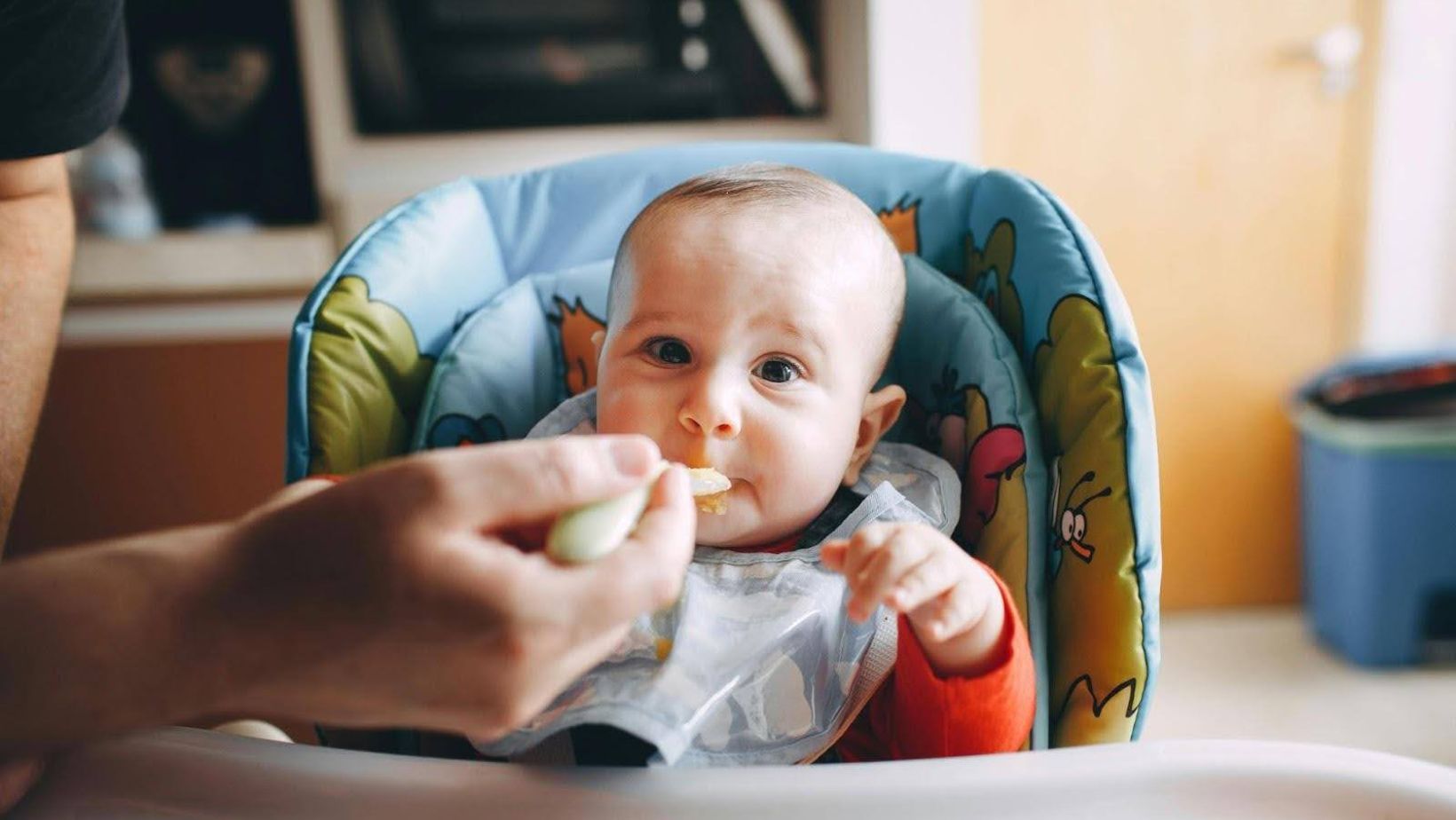
- Ability to sit with support: Your child can sit in a high chair or feeding seat with very minimal support.
- Disappearance of the tongue-thrust reflex: The infant can move food to the back of their mouth to swallow as opposed to spitting food out onto their chin.
- Efficient hand-to-mouth movement: The baby can pick up or snatch small or soft foods and accurately bring them to their mouth.
- Interested in food: When the baby watches the way others eat, makes a grab for food or opens their mouth when offered food, it shows signs of interest and readiness.
The Importance of Waiting: Risks of Introducing Solids Too Early
Introducing solid foods before a baby is developmentally ready can pose risks to their growth and health. Looking for readiness cues can give parents a clue as to when to introduce solids safely and confidently. Walking around the house while the baby is in a newborn carrier can make it easy for you to find out if your baby truly has skills to eat solids.
Starting solids too early can strain their digestive system, increase the risk of choking and reduce the amount of nutrients they get from milk. Early solid feeding can also make it difficult for infants to express hunger and satiety cues, which could impact their eating habits in the long run. Holding off until your baby is ready allows them to safely enjoy new foods and grow in a healthy manner.
Nutritional Timing: Why Iron and Zinc Become Crucial at Six Months
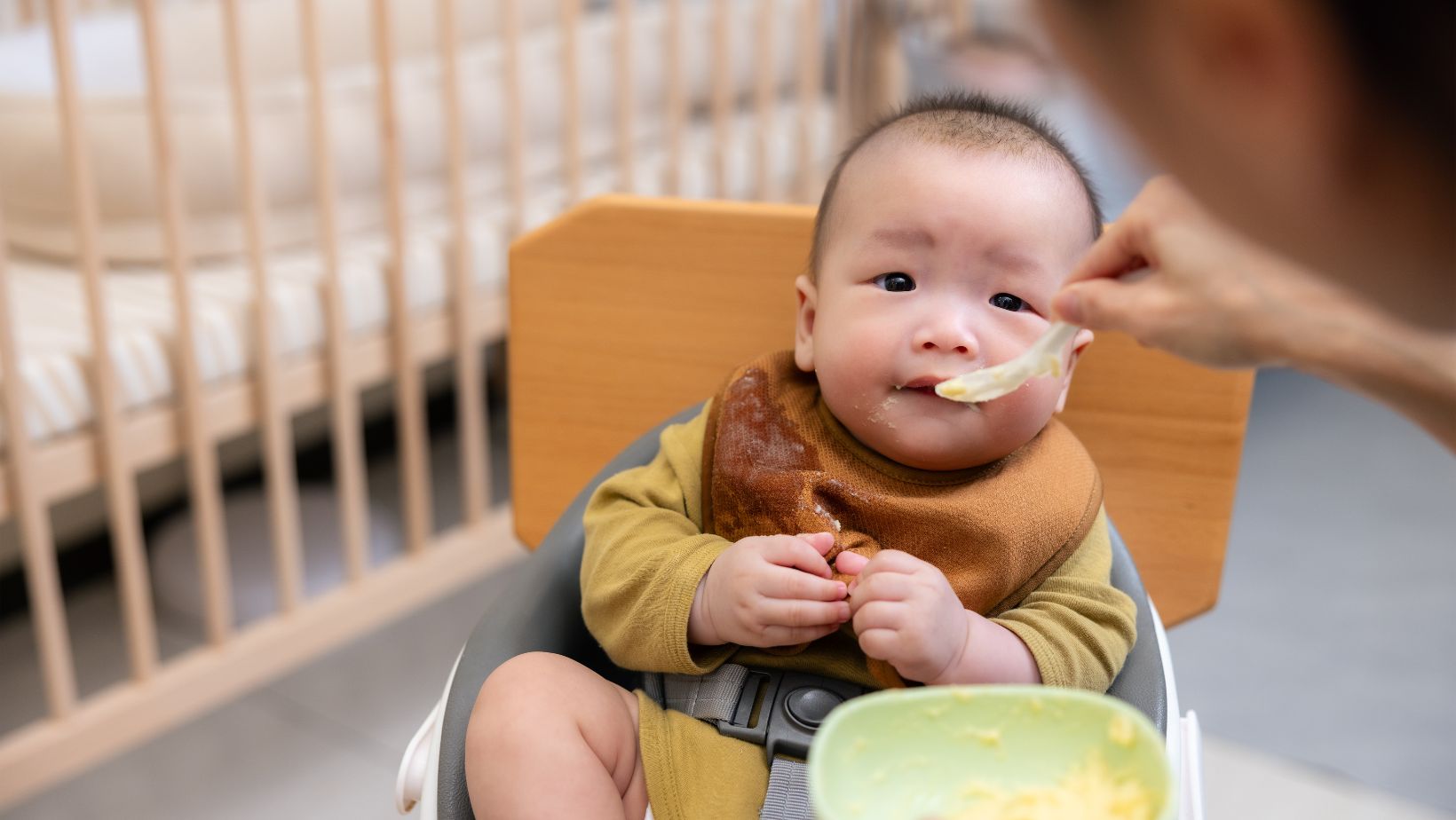
Knowing when to introduce solids will help ensure that your baby gets enough iron and zinc for healthy growth and development. Having calm time with your baby in a newborn carrier can allow you to notice those small signals that tell you that they are curious and willing to taste new foods.
Iron plays a crucial role in brain development and oxygen transportation in the body and zinc is essential for growth, repair, and a strong immune system. Milk may no longer be enough for a six-month-old baby, as the baby’s iron reserves are depleting at six months. Finding the right right time to introduce iron- and zinc-rich foods to fill in the nutritional gap will help foster healthy growth.
First Foods: What to Offer and When to Introduce Allergenic Foods
With so many options and opinions, beginning solid foods can be intimidating. The usual questions about when to introduce solids often arise as parents wonder which foods are the best and the most important ones to start with. You can begin with the following first foods and allergenic foods:
- Iron fortified infant cereal: A smooth cereal can be mixed with breast milk, formula or water to replenish iron stores, which may begin to dwindle at around six months of age.
- Meats that are pureed: Cooked beef, chicken or turkey provide babies with iron and zinc, and when pureed, they are something infants can easily take in.
- Cooked legumes & tofu: Lentils, chickpeas, beans can be pureed or mashed and combined with fruits or vegetables high in Vitamin C for better iron absorption.
- Mashed fruits and vegetables: Soft foods such as bananas, avocados, sweet potatoes and carrots add a variety of taste and texture, without the addition of salt or sugar.
- Early allergenic food: Well-cooked eggs, smooth nut butters added to purees or flaked fish can be introduced one at a time after other solids are tolerated, which can be occasionally observed during close feeding exchanges as the baby rests snuggly in a newborn carrier.
Understanding the Difference: Purees vs. Baby-Led Weaning Approaches
Deciding between purees or baby-led weaning can seem complicated at first. It’s natural for parents to wonder about when to introduce solids, and what different feeding approaches might work best. With appropriate timing for your child’s age and stage of development, both approaches can promote healthy eating.
Pureeing is when you blend food to a smooth consistency with which you feed your baby with a spoon, while baby-led weaning means that baby feeds themselves soft foods that they can hold. Some parents opt for a hybrid approach of spoon-feeding and safe self-feeding. After you’ve fed your baby, you can snuggle with them in a newborn carrier.
Responsive Feeding: Following Your Baby’s Hunger and Fullness Cues
Responsive feeding focuses on noticing the baby’s cues throughout feeding. Parents usually think about readiness and timing while choosing when to introduce solids, just as they do before using a newborn carrier. Watching the baby’s reaction to food helps build trust and can result in good eating habits as they grow.
You have to choose what food to give your child, as well as when and where to feed your baby, but it’s your baby who decides how much food to eat. Their hunger signals are leaning forward, reaching for food, or opening their mouths, and their fullness signals include turning their heads away (or “refusing” to eat) or slowing down.
Transitioning from Milk: Solids as Complementary, Not Replacement, Food
The introduction of solid foods is intended to be a complement to breast milk or formula, not a substitute. Many parents are constantly curious about when to introduce solids and how to balance milk and new foods. Starting with small amounts allows babies to receive extra nutrients, such as iron and zinc. They still get most of their nutrition from milk.
Milk still provides vital calories, nutrition and immune protection after the introduction of solids. Slow feedings, be it from a feeding chair or a newborn carrier, allow parents to sense readiness and give their infant a chance to learn how to chew and swallow. Solids can be offered more frequently and in more varieties over time, but milk remains an essential source of nourishment in a healthy first-year diet.