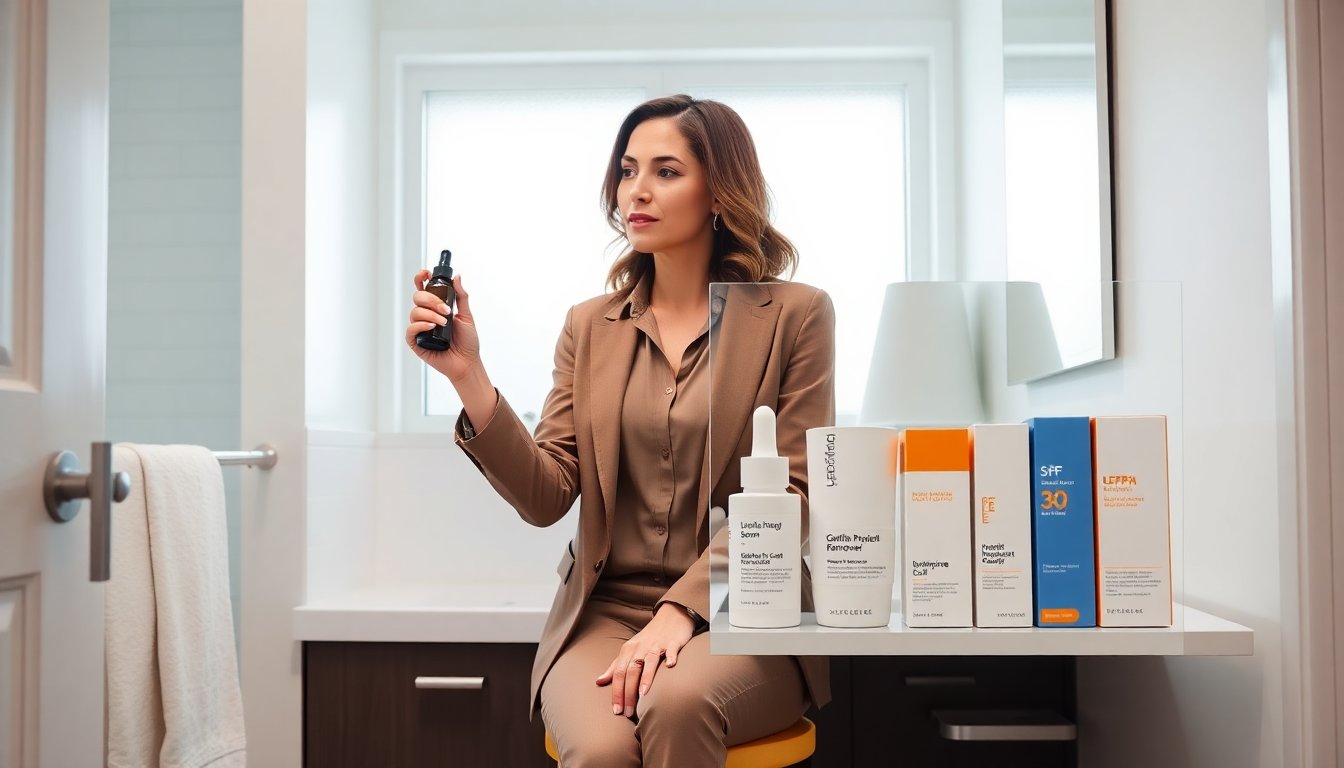

Even mild irritation around the eyes can be hard to ignore. The skin here is very delicate, making it prone to dryness, itching, swelling, or tightness. Common triggers include allergies, harsh skincare, environmental factors, or frequent rubbing. Understanding these causes and how to soothe the area can prevent symptoms from worsening.
If irritation becomes severe, painful, or is accompanied by swelling or vision changes, seeking care at a Pearland emergency room may be necessary for proper evaluation and treatment.
Top Reasons for Irritated Skin Around the Eyes
The skin around the eyes is thinner and more sensitive than the rest of the face, making it prone to irritation. Common triggers include:
Tips to Soothe Irritated Skin Around the Eyes
The under-eye area is delicate, so calming irritation requires gentle, targeted care. Addressing triggers directly helps restore the skin barrier and prevent worsening symptoms.
Limit Allergen Exposure
Reducing contact with allergens can minimize redness, swelling, and itching.
Use Gentle, Fragrance-Free Products
Hypoallergenic skincare supports healing without added irritation.
Stop Rubbing the Eye Area
Rubbing damages thin skin and worsens inflammation.
Apply Cold Compresses
Cold compresses soothe redness, swelling, and itching.
Protect Skin From Dry Air and Cold Weather
Environmental factors can dry and irritate under-eye skin.
Stay Hydrated and Rested
Proper hydration and sleep support skin repair and resilience.
Consistent Gentle Care
Routine gentle care strengthens the skin and prevents flare-ups.
Natural Ways to Treat Under-Eye Skin Irritation
Gentle, natural remedies can calm irritation and restore delicate under-eye skin:
Combine these with avoiding rubbing and using gentle, hypoallergenic products for best results.
When to See a Doctor?
Most under-eye irritation improves with gentle care, but persistent or worsening symptoms need medical attention. Watch for severe swelling, pain, discharge, or spreading redness. Irritation affecting vision or causing discomfort while blinking should not be ignored. Ongoing issues may indicate eczema, allergies, or infection. Early evaluation ensures proper treatment and protects eye health.