
Supporting a young athlete is about more than cheering from the sidelines. It’s about helping them develop habits that not only elevate their performance today but also protect their health for years to come. Youth sports can teach discipline, teamwork, and resilience, but without the right guidance, young athletes may face burnout, injury, or unhealthy lifestyle patterns.
By taking a holistic approach — just like a family nurse practitioner would recommend— that ensures proper nutrition, training, recovery, and mental well-being, you can guide your child toward a smarter, healthier athletic journey. The following are some ways to do that.
Understanding the Whole Athlete— Physical and Emotional
It’s natural for parents and coaches to focus on the physical aspects of sports, but a young athlete’s overall well-being is equally important. Physical health is intertwined with mental and emotional health and neglecting one can undermine the other.
Start by observing your child’s mood and stress levels alongside their performance metrics. Regular check-ins help you detect signs of fatigue, anxiety, or diminished enthusiasm before they escalate.
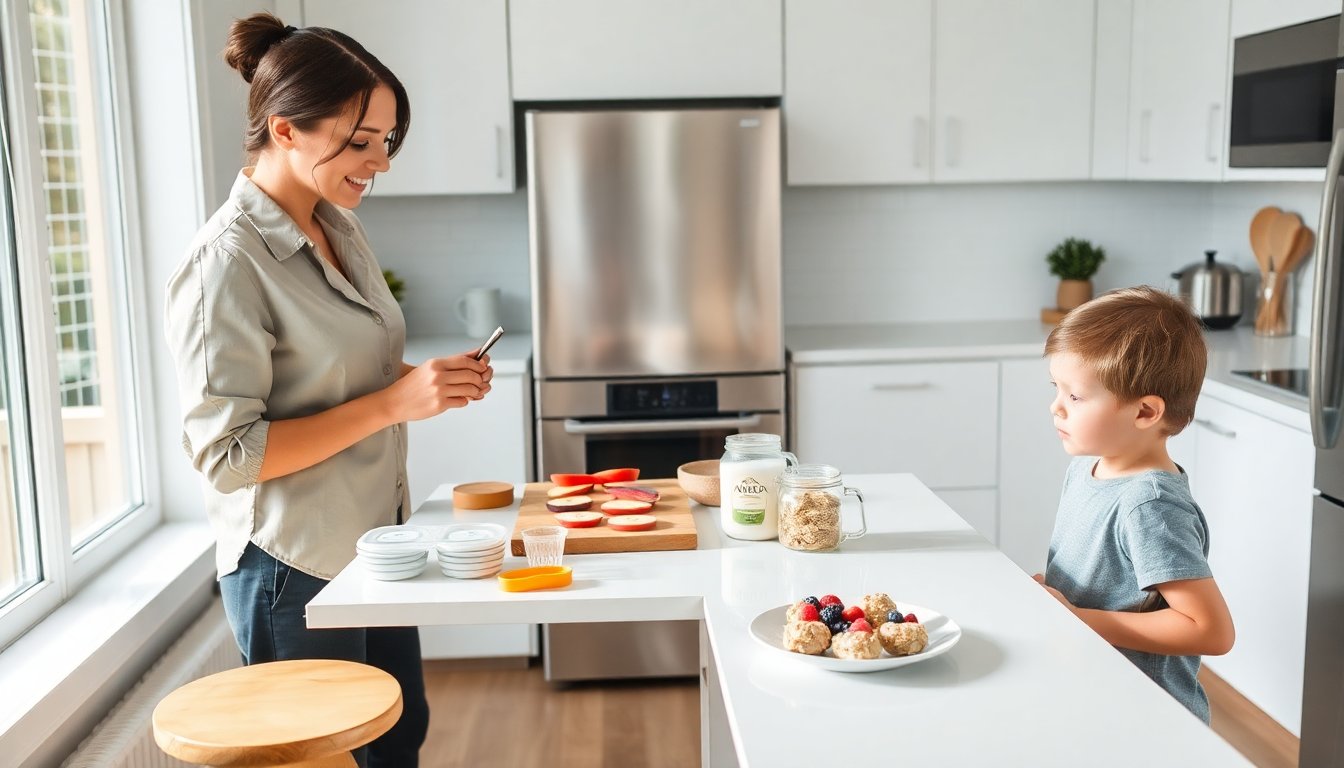
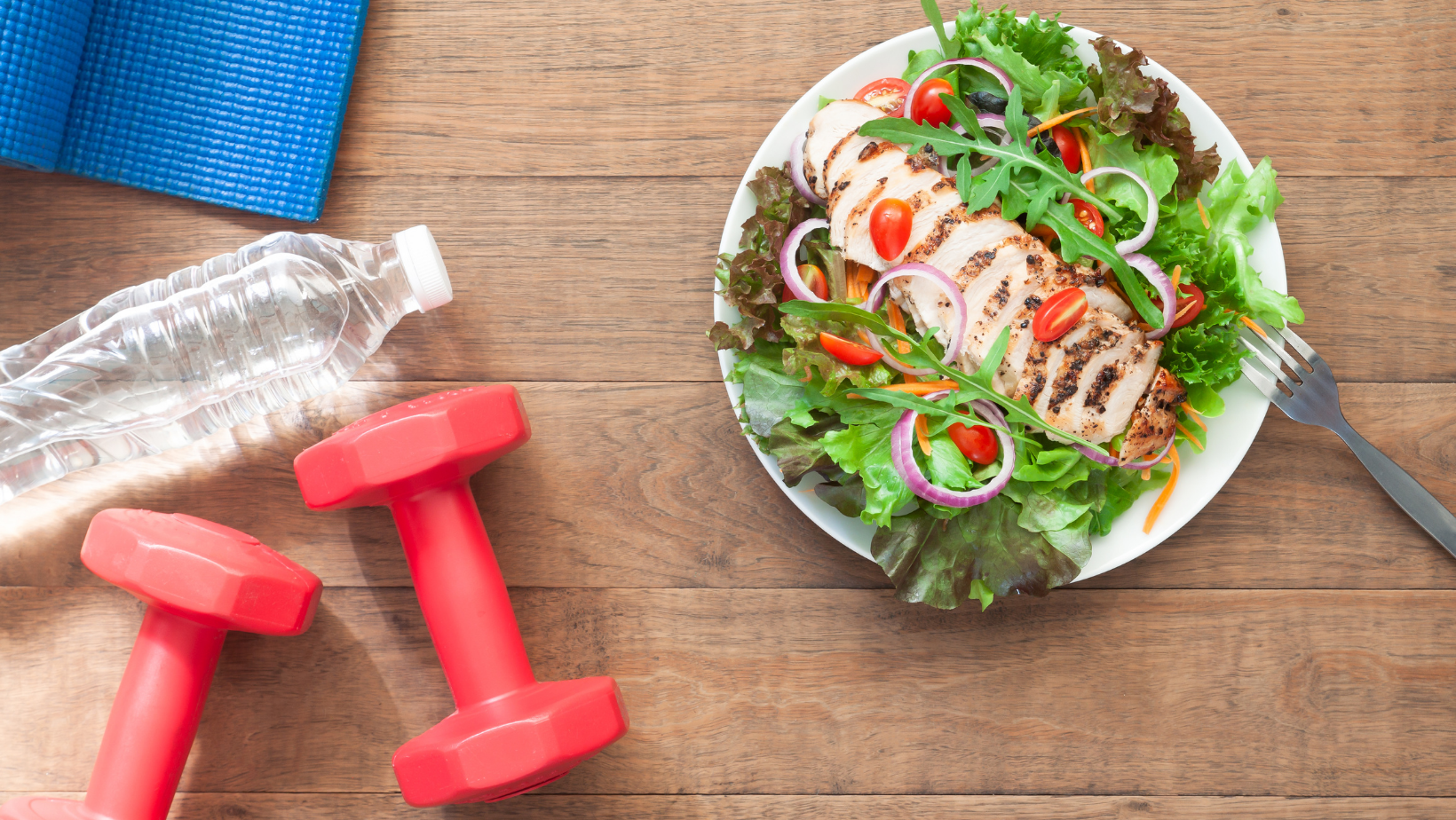
Nutrition is the foundation of an athlete’s performance, yet it’s often misunderstood. Young athletes are still growing, which means they need a diet that supports both athletic demands and healthy development.
Key principles to emphasize:
Engaging your child in preparing meals not only reinforces healthy choices but also empowers them to take responsibility for their nutrition.
Smart Training Strategies
Young athletes can be eager to push themselves harder and longer, but more isn’t always better. Overtraining can cause repetitive stress injuries and mental fatigue.
Encourage smarter, not just harder, training by:
Working with a qualified coach or trainer who understands youth development can ensure workouts are age-appropriate.
The Role of Recovery
Recovery isn’t just about physical rest—it’s an active component of training. When young athletes understand recovery, they learn to respect their bodies and prevent burnout.
Essential recovery practices include:
Supporting recovery also means avoiding the cultural pressure to “push through pain.” Pain is a signal, not a test of toughness.
Mental Resilience and Balance
Athletic success depends as much on mindset as physical ability. Emotional resilience is built through healthy coping strategies and balanced expectations. Promote mental well-being by:
If your child shows signs of persistent stress, anxiety, or loss of enjoyment, consider consulting a school counselor or sports psychologist who specializes in working with youth.
Modeling Healthy Behavior
Children absorb habits from the adults around them. Displaying healthy lifestyle choices in your own life reinforces what you teach. If you value balanced nutrition, regular exercise, rest, and emotional openness, your child is more likely to internalize those behaviors. This creates a family environment where health isn’t a “sports requirement” but a shared priority.
Keeping Perspective for the Long Game
The ultimate goal is not just winning games—it’s helping your child enjoy sports while laying the foundation for lifelong health. Talents may lead to higher competition levels, scholarships, or even professional opportunities, but the vast majority of young athletes will not play at the elite level long-term.
What will last are the habits, values, and skills they develop now: self-discipline, respect for their body, time management, and resilience in the face of challenge. By guiding your young athlete toward smarter, healthier habits, you’re not only helping them excel in sport—you’re investing in their quality of life for decades to come.
Your child’s athletic journey should be exciting, enriching, and sustainable. With thoughtful attention to nutrition, training, recovery, mental resilience, and balanced competition, they will grow into an athlete who thrives. Above all, remember that your support and guidance are among the most important factors in their success, health, and happiness