
A safe and comfortable home shapes how people rest, work, and spend time together. However, comfort does not come from design alone. Practical choices and regular care make the biggest difference. A home that feels good to live in usually works well behind the scenes, too.
Why regular maintenance matters
Many homeowners put off routine maintenance because nothing feels urgent. Small jobs often seem easy to delay. However, maintenance covers more than quick fixes like changing bulbs or tightening taps. It includes regular checks on heating, electrics, plumbing, and appliances. These checks help systems run as they should. Early attention prevents problems from growing. Ideally, bring in planned preventive maintenance services to run regular checks and flag issues before they become problems.
Using space safely and sensibly
Good use of space improves both comfort and safety. Clear walkways allow easy movement through the home. Furniture placement should support daily routines rather than block them. Open spaces feel calmer and reduce trip hazards.
Safety starts with basics like smoke alarms, but it extends further. Secure doors and windows help protect the home. Families with children benefit from outlet covers, stair gates, and secured furniture. These steps reduce everyday risks and bring peace of mind.
Planning for all stages of life
Homes work best when they adapt to changing needs. Age-friendly features support safety for older adults and visitors. Grab rails in bathrooms, non-slip flooring, and brighter lighting improve accessibility.
These features also make sense long-term. They reduce accident risks and appeal to future buyers. Planning ahead avoids rushed changes later.
Adding comfort that feels personal
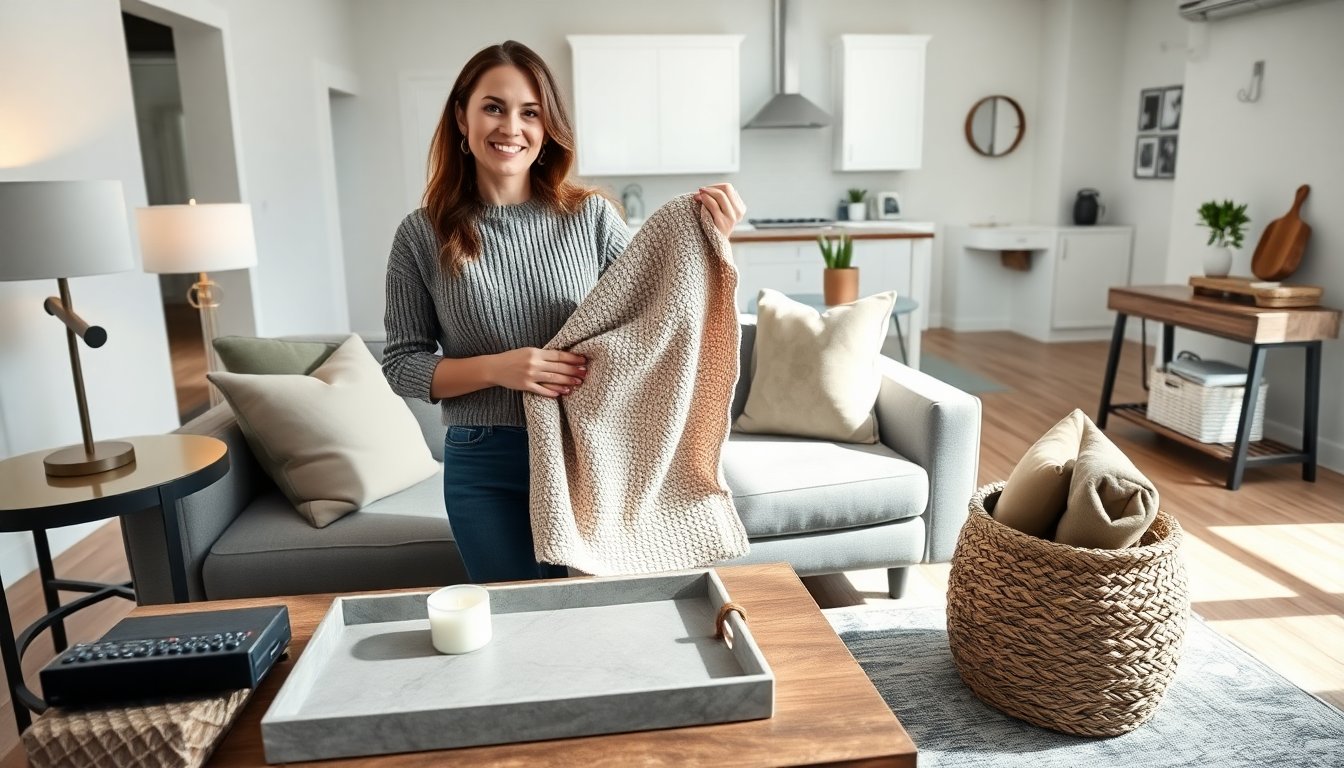
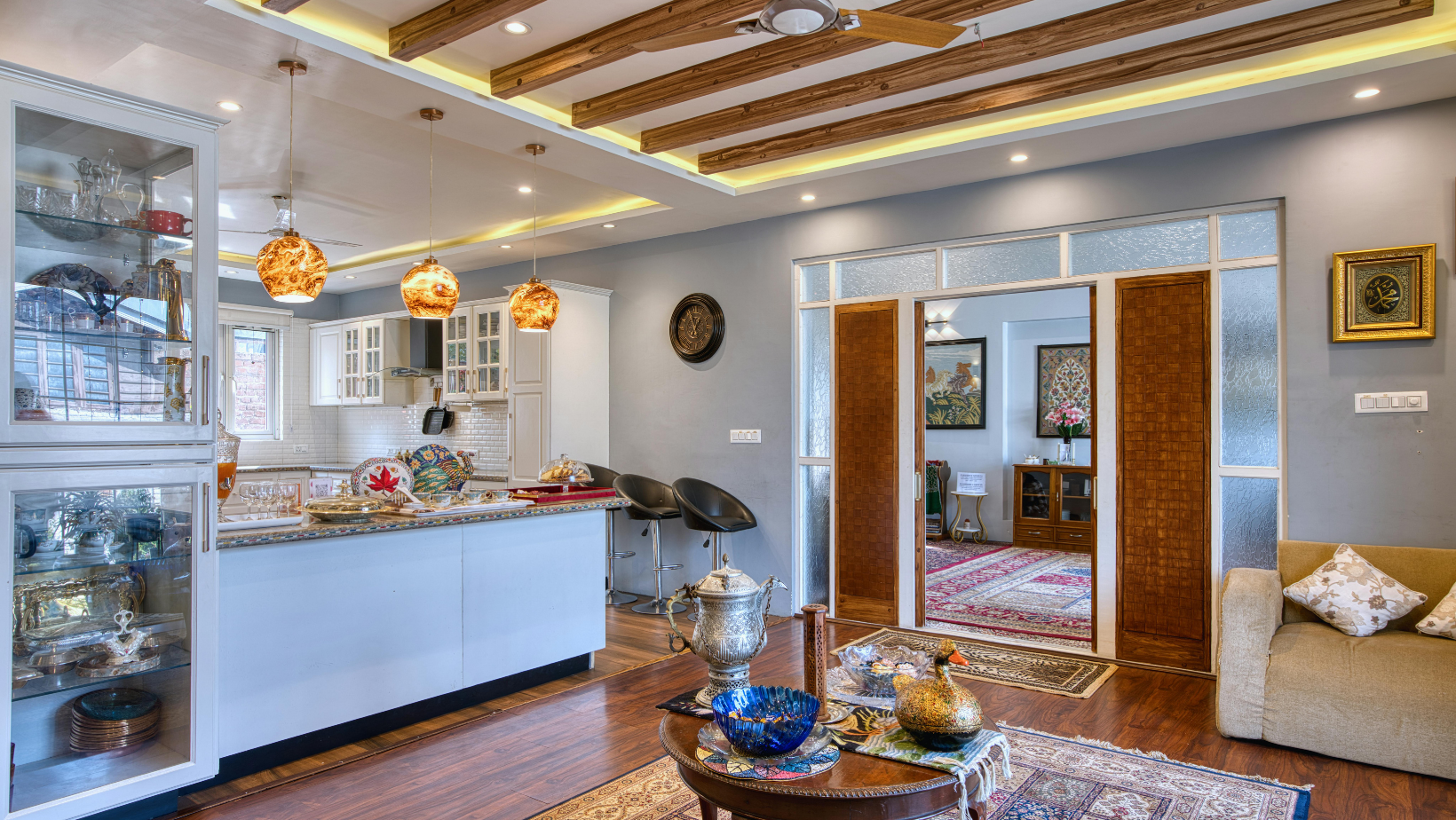
Once safety and function are in place, comfort brings the home to life. Soft lighting creates a relaxed mood. Comfortable seating supports rest and conversation. Personal items such as photos and artwork help spaces feel familiar.
Comfort also comes from atmosphere. Natural light lifts rooms. Plants add warmth and freshness. Calm colours help spaces feel settled. Each home reflects the people who live there, so comfort choices should feel natural rather than forced.
Damp and condensation also need monitoring. Taking steps to fix mould in your house protects air quality and prevents damage to walls and furnishings. Regular care keeps homes comfortable and predictable.
Thinking about sustainability at home
Comfort and safety are also linked to sustainability; energy-efficient appliances reduce consumption, and sound insulation helps maintain steady temperatures. Simple habits like recycling and reducing waste support healthier living spaces.
Sustainable choices improve comfort by making homes easier to heat and maintain. They also reduce strain on household budgets over time.
Conclusion
Creating a safe and comfortable home relies on practical decisions. Regular maintenance, sensible layouts, and thoughtful upgrades matter more than decorative trends. When homes work well, they feel easier to live in.
Comfort grows from care and attention. A well-looked-after home supports daily life and adapts as needs change.