
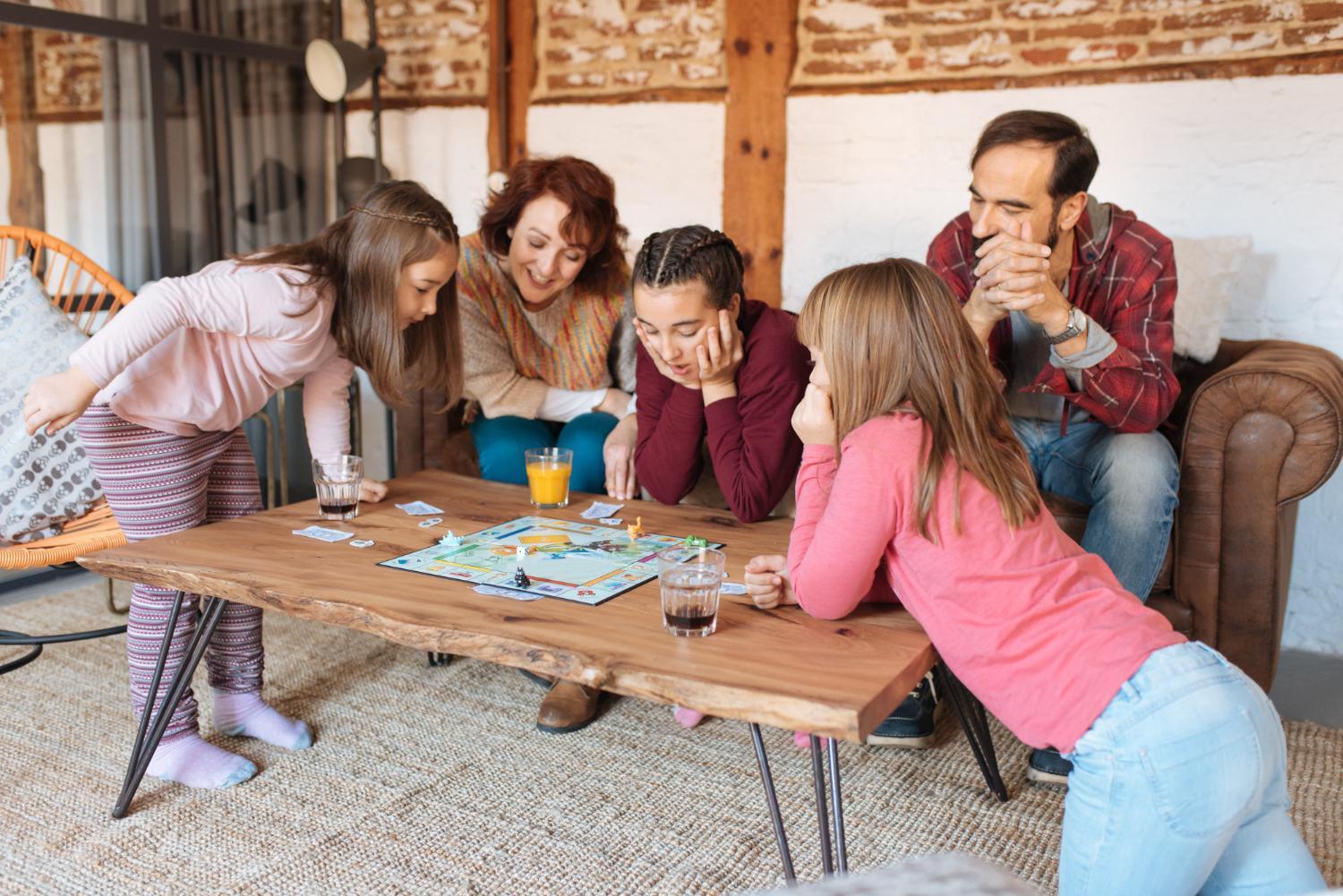
For many parents, the idea of family game night sounds great in theory but messy in practice. Rules get confused, attention drifts, and what starts as a fun plan can quickly turn into frustration. Yet play remains one of the most effective ways children learn essential skills without feeling like they are being taught. In our house, that shift began when we started paying closer attention to how games were introduced, including taking a few minutes to look through Playiro board game rules together before we ever opened the box. That small change helped set the tone for calmer, more focused play that naturally turned into learning.
Game night does not need to feel like another obligation added to an already full schedule. With a few thoughtful adjustments, it can become a consistent space where curiosity, patience, and problem-solving develop alongside laughter.
Why Board Games Are Powerful Learning Tools
Board games work because they combine structure with engagement. Children are asked to follow rules, wait their turn, and think ahead, all while staying emotionally invested in what is happening. These experiences quietly reinforce skills that are difficult to teach through direct instruction alone.
When children play regularly, they practice counting, reading, memory, strategy, and communication without realizing they are learning. Parents benefit as well, gaining insight into how their children think, handle setbacks, and approach challenges. The shared experience creates opportunities for conversation that feel natural rather than instructional.
Start With Clear Expectations
Many game night struggles begin before the game even starts. Children often feel overwhelmed if rules are unclear or explained too quickly. Taking time to review rules together establishes a shared understanding and reduces confusion later.
This moment also helps children feel included in the process. When rules are discussed calmly, kids are more likely to respect them and stay engaged. Parents can frame this step as part of the fun, emphasizing that learning how to play is just as important as playing itself.
Match the Game to the Child
Not every game suits every age or temperament. Some children thrive with strategy-based games, while others prefer cooperative play or short, fast-paced rounds. Paying attention to these preferences makes game night more successful.
Parents can adapt games when needed, simplifying rules or shortening playtime. These adjustments do not diminish learning. In fact, they often increase it by keeping children motivated and attentive. The goal is not perfection but participation.
Turn Challenges Into Teaching Moments
Every game includes moments of loss, delay, or disappointment. These moments offer valuable learning opportunities when handled thoughtfully. Instead of rushing to fix frustration, parents can acknowledge feelings and guide children toward problem-solving.
Asking questions like “What could you try differently next time?” or “How did you feel when that happened?” helps children reflect without judgment. Over time, these conversations build emotional resilience and self-awareness that extend beyond game night.
Encourage Thinking Out Loud
One way to deepen learning during play is to invite children to explain their thinking. When kids talk through their decisions, they strengthen reasoning skills and confidence. Parents can model this behavior by narrating their own choices during the game.
This practice transforms play into a shared learning experience rather than a silent competition. It also helps parents identify areas where a child may need support, whether with numbers, reading, or social cues.
The Role of Structure in Learning Through Play
Structure is often misunderstood as restrictive, but in play it provides a sense of safety. Clear rules, defined turns, and predictable patterns allow children to focus on creativity and problem-solving without anxiety.
According to the American Academy of Pediatrics, structured play supports cognitive development, emotional regulation, and social skills by giving children a framework in which to explore and experiment. This balance of freedom and guidance makes board games especially effective learning environments.
Keep Game Night Consistent, Not Perfect
Consistency matters more than duration or complexity. A short game played regularly has more impact than an elaborate setup that happens once every few months. When children know game night is part of the routine, they approach it with familiarity and comfort.
Parents can set realistic expectations, understanding that some nights will be smoother than others. Flexibility allows families to adapt without abandoning the habit altogether.
Learning That Extends Beyond the Table
The skills children practice during board games often show up elsewhere. Patience learned while waiting for a turn can translate to classroom behavior. Strategic thinking developed during play can support academic problem-solving. Emotional regulation practiced during a loss can help with peer interactions.
Parents may also notice improvements in communication and cooperation, as games encourage listening and collaboration. These benefits grow over time, reinforcing the value of shared play.
Making Space for Connection
Beyond learning outcomes, game night creates space for connection. In busy households, it offers a pause where attention is shared and distractions are set aside. Children remember these moments not as lessons, but as time spent together.
By approaching game night with intention and flexibility, parents can turn play into one of the most effective learning tools at home. The process does not require expert knowledge or expensive materials. It simply asks for presence, patience, and a willingness to learn alongside your children.
When play feels supported and understood, it becomes more than entertainment. It becomes a foundation for growth that families can return to again and again.