
The risk of theft increases during travel, as people move through unfamiliar environments, crowded spaces, and frequent transitions. These conditions reduce situational awareness and make it easier for belongings to go missing without immediate notice.
Recovery outcomes improve significantly when travelers respond calmly and act quickly. Securing remaining items, identifying when and where the loss occurred, and reporting promptly help keep recovery options open and effective.
Official documentation and location awareness play a critical role in regaining control after a loss. Clear reports, insurance records, and location context support informed decisions, reduce uncertainty, and help travelers move forward with confidence.
Why Theft Happens More Often During Travel
Travel increases theft risk due to constant movement, unfamiliar surroundings, and divided attention.
-
Unfamiliar settings: New environments reduce situational awareness.
-
Crowded spaces: Airports, transit hubs, and attractions create close contact.
-
Frequent transitions: Moving between locations increases exposure moments.
-
Distraction levels: Navigation, schedules, and fatigue divide focus.
-
Shared access: Hotels and transit areas involve multiple people handling belongings.
What to Do Immediately After Belongings Are Stolen
Stay Calm and Assess
Pause before acting to avoid panic-driven decisions. Take a moment to confirm what is missing and what remains secure.
Secure Remaining Belongings
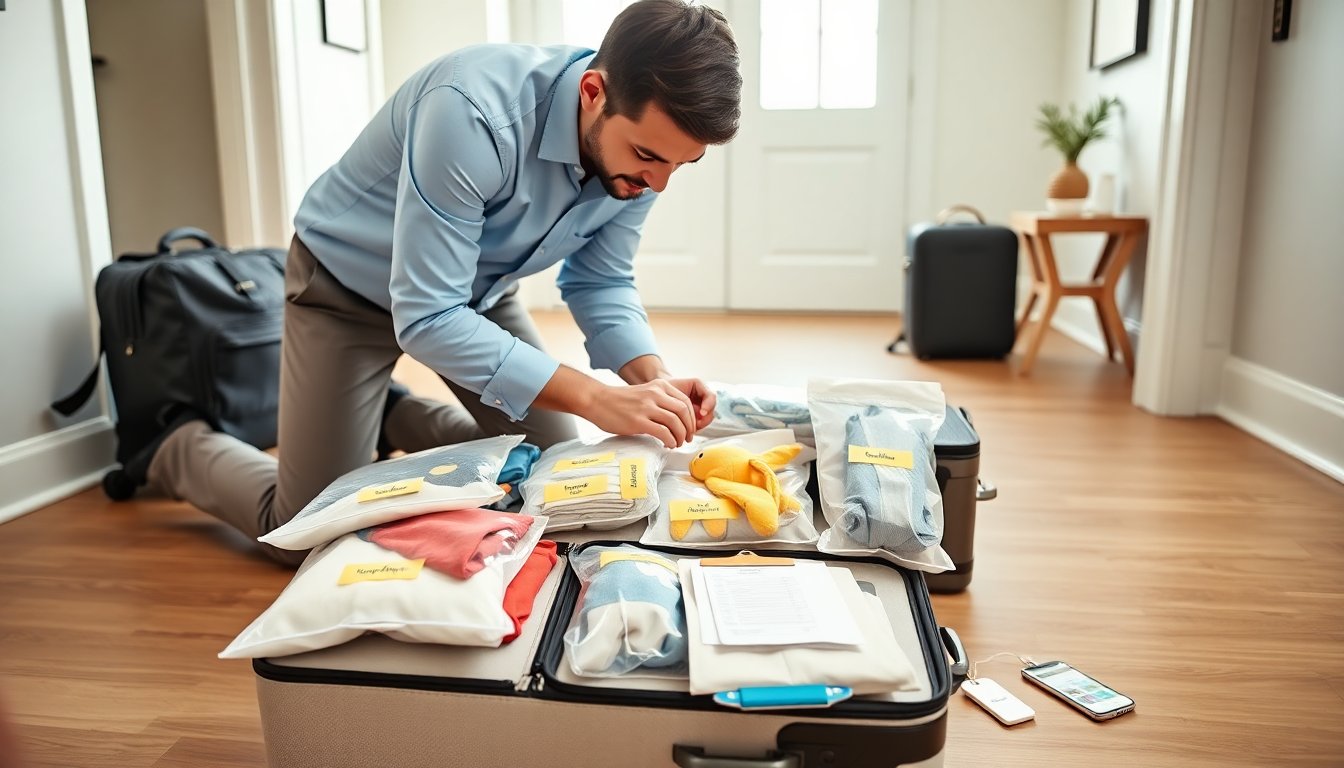
Protect what you still have by consolidating items and keeping them close. This prevents additional losses during an already stressful situation.
Identify Location and Timing
Try to determine where and when the theft likely occurred. Even a rough timeline helps guide reporting and recovery steps.
How Can You Recover Belongings If They’re Stolen During Travel
Recovering stolen belongings during travel depends on acting quickly and using the right information. Immediate reporting, accurate location details, and proper documentation significantly improve the chances of recovery and insurance support.
Report the Theft Immediately
Contact local authorities as soon as the theft is discovered to file an official report. A police report is often required for insurance claims and further recovery steps.
Use Location Tracking Data
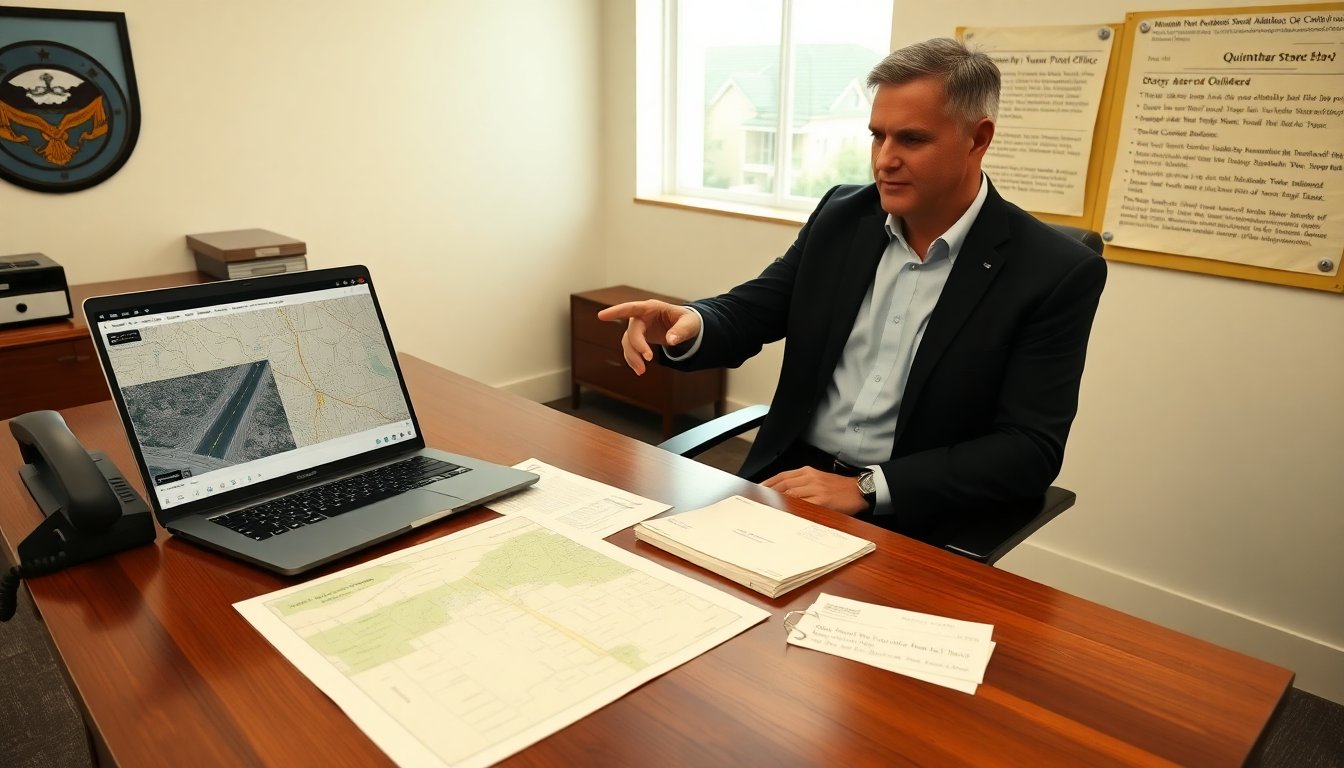
If belongings or luggage contain GPS-enabled devices, check real-time or last-known location data. This information can significantly narrow search areas and support recovery efforts.
Notify Accommodation and Transport Providers
Inform hotels, airlines, rental agencies, or tour operators about the incident. Staff may assist with surveillance footage, access logs, or lost-and-found coordination.
Secure Accounts and Devices
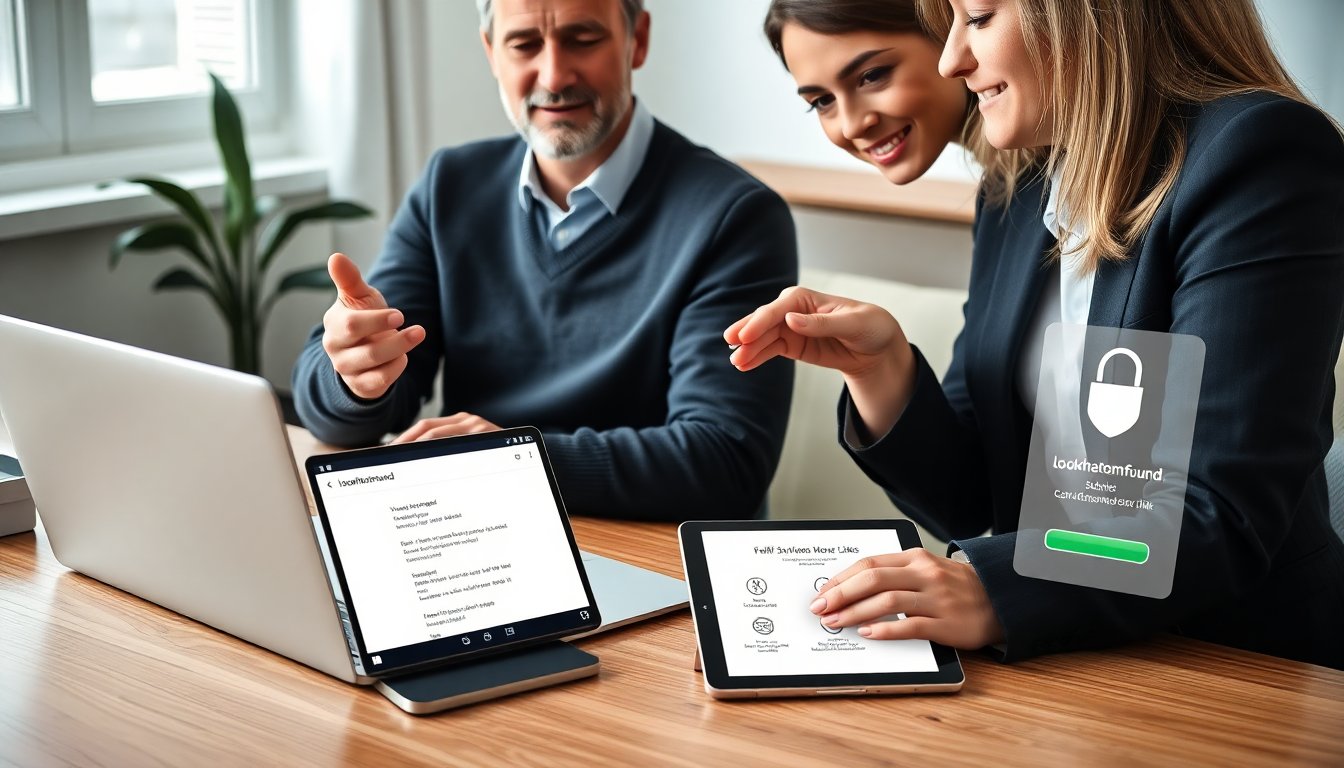
Lock or disable stolen phones, tablets, or laptops remotely to protect personal data. Changing passwords prevents unauthorized access to sensitive accounts.
Contact Insurance Providers
Report the theft to your travel or property insurance provider promptly. Providing documentation early speeds up claim processing and reimbursement.
Monitor Local Marketplaces
Stolen items sometimes appear in nearby resale shops or online marketplaces. Monitoring these channels can help identify and recover belongings.
Why Timing Matters in Recovery Efforts
The first hours after a theft offer the highest chance of recovery. Details are fresh, locations are easier to narrow down, and response options remain open.
Quick action allows authorities, hotels, or transit providers to act while information is still relevant. Delays reduce the usefulness of reports and limit follow-up possibilities.
As time passes, items move farther from the original location. Faster response keeps recovery efforts focused and increases the likelihood of a positive outcome.
Reporting Stolen Items While Traveling
Local Authorities
Filing a police report creates an official record of the incident. This documentation is often required for insurance claims and further assistance.
Hotels and Accommodations
Notify hotel staff or property management as soon as possible. They may check security footage, logs, or recent access records.
Airlines and Transit Providers
Report losses to airlines, train operators, or bus services immediately. Lost-and-found systems work best with prompt, detailed information.
How Insurance and Documentation Support Recovery
Insurance provides financial protection after belongings are stolen during travel. Coverage depends on clear documentation that verifies the loss and its circumstances.
Police reports, hotel incident records, and receipts establish an official timeline. These documents support both recovery efforts and claim approval.
Accurate records reduce delays and disputes with insurers. Prompt submission helps travelers recover losses faster
The Role of Location Awareness in Recovering Stolen Belongings
Location awareness reduces uncertainty after a theft. Knowing whether an item is stationary or moving helps determine the next steps.
This clarity supports informed decisions rather than guesswork. Travelers can focus efforts where they are most likely to matter.
Reducing Uncertainty
Location awareness helps travelers understand whether an item is stationary or moving. This clarity reduces panic and replaces guesswork with informed thinking.
Supporting Faster Decisions
Knowing the last known or current location helps determine next steps. Travelers can decide whether to report locally, contact transit providers, or escalate recovery efforts.
Improving Reporting Accuracy
Location details strengthen police reports and lost-item claims. More precise information improves coordination with authorities and service providers.
Regaining Control
Visibility restores a sense of control during a stressful situation. Even limited location insight helps travelers respond calmly and effectively rather than feeling helpless.
Using GPS Support for Lost or Stolen Luggage
Background Location Visibility
GPS trackers for luggage provide background location awareness that helps travelers understand where their belongings were last seen. This visibility reduces uncertainty during the early stages of recovery.
Supporting Recovery Decisions
Location data helps determine whether luggage is stationary, moving, or located within a transit facility. These insights guide decisions on who to contact and where to focus recovery efforts.
Strengthening Reports and Claims
Accurate location information improves the quality of reports filed with airlines, hotels, or authorities. Clear details support faster coordination and stronger documentation.
Complementing Official Processes
GPS support does not replace reporting or insurance steps. Instead, it adds context that helps official recovery processes work more effectively.
Real-World Travel Recovery Scenarios
Airports and Baggage Areas
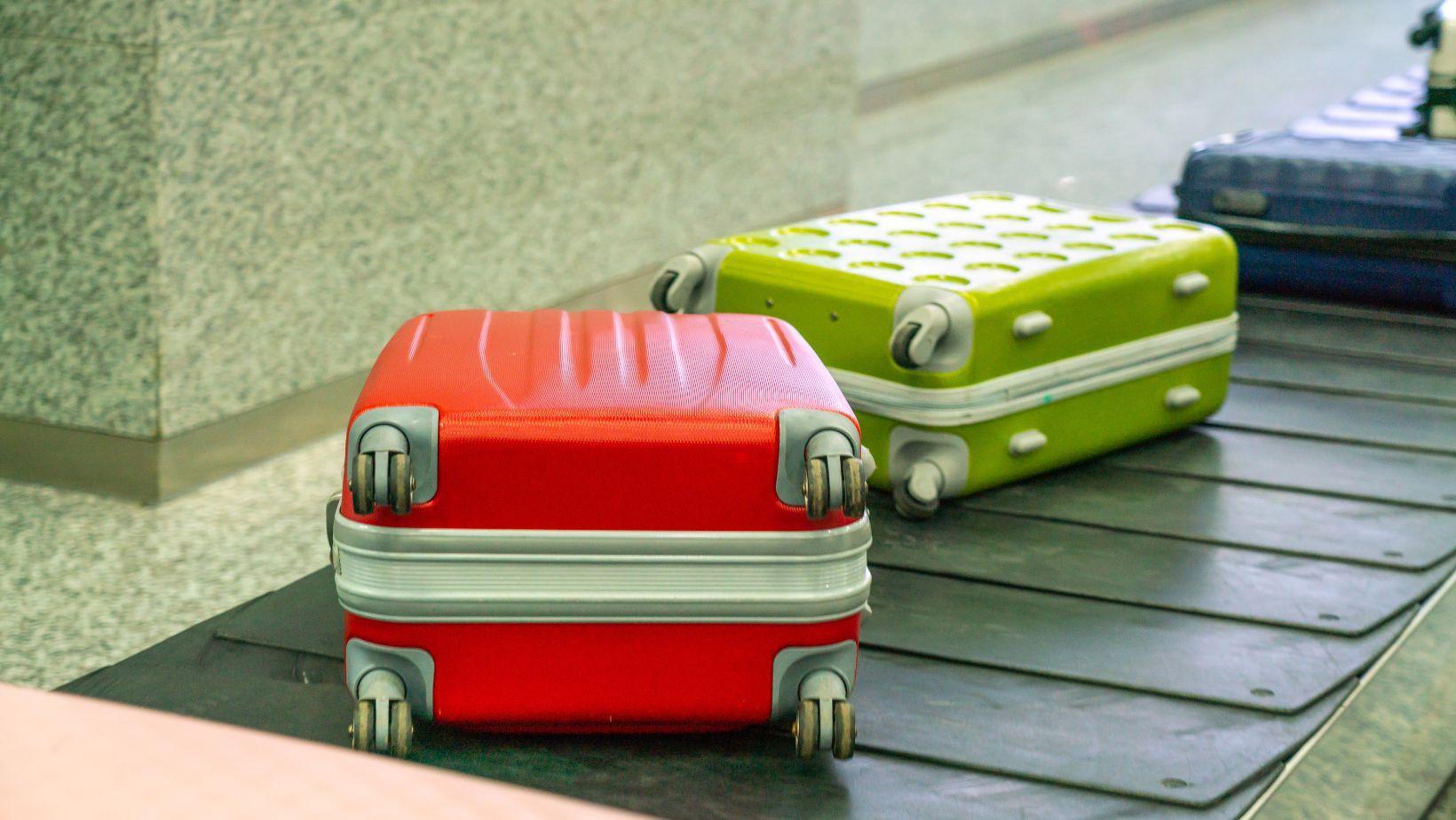
Baggage carousels and transfer points are common loss locations. Clear timelines and location context help staff trace items more effectively.
Hotels and Shared Spaces
Lobbies, storage rooms, and shared accommodations introduce access by multiple people. Prompt reporting increases the chance of identifying where items were last seen.
Public Transit and Tourist Areas
Crowded trains, buses, and attractions make tracking difficult. Early awareness helps determine whether items were left behind or taken.
Why Hidden GPS Tracking Matters for Vehicle Security
During travel, a portable tracking device can provide reassurance without changing routines. The Family1st Portable GPS Tracker fits into this role by offering background location awareness that remains available if an item goes missing.
Rather than constant monitoring, the tracker supports recovery by supplying location context at the right moment. This information helps travelers decide whether to contact hotel staff, transit services, or local authorities.
Used thoughtfully, tracking becomes part of preparedness rather than a source of stress. The presence of location awareness allows travelers to respond calmly and take structured action if belongings are stolen.
Final Thoughts
Recovering stolen belongings during travel depends on response quality rather than panic. Calm assessment, timely reporting, and clear documentation create the best conditions for recovery.
Location awareness adds clarity to an otherwise uncertain situation. With preparation and structured action, travelers regain control faster and move forward with confidence.