


Learning CNC tooling can feel overwhelming at first. New machinists are quickly introduced to a wide range of cutters, holders, materials, and machining strategies, all of which can seem equally important. The reality is that CNC tooling is best learned in stages. Starting with the right fundamentals helps beginners avoid frustration, reduce mistakes, and build confidence early on. Access to reliable cnc tools gives new learners a strong foundation while keeping the focus on understanding how tools behave rather than chasing advanced setups too soon.
Many beginners make the mistake of thinking more tools equal better results. In practice, learning CNC tooling is about mastering a small set of essentials and understanding how they interact with the machine, material, and cutting parameters. Once the basics are clear, expanding a tool library becomes much more intuitive.
Essential CNC Tools Every Beginner Needs
For anyone just starting out, the most important CNC tools are the ones that support accuracy, repeatability, and learning. Cutting tools should be simple, versatile, and forgiving. General-purpose end mills are often the first place to start because they can handle a wide range of materials and operations.
Instead of buying many specialized cutters, beginners benefit from focusing on a small selection of reliable tools. Straightforward end mills allow new machinists to learn feeds, speeds, depth of cut, and toolpath behavior without introducing unnecessary complexity. As skills improve, adding more specialized tools becomes easier and more purposeful.
Tool quality matters early on. Low-quality cutters may save money upfront but often wear quickly or perform inconsistently, making it harder to diagnose problems. Using well-made high performance end mills helps beginners see how proper tool geometry and coatings affect surface finish and tool life.
Tool holding is another essential area. Even the best cutter will struggle if it isn’t held securely and concentrically. Beginners should prioritize consistent tool holding systems that reduce runout and vibration. Stable tool holding improves finish quality and protects both the tool and the machine.
Workholding is just as important. Whether using vises, clamps, or fixtures, material must be held securely without distortion. Poor workholding introduces variables that can confuse beginners and lead to inconsistent results.
Measurement tools round out the essentials. Being able to verify part dimensions helps new machinists understand how tool wear, cutting parameters, and material behavior affect outcomes. Measurement builds confidence and reinforces learning with real feedback.
Software familiarity also plays a role. Understanding tool libraries, offsets, and basic CAM strategies helps beginners connect tooling choices to machine behavior. Learning how tools are represented digitally is just as important as handling them physically.
Why Starting Simple Helps You Learn Faster
Starting simple accelerates learning by reducing variables. When fewer tools and setups are involved, it’s easier to understand cause and effect. If a cut goes wrong, beginners can more quickly identify whether the issue came from tooling, programming, or setup.
Simple tooling encourages experimentation. New machinists can safely adjust feeds, speeds, and depths of cut to see how changes affect results. This hands-on learning builds intuition that carries over to more advanced tooling later.
Starting simple also protects equipment. Conservative tooling choices reduce stress on spindles, bearings, and machine frames. This is especially important for smaller or entry-level machines that may not be designed for aggressive cutting strategies.
Cost control is another advantage. Instead of replacing broken tools or scrapped parts, beginners can invest gradually as skills improve. This approach reduces wasted spending and keeps learning enjoyable rather than stressful.
As experience grows, simple tooling creates a clear upgrade path. Once a beginner understands how a basic end mill behaves, it’s easier to appreciate the benefits of more advanced geometries or coatings. Each new tool added serves a clear purpose instead of adding confusion.
Consistency also improves when starting simple. Reliable results build confidence and motivation. When learners see predictable outcomes, they’re more likely to continue experimenting and improving.
Eventually, simplicity leads to efficiency. A machinist who understands fundamental tooling concepts can adapt more quickly to new materials, machines, and production demands. That flexibility is one of the most valuable skills in CNC machining.
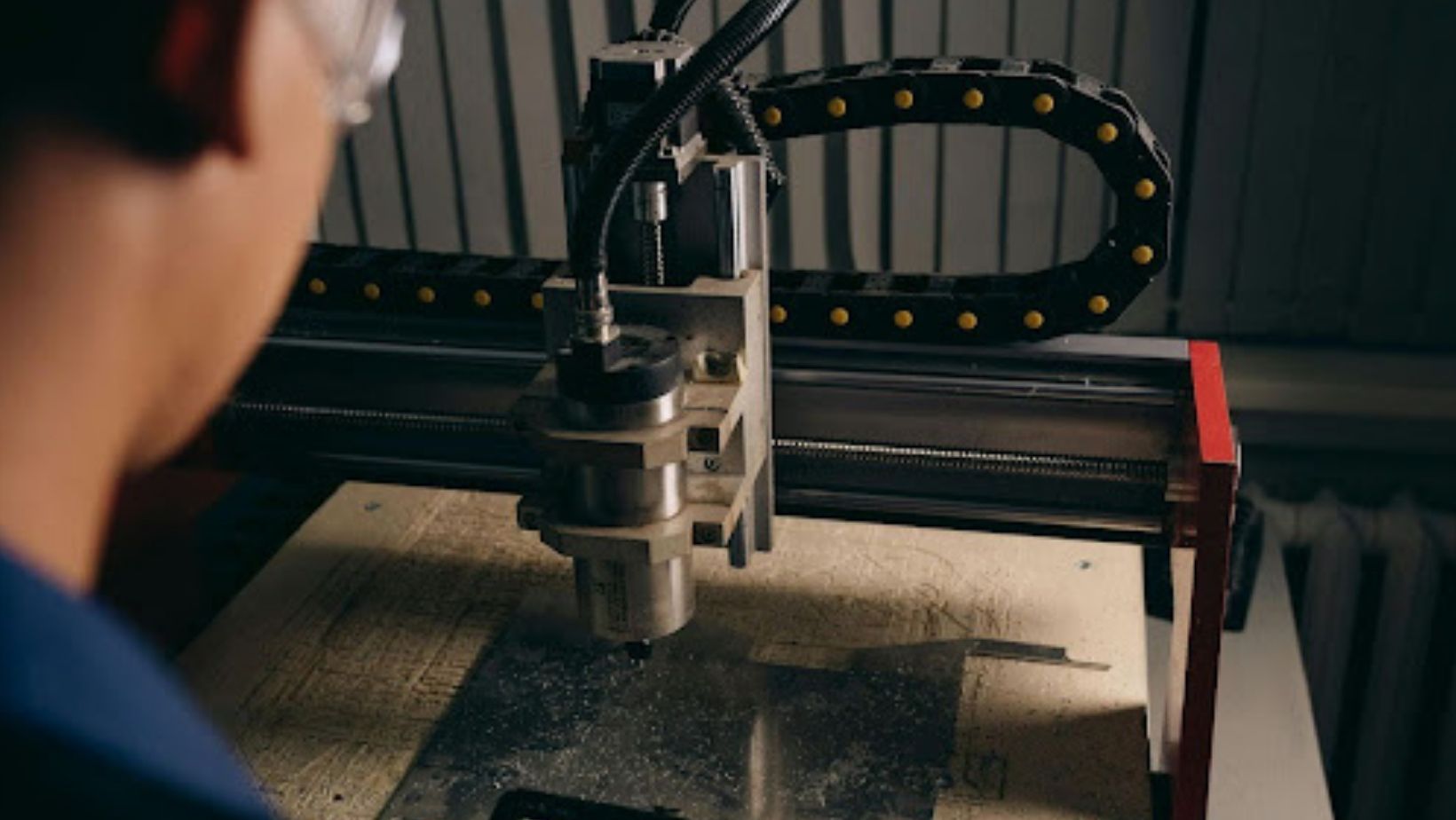
As skills progress, expanding into more advanced setups—such as larger tool libraries or multi-operation workflows—becomes a natural next step. By then, beginners are no longer guessing; they’re making informed decisions supported by experience and knowledge of cnc milling tools.
Conclusion
Learning CNC tooling starts with mastering the basics. By focusing on essential tools, reliable cutting performance, and simple setups, beginners can build skills faster and avoid costly mistakes. Starting simple reduces frustration, protects equipment, and creates a strong foundation for long-term growth. With a clear understanding of fundamental tooling concepts, new machinists are better prepared to expand their capabilities and succeed in CNC machining.