
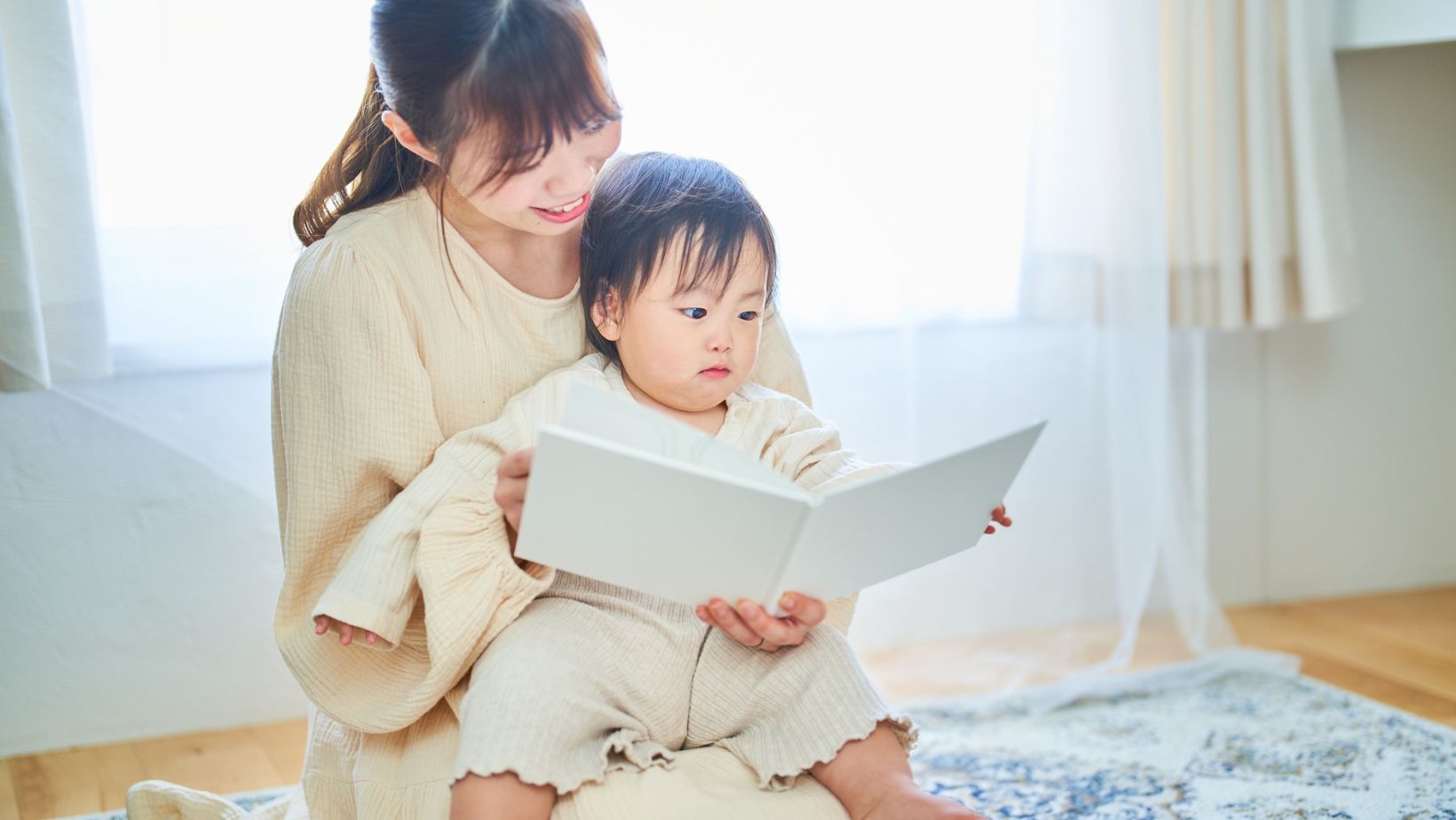
Your baby may not be able to talk yet, but that doesn’t mean it’s too early to start reading. In fact, the first year of life is one of the most important stages for building language foundations. Choosing the right baby books during this time can shape how your child responds to reading, bonding, and communication in the years ahead.
But with so many children’s books, picture books, and early books for kids on the market, how do you know what actually makes a great baby book?
Here’s what you should look for during your child’s first year.
1. Simple, Clear Visuals
In the early months (0–3 months), your baby’s vision is still developing. They respond best to:
- High-contrast colours (black, white, bold patterns)
- Simple shapes
- Clear outlines
Cluttered pages can overwhelm a baby’s developing eyesight. The best baby books during this stage are visually simple and easy to process.
As your baby approaches 6–12 months, you can gradually introduce more colourful picture books, but clarity should still come first.
2. Repetition and Rhythm
Babies learn through repetition. Hearing the same words and sounds repeatedly strengthens early language recognition.
A great baby book includes:
- Rhyming text
- Predictable sentence patterns
- Repeated phrases
Even if your baby doesn’t understand the meaning yet, the rhythm of your voice builds familiarity. Many classic children’s books use rhyme because rhythm supports memory—even in infancy.
If you find yourself naturally reading the book with flow and expression, that’s usually a good sign.
3. Short and Manageable Length
During the first year, attention spans are short. The best baby books:
- Are 5–10 pages long
- Use only a few words per page
- Keep storylines extremely simple
You don’t need a complex plot. At this stage, your baby is learning how to focus, listen, and connect—not follow detailed narratives.
This is why traditional long-form children’s books aren’t ideal for infants. Short picture books designed specifically for babies work much better.
4. Durable and Safe Materials
Babies explore the world with their hands—and mouths.
A great baby book should be:
- Made of thick board pages
- Easy to wipe clean
- Non-toxic and safe
Board books are especially popular during the first year because they can withstand chewing, grabbing, and page-flipping experiments.
Durability ensures that the book lasts beyond just a few reading sessions.
5. Everyday Themes Babies Recognize
During the first year, familiarity builds comfort. The best baby books often focus on:
- Family members
- Animals
- Daily routines
- Bedtime or bath time
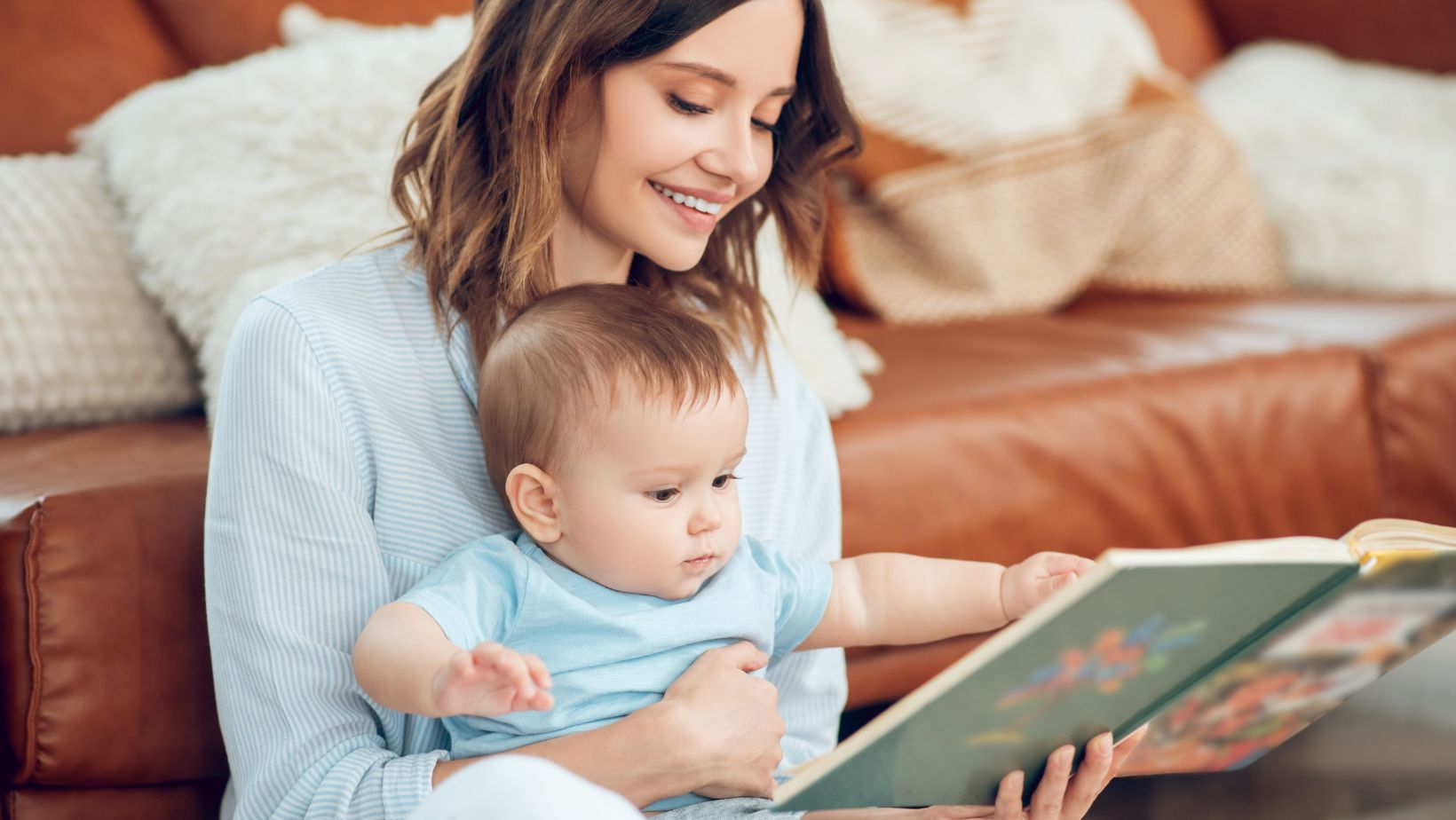
Books with relatable content help your baby connect words with real-life experiences.
While fantasy-themed kids books have their place later, early reading benefits most from everyday, recognizable subjects.
6. Emotional Tone Matters
Your baby may not understand the words, but they absolutely respond to your tone.
A great baby book encourages:
- Gentle storytelling
- Warm emotional cues
- Calm repetition
Books designed for bedtime often work especially well because they naturally create soothing reading routines.
Unlike older children’s books, baby books should avoid overly intense themes or overstimulation.
7. Encourages Parent Interaction
The best baby books aren’t just about the printed words—they invite interaction.
Look for books that:
- Prompt pointing (“Where is the cat?”)
- Encourage sounds (“Moo!” or “Woof!”)
- Include touch-and-feel elements
Interactive picture books help build early communication skills by turning reading into a two-way experience.
Even something as simple as pausing and making eye contact while reading can strengthen bonding.
8. Builds Early Language Foundations
While babies won’t speak right away, exposure to language patterns is critical. Strong baby books introduce:
- Basic vocabulary
- Simple sentence structure
- Familiar sound patterns
This early exposure lays the groundwork for transitioning into more complex books for kids and traditional children’s books in toddlerhood.
Repetition and clarity matter far more than complexity at this stage.
9. Should You Consider Personalized Baby Books?
Many parents now explore personalized options during the first year. Personalized baby books can:
- Reinforce name recognition
- Strengthen emotional connection
- Make reading feel more meaningful
While not necessary, personalization can increase engagement because babies often recognize their name early. When used thoughtfully, personalized books can complement traditional picture books and standard baby books.
Final Thoughts
A great baby book during the first year doesn’t need to be elaborate. It should be:
- Simple
- Repetitive
- Durable
- Emotionally warm
- Easy to read aloud
The goal isn’t perfection—it’s consistency. When you build a daily reading routine with the right baby books, you’re doing far more than telling a story. You’re creating a foundation for language, bonding, and lifelong love of reading.
Start simple. Stay consistent. And let those first books become part of your baby’s earliest memories.