
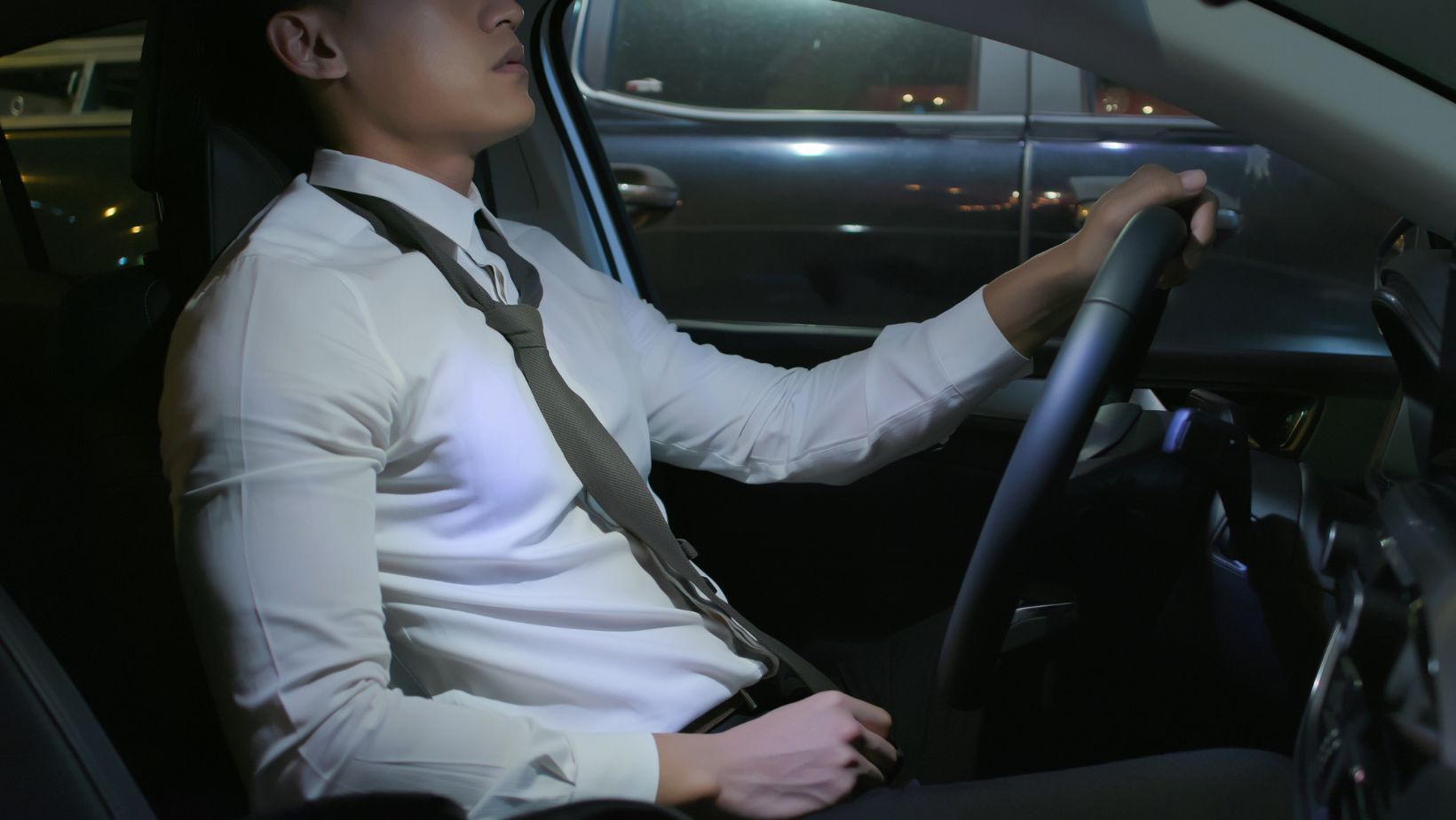
The legal landscape of automotive liability becomes significantly more complex when an accident involves a driver who is not the actual owner of the vehicle. These scenarios happen every day as friends and family members borrow cars for routine errands or trips. It is a very common part of modern life.
Determining who is financially responsible for the resulting property damage and medical bills requires a thorough look at the underlying insurance contracts involved. It is a puzzle that insurance adjusters and legal teams must solve using established state laws and policy language. Every detail matters for the final and just resolution.
Most people feel confused about how insurance coverage works after a crash, especially when multiple policies may apply. Questions often arise about how the vehicle owner’s policy interacts with the driver’s personal coverage. To gain clarity, it is important to understand whether insurance follows the car or the driver in most situations. Knowing how these rules apply can help you protect your financial interests after an accident.
The Concept Of Permissive Use
Permissive use is a foundational legal concept that applies when a vehicle owner gives explicit or implied consent to another person to operate their car. This permission extends the coverage of the owner’s insurance policy to the guest driver during their trip. It is a primary part of the insurance contract for everyone.
Implied consent can be established through a history of shared vehicle use or the presence of the keys in a common area of the home. However, disputes often arise if the owner claims they specifically told the person not to drive. These disagreements can complicate the legal standing of the driver and owner.
Establishing the existence of this permission is a critical step in ensuring that the insurance company honors the claim for damages. Without clear consent, the insurer may attempt to deny coverage entirely. Documentation of the relationship helps prove the validity of the use. Cooperation is the key to a much fairer result.
Primary Versus Secondary Insurance Limits
When a borrowed vehicle is involved in a collision, the legal system must determine the order in which the different insurance policies will pay. In most situations, the insurance attached to the specific vehicle is considered the primary source of financial recovery. This ensures the costs of the accident are covered immediately.
This means the owner’s policy pays first for the medical bills and the property damage caused by the accident. The driver’s own personal insurance policy acts as a secondary layer that kicks in only after the primary limits are fully exhausted. This hierarchy protects the interests of all the parties involved.
Coordinating these benefits requires a professional look at the specific language found within both of the active insurance contracts. This hierarchy ensures that the total costs are covered while preventing any confusion about who is responsible. Following the rules leads to success. Staying organized is the key to a very successful recovery.
Excluded Drivers And Policy Violations
An excluded driver is a specific individual named in the insurance policy who is explicitly barred from operating the vehicle by the owner. This is often done to lower the monthly premiums by removing a high risk person from the household coverage pool. It is a calculated and very serious financial and legal move.
If an excluded driver takes the wheel and causes a crash, the insurance company will almost certainly deny any and all claims for damages. The owner then becomes personally liable for the total costs of the collision and the resulting trauma. This creates a massive risk for the personal wealth and health.
Policy violations like this can lead to a total financial disaster for the family and a permanent loss of insurance eligibility. It is vital to understand the serious risks of allowing a restricted person to drive. Compliance with the policy is the only safe. Discipline is the foundation of any long and successful future.
Liability For Uninsured Borrowed Vehicles
Operating a borrowed vehicle that lacks basic state mandated insurance coverage puts the driver at an incredible and very dangerous financial and legal risk. If an accident occurs, there is no primary policy available to pay for the harm or the property damage. It is a very serious and heavy hurdle.
In these scenarios, the driver’s own insurance policy may provide some protection, but the lack of an underlying owner’s policy complicates the claim. The driver may face personal lawsuits and traffic citations for operating an uninsured vehicle on the public roads. This neglect can lead to a permanent loss of your driving.
The financial consequences can be devastating for an individual who was simply trying to help a friend or a family member with a ride. It is essential to verify that a car is fully insured before you ever get behind the wheel. Taking this step protects your future and your healthy success.
Navigating Complex Ownership Claims
Final determination of fault in a borrowed vehicle collision involves a sophisticated analysis of the specific facts and the local statutes. Investigators must look at the driver’s behavior and the owner’s level of responsibility for allowing the person to take the car. It is a very thorough and clear process today.
Reaching a fair and just resolution provides the resources needed for a healthy recovery and long term financial stability for the victims. It ensures that the responsible parties are held accountable for their actions during the sudden and very violent crash today. This provides a sense of closure for every single person.
Professional guidance helps families navigate these complex ownership claims with total confidence and strength. Staying informed ensures a bright and very secure future. Following the law is the best way to move forward.