
Pallet jacks are an essential tool in warehouses, retail stores, manufacturing facilities, and even small businesses that handle inventory. They are simple yet powerful devices designed to lift and move heavy pallets with ease.
In this blog post, we’ll break down what pallet jacks are, how they work, the types available, their benefits, and how to choose the right one for your needs. Whether you’re new to material handling or looking to brush up on your knowledge, this guide has you covered.
What Is a Pallet Jack?
A pallet jack, sometimes called a pallet truck or pump truck, is a manually operated or powered tool used to lift and move pallets. At its core, a pallet jack consists of a pair of forks that slide under a pallet and wheels that allow operators to roll it across a floor. The lifting mechanism raises the pallet just enough to clear the ground, enabling transport without the need for a forklift.
Pallet jacks are most commonly used for short-distance movement of goods and for loading or unloading trucks. They are praised for their simplicity, affordability, and reliability.
How Pallet Jacks Work
Pallet jacks operate with a simple hydraulic system. When the handle is pumped up and down, hydraulic fluid is forced into a cylinder, which in turn raises the forks. Once the pallet is lifted, the operator can pull or push the pallet jack to move the load.
There are three main actions involved in using a manual pallet jack:
- Lowering the forks: By releasing a lever on the handle, the hydraulic fluid returns to the reservoir and the forks lower to the ground.
- Lifting the pallet: Pumping the handle elevates the forks and the pallet.
- Transporting the load: With the pallet raised, the user steers the pallet jack to the desired location.
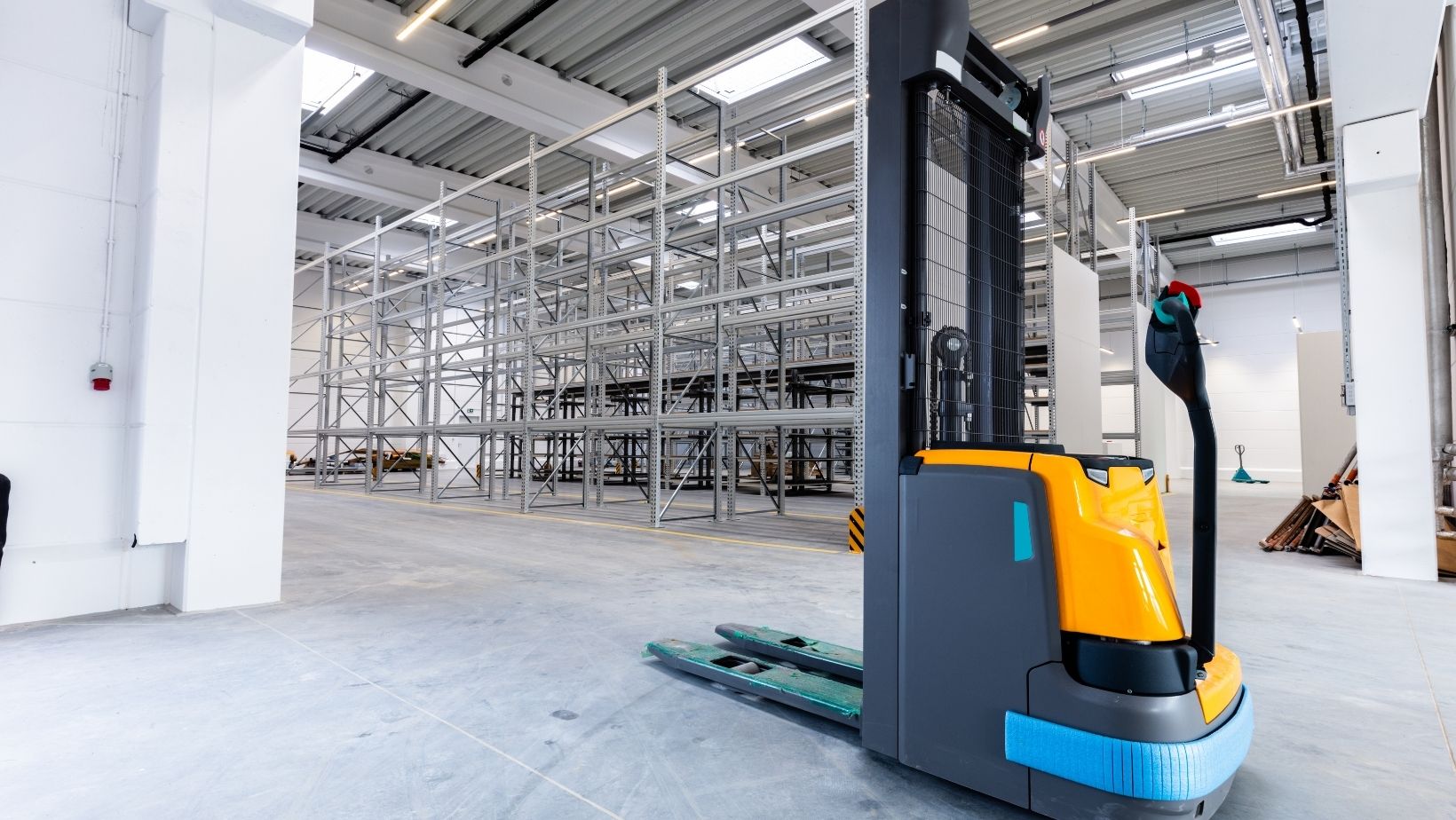
Electric pallet jacks use a battery-powered motor to assist with lifting and moving, reducing the physical effort required by the operator.
Types of Pallet Jacks
Different settings and tasks call for different types of pallet jacks. Here’s a closer look at the most common varieties:
Manual Pallet Jacks
Manual pallet jacks are the most basic and widely used type. They rely entirely on physical effort to operate.
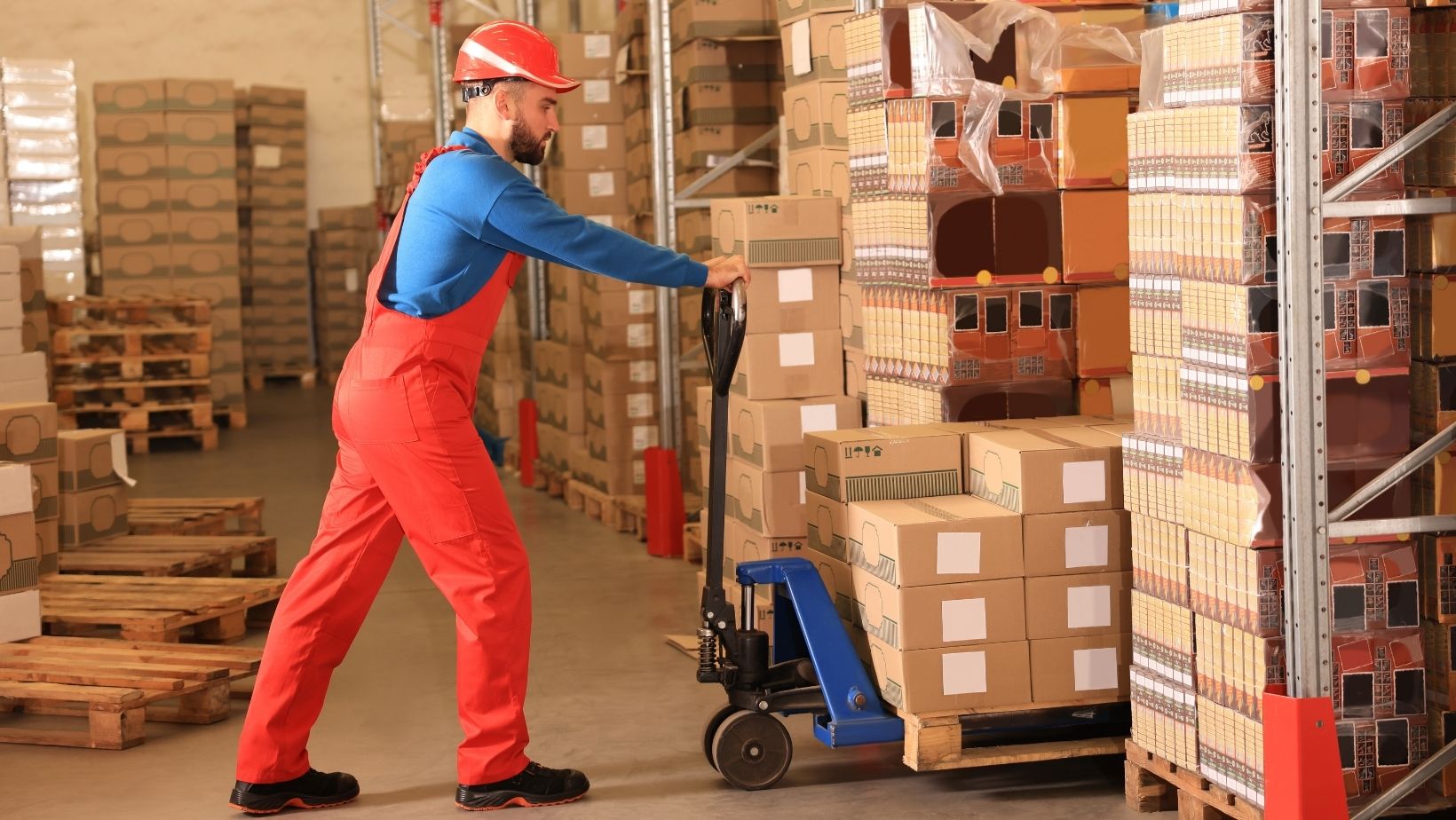
These are ideal for small to medium loads and environments where lifting and moving doesn’t happen constantly throughout the day.
Electric Pallet Jacks
Electric pallet jacks are equipped with an electric motor that assists with lifting and moving. These are perfect for businesses that frequently move heavier loads or need to improve efficiency. They reduce strain on the operator and can help speed up workflow.
High-Lift Pallet Jacks
High-lift pallet jacks can raise pallets higher than standard jacks, making them suitable for tasks where pallet stacking or elevated positioning is required. They bridge the gap between a pallet jack and a forklift for certain types of operations.
Weighing Pallet Jacks
Some pallet jacks come with built-in scales that allow operators to weigh loads as they move them. This feature can be useful in busy warehouses where weighing loads separately would slow down the process.
Key Benefits of Using Pallet Jacks
Pallet jacks might look simple, but they offer a range of benefits that make them indispensable in many workplaces.
Improved Efficiency
Pallet jacks streamline the process of moving goods. Instead of lifting heavy items manually, operators can use a pallet jack to reduce time and effort, especially when moving several pallets.
Cost-Effective Solution
Compared to larger equipment like forklifts, pallet jacks are relatively inexpensive. They require minimal maintenance and have a long service life, making them a smart investment for many businesses.
Increased Safety
Properly used pallet jacks improve workplace safety. They reduce the risk of injuries associated with heavy lifting and can help prevent accidents when moving large or bulky loads.
Versatility
Pallet jacks are useful in a wide range of settings, from small shops to large warehouses. Their design works on various floor types and in different space constraints.
Choosing the Right Pallet Jack
Selecting the right pallet jack depends on a few key factors:
- Load Capacity: Consider the typical weight of the pallets you’ll be moving. Manual jacks can handle lighter loads, while electric jacks are better for heavier items.
- Frequency of Use: If you’re moving pallets frequently throughout the day, electric pallet jacks can save time and reduce fatigue.
- Floor Conditions: Smooth concrete floors are ideal, but some jacks come with specialized wheels for rougher surfaces.
- Lift Height Required: If you need to raise pallets above standard heights, high-lift models may be more appropriate.
Taking time to evaluate your specific needs will help you choose a pallet jack that enhances productivity and fits your budget.
Maintaining Your Pallet Jack
Regular maintenance will ensure your pallet jack performs well for years. Key maintenance tips include:
- Checking hydraulic fluid: Low fluid can affect lifting performance.
- Inspecting wheels: Worn or damaged wheels can make steering difficult.
- Lubricating moving parts: This keeps the jack operating smoothly.
- Cleaning regularly: Dirt and debris can interfere with performance.
Routine checks help catch issues early and prevent costly repairs.
Conclusion
Pallet jacks are essential tools in material handling that offer efficiency, safety, and cost savings. Whether you’re managing a warehouse, retail space, or small business inventory, understanding the types of pallet jacks and how to choose the right one can make a big difference in daily operations. With proper use and maintenance, pallet jacks provide reliable support for moving loads with minimal effort. Investing time in selecting the right model and caring for it properly ensures your equipment works hard for you.