
Everyone knows that sound. It is the soft pop when you stand up from a low chair. It is the slight grit you feel behind the kneecap after a long Sunday hike. For families that live on the move, these tiny signals are more than just noise; they are the early warnings of a joint system that is running dry. We talk a lot about muscle strength or cardio health. We rarely talk about the literal grease in the gears.
Joints are mechanical. They are biological, sure, but they function on the principles of physics. You have two bones meeting. You have cartilage acting as a buffer. Then, you have the most overlooked part: the fluid. It is the natural oil of the body. When that fluid thins out, the whole family dynamic changes. Dad stops playing goalie in the backyard. Mom skips the morning run. The “active” part of the family starts to fade.
The Science of the Squeeze
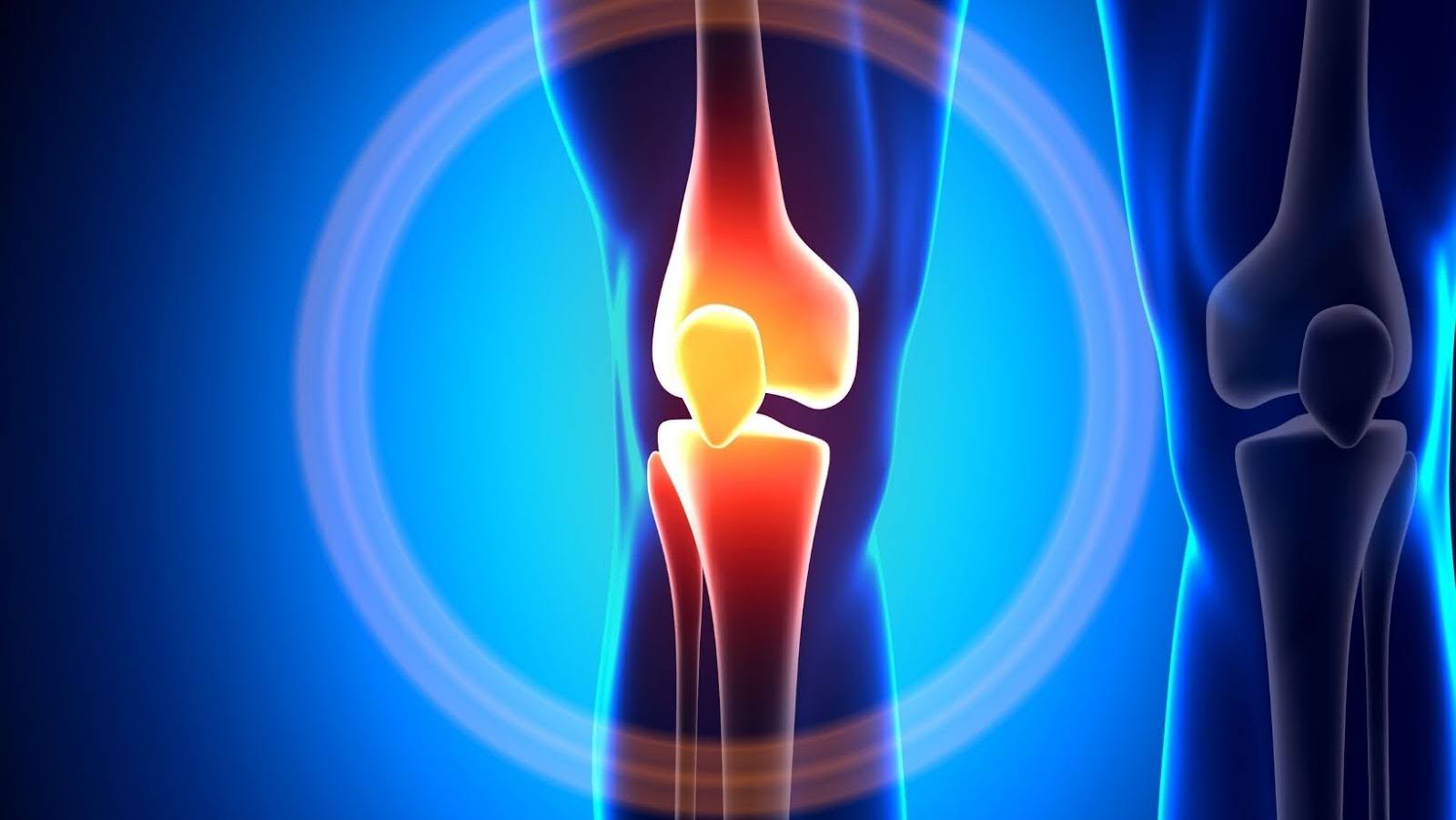
Think about your car. You would never dream of driving across the country with an empty oil tank. Your knees are the same. Inside that joint capsule, there is a substance called synovial fluid. It is thick. It is viscous. It is supposed to be there to absorb the shock of every step, jump, and pivot.
As we age, or simply through high-mileage living, this fluid loses its punch. It becomes watery. It loses the ability to bounce back under pressure. This is where the discomfort starts. It is not always a sharp pain; often, it is just a heavy feeling. A stiffness that takes longer to work out in the morning. We call it wear and tear, but really, it is a loss of lubrication.
- Impact absorption: Healthy fluid acts like a hydraulic press, pushing back against weight.
- Nutrient delivery: This liquid is how your cartilage “eats” since it does not have its own blood supply.
- Friction reduction: Without it, bone-on-bone contact becomes an inevitability rather than a risk.
When Lifestyle Meets Biology
It is a bit of a catch-22. To keep joints healthy, you need to move. But if your joints hurt, you do not want to move. Active families hit this wall hard. You want to be the parent who can crawl around in a fort or the grandparent who can still walk the zoo for four hours straight. When the lubrication fails, these “small” moments become chores.
We often turn to pills. Anti-inflammatories are the go-to. They mask the signal, though. They do not fix the mechanical issue of the dry joint. They just turn down the volume on the alarm. If the goal is long-term participation in family life, we have to look at how to supplement that lost cushioning. This is why many are looking toward viscous supplementation; a way to manually put back what time and activity have taken away.
The options for physical intervention have changed. Professionals now focus on the quality of the joint environment. They look at how to restore that “slip” and “slide” that makes movement feel effortless. For those who find that over-the-counter options are no longer cutting it, many people choose to purchase Synvisc products through their healthcare providers to get that concentrated relief. It is about replacing the shock absorber rather than just patching the tire. This shift in focus from “pain management” to “mechanical restoration” is a game changer for the weekend warrior.
Signs Your Family Activity Needs a Pivot
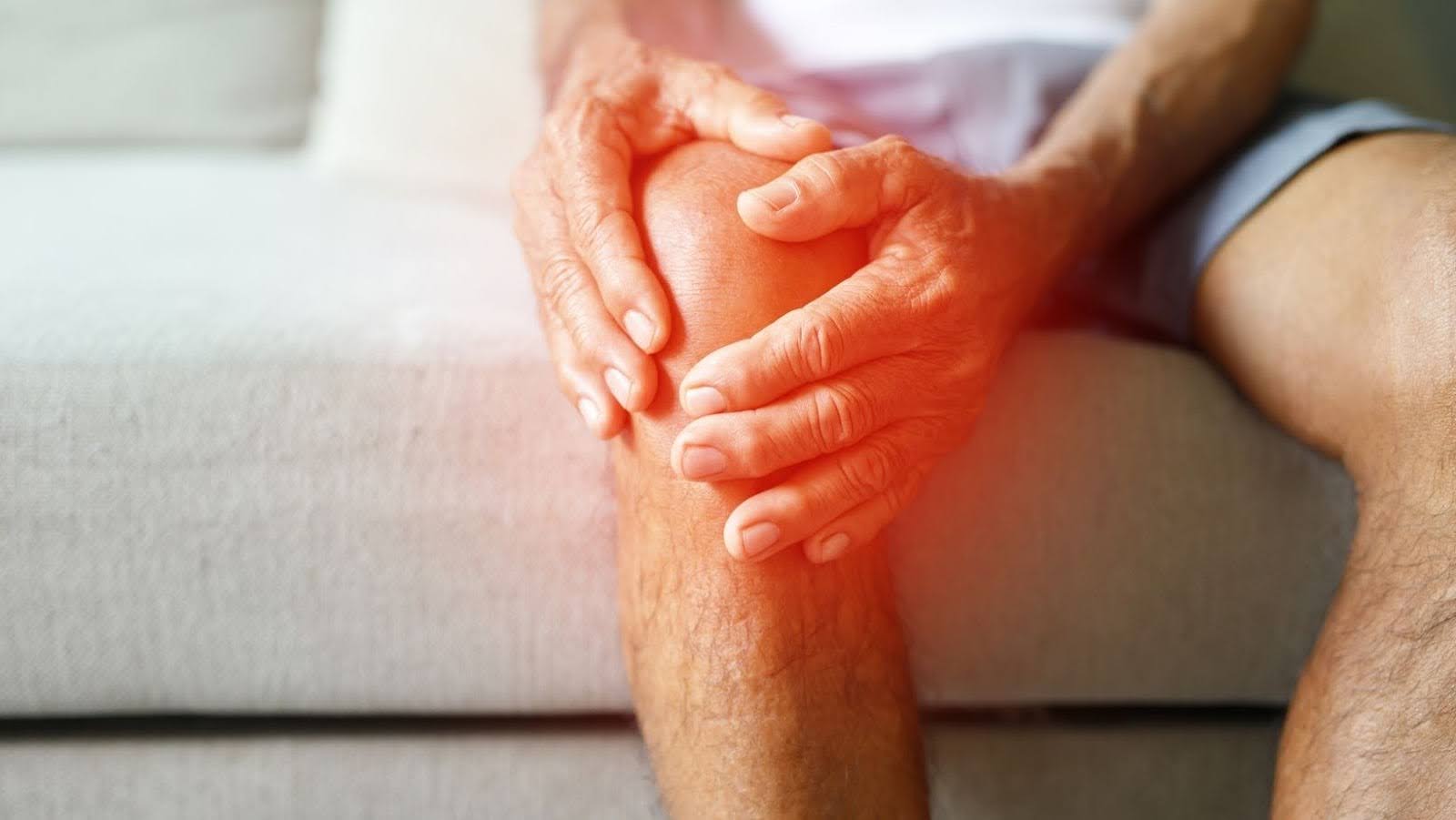
It is rarely a sudden collapse. It is a slow retreat from the things you love. You might notice you are choosing the flat trail instead of the hilly one. You might find yourself icing your knees after a simple grocery run. These are the moments to pay attention.
- Morning Stiffness: If it takes more than twenty minutes to “grease the wheels” in the morning, your fluid levels might be low.
- Swelling After Rest: Joints that puff up after you sit down are often reacting to internal friction.
- The “Weather” Knee: Feeling the rain in your joints is not an old wives’ tale; it is a sign of pressure changes affecting a sensitive, under-lubricated joint.
We have to be honest about the timeline. Knee health is a bank account. You spend it every time you go for a PR on the treadmill or carry a toddler up the stairs. If you aren’t making deposits back into that account; through diet, proper hydration, and medical intervention when necessary; you will eventually hit a zero balance.
Redefining Recovery for the Modern Parent
The old advice was “RICE”: rest, ice, compression, elevation. That is fine for an acute injury. It is less effective for the chronic thinning of joint fluid. Modern families need a proactive strategy. This involves a mix of low-impact loading and biological support.
Swimming is a classic for a reason. It allows the joint to move through its full range without the weight of the world crushing the cartilage. But even swimming requires a joint that can glide. If the internal environment of the knee is gritty, even a lap in the pool can feel inflamed. This is why the conversation is moving toward internal lubricants. We are seeing a shift where people treat their joints with the same technical respect they give their high-end mountain bikes or running shoes.
The Role of Viscosupplementation
What does it actually look like to lubricate a joint? It is a medical procedure, usually. A gel-like substance, often made of hyaluronan, is injected directly into the space. It mimics the natural fluid. It stays there for months. It provides that mechanical buffer that the body is struggling to produce on its own.
This isn’t just for the elderly anymore. We see parents in their thirties and forties opting for this. Why? Because they don’t want to miss the prime years of their children’s lives. They don’t want to be the one sitting on the bench while the rest of the group is exploring. The psychology of “staying in the game” is a powerful motivator.
Long-Term Joint Strategies
Movement is medicine, but only if the mechanics are sound. You cannot exercise your way out of a mechanical lubrication failure. You can, however, support your body so that exercise remains possible.
- Hydration: Synovial fluid is mostly water. If you are chronically dehydrated, your joints will feel it first.
- Weight Management: Every pound of body weight equates to about four pounds of pressure on the knee. Losing even five pounds is a massive win for your joint fluid.
- Targeted Strength: Building the quads and hamstrings creates a “natural brace” for the knee, taking some of the load off the fluid itself.
The goal is a seamless transition between life stages. You want to go from being the active parent to the active grandparent without a decade of sitting on the sidelines in between. That requires a bit of foresight. It requires listening to the creaks and pops before they turn into a limp.
Final Thoughts on the Active Path
We live in a world that demands a lot from our bodies. We are expected to work, play, travel, and keep up with a fast-moving family unit. Our knees are the foundation of that entire structure. When they start to signal distress, it is easy to feel defeated. It is easy to think that “getting old” just means giving up on the sports and activities that define us.
That does not have to be the case. The science of joint lubrication has come a long way. We have tools now that our parents didn’t have. We have a better grasp of how to maintain the biological machinery. Whether it is through smarter movement, better nutrition, or medical interventions that restore the cushion, there are ways to keep the engine running.
Take a look at your weekly routine. If you are avoiding certain tasks because you dread the “after-effect” in your joints, it is time to look at the lubrication. It is not a sign of failure; it is just maintenance. Keep the family moving. Keep the joints greased. The trail is still waiting, and there is no reason you shouldn’t be on it.