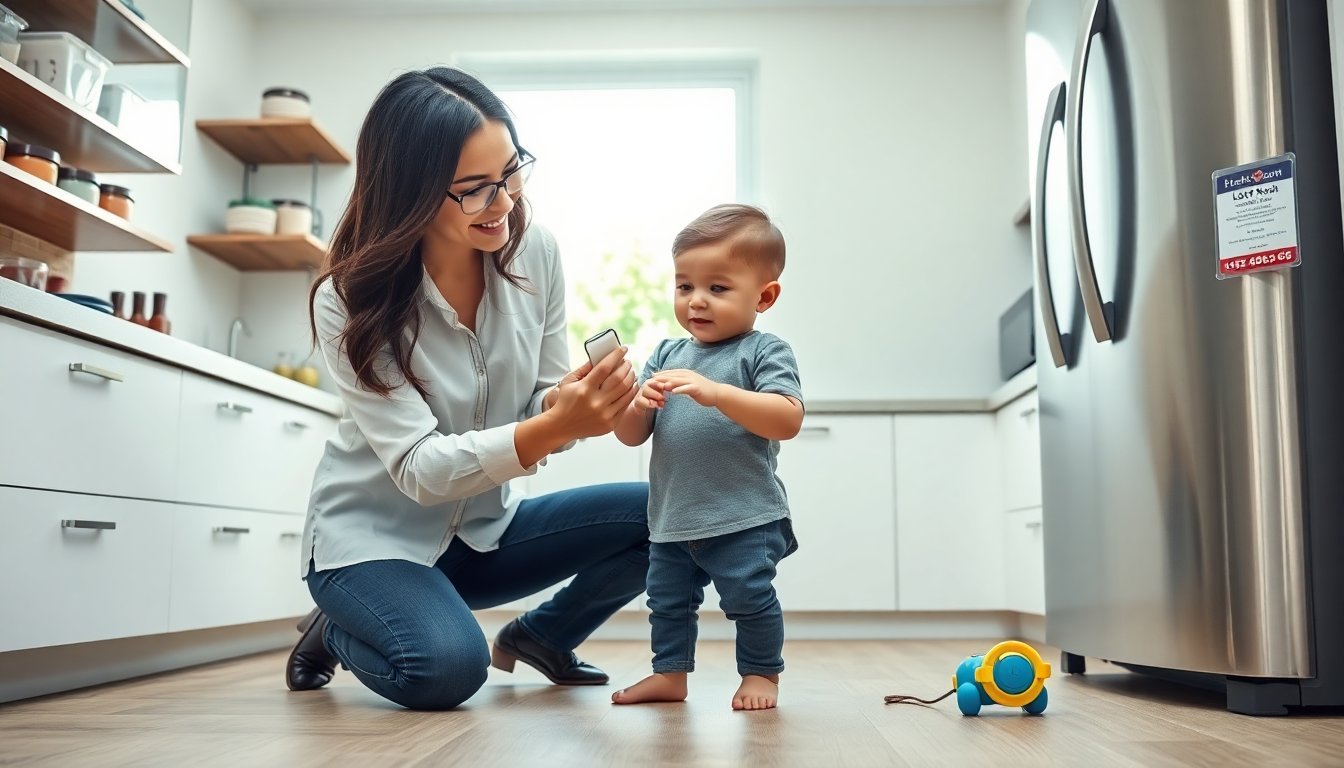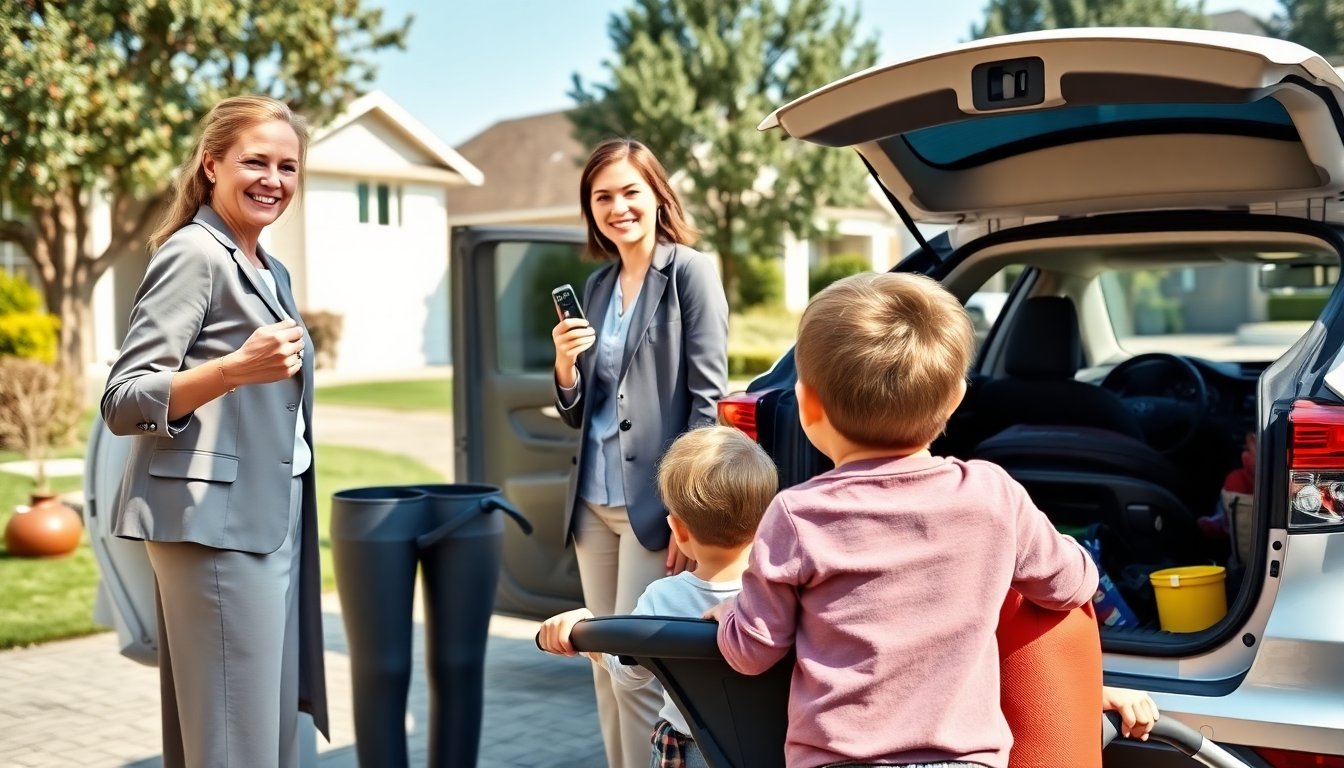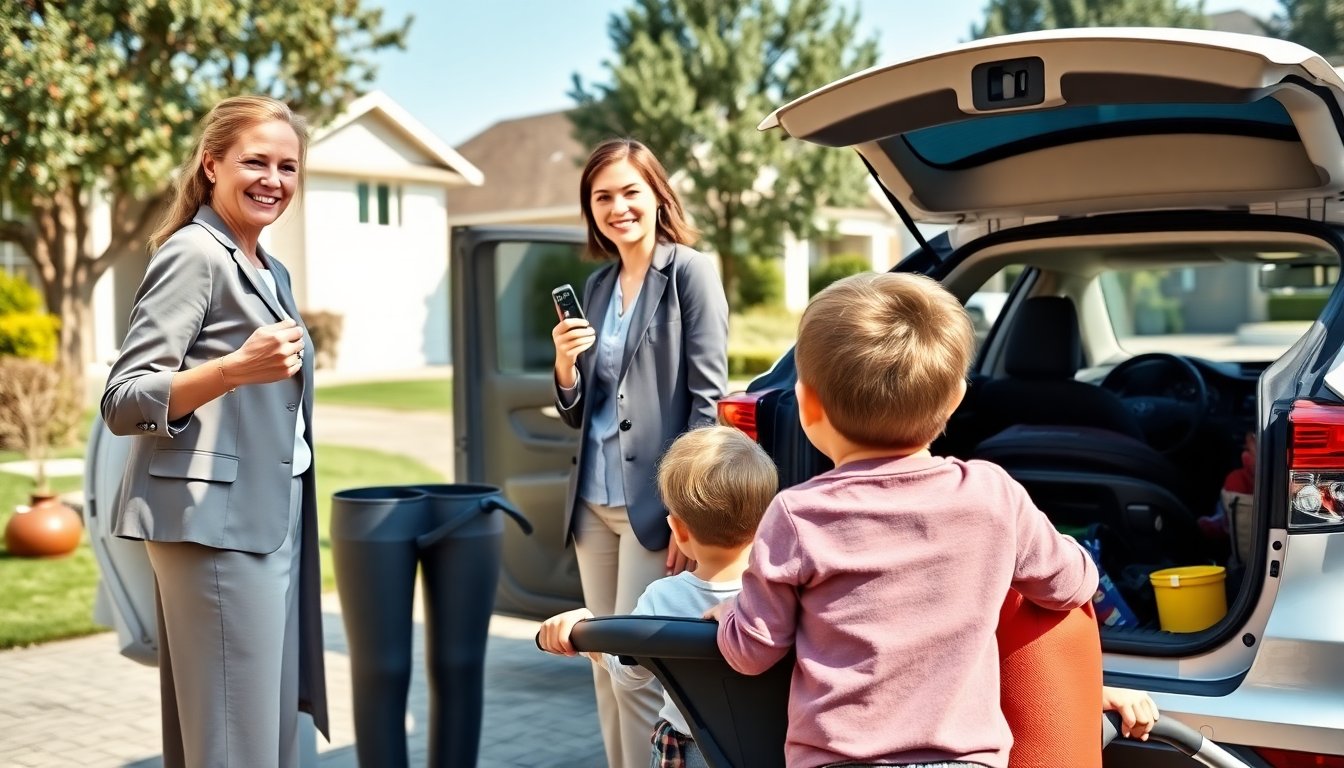


Life doesn’t exactly slow down when you have kids. It’s a constant cycle of lifting, bending, and chasing. One minute you’re hauling a toddler out of a car seat; the next, you’re carrying a heavy grocery bag while trying to keep a preschooler from bolting toward the parking lot. We talk a lot about the mental load of parenting, but the physical toll is just as real.
Most of us don’t notice it at first. We’re young and resilient. Then one morning, you go to pick up a stray LEGO from the floor and your knee makes a sound like a dry branch snapping. That’s the wake-up call. It’s not about getting “fit” in the gym sense. It’s about keeping the machinery running so you aren’t sidelined by the time they reach high school.
Joint health is often treated as a problem for the distant future. We think of it as something to worry about in our sixties, but the foundation for how we move in our later years is built during these frantic, high-impact parenting years. If we ignore the creaks and the dull aches now, we’re essentially just waiting for the check engine light to turn red.
Why Our Knees Are Feeling the Pressure
Gravity is a persistent opponent. When you add the extra weight of a growing child or a stuffed diaper bag, your joints are working overtime. Every time you squat down to offer a hug or a lecture, your knees bear the brunt of that force. It’s mechanical stress, plain and simple.
The issue isn’t just the activity; it’s the repetition. We do the same movements every single day. We carry kids on the same hip. We lean over the bathtub at the same awkward angle. This creates imbalances. One side of the body gets tight; the other gets weak. Over time, the cartilage that acts as our internal shock absorber starts to thin out.
Small Signs You Shouldn’t Ignore
- Stiffness that lasts more than ten minutes after you wake up.
- A “grinding” sensation when you take the stairs.
- Localized swelling after a particularly active day at the park.
- A sudden loss of flexibility that makes simple tasks feel like a chore.
When that cushioning in the joint begins to fail, the friction increases, which leads to inflammation. For many people, this is where the journey toward chronic discomfort begins. Finding ways to supplement that natural lubrication becomes vital. If you’re looking for options to help manage significant discomfort or osteoarthritis symptoms, you might purchase Orthovisc joint treatment to help restore that much-needed fluidity and protection within the joint capsule. Taking action early can prevent the kind of wear and tear that leads to a sedentary lifestyle later on.
The Myth of the “Perfect” Workout
Parents don’t have two hours for the gym. We barely have twenty minutes for a shower. The idea that you need an hour-long session to protect your mobility is a lie that keeps people stuck on the couch.
Movement is cumulative: five minutes of stretching while the coffee brews counts, a brisk walk to the bus stop counts. The goal should be functional strength. You want muscles that can support your joints, not just muscles that look good in a mirror.
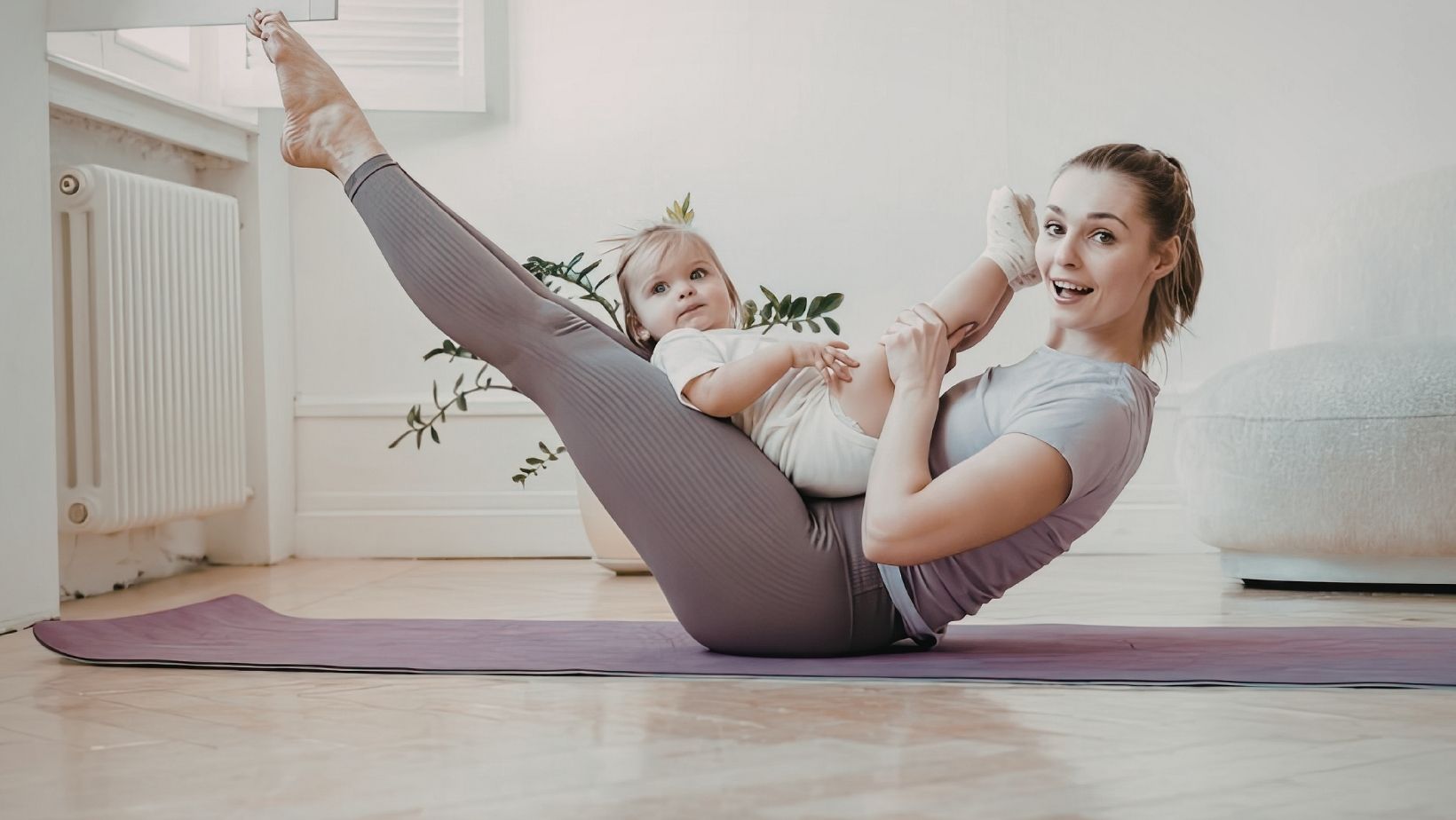
Focus on the posterior chain. These are the muscles on the back of your body: the glutes, hamstrings, and lower back. They are the power center. When these are weak, your joints, especially your knees and hips, have to pick up the slack. That’s a recipe for disaster.
Redefining “Active” in a Busy Schedule
We need to stop viewing exercise as an appointment. It’s a lifestyle adjustment. If you’re at the playground, don’t just sit on the bench. Stand up, pace, do some calf raises while you watch the slide. It feels silly, but your ankles will thank you.
Ways to Sneak in Mobility
- The Floor Transition: Instead of sitting on the sofa, sit on the floor with your kids. Getting up and down from the ground is one of the best indicators of long-term longevity.
- Single-Leg Balance: Try balancing on one foot while you brush your teeth. This builds the stabilizing muscles around your ankles and knees.
- The Grocery Carry: Use the weight of the bags to practice your posture. Keep your shoulders back and your core engaged.
Movement should be varied. If you only ever walk on flat pavement, your joints never learn how to handle uneven terrain. Take the kids on a trail. Walk through the grass. Challenge those tiny stabilizer muscles that keep your joints secure.
Nutrition and the Internal Environment
What we put in our mouths matters for our joints. Inflammation is the enemy of mobility. A diet high in processed sugars and trans fats acts like tinder for a fire. It keeps the body in a state of high alert, which can worsen joint pain.
Hydration is equally critical. Cartilage is mostly water. If you are chronically dehydrated, your joints won’t have the lubrication they need to glide. Think of it like oil in a car engine. Without it, things start to heat up and grind down.
Focus on Omega-3 fatty acids. They are found in fish, walnuts, and flaxseeds. These help dampen the inflammatory response. It’s not a miracle cure, but it provides the raw materials your body needs to maintain its tissues.
The Psychological Component of Staying Mobile
There is a fear that comes with joint pain. Once it starts to hurt, we tend to move less. We want to protect the area. Ironically, this is often the worst thing we can do. Movement encourages the flow of synovial fluid. This fluid delivers nutrients to the cartilage.
When we stop moving, the joint becomes even stiffer. The muscles around it atrophy. The pain increases. It’s a downward spiral. The trick is finding “safe” movement. Low-impact activities like swimming or cycling can keep the heart rate up and the joints moving without the heavy pounding of running.
Being a parent is an endurance sport. You have to train for it. This doesn’t mean you need to be an athlete; it means you need to be durable. You want to be the parent who can still play tag when they are ten, and the one who can go for a hike when they are twenty.
Changing the Narrative on Aging
We’ve been conditioned to accept physical decline as an inevitable part of getting older. We laugh about “bad knees” like they are a rite of passage. They don’t have to be. Much of what we attribute to age is actually the result of disuse.
Consistency beats intensity every single time. You don’t need to run a marathon. You just need to keep the hinges greased. Listen to your body. If it hurts, investigate why. Don’t just mask the pain with Ibuprofen and keep going. Address the underlying mechanics.