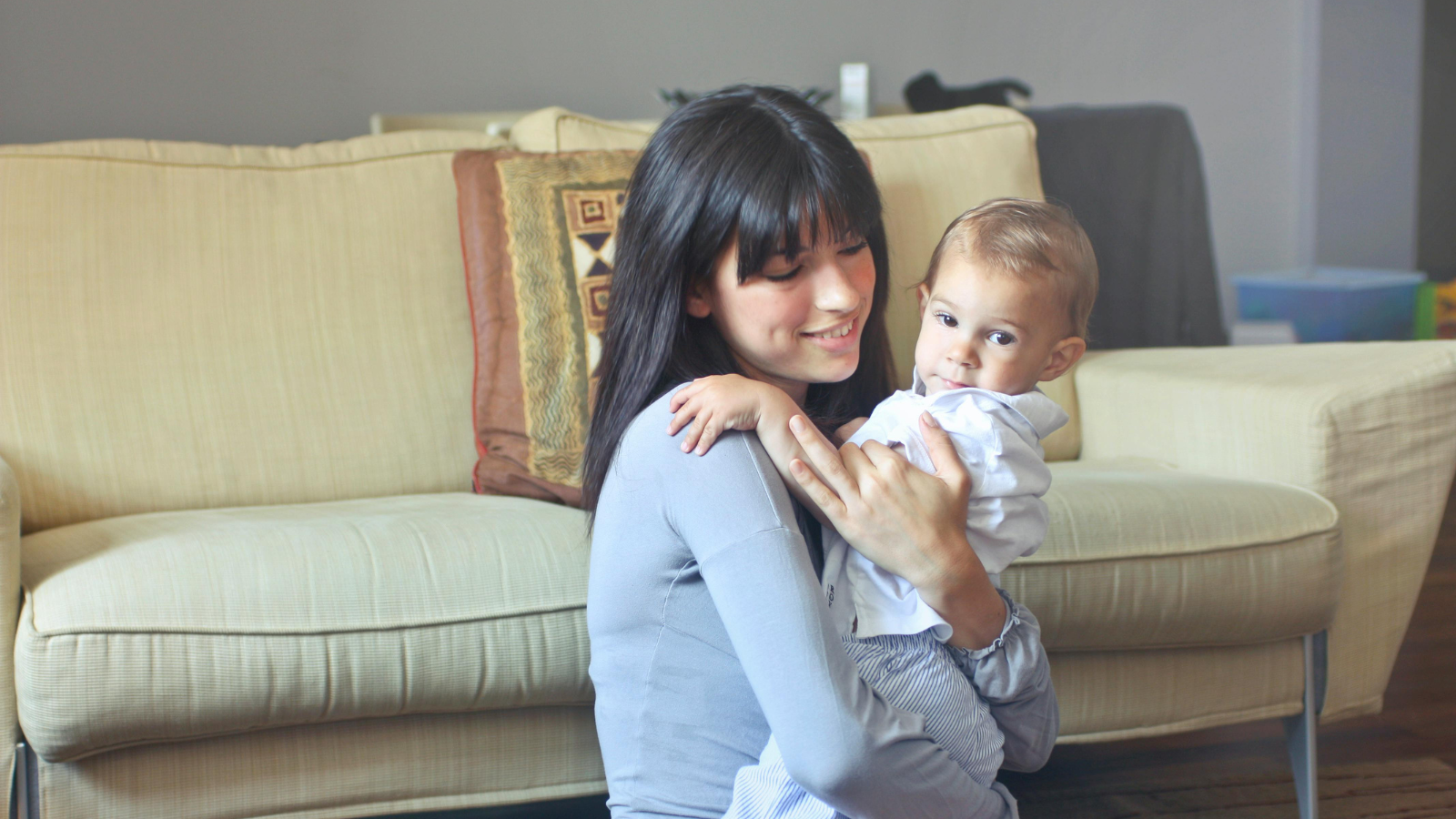

By the time Friday night rolls around, everyone in the house is tired in a different way. One person wants quiet. Another wants noise. Someone is hungry but does not know what they want. That is usually how “family night” falls apart before it even starts.
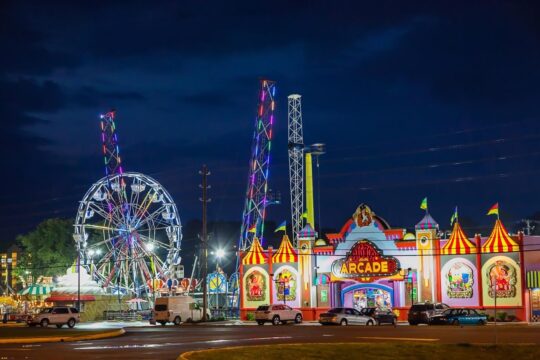
This is especially common in towns like Pigeon Forge, where families arrive with high hopes and long lists. There are shows, attractions, restaurants, mountain views, and enough activity to fill three weekends. Families love it because there is something for every age, and no one has to sit out. Still, even in a place packed with options, a good night does not happen by accident. It takes a bit of structure and a little restraint.
Start with a Clear Plan, Not a Packed One
An ultimate family night is about choosing one or two things and doing them well. When plans are stacked too tightly, small delays feel bigger. A slow meal turns into stress. A long line becomes an argument.
Pick a simple anchor for the evening. It might be dinner out. It might be a live show. It might be an activity that gives everyone something to watch or do together. Build the rest of the night around that anchor instead of trying to string together five separate stops.
Families often underestimate how much time transitions take. Parking. Walking. Waiting. Bathroom breaks. Those pieces add up. When they are accounted for, the night flows better. When they are ignored, tension creeps in.
Choosing Entertainment That Holds Everyone’s Attention
Keeping every age group engaged at the same time is not simple. Teens get restless if it feels childish. Younger kids lose focus if it slows down. Adults do not want to sit through something that feels like background noise. That balance is why pirate-themed attractions in Pigeon Forge, like Pirates Voyage Dinner & Show, draw steady crowds. At this family-friendly dinner show, the evening unfolds around a large indoor lagoon where pirate crews clash on full ships, with acrobatics overhead and sword fights. The show also features mermaids and live animals. All of it happens while a four-course pirate feast is served, so no one is stuck waiting or wandering off.
Interactive dinner shows tend to work well because food and entertainment happen at the same time. There is less downtime. Energy stays steady. The experience feels shared instead of divided. When entertainment is layered like that, it removes the need to fill gaps. No one asks what is next. The night carries itself.
Timing Is Everything
A solid plan can still miss the mark if the clock is ignored. Start too late, and the younger ones hit a wall halfway through. Start too early, and the older kids act like they were dragged out before they were ready. It helps to think about when everyone is usually at their best, not just when tickets are available. Some families slow down after dinner. Others seem to wake up once the sun sets. Work with that instead of against it.
Food plays into this more than people admit. If dinner is part of the night, make sure it is enough. If it is not, grab something small first. A simple snack can save the mood later on.
Build in Breathing Room
A good family night needs a little slack in it. If every minute is spoken for, it starts to feel like a checklist instead of time together. Leave room to drift. Maybe you stop to look at something that was not on the plan. Maybe a joke lands, and the group stands there laughing longer than expected. That space matters.
Getting there a bit early helps more than people think. Walking in without rushing lowers everyone’s guard. The mood settles. After the main event, it is tempting to tack on one more stop, especially if spirits are high. Usually, it is better to call it there. Ending while everyone still feels good sticks longer. Small mishaps will happen. They always do. Let them pass.
Keep Expectations Real
The phrase “ultimate family night” can create pressure. It sounds like something that must be flawless. In reality, the best nights are often simple. What matters most is shared focus. Phones away. Conversations that last longer than a few minutes. Reactions that are experienced together instead of through separate screens.
There is a trend now of documenting everything. Photos, videos, quick posts. While capturing a memory can be nice, constant recording pulls people out of the moment. Choose a few snapshots and then let the rest happen without commentary. When expectations are realistic, small moments feel bigger. A joke that lands. A surprising twist in a show. A child leaning in close during a loud scene. Those details become the story later.
Let Everyone Have a Say
Planning should not fall on one person every time. Rotate the responsibility. Let a different family member choose the activity or theme. When people feel included in the decision, they show up differently. They are more invested. Complaints reduce because the plan was not imposed.
This does not mean giving total control to the youngest voice in the room. It means asking for input and finding overlap. Sometimes the best ideas come from combining suggestions. Dinner at one person’s favorite place, followed by another person’s choice of entertainment.
Shared planning leads to shared ownership.
End with Something Small and Familiar
The final piece of a strong family night is the landing. A short walk. A dessert stop. A quiet drive home with music playing softly. Something that signals the night is winding down. Transitions back home matter. If everyone is sent straight to bed without a pause, the energy feels cut off. A small ritual, even five minutes long, helps the evening settle.
Over time, these nights build their own rhythm. They become less about the specific event and more about the habit of coming together. The planning gets easier. The arguments get shorter. The laughter feels less forced.
An ultimate family night is not built on spectacle alone. It is built on attention. Choose one solid experience. Time it well. Leave space around it. Then let the rest unfold the way family life usually does, a little messy, a little loud, and often better than expected.