
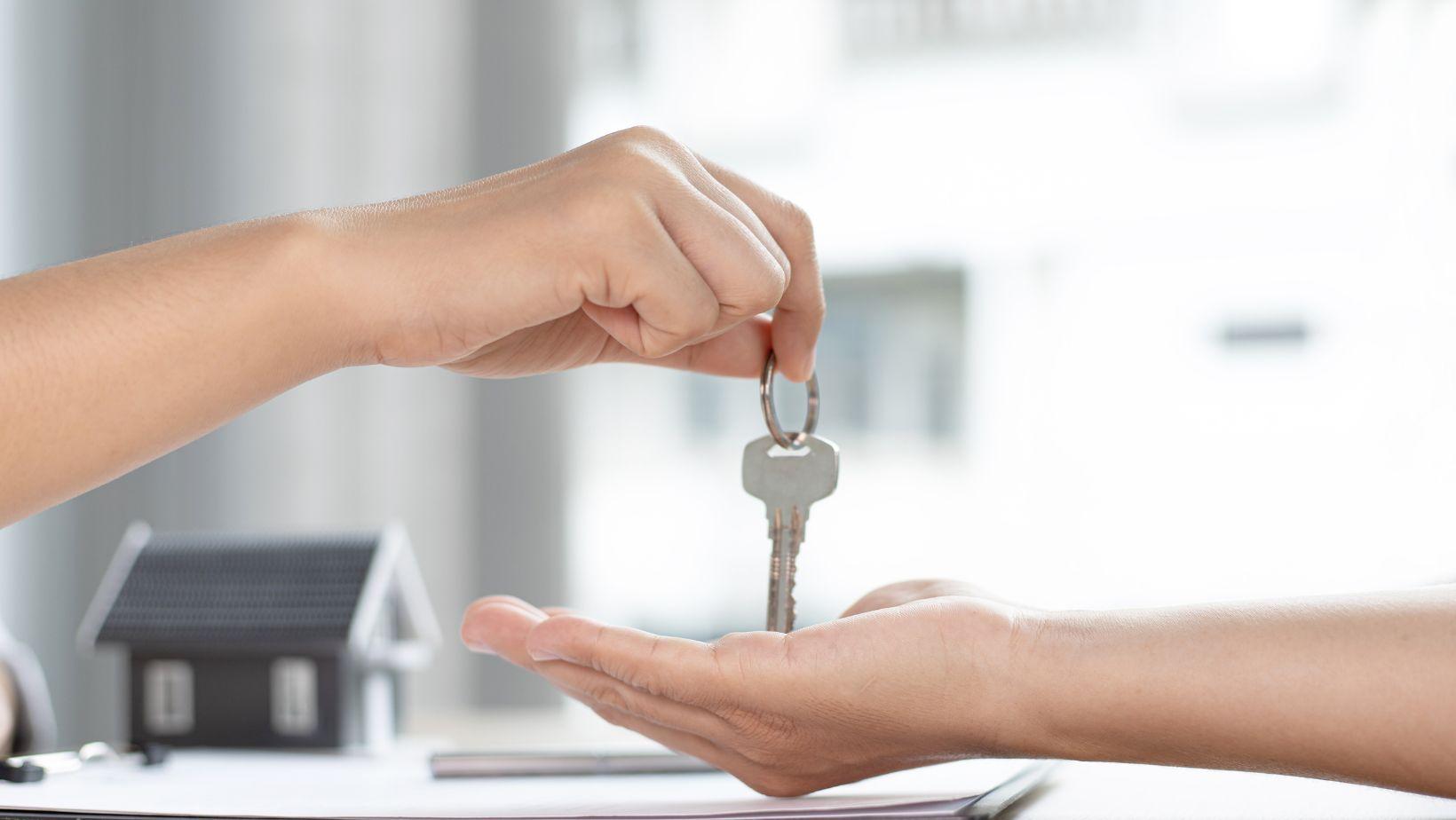
Not every home upgrade is worth the money. The ones that are tend to share a quiet logic — they solve real problems, they last, and when the time comes, buyers notice.
Owning a family home is one of the most significant financial commitments most people will ever make. And yet, once the keys are in hand, many families face a steady stream of decisions about what to do next. Which rooms to update. Which systems to replace. Which projects to put off until later. The pressure to improve is real, but so is the risk of spending money on things that return nothing when it matters most.
The good news is that some investments do pay off. Consistently, measurably, and often in more ways than one. They add comfort and function in the short term, and they protect or grow your home’s value over the long term. The challenge is knowing which ones those are.
Why the Right Upgrades Matter More Than You Think
Most homeowners underestimate how directly their renovation choices affect resale value. A home that has been maintained and thoughtfully improved does not just sell faster — it sells for more. Buyers at every price point pay close attention to the condition of key systems and spaces, and they discount heavily for anything that looks like a problem waiting to happen.
But resale value is only part of the picture. The right upgrades also reduce monthly costs, lower maintenance headaches, and make daily life more comfortable. Done well, they do three things at once: they save money now, increase value later, and improve quality of life in between. That triple return is what separates a smart home investment from a vanity project.
70–80%
Avg. ROI on kitchen remodels
4–6×
Energy savings from insulation upgrades
$20K+
Typical value added by a second bathroom
Kitchen Upgrades That Buyers Always Notice
Focus on function, not flash
The kitchen is consistently one of the highest-return rooms in any family home. Not because of dramatic transformations, but because it is used constantly and its condition signals the overall care put into a property. A well-functioning kitchen with updated appliances, durable countertops, and solid cabinetry tells buyers something important: this home has been looked after.
You do not need to gut the entire room to see a return. Replacing cabinet fronts rather than full units, upgrading to energy-efficient appliances, and installing a new countertop surface — stone, quartz, or a quality laminate — can collectively add meaningful value without a six-figure budget. The key is coherence. A kitchen that looks deliberately designed will always outperform one that feels patchy and improvised.
Mid-range kitchen remodels consistently return between 70 and 80 cents on the dollar at resale. For a family planning to stay in a home for five to ten years, the daily benefit on top of that financial return makes it one of the clearest investment decisions available.
Energy Efficiency: The Upgrade That Pays Every Month
Lower bills today, higher value tomorrow
Energy efficiency improvements are unusual in that they start paying dividends immediately, before any future sale. New insulation, double- or triple-glazed windows, a modern heating and cooling system, and a smart thermostat can cut household energy bills significantly — sometimes by hundreds of pounds or dollars per year.
Buyers increasingly factor energy costs into their purchase decisions. A home with a good energy rating is a cheaper home to run, and that matters. In many markets, energy-efficient properties command a measurable premium over comparable homes with poor ratings. Solar panels are a longer-term play, but in the right climates and with the right incentives, they can push a home’s appeal well ahead of neighbouring properties.
Improving a home’s energy rating from D to B can reduce annual heating costs by up to 60% — a saving that compounds year after year.
Insulation deserves particular attention. It is rarely glamorous, but loft insulation and cavity wall insulation deliver some of the strongest returns of any home improvement. They are also among the least disruptive upgrades to install, which makes them easy wins for families who want impact without upheaval.
Bathroom Additions and Renovations
More than a luxury — it’s a practical necessity
For growing families, a second bathroom is not a luxury. It is a daily quality-of-life issue. And when the time comes to sell, it is a feature that practically sells itself. Homes with more bathrooms than competing properties in the same price bracket consistently sell faster and for more money.
Adding a bathroom from scratch is a significant project, but it does not require enormous space. Converting an underused bedroom corner, a large landing area, or an accessible basement section into even a simple shower room can add notable resale value. The investment tends to return between 60 and 80 percent of its cost, with the added benefit of making the home significantly more functional in the meantime.
Existing bathroom renovations — replacing old suites, improving ventilation, re-tiling, and modernising fixtures — also tend to perform well. Buyers expect bathrooms to be clean, dry, and updated. A dated or poorly maintained bathroom is one of the most common reasons buyers reduce their offers.
Using Home Equity to Fund Meaningful Improvements
Putting your home’s value to work
One of the most practical ways families fund significant home improvements is by leveraging the equity they have already built up in their property. As your home’s value rises and your mortgage balance falls, that gap becomes an asset — and it can be accessed strategically. Many homeowners explore a home equity loan online as a starting point, using digital platforms to compare rates and terms from multiple lenders before deciding on the most cost-effective way to finance larger projects like extensions, full kitchen overhauls, or energy system upgrades. The key is ensuring that the improvements funded this way add more value to the property than the cost of the borrowing itself — a calculation that often works in favour of investments like those covered in this article.
Used thoughtfully, equity-backed financing allows families to make improvements they might otherwise delay for years, capturing both the lifestyle benefit and the value uplift sooner rather than later.
Outdoor Spaces and Kerb Appeal
First impressions are financial decisions
A home’s exterior does a lot of selling before anyone steps inside. Kerb appeal — the impression a property makes from the street — affects buyer perception from the first moment. A tidy, well-maintained front garden, a freshly painted front door, and good external lighting can shift a buyer’s attitude before they have even parked the car.
In the back garden, the calculus is slightly different for family homes. Practical outdoor spaces — solid decking or patio areas, good fencing for privacy and child safety, and low-maintenance planting — tend to perform better than elaborate landscaping that future owners may not want to maintain. A functional, safe outdoor space is a real feature for families. An ornamental garden requiring specialist upkeep is often perceived as a liability.
Outdoor improvements also tend to be among the more affordable investments on this list, which makes their return ratio particularly attractive.
Loft and Basement Conversions
Adding space without extending the footprint
Few improvements add as much value as usable square footage. Loft conversions, in particular, are considered one of the highest-return home investments available. A well-executed loft conversion — with proper insulation, natural light, and safe stair access — can add a bedroom, home office, or flexible family room that genuinely changes how a home is used.
Basement conversions follow similar logic, though the costs are typically higher. Where the space already exists and the conversion is structurally straightforward, the return can be excellent. Where significant excavation or waterproofing is required, the numbers need careful scrutiny.
Both conversions benefit from professional design and structural oversight. Done cheaply and poorly, they can cause problems. Done well, they consistently rank among the most impactful investments a homeowner can make.
Conclusion
The homes that hold and grow their value are rarely those where money was spent without a clear purpose. They are the ones where owners made deliberate choices — addressing what matters to daily life, what appeals to future buyers, and what protects the structure and systems of the property over time.
The best home investments share a few qualities: they solve real problems, they last, and they make the property genuinely better — not just more expensive. Families who approach home improvement with that lens tend to come out ahead, regardless of what the wider market is doing. The decisions made in the early and middle years of ownership shape what a home is worth at every stage that follows.