
Building a detached accessory dwelling unit is one of the more involved projects a homeowner can take on. It touches zoning, structural design, utilities, and the daily rhythm of your property — which means the contractor you choose matters just as much as the design itself. Picking the right dadu contractor from permitting through final walkthrough is often the single decision that determines whether the project stays on budget, on schedule, and genuinely livable once it’s done.
With so many contractors advertising ADU experience, it can be hard to tell who actually understands Seattle’s specific rules and who is simply applying general residential construction knowledge to a project type they haven’t built often. Here’s what to look for before signing a contract.
Look for Real Seattle DADU Experience — Not Just General Construction
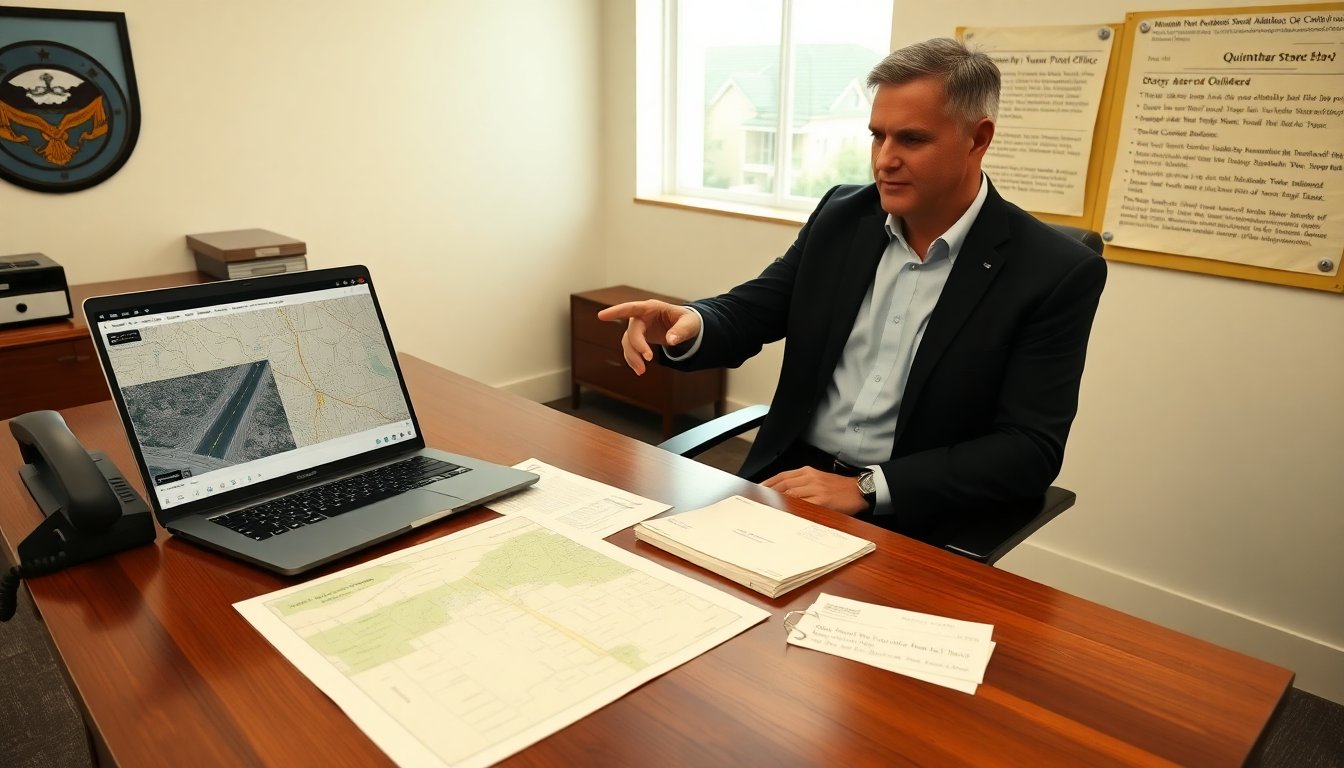
A DADU is not the same as a home addition, a garage conversion, or a standard remodel. It involves separate utility connections, independent egress, fire separation requirements, and a permitting path that runs through the Seattle Department of Construction and Inspections (SDCI). Contractors who haven’t built DADUs regularly may underestimate timelines or miss requirements that only show up once plans reach city review.
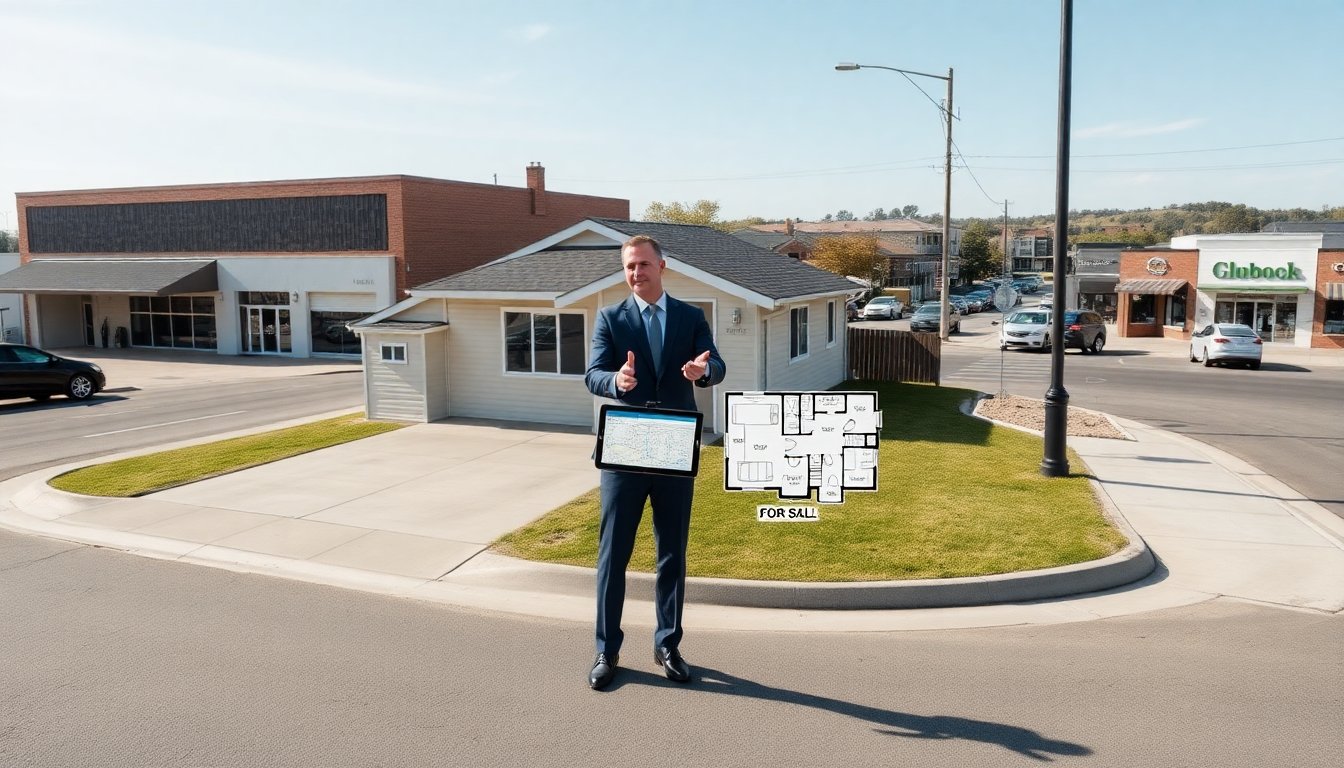
Ask directly how many detached ADUs the contractor has completed in Seattle specifically, not just accessory structures in general. A contractor who can walk you through several recent projects — including ones that ran into permitting snags and how they resolved them — is a much safer bet than one who is learning the process on your property.
Confirm Licensing, Bonding, and Insurance
This is a baseline requirement, not a differentiator, but it’s worth verifying directly rather than assuming. In Washington State, contractors are required to register with the Department of Labor & Industries (L&I) and carry an active bond and liability insurance. Before hiring anyone, ask for their L&I registration number and confirm it’s current and in good standing. A legitimate contractor will provide this without hesitation.
Review Their Portfolio With a Critical Eye
Photos of finished units only tell part of the story. Ask to see examples of DADUs similar in size or purpose to what you’re planning — a rental unit, a caregiver suite, a guest cottage — since the design priorities differ for each. If possible, ask for a reference you can actually speak with, not just a testimonial on a website. A short conversation with a past client will usually reveal more about communication style, how change orders were handled, and whether the finished project matched what was promised.
Understand How They Handle Design and Permitting
Some contractors offer design-build services, managing architecture, engineering, and permitting under one roof. Others expect you to bring your own architect and hand off a completed design for pricing and construction. Neither approach is inherently better, but you should know which one you’re getting before signing anything, since it changes how much coordination falls on you.
Ask specifically how the contractor handles:
A contractor who can answer these clearly, without vague reassurances, is generally one who has been through the process enough times to know where problems typically show up.
Get a Detailed, Itemized Estimate
A low bid that’s missing detail is often more expensive in the end than a higher bid that’s fully itemized. Estimates should break down site work, foundation, framing, utilities, finishes, and permitting fees separately, rather than presenting one lump figure. This makes it far easier to compare contractors accurately and to spot where corners might be cut.
Be cautious of estimates that seem unusually low compared to others — this is frequently a sign that certain costs, such as utility hookups or permit-related site work, have been left out and will surface later as change orders.
Ask About Timeline and Communication
DADU projects typically take several months from permitting through completion, and delays are common when permitting or supply issues arise. A trustworthy contractor will give you a realistic range rather than an overly optimistic number designed to win the job, and will explain how they communicate progress — whether through regular site visits, written updates, or a project management platform.
It’s worth asking directly: who will be your primary point of contact once construction starts, and how quickly can you expect a response if an issue comes up?
Check What Happens After Construction Ends
A well-built DADU should come with a workmanship warranty, and the contractor should be clear about what it covers and for how long. Ask how they handle post-completion issues — a stuck door, a plumbing adjustment, a settling crack — and whether that support is included or billed separately. Contractors confident in their work are typically upfront about this rather than vague.
Trust the Process, Not Just the Pitch
The right contractor won’t just tell you what you want to hear about size, timeline, or budget. They’ll walk you through what your specific lot allows, where the real constraints are, and how to design a unit that fits both the current rules and how you actually plan to use the space. Taking the time to vet experience, licensing, and communication upfront is what separates a DADU project that goes smoothly from one that turns into a source of stress for months on end.