
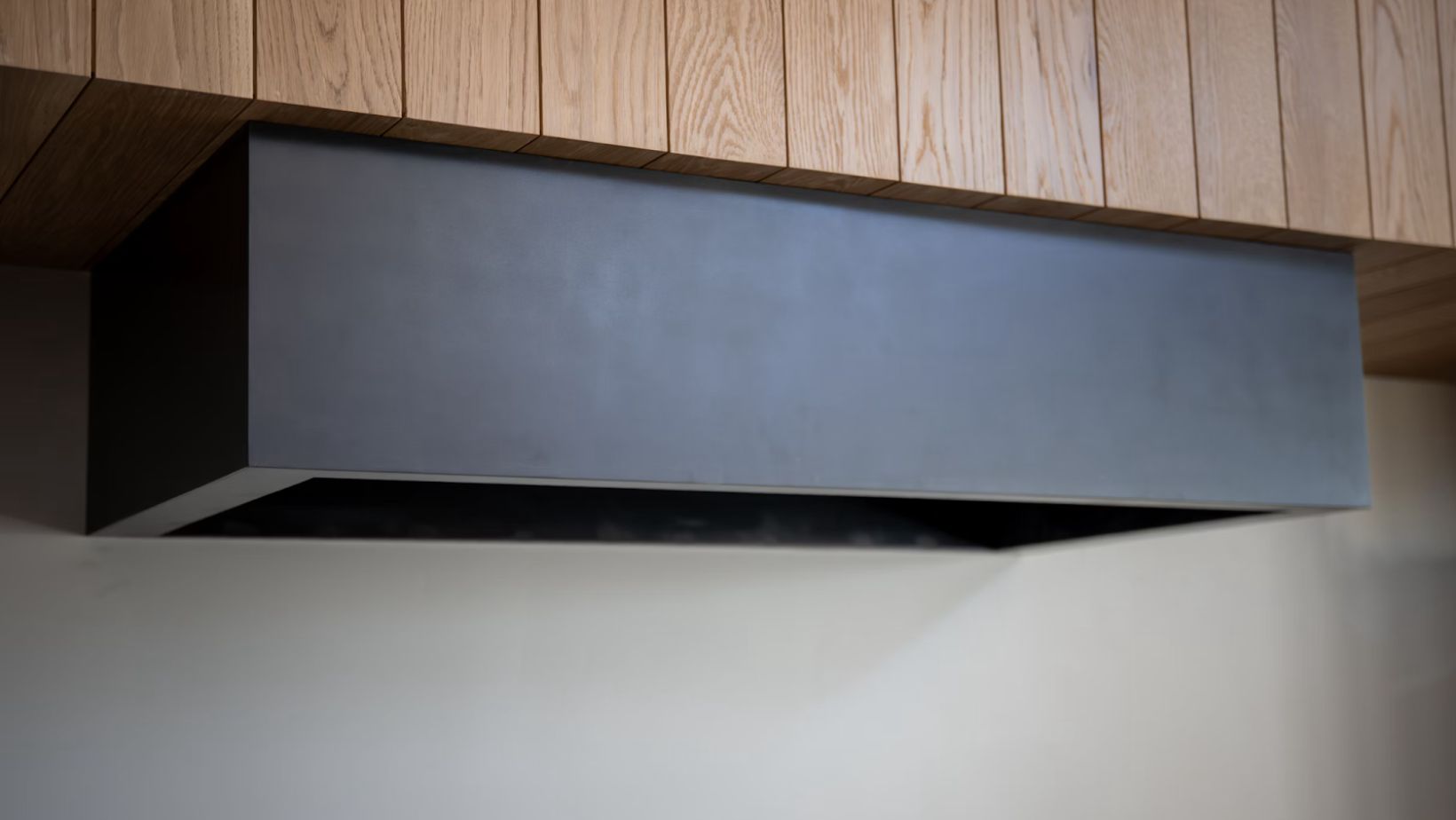
When you are cooking up something delicious, a smoky kitchen or stubborn food smells that linger for days are the last thing you want. The way out? Under cabinet range hoods. These kitchen assistants not only keep the air fresh, and remove grease and steam. They help turn your cooking experience into an enjoyable ritual.
When you are cooking up something delicious, a smoky kitchen or stubborn food smells that linger for days are the last thing you want. The way out? Under cabinet range hoods. These kitchen assistants not only keep the air fresh, and remove grease and steam. They help turn your cooking experience into an enjoyable ritual.
But with so many models on the market, choices might be challenging. This guide explores key features to look for when considering a hood. Read on to go for one that truly works for your lifestyle.
Ventilation Options: Ducted vs. Ductless
First things first, decide how your hood will vent air.
- Ducted (vented) hoods push air outside your home. These are the most powerful solutions if you cook often with lots of smoke or steam.
- Ductless (recirculating) hoods sift the air through charcoal filters and return it to the kitchen. Such models can be a perfect fit if your kitchen doesn’t allow exterior venting.
- Convertible hoods give you flexibility as they can work either way.
If you want more info on the differences, KitchenAid has a helpful guide on different types of range hoods.
Airflow Power (CFM)
Ever notice how quickly steam can fill a room when you are boiling pasta? That is where airflow capacity comes in.
- 300–400 CFM is usually enough for light, day-to-day meals.
- Heavy-duty cooking, like frying or searing steaks, requires 500+ CFM.
- Big family or frequent hosting? Then, you should look for 700–900 CFM, which ensures serious air clearing.
Tip: Opt for under cabinet hoods with multiple fan speeds. That way, blasting a hood at full power every time isn’t necessary. Instead, you can keep it quiet for light meals and crank it up when needed.
Noise Levels

Nobody likes shouting over a noisy fan while cooking. It is worth checking the sone rating (a measure of noise) before the deal. Lower numbers equal quieter operation. A good hood will stay around 1–3 sones at normal speed.
Premium models often come with insulation or even remote motors placed further away, so you get the power without the racket.
Size & Fit
The ideal under cainet range hood should match or slightly exceed the width of your stove for the best performance.
- Standard sizes – 30’’ or 36’’.
- Depth matters too – the hood should extend far enough to capture steam from the front burners.
- You are better off inspecting your cabinet space before purchasing to avoid surprises.
Maytag offers a handy comparison of under cabinet vs. wall-mounted hoods for an informed decision.
Easy-to-Clean Filters
Cleaning grease is never fun, but the right filters can go a long way.
- Baffle Filters – Long-lasting, stainless steel, dishwasher-safe.
- Mesh Filters – Effective but need more frequent cleaning.
- Charcoal Filters – Used in ductless hoods, and you have to replace them every few months.
Pro Tip: Always review if the filters are compatible with dishwashers. That alone can save you hours of scrubbing.
Lighting That Works
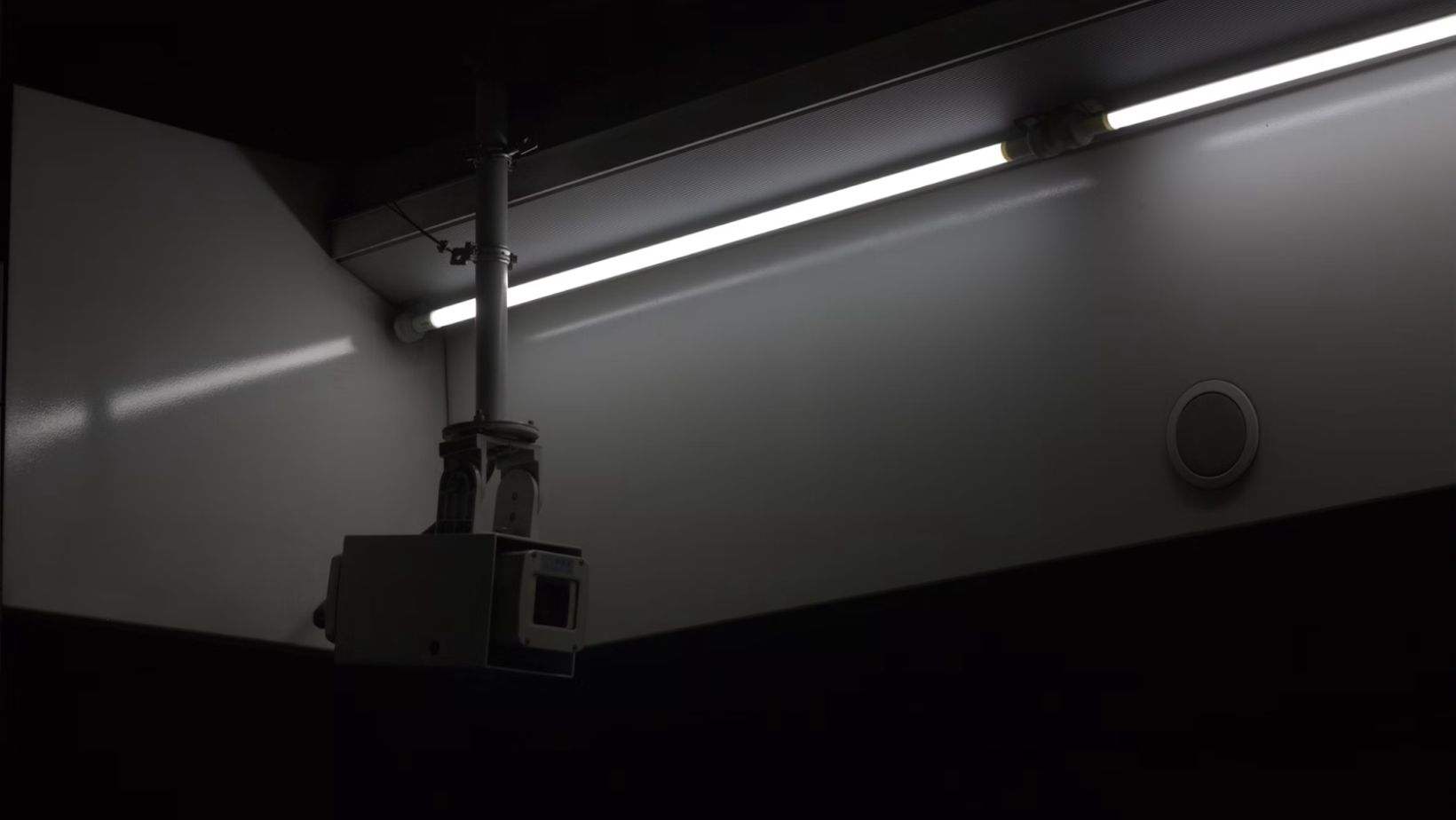
Your hood is more than just about airflow. It also doubles as task lighting.
- LED lights are bright, energy-efficient, and durable.
- Multiple light levels ideally suit both cooking and soft evening lighting.
- Easy bulb replacement is a must-have for hassle-free upkeep.
Some models even have a built-in night light mode. This can be especially handy for late-night snack runs!
Controls & Smart Features
Modern under cabinet range hoods are getting smarter. Here are innovations that make life easier:
- Touch controls instead of knobs.
- Auto shut-off timers. The hood keeps running for a few minutes after cooking.
- Heat/smoke sensors that automatically adjust fan speed.
- A dedicated app or remote controls allow for managing your hood from across the room.
Build Quality & Style
Since your hood is always visible, pick one that looks catching and lasts.
- Stainless steel has a durable appeal with its corrosion resistance and trouble-free cleaning.
- Good seals around filter edges ensure efficient suction without air leakage.
- Slim or low-profile designs work best for compact kitchens.
- Premium finishes, such as copper, brass, or matte black, can transform your hood into a stunning statement piece.
Installation & Flexibility

- Even the best hood fails if installed poorly. Pay attention to:
- Venting Routes. Some hoods vent through the top or back, while others support multiple vent configurations.
- Duct Size and Length Limits. You need adequate duct size (often 6’’ round or 3¼×10’’ rectangular) and minimal bends/lengths to maintain airflow.
- Mounting. Adjustable brackets help align under cabinets or adjust height.
- Service Access. The motor and components should be reachable for maintenance.
For a deeper dive, Hauslane explains the differences between under cabinet and built-in hoods.
Warranty & Brand Support
Finally, don’t overlook the after-sales aspects. Warranties matter. A good warranty usually runs 1–3 years, covering parts and sometimes labor. Well-known brands often produce more reliable models and better customer support. That’s why they are worth considering first.
Quick Buyer’s Cheat Sheet
Not all kitchens or cooking styles require the most advanced or powerful hood. Here is how to calibrate:
| Cooking Style | Best Features to Prioritize |
| Light cooking | Low noise, mid-range CFM, simple controls |
| Heavy frying & searing | High CFM, baffle filters, ducted venting |
| Small kitchen | Slim design, convertible venting |
| Tech lover | Smart controls, auto sensors, app integration |
| Busy family | Dishwasher-safe filters, bright LED lights |
Bottom Line
Think of your under cabinet range hood as the silent kitchen hero. It doesn’t just sit there. It works hard behind the scenes, clearing the air, protecting your cabinets, and keeping every meal more enjoyable to cook.
The secret to choosing the right one? Avoid picking only what looks nice. Look deeper at airflow power, noise levels, filter maintenance, lighting, and how effortlessly it fits into your space.
When your hood matches your cooking style, it becomes more than an appliance – it is a game-changer for your kitchen. So, the next time you fire up the stove, you will literally breathe easier and wonder how you ever cooked without it.