
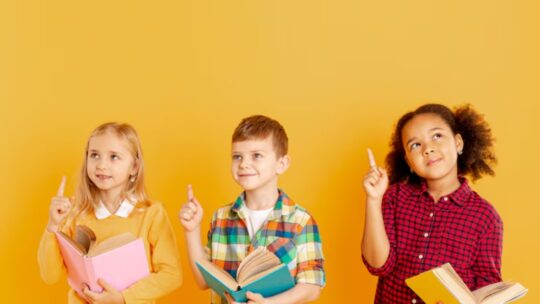
Education is in the midst of a quiet revolution. Across Canada and beyond, classrooms are evolving—physically, philosophically, and technologically. No longer limited to blackboards and textbooks, today’s learning environments are shaped by digital tools, inclusive teaching methods, and a growing focus on student well-being. These changes aren’t just about keeping up with the times; they’re about preparing students for a world that’s more interconnected, fast-moving, and complex than ever before.
As we look ahead, several major trends are reshaping what education looks like in Canada. Whether you’re a parent, educator, policymaker, or student, understanding these shifts can help you adapt, participate, and thrive in the learning ecosystems of the future.
Personalized Learning is Becoming the Norm
Gone are the days of one-size-fits-all education. Today, there’s growing recognition that students learn in different ways, at different paces, and with different needs. Personalized learning—an approach that tailors instruction to individual strengths and weaknesses—is gaining traction in Canadian schools.
This trend is driven by both educational philosophy and practical necessity. Teachers are increasingly using student data, learning profiles, and digital tools to adapt lesson plans, offer flexible assessment options, and provide targeted support.
Outside the classroom, families are also turning to customized support such as Ottawa tutoring to reinforce this approach. These services allow students to move forward at a pace that’s right for them while building confidence and filling knowledge gaps in a supportive environment.
Technology is Now Fully Integrated—But With a Human Touch
Technology in education isn’t just about having laptops in the classroom anymore. It’s about using digital tools strategically to enhance learning. From virtual simulations in science labs to AI-powered platforms that adjust to a student’s progress in real-time, educational technology is deeply integrated into how schools operate.
The pandemic rapidly accelerated the adoption of tech-based learning, making remote and hybrid models commonplace. But a key takeaway from that period was the importance of human connection. Teachers aren’t being replaced by tech; instead, their roles are evolving into facilitators, mentors, and guides through increasingly digital learning journeys.
This balance between innovation and humanity is at the heart of 21st-century education: use tools wisely, but never lose sight of the personal relationships that make learning meaningful.
Mental Health and Emotional Intelligence Are Part of the Curriculum
Another major shift in modern education is the recognition that students’ emotional and mental well-being directly impacts their ability to learn. Schools across Canada are incorporating social-emotional learning (SEL) into their daily routines, teaching students how to manage emotions, build healthy relationships, and cope with stress.
More educators are receiving training on trauma-informed practices, and provinces like British Columbia and Ontario are updating curricula to include mental health literacy from early grades onward.
This trend is especially vital as students grapple with post-pandemic stress, social media pressure, and global uncertainty. Schools aren’t just preparing kids for tests anymore—they’re preparing them for life.
Focus on Lifelong and Skills-Based Learning
As the job market evolves due to automation and globalization, education is shifting from content memorization to skills development. Canadian schools are placing more emphasis on teaching critical thinking, collaboration, digital literacy, and adaptability—skills that prepare students not just for their first job, but for continuous learning throughout their lives.
We’re also seeing a rise in experiential learning opportunities like internships, co-op programs, maker spaces, and community partnerships. These help students connect what they’re learning in school to real-world applications.
In some regions, even high school students are exploring entrepreneurship, coding, and environmental science in hands-on ways that blur the line between classroom and career.
Equity and Inclusion Are Driving Systemic Change
One of the most powerful trends in Canadian education is the push for greater equity and inclusion. This involves ensuring that students from all backgrounds—regardless of race, ability, socioeconomic status, or language—have equal access to quality education.
Across provinces, school boards are working to decolonize curricula, address systemic bias, and promote culturally responsive teaching. Indigenous perspectives are being integrated into lesson plans, and there’s growing awareness of the importance of representation in books, teaching staff, and classroom materials.
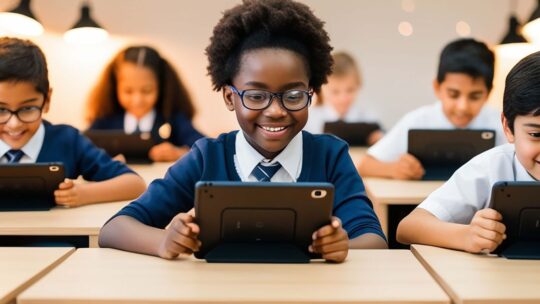
Accessible learning environments—both physically and cognitively—are no longer optional. They are essential to building a future-ready education system that reflects the diversity of Canadian society.
What This Means for Families
For parents and caregivers, staying informed about these trends can open doors to better educational experiences for their children. It may mean:
- Exploring alternative assessment methods rather than focusing solely on letter grades.
- Encouraging your child to talk about their emotions as part of their learning journey.
- Seeking flexible learning options, such as tutoring Ottawa, to complement classroom instruction and provide individualized support.
- Advocating for inclusive practices at your child’s school.
Being proactive doesn’t require being an expert—it simply means being engaged. Ask questions, support your child’s interests, and stay connected to the evolving educational landscape around you.
Looking Ahead
Education in Canada is not standing still. It’s growing, adapting, and in many cases, leading by example. From personalized instruction to equity-focused policies, the changes we see today are laying the groundwork for a more inclusive, innovative, and compassionate future.
At its best, modern education isn’t just about preparing students for exams or careers—it’s about helping them become thoughtful, resilient, and curious human beings. And as these trends continue to evolve, so too must our collective commitment to making education a tool for opportunity, connection, and growth for all.