

Downsizing isn’t always what it seems when kids arrive. Moving to less square footage might bring worry, losing room, ease, or daily comforts. Still, handled thoughtfully, a shrinking living space could bring clarity and simplicity. Growth continues, just in different ways. Here’s how to make a smaller home work for everyone in your household.
Plan the Move With Intention
Before boxes fill the hallway, take a step back and build a clear plan. Downsizing works best when the move itself is handled with purpose. If you are relocating across state lines, partnering with reliable long-distance movers can protect your timeline and your belongings while you focus on bigger decisions. Walk through your current home and decide what truly earns a place in the next one. Measure larger furniture to see what realistically fits. This avoids forcing oversized pieces into smaller rooms later.
Involve your children early. Let them understand where they are going and why the shift is happening. Show them photos of the new space. Talk about how their room might look and what they would like to keep. When kids feel included, resistance often softens.
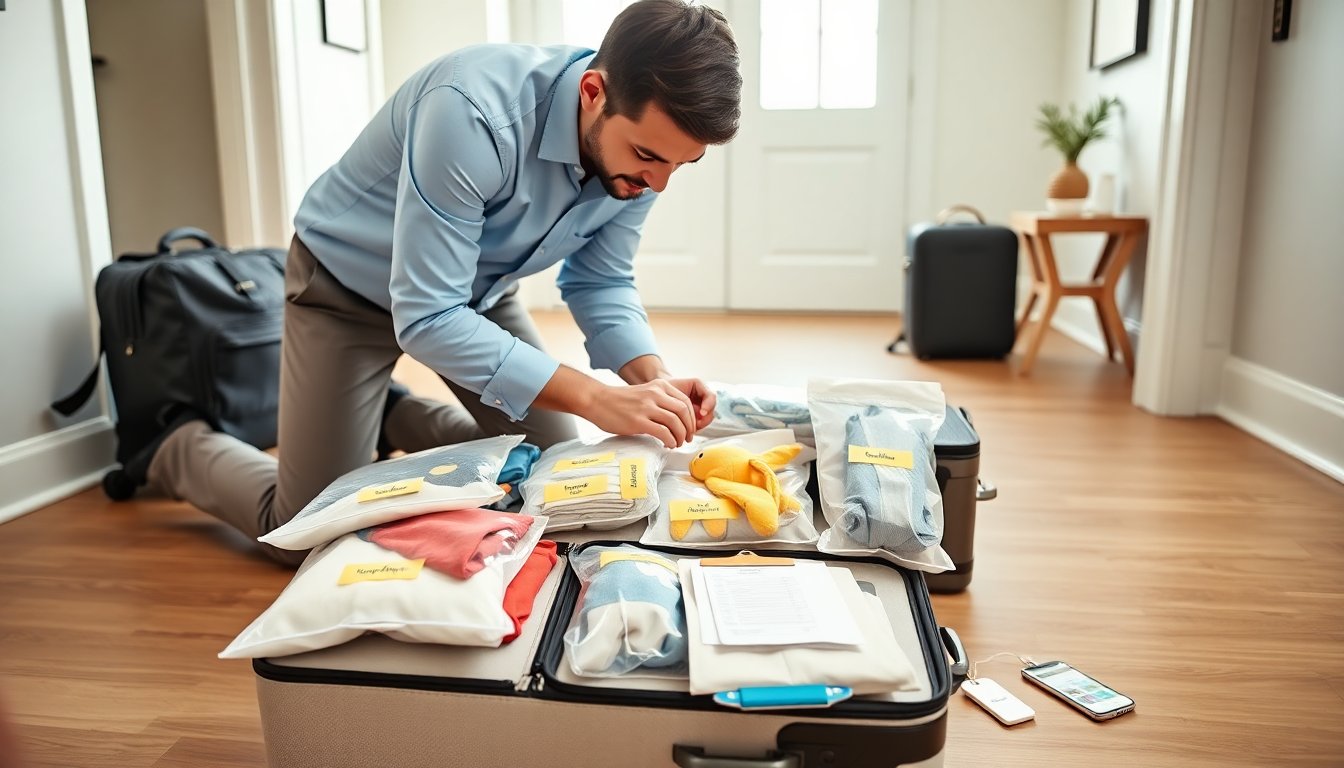
Create a packing system that reflects how you plan to live in the new home. Label boxes by room and priority, not just by category. Essentials should be easy to unpack first so the new space feels functional within days, not weeks. The goal is to reduce chaos from the start.
If possible, stagger the move. Bring over key pieces first and see how the space feels before filling it. A smaller home benefits from breathing room. Moving strategy is not only about logistics. It sets the tone for how comfortably your family settles into the next chapter.
Reevaluate Your Priorities
Start by looking closely at what your family actually requires. What parts of today’s house cannot change, yet parts might bend if needed? A wide outdoor space, more bedrooms, or open floor areas often top the list. Still, things like a separate dining room or guest quarters tend to slip further down the list.
Zero in on the key areas where your family lives, like the kitchen, lounge, and sleep zones, and consider turning each into a flexible hub.
Declutter and Simplify
Now here’s a chance to clear some space; downsizing brings everything out into the open. With little ones, stuff piles up fast: toys, books, shirts, paint pads, you name it. This moment can become a quiet lesson. Start going through boxes together. Show how giving away what’s never worn helps others. Even recycling teaches something about waste. Watching old drawings go into a box for arts classes might surprise you; it builds respect for belongings.

Every time a child gets something new, something old goes too. This way, space stays clear, and nothing piles up later. When a toy enters the room, another one exits it. Balance comes from adding and removing simultaneously. Clutter never gets a chance to grow because giving away keeps pace with getting.
Embrace Multi-Functional Furniture
In smaller spaces, multi-functional pieces matter most. Items such as foldable dining sets, ottomans with cabinets, or couches that convert to beds help make the room feel larger. Up high, bunk styles free up room where kids want to move around. Shelves fixed into walls keep items tight on floor space.
Pick solid pieces that serve multiple purposes, like a dining table where kids can work on assignments. Or a tall unit holding clutter like blocks, puzzles, and cards out of sight when not in use.
Create Designated Zones for Each Activity
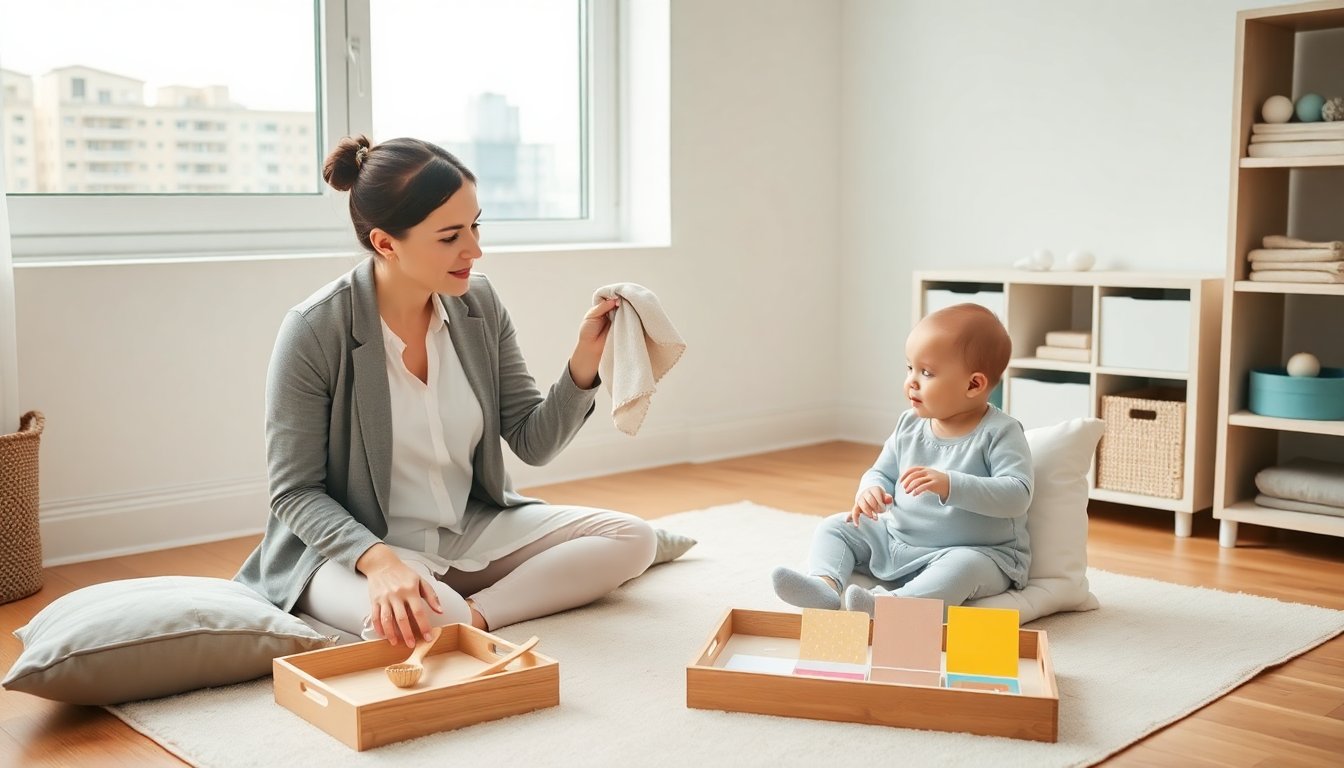
When space is limited, setting up distinct zones makes sense. Each spot serves a purpose, so nothing crowds the others. A designated play area keeps the rest of the home calm during active times. In the main room, a quiet reading area keeps things peaceful. For kids working on tasks, assigning space keeps clutter down and minds focused.
A rug, curtain, or shelf might separate parts of a big room. Space feels more personal this way. Sharing doesn’t mean losing room for me or my stuff.
Get Creative with Storage Solutions
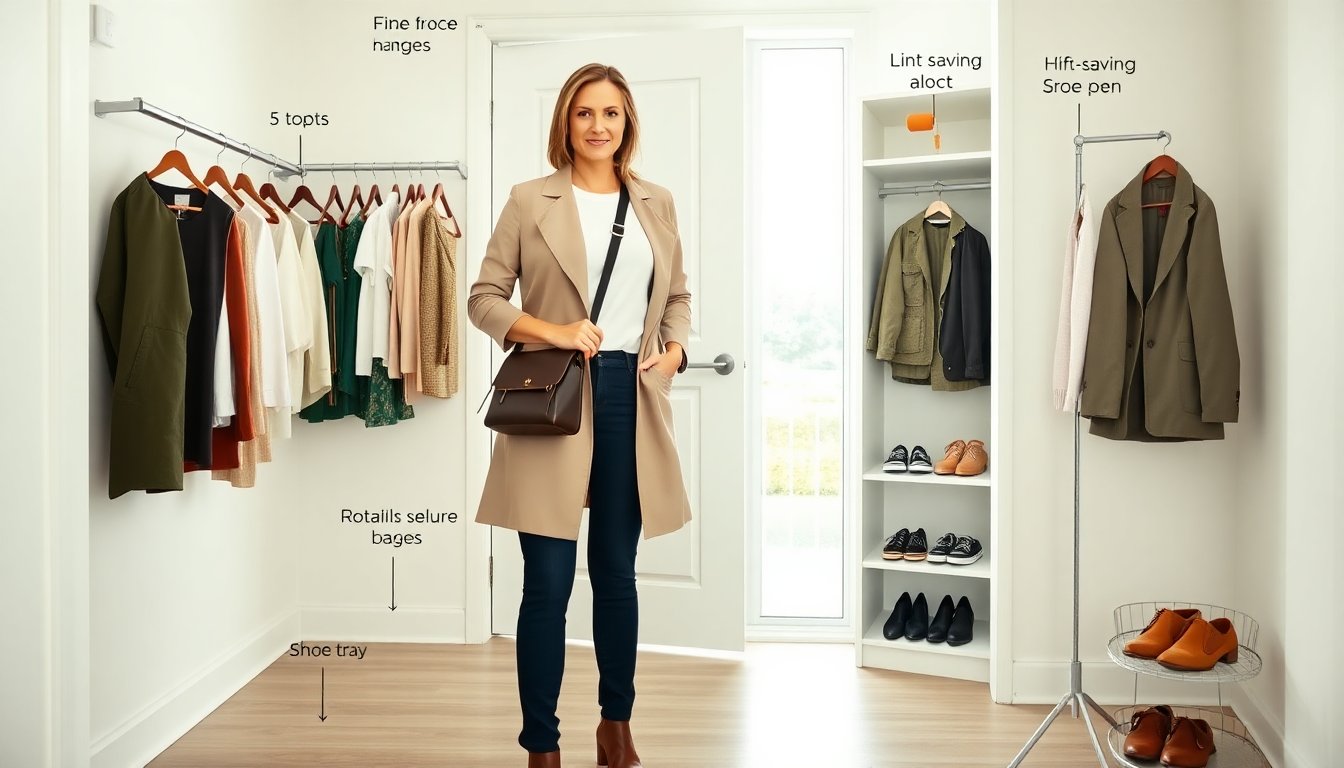
When moving to a smaller space, saving space matters. Check corners, backs of doors, or beneath beds; those spots often hide extra stuff. Built-in shelves can hold more than just books. Hooks on walls keep jackets neat while freeing up closets. Toys, sneakers, or winter gear: stack them upright against walls rather than spreading them across the floor. Even drawers and cabinets with sealed gaps store what you thought was lost.
Small toys and supplies are stored in see-through bins tucked inside closets. Items too large for closets are hidden beneath the bed or along hallway walls. Write each child’s name on each spot so children know exactly where things go. Ownership becomes clear when labels point the way back.
Maintain a Sense of Connection and Comfort
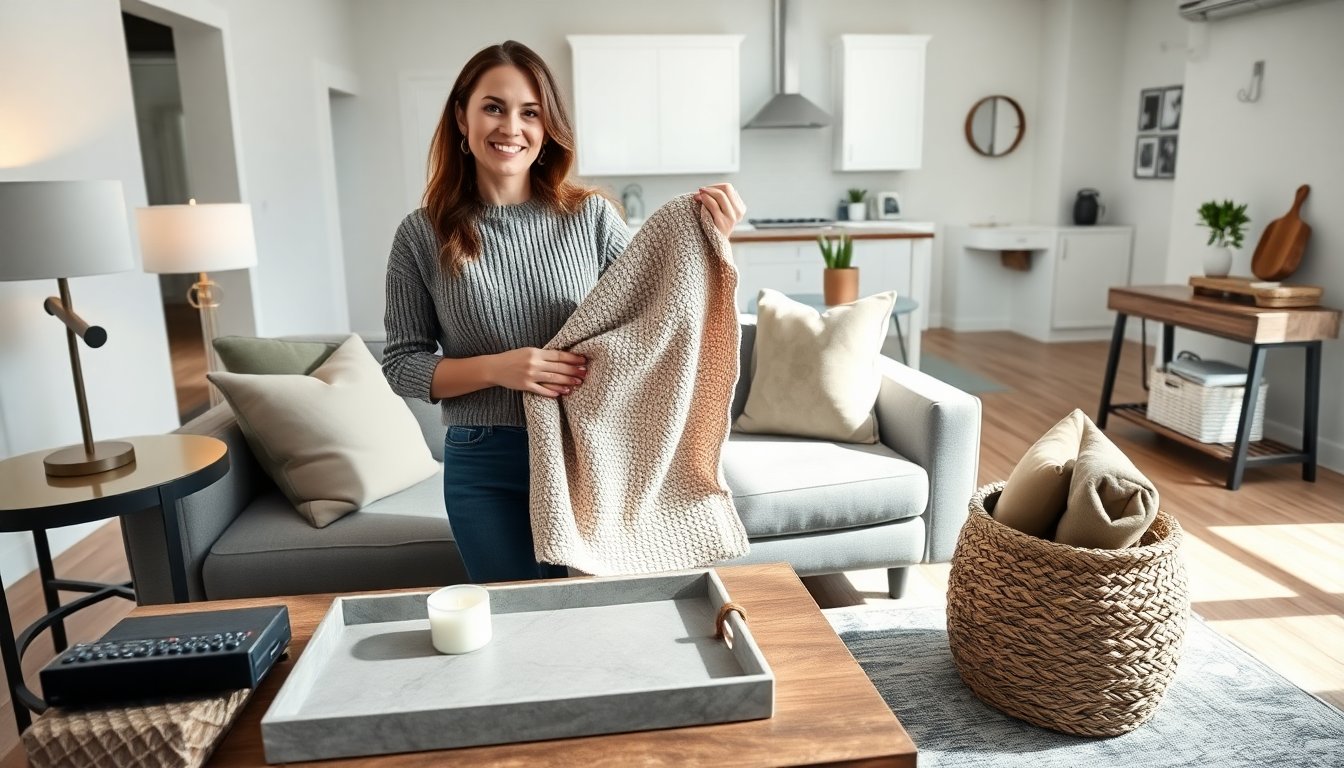
What often comes up most when shrinking living space? Worrying it’ll seem too tight or cold. Yet warmth can still be created by adding soft blankets, pictures of memories, or even a treasured painting someone likes. A bold hue or a soft, pale one near the ceiling might stretch the sense of space. Walls painted in such tones tend to draw eyes outward rather than trap them inside.
A corner might grow a small potted plant. Art pieces can sit where people walk by. Pillows stack against the walls instead of scattered everywhere. Rugs define paths without blocking them.
Incorporate Outdoor Space
Outside play zones matter just as much, regardless of room size. Should a tiny patch of ground or balcony exist, stretch its use beyond mere sitting. Create a corner for children, toys included, or grow something simple together. Watching roots grow teaches lessons, too. When you rent a flat or stay in a city, check around for local green spaces where children can move about and enjoy open areas.
Even small areas can grow something, think about hanging plants, filling windowsills, or turning a balcony corner into green territory.
Be Flexible and Adapt
Shrinking living space takes time, but moving forward without rigidity makes change easier. Some methods hold up; others fade. That does not mean failure. Watching how rooms evolve day by day brings clarity, only to shift again when needed. Let the kids take part; this moment can teach them how to shift into a fresh environment full of energy and imagination.
One day each week, gather around without rush. Talk then about moments that flow well or stall suddenly. Shared insight keeps paths clear when tension rises.
Focus on Family Time
Families often find themselves closer when they move into smaller spaces. Being around each other more naturally occurs in tighter living spaces. Sharing time, like making dinner, reading, playing games, or choosing a film, becomes easier when there’s less distance between rooms. A calm, connected atmosphere grows quietly in these settings. The sense of warmth and connection deepens simply because there’s less physical separation between lives.
Families find ways to gather through simple acts, such as weekly game nights or walks together. A home with fewer rooms can still hold warmth when moments like these happen.
Conclusion
Starting fresh in a smaller place can feel tough when there are kids around, yet it can actually work well once you think ahead. What matters most, like extra bedrooms or shared areas, takes priority, so clutter fades without losing comfort. Smart layout choices or multi-purpose pieces help rooms do more than one job quietly. Even tight spaces open up when arranged with purpose, leaving room for moments that stick. Surprisingly, fewer walls might draw families closer through everyday conversations or quiet evenings together.