
Between homework, sports, and the dinner rush, many families reach for quick digital breaks to reset the mood. The right apps turn those minutes into small lessons that travel beyond the screen. Rather than chasing endless levels, families are choosing experiences that teach planning, focus, and turn taking. Seen through a parent’s lens, mindful gaming is less about screen limits and more about how play shapes habits.
Why slower beats louder for kids
Fast animations and constant rewards catch attention, yet they do not always build patience. Games that ask children to pause, look, and think can be just as fun while teaching skills that show up at the table and the classroom.
- Planning over reacting: Puzzles that reveal the whole board let kids think ahead. They learn to try a move in their head before tapping, which is a useful trick during math homework.
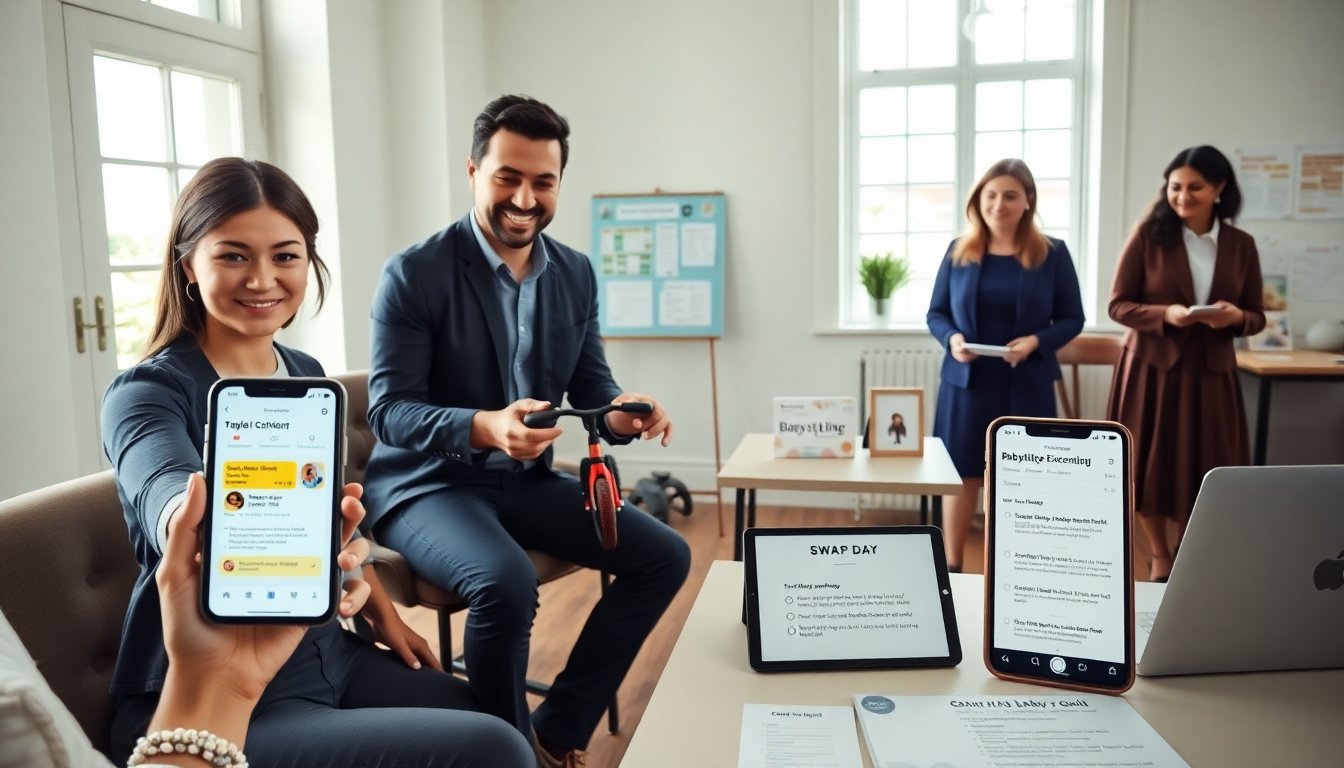
- Turn taking made easy: Co-op modes that pass a device across the couch build listening and fairness. Children practice waiting for their turn and cheering when someone else solves a step.
- Clear goals with room to try again: Short chapters allow a redo without shame. A quick reset teaches that mistakes are part of the process.
When play rewards calm decisions instead of speed alone, kids carry that tone into chores, homework, and bedtime routines.
Setting up a mindful play routine
You do not need a perfect schedule to make play feel intentional. A few simple choices help any household.
- Pick a daily window. Attach game time to a natural break like after homework or before dinner. Predictability reduces wheedling and ends sessions without tears.
- Choose the vibe first. Decide if the day needs calming, creative, or social energy. Match the game to the mood rather than grabbing the first icon.
- Sit within earshot. Light supervision keeps the tone steady. Parents can notice small wins and offer tips without taking over.
- Use a gentle timer. A kitchen timer or a soft chime gives a clear end without surprise. Kids focus more when the finish line is visible.
- Close with a quick chat. Ask what was tricky and what helped. Naming the strategy turns a feeling into a skill.
These steps turn screens from a wild card into a small ritual that supports the rest of the day.
What to look for when choosing games
Not every popular title fits a mindful approach. Look for features that nudge kids to slow down and think.
- Readable rules: Instructions that show rather than tell reduce frustration. Short visual prompts beat long text.
- Pacing controls: Options to slow animations or limit prompts keep kids from getting swept along by a fast loop.
- Co-op options: Modes that encourage team effort or passing play make siblings allies instead of rivals.
- No pushy shops: Stores and flashy pop ups break focus. Clean interfaces keep attention on the task, not on buying.
If a game checks most of these boxes, it likely supports patience, problem solving, and positive shared play.
Parenting tips that make play time calmer
A few practical tweaks change the whole feel of a session.
- Set the room. Lower lighting slightly and keep volume gentle so excitement stays friendly.
- Model the pause. When a level goes wrong, take a breath with your child and say what you will try differently next time.
- Name feelings. If a child gets stuck, ask how the puzzle makes them feel. Linking emotions to actions helps them self regulate.
- Celebrate effort. Praise the attempt and the strategy, not only the win. Kids learn that trying again is what counts.
Calm energy makes co-op play fun for adults too. The goal is to enjoy time together, not to race the clock.
Where online platforms are getting smarter
Designers are baking supportive tools into experiences so families can set the pace. You will see these features more often this year.
- Session reminders and pause-friendly saves let kids stop and resume without losing progress.
- Guided modes explain steps in smaller chunks and add hints when a player struggles.
- Accessibility toggles for motion and contrast make longer sessions more comfortable for sensitive eyes and ears.
These choices respect families by letting them decide how long to play and how challenging to make it.
A simple framework for parents
Think of game time as a mini workshop. The content is fun, the lesson is patience.
- Define the goal: Practice waiting turns, plan three moves, or try a new strategy.
- Play the session: Keep it short and friendly. Offer one tip, not ten.
- Reflect for one minute: Ask what worked and what they would try next time.
- Apply it offline: Use the lesson at dinner, homework, or chores. Mention the link so the skill sticks.
Screens are part of family life, and that is okay. What matters is the kind of habits they build. When games reward thoughtful tries, clear communication, and resets without drama, kids learn more than how to win. They learn how to handle frustration and keep going. That is the heart of mindful gaming at home. With a few small routines and the right titles, play can become the quiet teacher that makes the rest of the day run smoother.