

You’ve just gotten home from the hospital. ‘The worst is over,’ they said. ‘You’re healing,’ they said. But nobody prepared you for this: standing in front of your closet, completely lost about how to get dressed. Your fingers won’t grip the buttons. Your arm doesn’t reach behind your back like it used to. Something as mindless as putting on socks now feels like solving a puzzle with missing pieces. This is the part of recovery that catches people off guard. The medical stuff gets handled at the hospital, but then you’re home facing a thousand small challenges that add up to one overwhelming question: how am I supposed to live like this? That’s exactly what occupational therapy addresses. Not the injury itself; that’s your doctor’s territory. OT focuses on the practical reality of your everyday life. Can you make breakfast? Take a shower safely? Get back to work eventually? These aren’t small concerns. They’re everything. Through hands-on training and problem-solving that’s tailored specifically to your situation, occupational therapists help you rebuild the skills and confidence needed to feel like yourself again.
What Actually Happens in OT
People always confuse physical therapy and occupational therapy, but they’re working on different problems: PT rebuilds your body’s physical capabilities; OT asks what you need those capabilities for. Big difference. Being able to lift your arm is great. Being able to lift your arm high enough to wash your hair or reach a coffee mug? That’s what actually matters in daily life.
Every treatment plan looks different because everyone’s life looks different. A graphic designer needs finger dexterity and sustained focus. A parent needs to lift kids and manage household chaos. Someone who lives alone needs different skills than someone with a partner who can help. Your therapist doesn’t hand you some generic exercise sheet and wish you luck. They dig into the specifics of your situation. What does your bathroom look like? What does your job require? What hobbies do you miss? Then they build a plan around getting you back to those specific things or finding new ways to do them when the old ways aren’t possible anymore.
Relearning to Take Care of Yourself
Self-care sounds so very simple. Until it’s not. The basics become incredibly complicated post-injury. The shower requires balance, coordination, strength, and stamina. Getting dressed involves fine motor ability, flexibility, and problem-solving. These things that used to happen on autopilot now require your full attention and energy and are exhausting both physically and emotionally.
This is where occupational therapy NDIS really shines. Your therapist breaks overwhelming tasks into pieces you can actually handle. They’ll teach you techniques you never would have thought of on your own. One-handed tying methods. Using a shower chair without feeling like you’ve given up. Strategic ways to arrange clothing so dressing takes half the time and energy. Most people initially resist adaptive equipment. It feels like admitting defeat, like you’re not trying hard enough. But think about it differently for a second. Would you rather struggle for 45 minutes to put on pants while someone waits awkwardly to help you, or use a dressing stick and do it yourself in five minutes? Which option actually gives you more independence? Your therapist also helps rebuild stamina because everything requires more effort now. That’s not weakness or failure. It’s just the reality of recovery, and ignoring it doesn’t make you tougher.
Tackling Household Tasks Again
The managing of a home encompasses so much more than any one person can imagine until they, themselves, can no longer do it. The cooking itself requires meal planning, shopping, standing for long periods of time, coordination, and safety awareness. Cleaning involves bending, reaching, carrying, and sustained physical effort. Then, there is laundry, bills, appointments, and medication management. When you’re in the throes of recovery from an injury, these can pile up quickly and become absolutely overwhelming.
Occupational therapists approach household management practically. Some actually come to your house, which may feel like an invasion but proves to be supremely worthwhile. They see things you’ve stopped noticing. Heavy cookware stored too high. Slippery floors. Furniture that’s creating obstacles. Inadequate lighting. Then they help you develop workarounds. You’ll learn energy conservation techniques, like sitting while you chop vegetables or spreading cleaning tasks across the week rather than exhausting yourself in one marathon session. Adaptive equipment makes certain tasks possible again. Specialised cutting boards that hold food steady when you’ve only got one functional hand. Reaching tools that grab items without requiring you to bend or stretch dangerously. For people dealing with memory or concentration issues, the focus shifts to creating systems that don’t rely on you remembering everything. Medication organisers with alarms. Automated payment systems. Calendar apps that actually work for you. Whatever keeps your household functioning without requiring you to be superhuman.
Getting Back to Work and Purpose
Work matters for reasons beyond the paycheck: it structures your days, connects you to people, and forms a big part of your identity. Losing the ability to work or even just worrying about losing it creates stress that compounds everything else you’re dealing with. Studies on vocational rehabilitation have shown that early intervention improves employment outcomes significantly after injury.
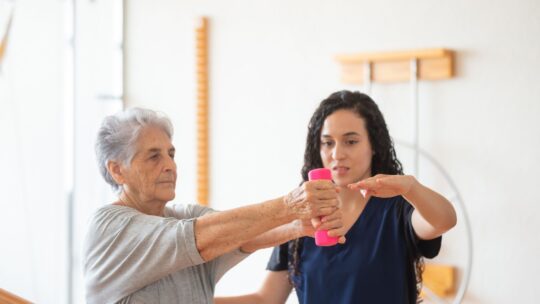
Your occupational therapist can become your advocate with your employer. They’ll assess your workplace and determine what accommodations would help and develop a realistic return-to-work plan that protects both your recovery and your job. Maybe you need modified duties initially. Perhaps a graduated schedule where you start part-time and build up. Your workstation might need ergonomic changes or assistive technology that compensates for current limitations. The goal is keeping that employment connection alive while you heal. But sometimes, returning to your previous role isn’t realistic. That’s a hard truth to face, but your OT helps you explore other options: different positions within your company, retraining programmes, and volunteer opportunities that maintain your sense of purpose even if paid employment isn’t possible right now. Because staying productive isn’t really about earning money. It’s about feeling useful. Contributing. Maintaining connections to activities and people that make you feel like yourself.
Dealing With Invisible Brain Stuff
Physical injuries are visible; therefore, people understand them. Brain injuries? Cognitive issues? Invisible, and somehow that makes them more difficult to manage. You look completely normal, so everyone expects you to act normal. Inside, you’re struggling to keep up with a conversation or recall instructions. Things that used to be automated now require a great amount of focus. Even simple planning, such as grocery shopping, seems impossible when one cannot organise one’s thoughts.
OT for cognitive challenges focuses on compensatory strategies, not miracles. Your brain might not return to its pre-injury state; that’s scary to accept, but denial doesn’t help. What does help? Building external systems that support your current capabilities. You will learn to use organisational tools effectively, not just own them. Setting up reminders that actually work for your routine. Creating visual cues throughout your home so that you are not constantly trying to remember where things are or what you need to do next. Breaking complex tasks into smaller steps that don’t overwhelm your processing ability. Your therapist might have you practise real-world activities like shopping with a structured list or managing medication using a system that catches errors before they become dangerous. Environmental modifications matter, too. Reducing visual clutter helps when your attention span is compromised. Establishing consistent routines minimises how much active thinking daily tasks require.
Making Your Space Work For You
Homes aren’t planned with accessibility in mind. They’re built assuming everyone can climb stairs, reach above standard height shelves, step over tub edges, and navigate without assistive devices. After an injury, your familiar home can become genuinely hazardous. Occupational therapists assess your space specifically for problems: throw rugs that catch on walkers or canes, poor lighting that conceals obstacles, narrow doorways, and awkward furniture placement that leads to tripping hazards.
Sometimes simple changes make enormous differences. Removing unnecessary furniture, adding grab bars in the bathroom, improving lighting in hallways and stairs, and rearranging your kitchen so frequently used items sit within easy reach are all relatively simple modifications that dramatically reduce injury risk and help conserve energy for things that matter. Installing ramps, widening doorways, or reconfiguring bathrooms are much bigger changes; these projects take serious planning and money. Your therapist will help you prioritise, focusing on what’s most critical for safety and independence while being realistic about your budget. They’ll also connect you with funding resources through NDIS or other programmes because big accessibility work gets very expensive, very fast. More than anything, smart modifications reduce the physical toll of living. Not having to constantly reach, bend, or navigate obstacles around the house means you’re not burning energy fighting your environment. Save that energy for recovery, for activities you enjoy, and for living.
Equipment That Actually Makes Sense
Walk into a medical supply store, and you’ll be staring at walls of equipment with no idea what any of it does or whether you need it. That’s when your occupational therapist becomes invaluable. They know what really works versus what’s overpriced garbage that will be sitting unused in your closet. Some adapted tools are just brilliantly simple: built-up handles on eating utensils for weak grip strength, long-handled reachers that let you grab things without bending, and sock aids and dressing sticks that restore independence in getting dressed. Nothing terribly fancy or expensive, just really smart solutions to particular problems. Mid-range equipment would include things like adapted phones, specialised reminder systems, or ergonomic keyboards designed for limited hand mobility. Then you’ve got the high-tech options. Voice-activated home controls. Screen reading software. Dictation programmes for people who can’t type anymore. But fancy technology means nothing if you’re not actually using it – and that’s where a lot of people struggle. They get the equipment, feel overwhelmed by learning to use it, and it’s soon gathering dust. Your OT prevents this by offering thorough training and ongoing support. They troubleshoot problems when things aren’t working as they should. They help you build up habits around using equipment consistently. That follow-through is what separates the equipment that genuinely increases independence from the expensive paperweights taking up space in your home.
Physical Work That Connects to Real Life
Occupational therapy does involve physical activity, but not in the form you may have thought. Instead of general exercises for strengthening, your OT develops activities specifically linked to your goals. Would you like to get back to gardening? You’ll work on grip strength for tools, sustained squatting or kneeling, and the reaching movements for planting and weeding. Looking to get back to your desk job? Hand coordination and sitting tolerance become priorities. Everything you do has a clear purpose tied to activities that matter in your real life. Treatment typically starts with simplified versions of tasks, with gradual increases in difficulty as your body adapts. Fine motor exercises aim at precise movements required for buttoning, writing, or detailed work. Coordination activities aim at improving the controlled movement needed for eating, grooming, or hobbies. Your therapist is constantly adjusting intensity. Push too hard and you’ll have a setback that will cost you days or weeks of progress. Not hard enough and you won’t improve. It’s this ongoing balance between challenging current abilities and respecting your body’s limitations. Fatigue becomes a huge consideration because exhaustion can get in the way of recovery faster than almost anything else. Building endurance is done on an incremental basis, with a gradual push towards expanding what’s possible without overwhelming your system or setting up discouragement when you inevitably reach limits.
Where to Go from Here
Recovery doesn’t always fit into neat timelines, nor does it always follow predictable patterns. Some people regain most of what they lost. Others adapt to permanent changes. Both are valid paths, and occupational therapy supports whatever journey you’re on. The skills, strategies, and confidence you build become part of your toolkit for life after injury. What matters is not if you do things exactly as you did before. What matters is whether you are able to be independent, participate in the activities that give your life meaning, and maintain your sense of self through significant changes. That’s what OT does. If you’re months into recovery and you’re still struggling to get through your day, stop waiting for spontaneous improvement. It’s probably not coming. Contact an occupational therapist today and start building practical skills that restore genuine independence. Not next week when you feel more ready. Today. Every day you delay is another day of unnecessary frustration, another day of depending on others for things you could be doing yourself with the right support and strategies. Make that call.