
T-shirts are the quiet MVPs of every wardrobe—simple, essential, and capable of either elevating or sabotaging an entire outfit. The debate between graphic and plain versions isn’t about which is objectively better; it’s about what each one actually does for you. Graphics shout something about your personality, interests, or sense of humor, while plain tees let your fit, fabric, and the rest of your outfit do the talking.
Both have their place, but choosing wisely means understanding when a bold print adds energy and when silence is the smarter move. The right decision turns a basic item into a deliberate choice that matches your life.
The Real Difference (It’s Not Just the Print)
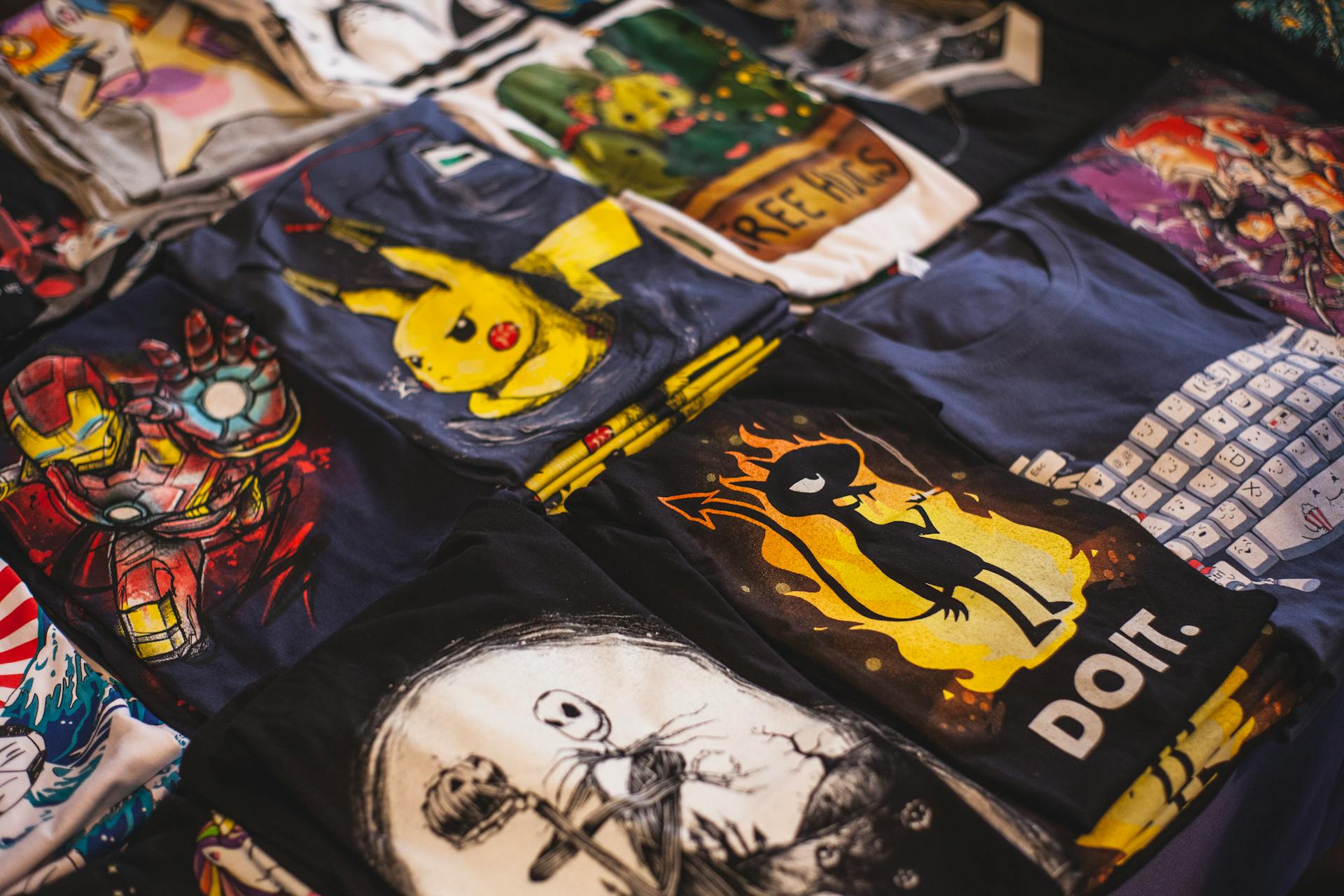
At first glance, the difference seems obvious: one has artwork, slogans, or logos; the other is solid color. But the real divide runs deeper. A graphic tee is a billboard for your inner world—it broadcasts your taste in music, your favorite team, a clever joke, or a nod to a subculture. It communicates before you even speak. A plain tee, by contrast, is a blank canvas. It relies entirely on cut, fabric quality, and how it drapes to create presence.
The graphic version risks becoming the main event; the plain one quietly supports whatever else you’re wearing. One is declarative, the other is diplomatic. Neither is superior—they just serve different purposes. A poorly chosen graphic can make you look like you’re trying to prove something, while a poorly fitted plain tee can make you look invisible in the wrong way. The key is recognizing that the print isn’t decoration; it’s a statement, and the absence of one is a statement too.
When Graphic T-Shirts Make Sense
Graphic tees shine in casual, low-stakes environments where personality is the point. Weekends, concerts, barbecues, or hanging out with friends are their natural habitat. They add instant context: a vintage band tee at a music festival feels authentic, a motorsport graphic at a track day shows you’re in on the culture. They’re especially effective when the reference is genuine—wearing a shirt from a band you actually love or a team you follow creates connection without effort. Off-camera, athletes and celebrities lean on graphics to signal approachability.
Lewis Hamilton, the seven-time F1 champion, often steps out in graphic tees with bold messages or streetwear brands, turning downtime into a subtle flex of his eclectic taste. Baseball stars like Shohei Ohtani have been spotted in playful, oversized graphic prints during off-seasons, blending athletic cool with everyday ease. Hockey players such as Sidney Crosby opt for team-related or vintage-style graphics when they’re away from the ice, reminding everyone they’re human first. The common thread: these men use graphics to project personality without formality. In social settings, a well-chosen graphic tee sparks conversation and shows you’re comfortable expressing yourself. It’s not about being loud—it’s about being clear.
When Plain T-Shirts Win
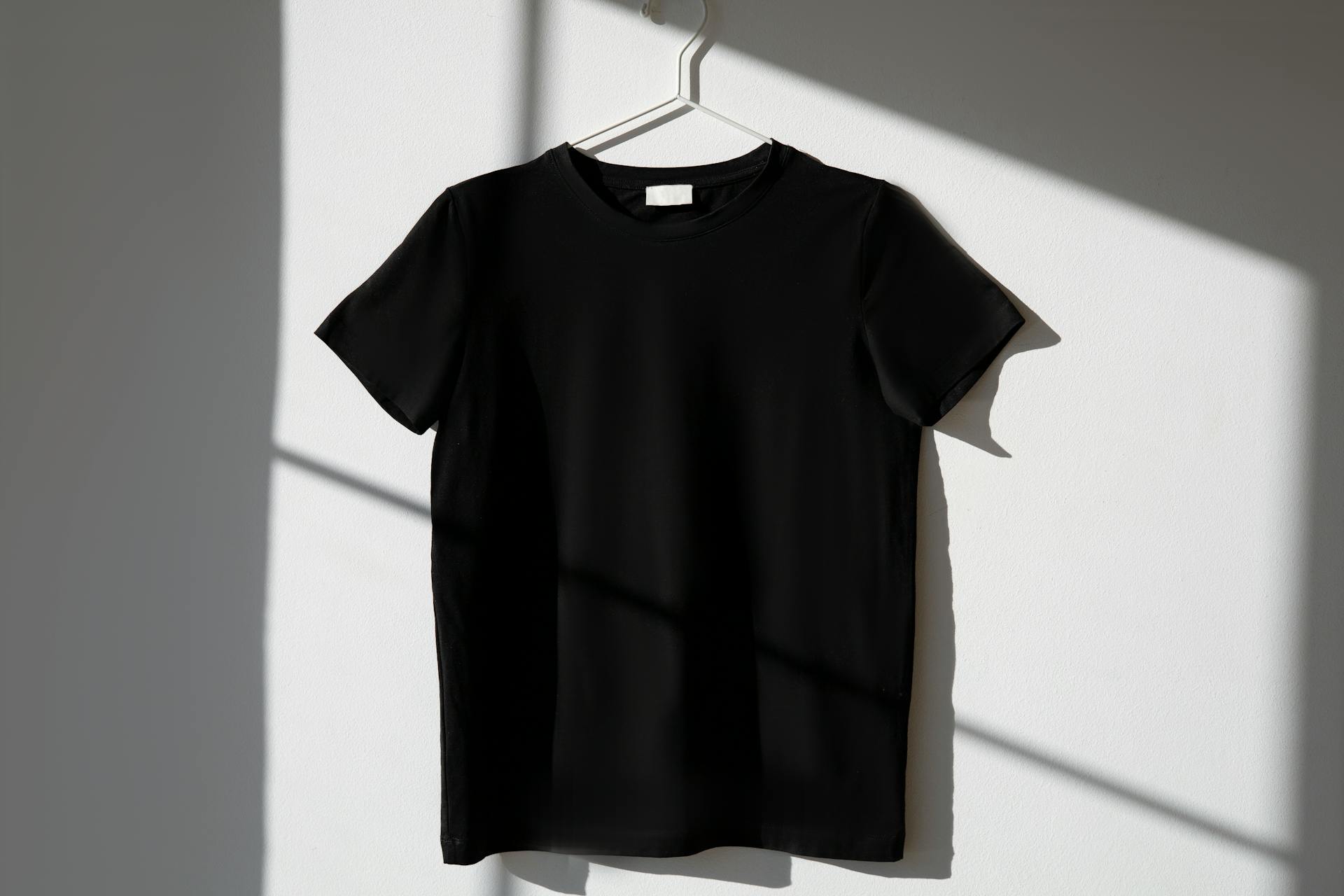
Plain tees dominate when versatility and restraint are the goal. They’re the foundation of minimalist wardrobes, where the focus stays on silhouette, texture, and proportion rather than decoration. A crisp white or black tee under a blazer instantly looks sharper; the same shirt layered beneath an open overshirt creates effortless depth. Plain versions dress up or down with zero friction: pair one with chinos and loafers for semi-formal, or jeans and sneakers for weekend errands.
They’re forgiving—if the rest of the outfit is strong, the tee disappears in the best way. They also age gracefully; a well-made custom t-shirts in quality cotton develops a lived-in patina over time, whereas a graphic print can fade or crack. For anyone who values quiet confidence over flash, plain tees are the default. They don’t compete with your face, your watch, or your jacket—they amplify everything else. In a world obsessed with standing out, the discipline of wearing plain shows you don’t need to scream to be noticed.
Lifestyle Match
Your daily rhythm should dictate the ratio. If you’re creative, expressive, or live in environments where individuality is currency—artists, musicians, designers, or anyone in creative industries—graphics let you wear your interests on your sleeve (literally). They’re conversation starters and mood setters. On the flip side, if your style leans clean, professional, or simply low-maintenance, plain tees are the smarter investment. They require zero mental load: grab one, match it to pants, and go.
For people with packed schedules—executives, parents, or anyone who hates decision fatigue—plain tees save precious brainpower. You don’t have to wonder if the slogan fits the occasion or if the graphic has started to peel. Versatility wins when time is scarce. The hybrid approach—mostly plain with a few strategic graphics—covers most lifestyles without overcomplicating things. It’s about matching the shirt to your actual life, not to what Instagram says is cool this week.
Fit and Fabric Still Matter More Than Design
No amount of clever print or perfect color can save a bad fit. A tee that’s too baggy looks sloppy; one that’s too tight looks desperate. Shoulders should sit exactly at the bone, sleeves end mid-bicep, and the hem hits at the hips without bunching. Necklines are especially telling—cheap tees stretch into a gaping V after a few washes, while quality ones hold their shape. Fabric weight is the next non-negotiable: heavier cotton (around 180–220 gsm) drapes better, resists shrinking, and feels substantial.
Lightweight jersey might be comfortable at first but turns see-through and shapeless quickly. Both graphic and plain tees suffer from poor construction, but the flaws are more obvious on plain versions because there’s nowhere to hide. Invest in mid-to-heavyweight fabrics with tight ribbing at the neck and reinforced seams. They last longer, look better, and feel more expensive than they are. Design comes second; execution comes first.
Smart Rule
The sharpest move isn’t picking one side—it’s owning both and rotating based on mood, not trends. Keep a core of five to seven plain tees in neutral colors for daily reliability, then sprinkle in a handful of graphics that actually mean something to you. A vintage F1 graphic for race weekends, a band tee for concerts, or a subtle baseball nod when you’re feeling nostalgic.
Switch according to how you feel that day: low-energy mornings call for plain; high-energy evenings earn the print. This system gives you flexibility without clutter. Trends come and go, but a well-curated mix of graphic and plain tees adapts to every phase of life. You’ll look intentional, not influenced.