
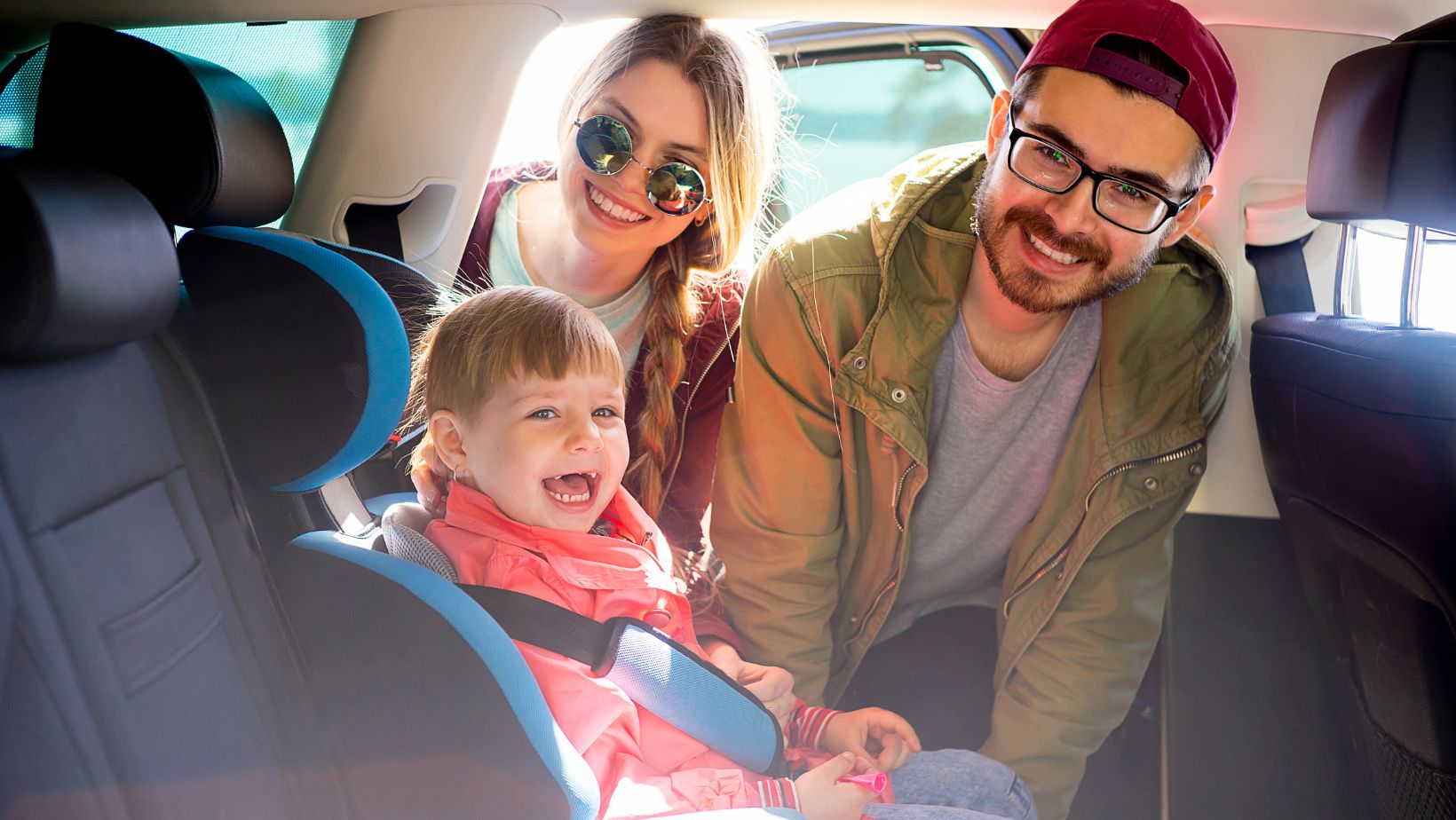
Driving with kids in the car isn’t just driving with extra passengers. It’s answering questions, handling big emotions, listening for sudden silence, and trying to stay focused while life happens in the back seat.
Most parents don’t think of this as “distracted driving.” It just feels like normal parenting. Yet even small moments, reaching back for a dropped toy or turning around to settle an argument, can pull attention away at the worst time.
That doesn’t mean parents are doing anything wrong. It means driving with kids simply requires a different approach. A little planning, a few smart habits, and realistic expectations can make a big difference.
In this article, we share helpful, handy tips to make driving with kids safer, calmer, and more enjoyable without adding stress or guilt to an already full plate.
Tips for Driving With Kids Safely and Joyfully
1. Set the Car Up Before You Turn the Key
The easiest distractions to avoid are the ones you plan for ahead of time. Before you pull out, take a minute to secure bags, open snacks, place drinks within reach, and set your navigation and music.
Why this works: Those first few minutes of a drive are when parents are most likely to multitask, adjusting settings, reaching for items, or answering questions. Starting calmly reduces the need to make changes while the car is already moving.
A smoother start often means a smoother ride for everyone.
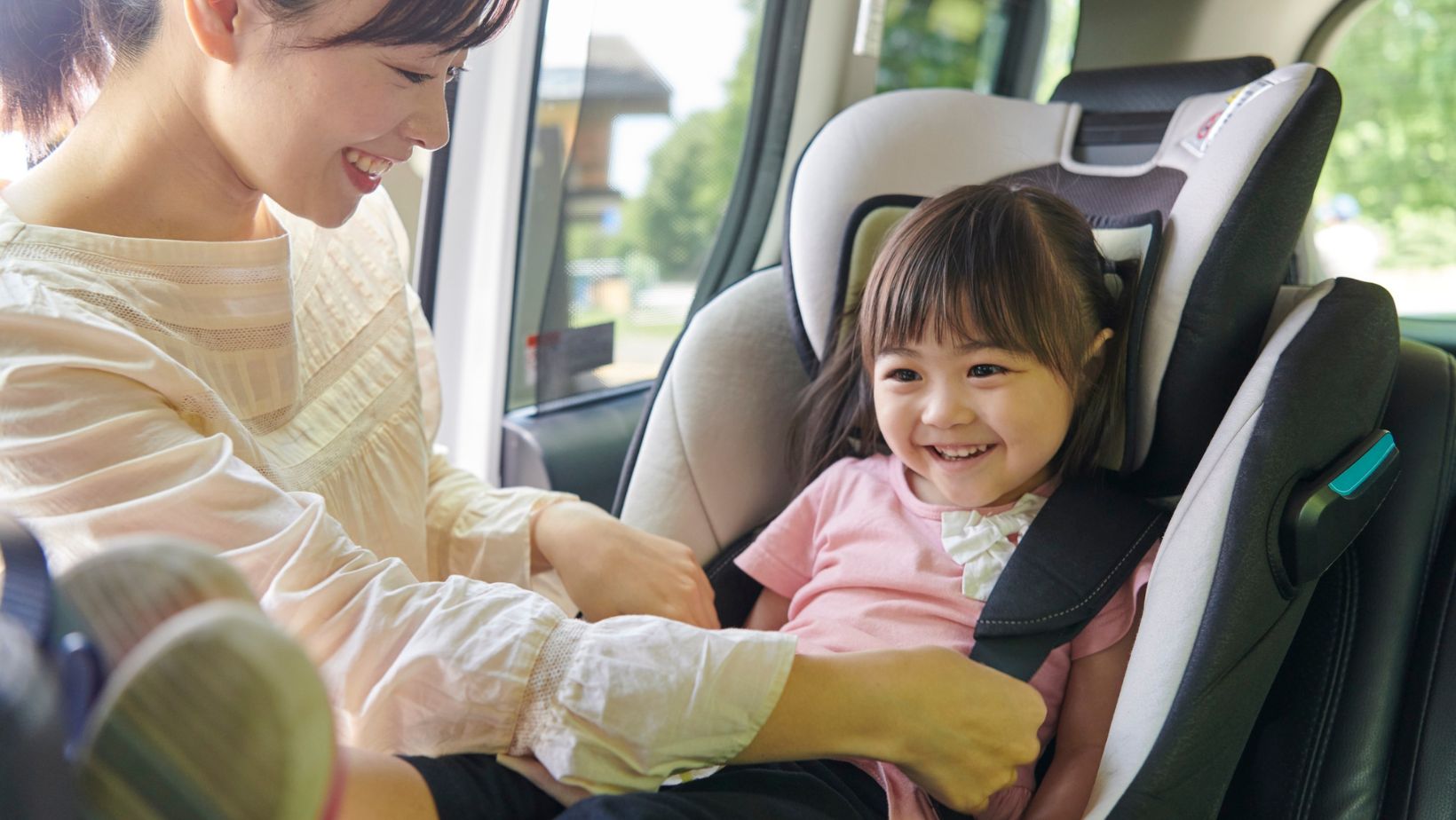
2. Double-Check Car Seats and Seat Belts Every Time
Car seats and seat belts should be part of the routine, not an afterthought. Kids grow quickly, straps loosen, and seats get adjusted more often than parents realize. A quick check before driving becomes second nature and helps keep safety consistent.
Car seat laws vary by state, but a few examples parents should be aware of:
- Car seat laws in Florida require children age 5 and under to ride in a federally approved child restraint system. Many families continue using booster seats beyond that age until a seat belt fits properly across the child’s shoulder and lap, which is often the safer choice.
- In California, car seat rules are more strict about younger children. Most kids are required to ride rear-facing until at least age 2, unless they meet specific height and weight requirements set by the state.
- New York’s car seat laws require child safety seats through age 4, with booster seats required until age 8, reflecting the state’s focus on extended child passenger safety.
Legal minimums don’t always match best safety practices. In many cases, staying in the appropriate car seat or booster longer offers better protection, even if the law allows otherwise.
When in doubt, err on the side of caution.
3. Create “Car-Only” Rules Kids Can Understand
Kids do better with clear, simple expectations. Rules like “We don’t hand things to the driver,” or “If something falls, we wait until we stop,” help avoid sudden distractions.
Why this works:
Without clear rules, kids act on impulse, passing snacks forward, asking for help immediately, or reacting emotionally. Predictable rules reduce last-second surprises and help kids feel more secure.
Consistency matters more than perfection.
4. Choose Entertainment That Doesn’t Need You
Audiobooks, playlists, kid-friendly podcasts, and hands-free games can keep kids engaged without requiring constant interaction from the front seat.
If screens are part of the plan, set them up before driving and keep the volume low.
Why this works: The best car entertainment keeps kids occupied without pulling your attention away from the road. If you’re frequently asked to fix, find, or change something, it becomes another distraction rather than a solution.
Think background calm, not something you have to manage.
5. Plan for Breaks Even on Short Drives
Kids’ patience doesn’t always match adult schedules, and that’s normal. Bathroom stops, stretch breaks, or even a few minutes outside the car can reset everyone.
Why this works: Restlessness often shows up as whining, arguing, or constant requests. Planned breaks reduce pressure and make it less likely you’ll feel rushed or tempted to multitask while driving.
Even short pauses can make a long difference.
6. Secure Loose Items Before They Become a Problem
Water bottles, toys, books, and bags should be placed where kids can reach them—or safely stowed away.
Why this works: Many distractions start with something rolling onto the floor. Reaching back to grab it feels harmless, but it takes your eyes and focus off the road. A little organization up front prevents those moments altogether.
7. Don’t Minimize Your Own Stress
Kids pick up on tension quickly. If you’re running late, frustrated, or overwhelmed, the whole car feels it.
Why this works: Choosing a calmer route, leaving a few minutes earlier, or simply acknowledging that you’re stressed can help you reset. A calmer driver leads to a calmer car and safer driving overall.
Sometimes the best safety tool is giving yourself grace.
8. Accept That Silence Isn’t Always a Problem
If the car suddenly goes quiet, resist the urge to turn around. Silence often means kids are settled, focused, or resting.
Why this works:
Not every moment needs managing. Trust the systems you put in place and keep your attention where it belongs on the road.
A Final Thought for Parents
Driving with kids doesn’t have to feel like constant damage control. With a few thoughtful habits, you can reduce distractions, stay safer, and even enjoy the ride a little more.
Joy and safety aren’t opposites. When the car feels calm and predictable, everyone benefits, especially the driver.