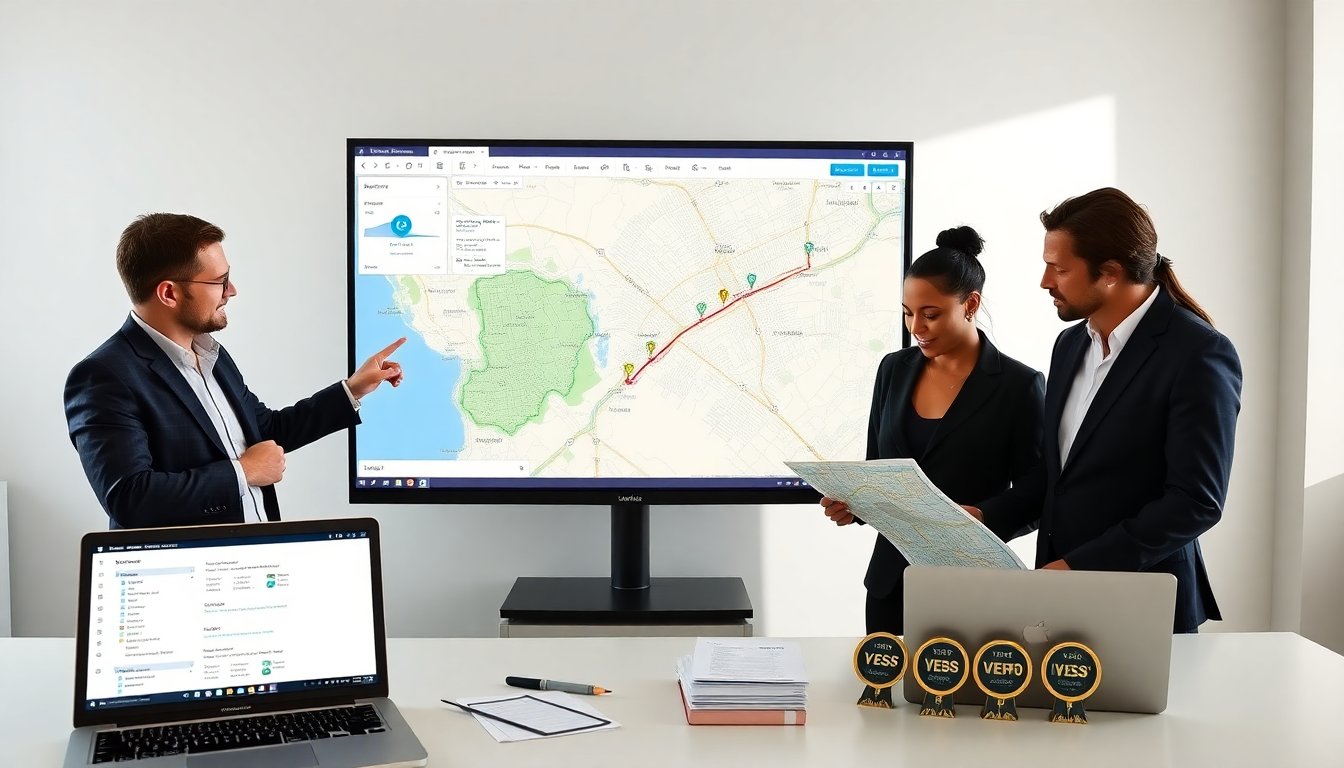


Estimating mistakes don’t usually come from bad math—they come from outdated workflows. When drawings are revised, files are duplicated, or teams work in silos, even experienced estimators miss quantities. That’s why more contractors are moving away from desktop tools and manual workflows toward cloud takeoff software.
Instead of tying takeoffs to a single device or user, cloud-based platforms centralize drawings, quantities, and revisions in one shared environment. This shift isn’t about convenience—it’s about accuracy, speed, and staying competitive in a market where bid turnaround time matters as much as price.
This article explains how cloud based takeoff works, what problems it solves, and why it’s becoming the preferred approach for modern construction estimating.
What Is Cloud Takeoff Software?
Cloud takeoff software is a digital estimating solution that allows users to perform quantity takeoffs directly from construction drawings using a cloud-based platform. Instead of installing heavy software on a local machine, everything—from plan uploads to measurements and collaboration—happens online.
Unlike traditional tools, cloud-based takeoff systems are accessible from anywhere, updated automatically, and designed for real-time teamwork.
In simple terms:
Cloud takeoff software lets you measure, count, and quantify construction drawings using the internet—without being tied to one computer or office.
How Cloud-Based Takeoff Works
A cloud based takeoff workflow typically follows these steps:
- Upload plans (PDFs, drawings, or BIM outputs) to the cloud
- Digitally measure lengths, areas, volumes, and counts
- Auto-organize quantities by trade, material, or system
- Collaborate in real time with estimators, PMs, and stakeholders
- Sync data with estimating or bidding software
Because everything lives in the cloud, updates are instantly available to the entire team—no version confusion, no duplicate files.
Why Cloud Takeoff Software Is Replacing Desktop Tools
1. Work From Anywhere, Anytime
Remote work is no longer optional in construction. With cloud takeoff software, estimators can access drawings from the office, job site, or home—without VPNs or license restrictions.
This flexibility is especially valuable for:
- Distributed estimating teams
- Contractors bidding across multiple regions
- Fast-track projects with tight deadlines
2. Real-Time Collaboration
Traditional takeoff tools isolate users. Cloud based takeoff platforms enable live collaboration, where multiple team members can review quantities, flag issues, and validate scope together.
Benefits include:
- Fewer errors and missed items
- Faster internal reviews
- Better coordination between estimating and preconstruction
3. Always Up to Date
With desktop software, updates are manual and disruptive. Cloud takeoff software updates automatically—ensuring users always have the latest features, security patches, and performance improvements.

No installs. No downtime. No compatibility issues.
4. Faster, More Accurate Takeoffs
Modern cloud based takeoff tools often include:
- Smart measurement tools
- Auto-detection of repetitive elements
- AI-assisted quantity extraction
These capabilities dramatically reduce manual effort while improving consistency and accuracy across bids.
Key Features to Look for in Cloud Takeoff Software
When evaluating cloud takeoff software, prioritize platforms that offer:
- Browser-based access (no local installation)
- High-performance plan rendering
- Custom measurement tools by trade
- Revision comparison and overlay
- Team permissions and activity tracking
- Integration with estimating software
- Data security and role-based access
The best cloud based takeoff solutions don’t just measure—they connect your entire preconstruction workflow.
Cloud Takeoff Software vs Traditional Takeoff Methods
| Feature | Traditional Takeoff | Cloud Takeoff Software |
| Accessibility | Single device | Anywhere, anytime |
| Collaboration | Limited | Real-time |
| Updates | Manual | Automatic |
| Scalability | Hardware-dependent | Instantly scalable |
| Error Risk | Higher | Lower with shared visibility |
This shift explains why more contractors are moving their estimating operations to the cloud.
Who Benefits Most From Cloud-Based Takeoff?
Cloud based takeoff is valuable across the construction ecosystem, including:
- General contractors managing multiple bids
- Subcontractors handling high bid volume
- Estimators under deadline pressure
- Preconstruction teams coordinating early planning
- Growing firms that need scalable tools
Whether you’re bidding small commercial projects or large-scale developments, cloud takeoff software adapts to your workflow.
Security and Data Reliability in Cloud Takeoff Software
A common concern is data security. Leading cloud takeoff software platforms use:
- Encrypted data storage
- Secure access controls
- Automatic backups
- Compliance with modern security standards
In many cases, cloud systems are more secure than local machines vulnerable to crashes or data loss.
How Cloud Takeoff Software Supports Competitive Bidding
Speed and accuracy decide who wins bids. Cloud based takeoff tools help contractors:
- Turn around estimates faster
- Reduce rework caused by errors
- Standardize takeoff processes
- Analyze quantities across projects
This leads to more confident pricing and stronger bid strategies.
The Future of Cloud-Based Takeoff
Cloud takeoff software is evolving rapidly. Emerging trends include:
- AI-driven quantity recognition
- Deeper integration with BIM and estimating platforms
- Predictive analytics for cost planning
- Fully connected cloud preconstruction ecosystems
As technology advances, cloud based takeoff will become the foundation of digital estimating.
Final Thoughts
The shift to cloud takeoff software isn’t just a technology upgrade—it’s a strategic advantage. By enabling remote access, real-time collaboration, faster takeoffs, and scalable workflows, cloud based takeoff is redefining how construction estimating is done.
For contractors and estimators looking to stay competitive in a digital-first construction industry, cloud takeoff software is no longer optional—it’s essential.