
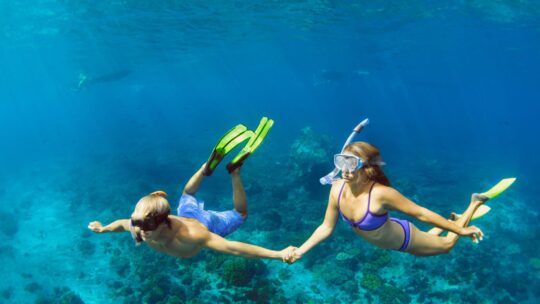
Planning a family snorkeling trip can be a wonderful way to create lasting memories and introduce kids to the wonders of the underwater world. With crystal-clear water, vibrant marine life, and accessible beaches, destinations like Aruba snorkeling offer the perfect setting for a family adventure. But how do you ensure that your day on, and in, the water is both enjoyable and free of unnecessary stress? Here are practical tips to help every family have an unforgettable snorkeling experience together.
Choose The Right Location
Picking the perfect spot can make all the difference in your family’s snorkeling experience. Look for areas with calm, shallow waters and easy beach access, especially if you have young children or first-time snorkelers. Some beaches provide sheltered coves or natural pools, making them safer and more enjoyable for beginners.
Snorkeling destinations in Aruba are known for their gentle currents and fantastic visibility, but always check local conditions before heading out. Avoid places with strong waves, sharp rocks, or heavy boat traffic. It’s a good idea to do a bit of research or ask locals for recommendations tailored to families.
Prepare And Pack Thoughtfully
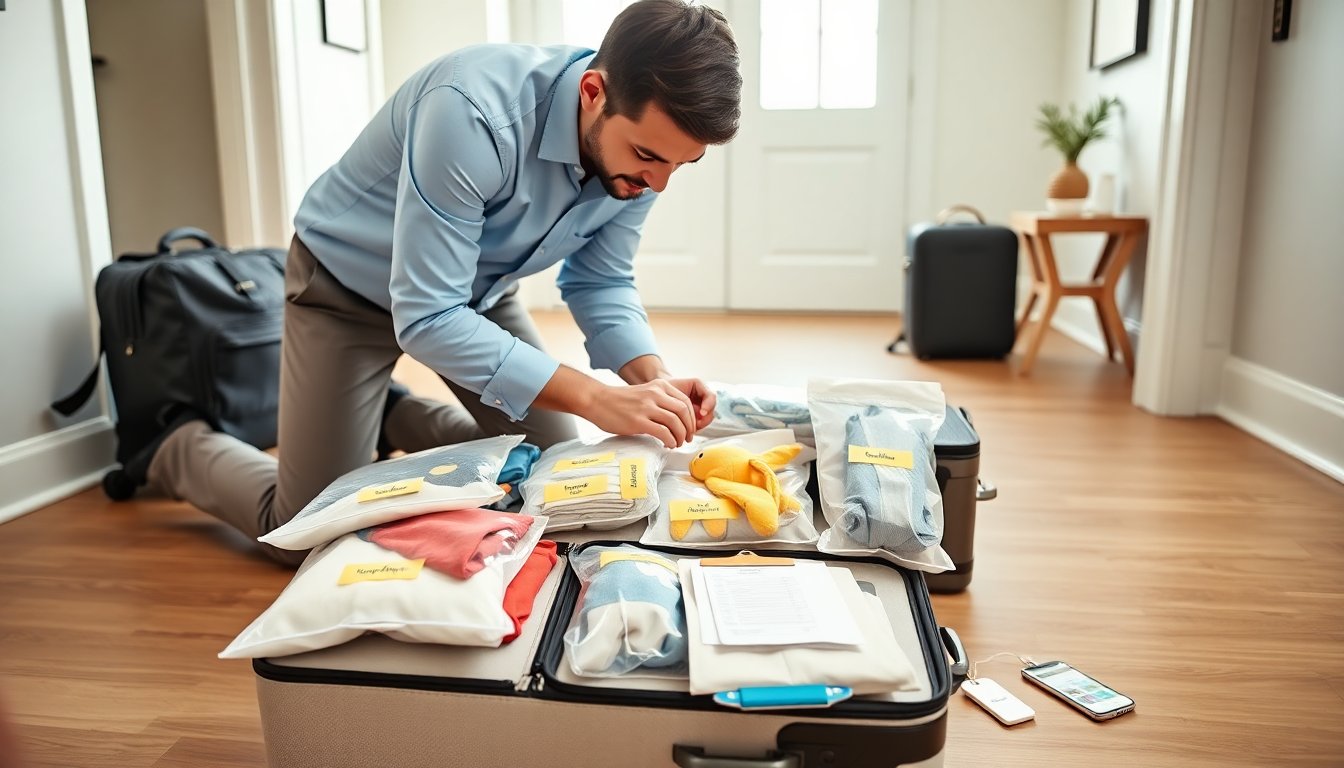
Preparation is key for a stress-free adventure. Make a checklist a few days ahead of your trip so nothing essential is left behind. Start with well-fitting snorkeling gear for each family member, including masks, snorkels, and fins. Opt for gear that fits snugly without pinching, and test items in a pool or shallow water first if possible.
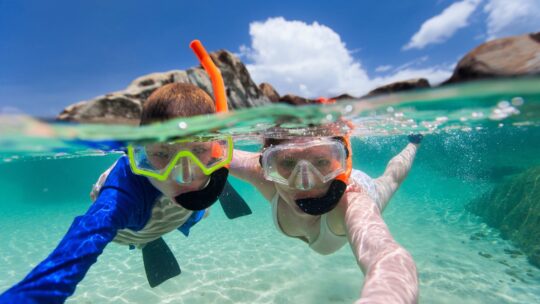
Besides equipment, don’t forget sunscreen, rash guards or t-shirts for sun protection, reusable water bottles, snacks, towels, and a dry bag for valuables. If you plan to spend several hours at the beach, consider packing a lightweight umbrella or beach tent for shade and comfort. Having everything organized and accessible will help you focus on having fun, instead of hunting for supplies.
Safety First: Educate And Supervise
Before anyone enters the water, review basic safety rules together as a family. Discuss staying close to each other, recognizing landmarks, and what to do in case someone feels uncomfortable or tired. Children should always be within arm’s reach of an adult, especially if waves are present or the water unexpectedly gets deeper.
Teach children how to clear their snorkels, check their gear, and practice breathing calmly with masks on before venturing into deeper water. Consider bright swim vests or rash guards for children, so they are easily visible. Remind everyone to avoid touching wildlife or corals, as this protects both the environment and your family from possible injuries.
Make It A Fun Learning Experience
Engage your children’s curiosity by turning your trip into an educational adventure. Share interesting facts about local fish, sea turtles, or coral formations you might encounter. Bring along a waterproof fish identification card, so kids can point out what they see and learn as they explore.
Encourage children to move slowly and quietly in the water, observing creatures in their natural habitat. Take time to float together as a family, exchange excited discoveries, and celebrate each underwater treasure spotted. This approach sparks wonder and helps little ones gain confidence while having fun in a safe way.
Focus On Comfort And Enjoyment
Remember that every family member’s needs and comfort levels can diffe and that’s perfectly okay. Let the kids set the pace, whether it means taking breaks, having a snack, or simply bobbing near the shore. The goal is to make everyone feel included and relaxed, rather than pressure anyone to swim farther or longer than they want.
Bring along familiar comfort items, like a favorite towel or beach toy, to help younger children transition smoothly between snorkeling and rest periods. Don’t forget to enjoy the downtime between swims, building sandcastles or sharing stories about what everyone saw. Focusing on shared enjoyment and flexibility will ensure your family leaves with smiles and great memories.