
Using social media entries in online giveaways drives engagement, grows lists, and boosts reach when organizers plan precise mechanics. Before posting, the team must set clear goals, pick prizes that match audience intent, and design one main entry action with a couple of low-friction bonus options. This article gives focused, practical rules and examples for 2026 that help hosts reduce fraud, stay compliant, and measure real ROI.
Key Takeaways
- Using social media entries in online giveaways effectively boosts engagement, follower growth, and email leads when organizers define clear goals and choose prizes aligned with audience intent.
- Keep entry mechanics simple with one main action and a few low-friction bonus options to maximize participation and reduce drop-off rates.
- Select social media entry types—such as comment-to-enter, follow+tag, or form-based entries—based on the specific outcome you want, like engagement or email capture.
- Always follow platform policies and legal requirements by publishing clear, compliant rules, including eligibility, winner selection, and anti-abuse clauses to protect your brand.
- Promote the giveaway with clear, step-by-step instructions and use tools to manage entries, detect fraud, and verify winners to maintain contest integrity.
- Perform daily moderation tasks like exporting, deduplication, and random fraud checks to ensure data quality and optimize giveaway performance for measurable ROI.
Define Goals, Prizes, And Entry Mechanics Before You Post
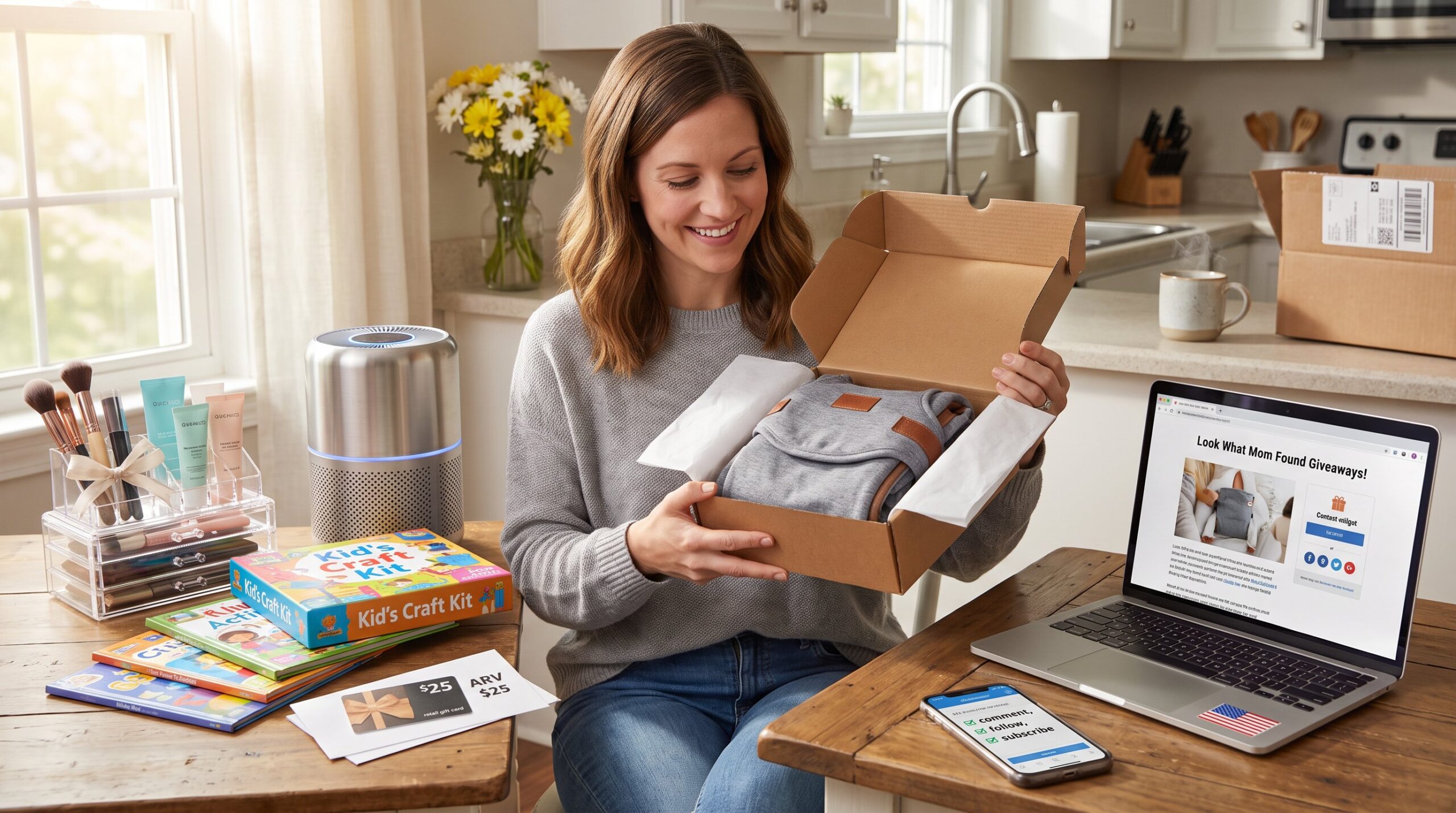
Fact first: a giveaway without a clear goal wastes impressions and creates poor data. Hosts should decide whether they want follower growth, reach, or email leads before they pick the prize. For example, a digital coupon drives email signups: a product bundle drives purchase-intent followers.
Set measurable targets: state a numeric follower increase, target email count, or reach target (e.g., 2,500 new subscribers, 50k impressions). Then match a prize. A $50 gift card often boosts reach: a 3-item product bundle increases qualified leads.
Keep mechanics simple. Choose one main entry action, e.g., “comment with your favorite tip”, and add up to two bonus actions, like “share to stories” or “subscribe to newsletter.” This reduces friction and raises completion rates: sites tracking contests report 1–2 core actions convert far better than many small tasks.
Practical warning: don’t ask for too much personal data up front. If the goal is email capture, route entries through a short landing form and clearly state how data will be used. If the objective is brand awareness, avoid forms and favor public actions (comment, tag, share).
Operational tip: write the official mechanics down before posting and attach a reference doc for moderators. This speeds dispute resolution if a participant later contests eligibility.
Select Social Media Entry Types That Match Your Audience
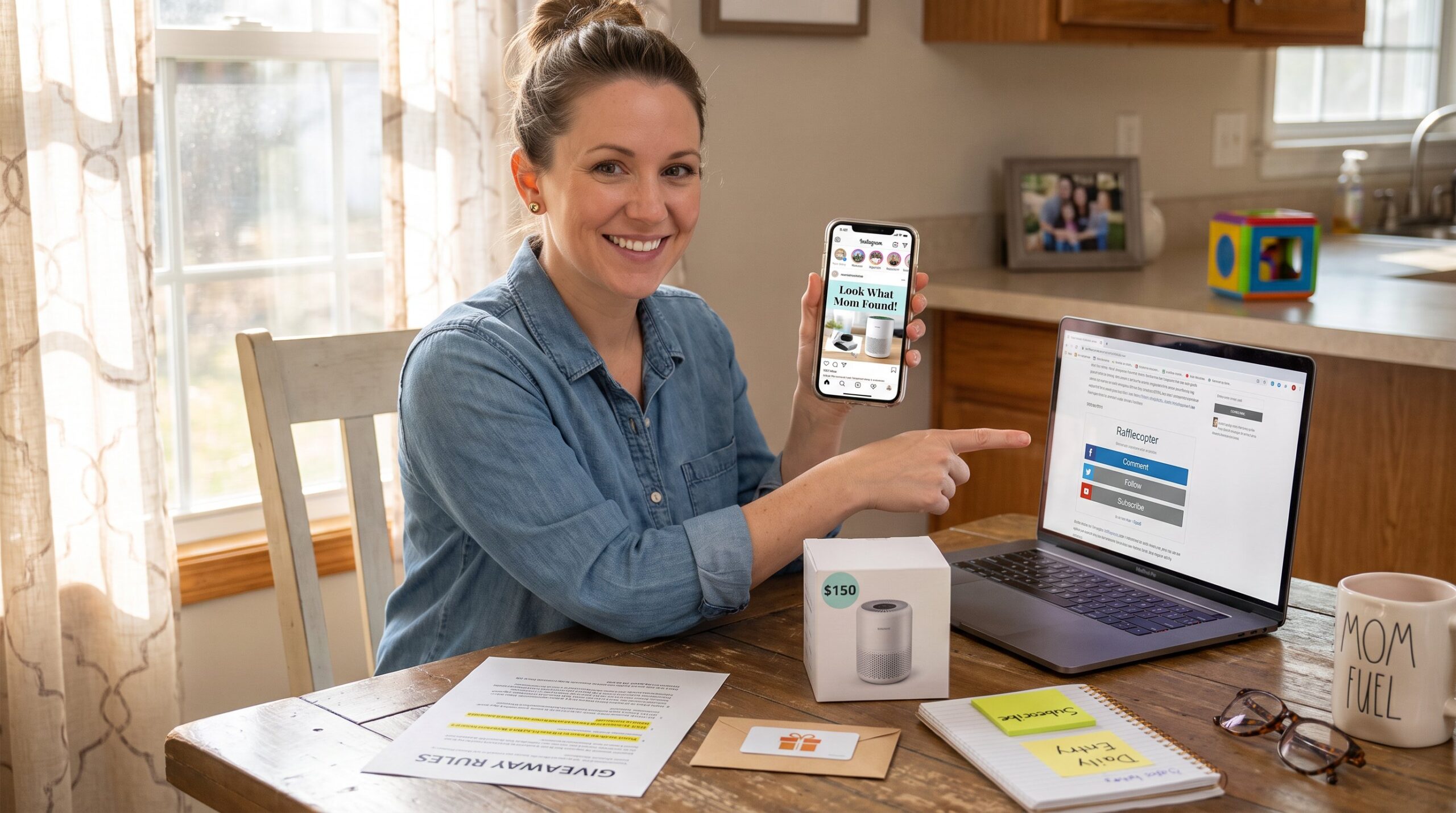
Fact first: entry type drives the metric you’ll win. Choose comment-to-enter for engagement, follow+tag for follower growth, share-to-stories for reach, and UGC hashtag posts to build content assets.
Comment-to-enter works when the brand wants high visible engagement. It creates dozens to thousands of public interactions in short windows. Follow+like+tag friends scales referrals, but it often inflates follower counts with low-quality accounts, so pair it with a follow-up verification step.
Share-to-stories is best used as a bonus entry. Stories have higher ephemeral reach and nudge organic spread without cluttering the main feed. User-generated content (UGC) posts with a branded hashtag build long-term advocacy and provide marketing material, require clear reuse rights in the rules.
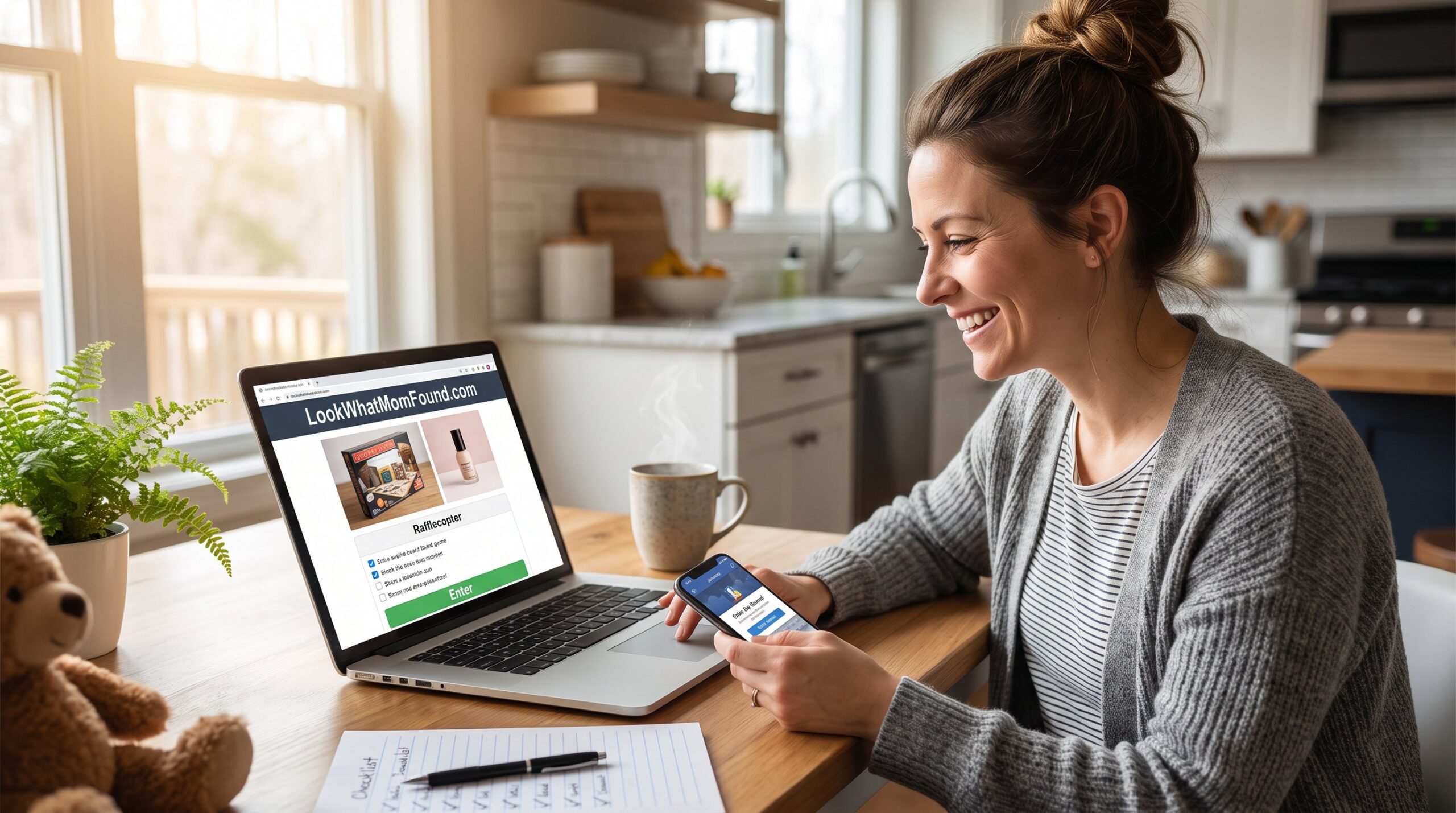
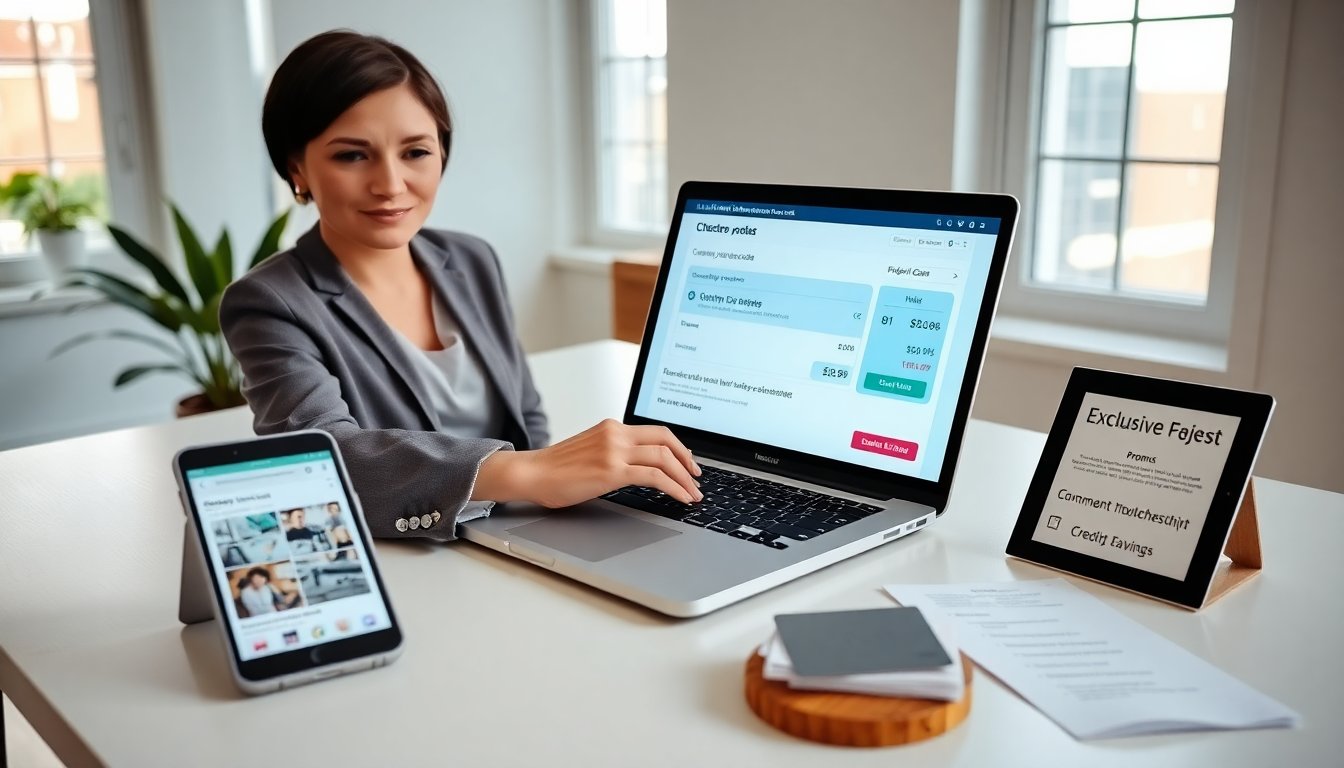
Form-based entries (a landing page) are essential when the goal is email capture and data collection. Use forms for multi-step opt-ins and include explicit consent checkboxes. A common setup: main entry via form for the prize, bonus entries via social actions verified by a scraper.
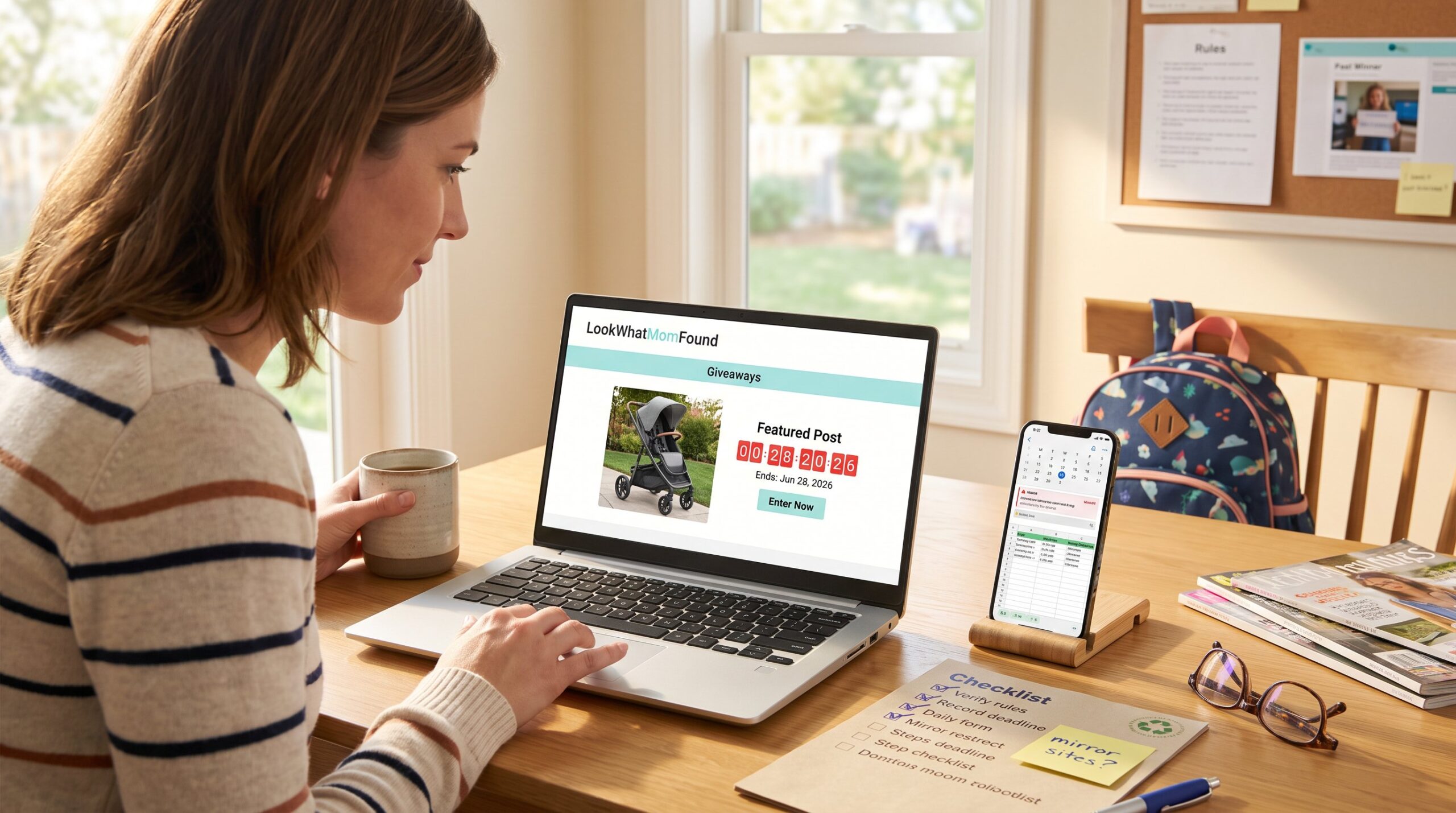
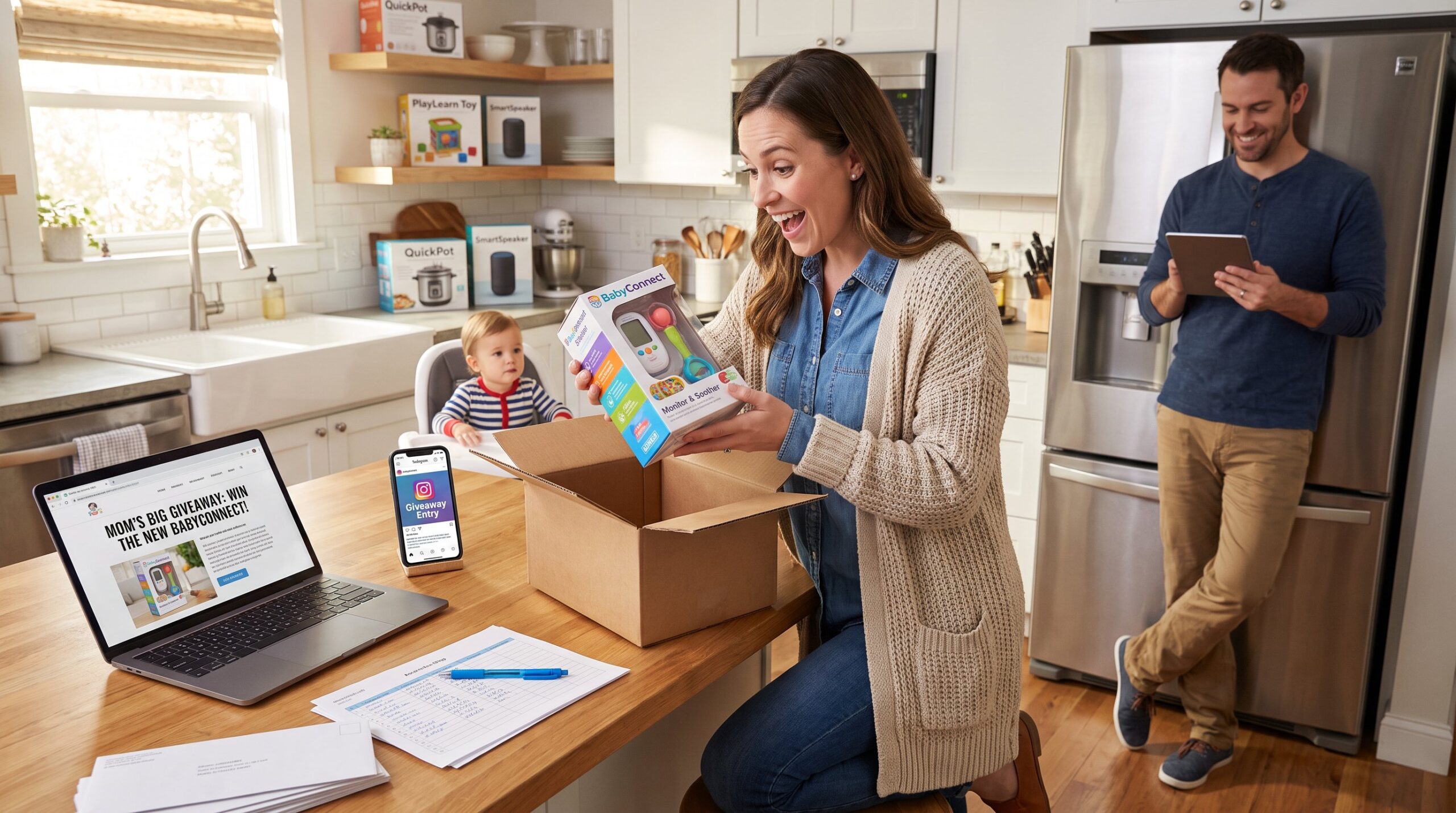
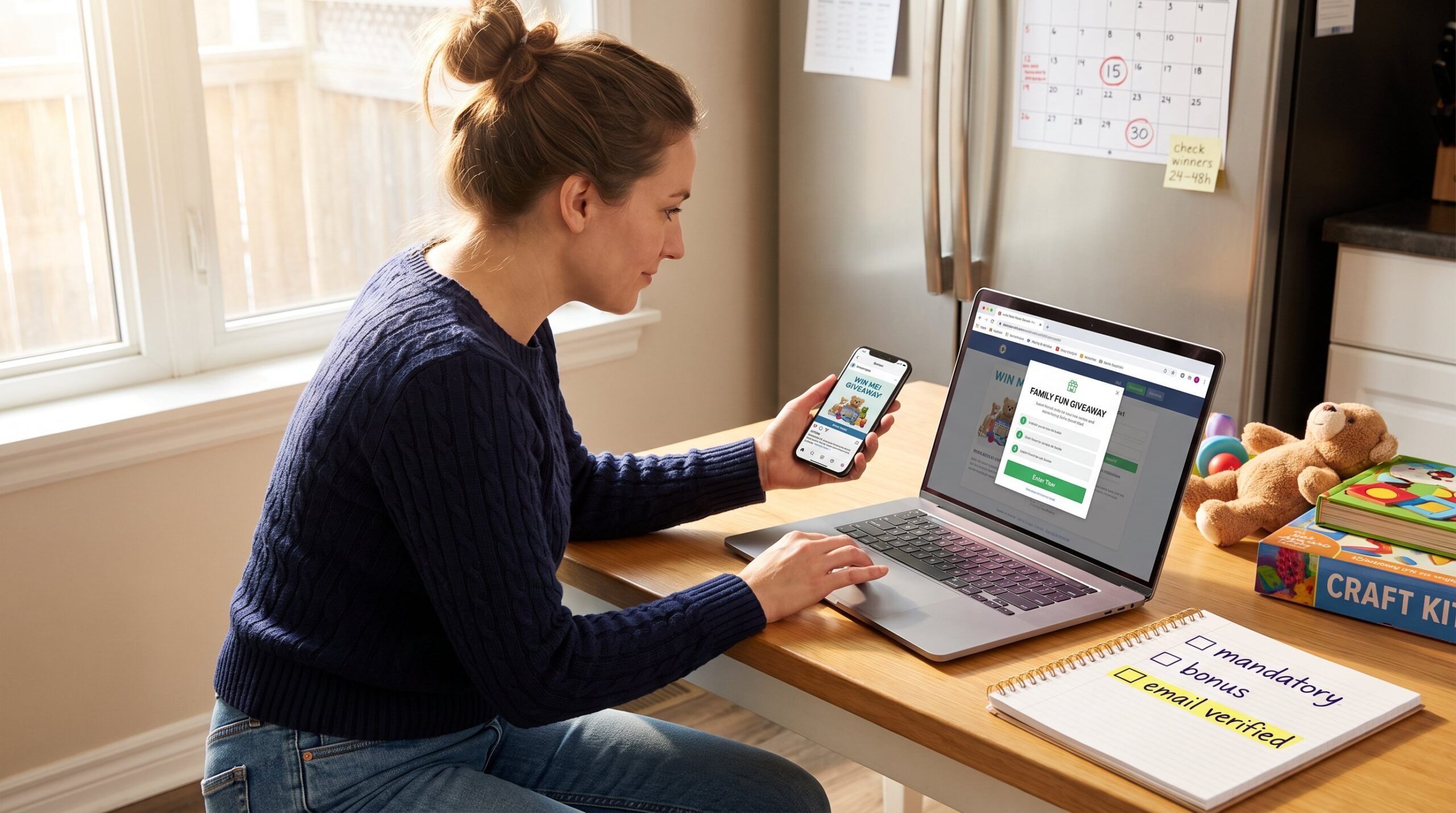
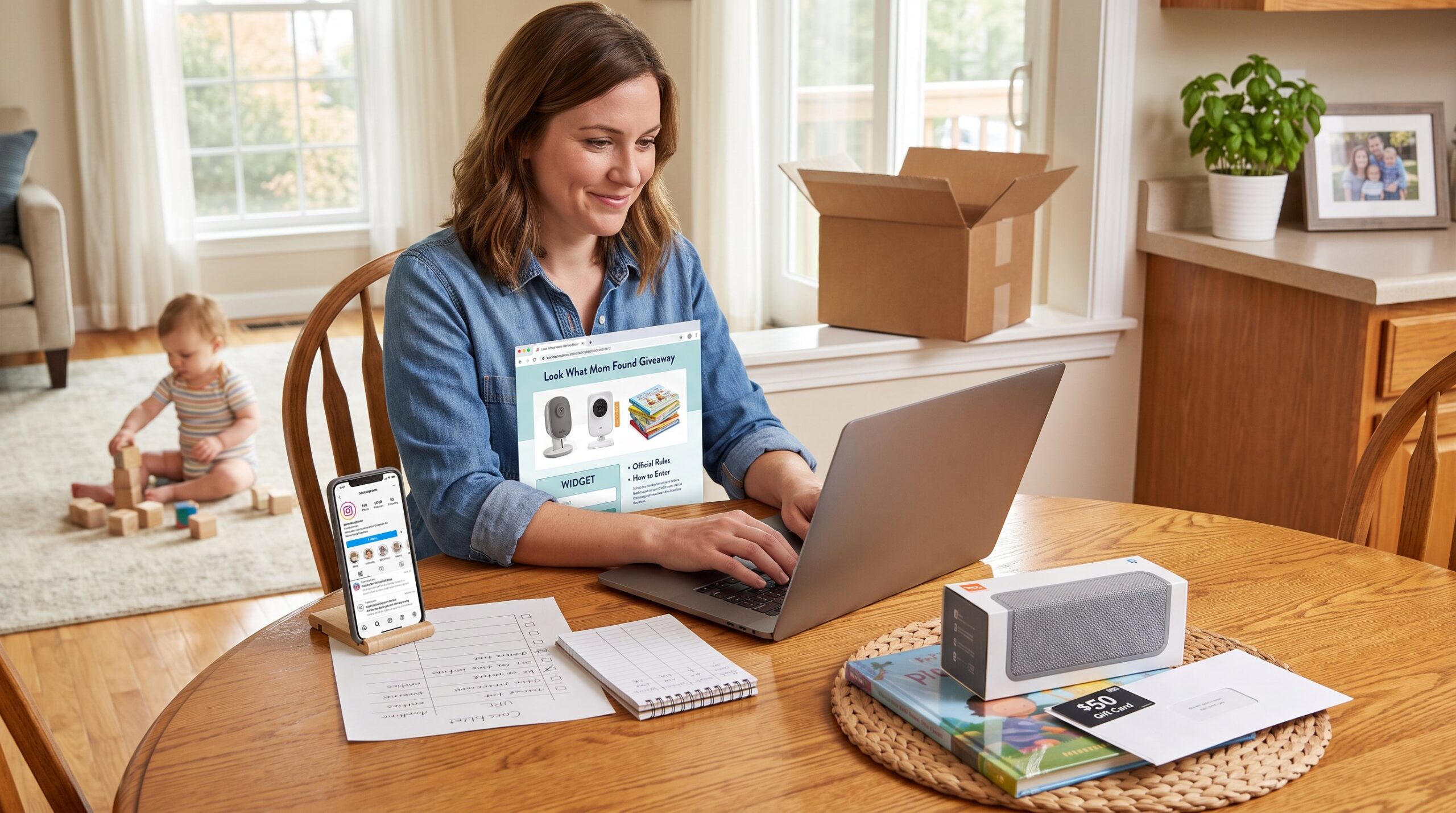
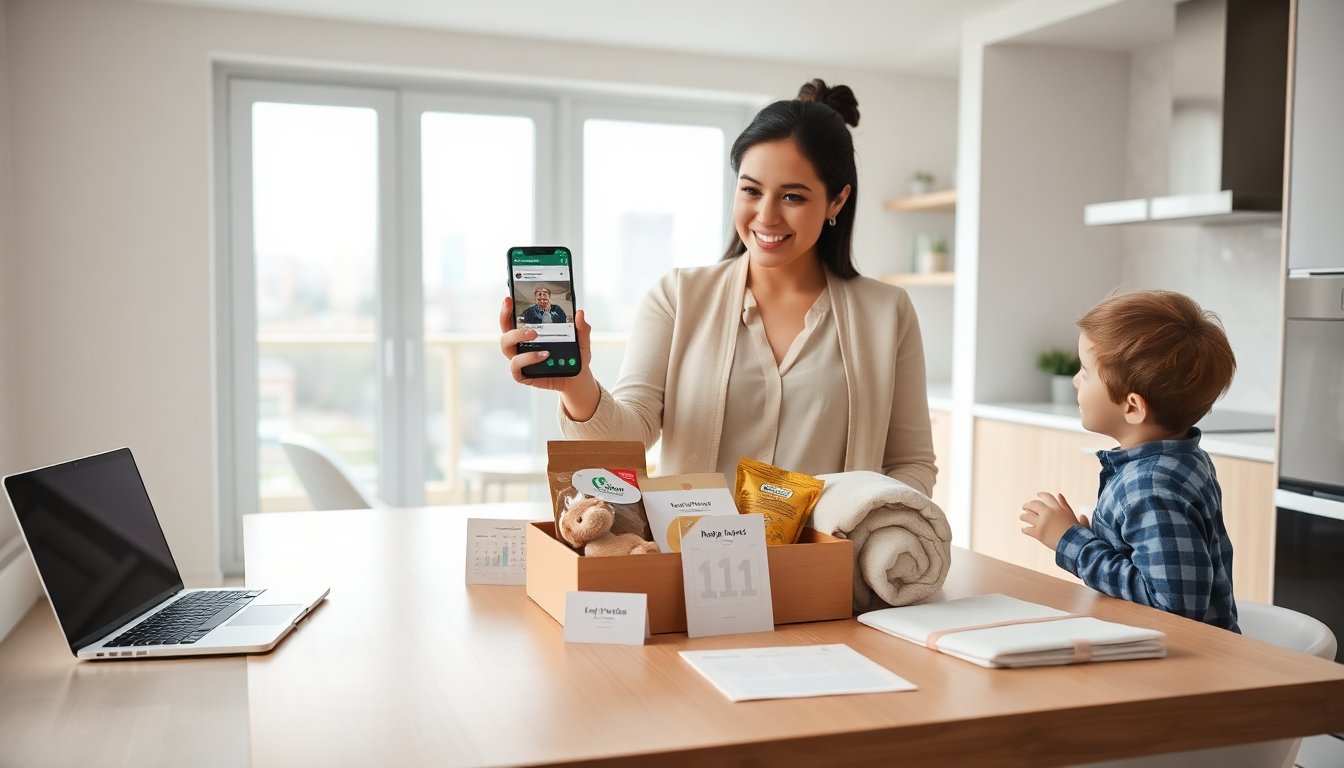
Example: a blogger running a baby-products giveaway might use a form to capture 1,500 emails, require a mandatory comment on Instagram, and offer a story share as a bonus. That mix aligns prize appeal with the audience and funnels high-quality leads toward purchase.
Operational note: test each entry path for friction. Time how long it takes to complete the entry flow: if it exceeds 60 seconds, simplify.
Follow Platform Policies, Legal Requirements, And Clear Terms
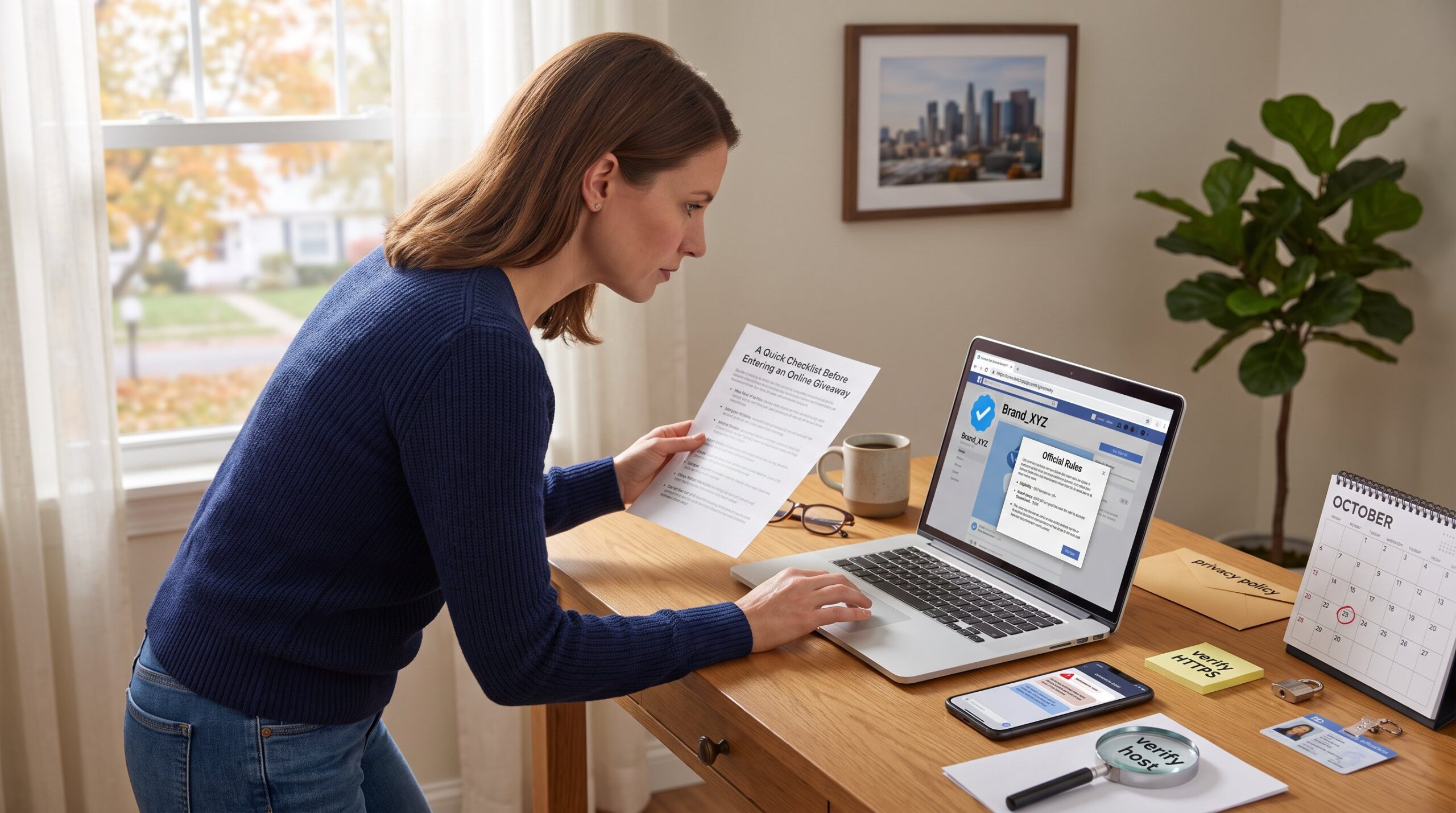
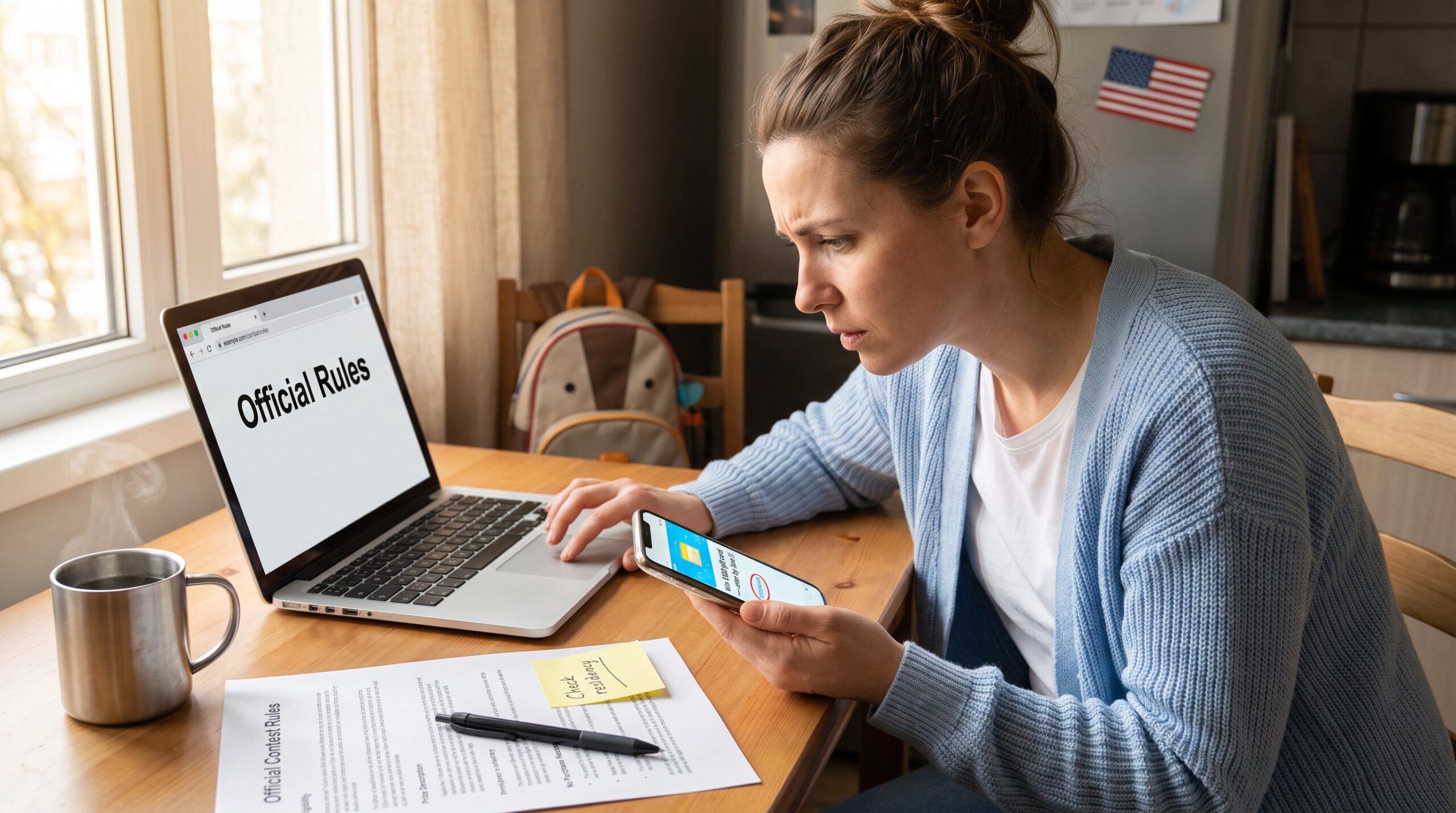
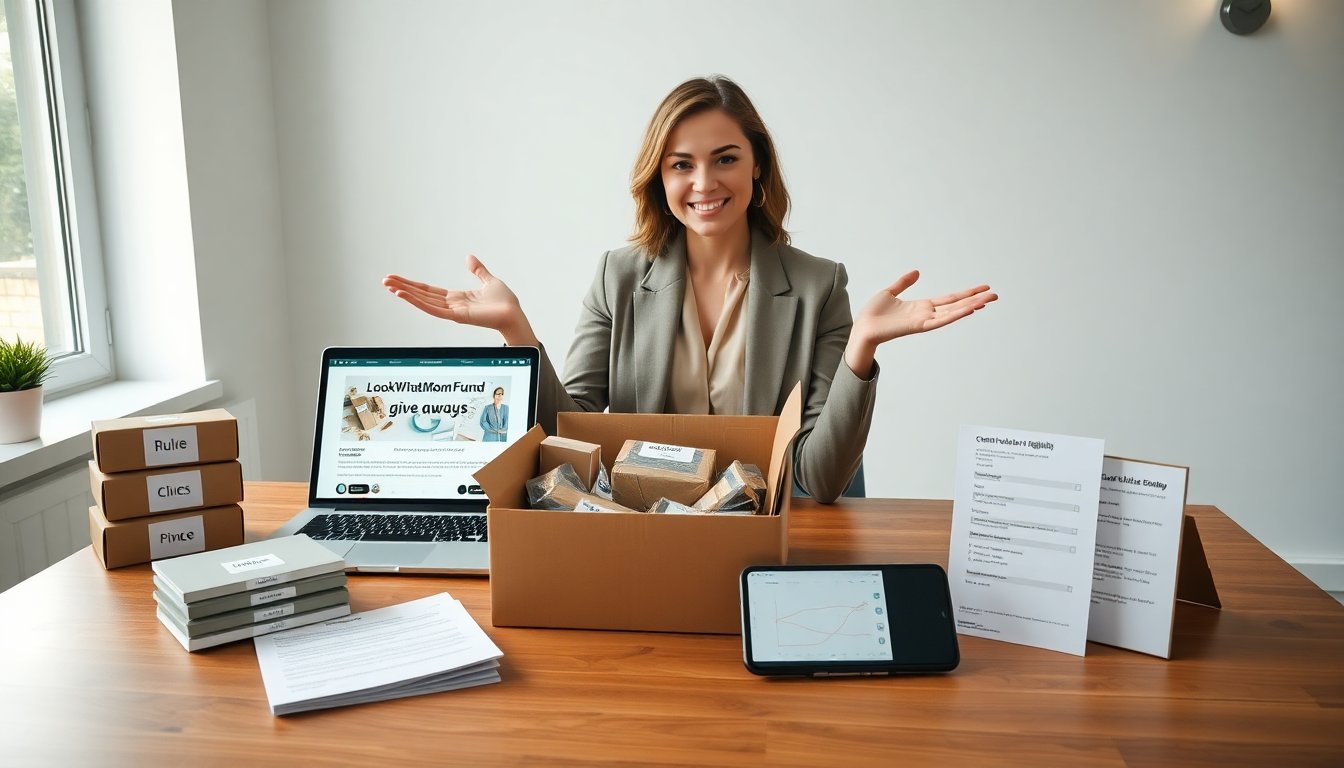
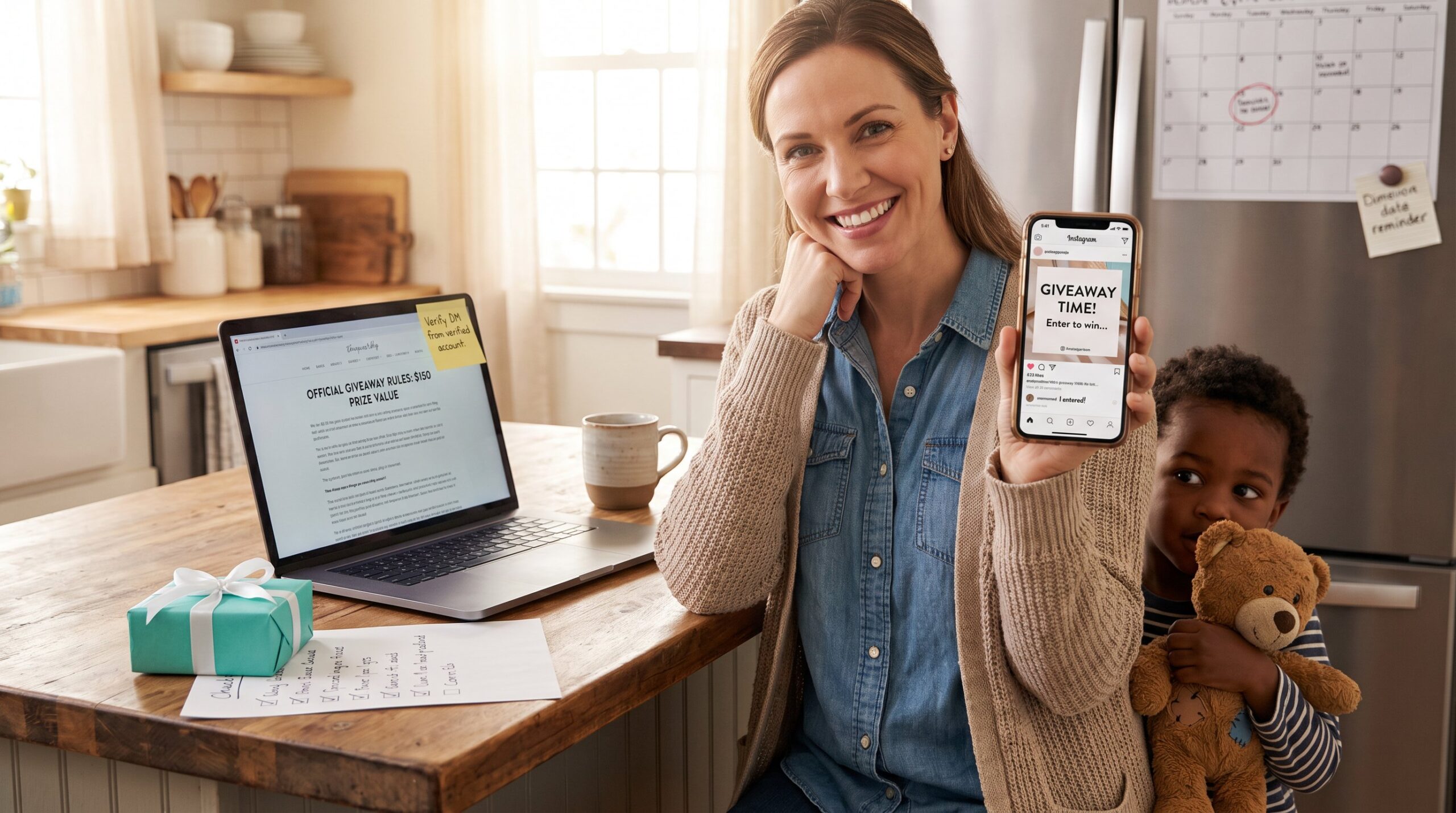
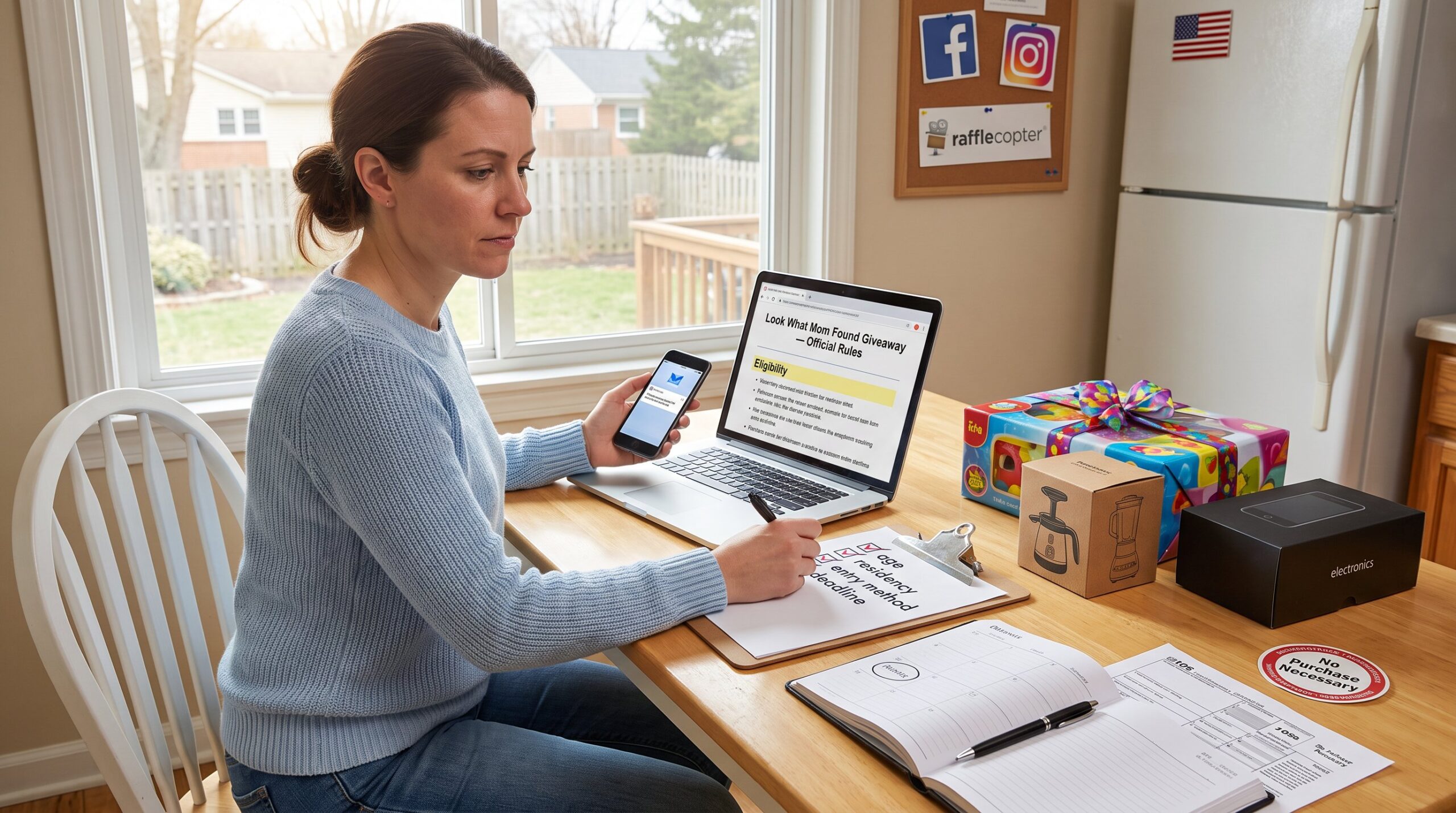
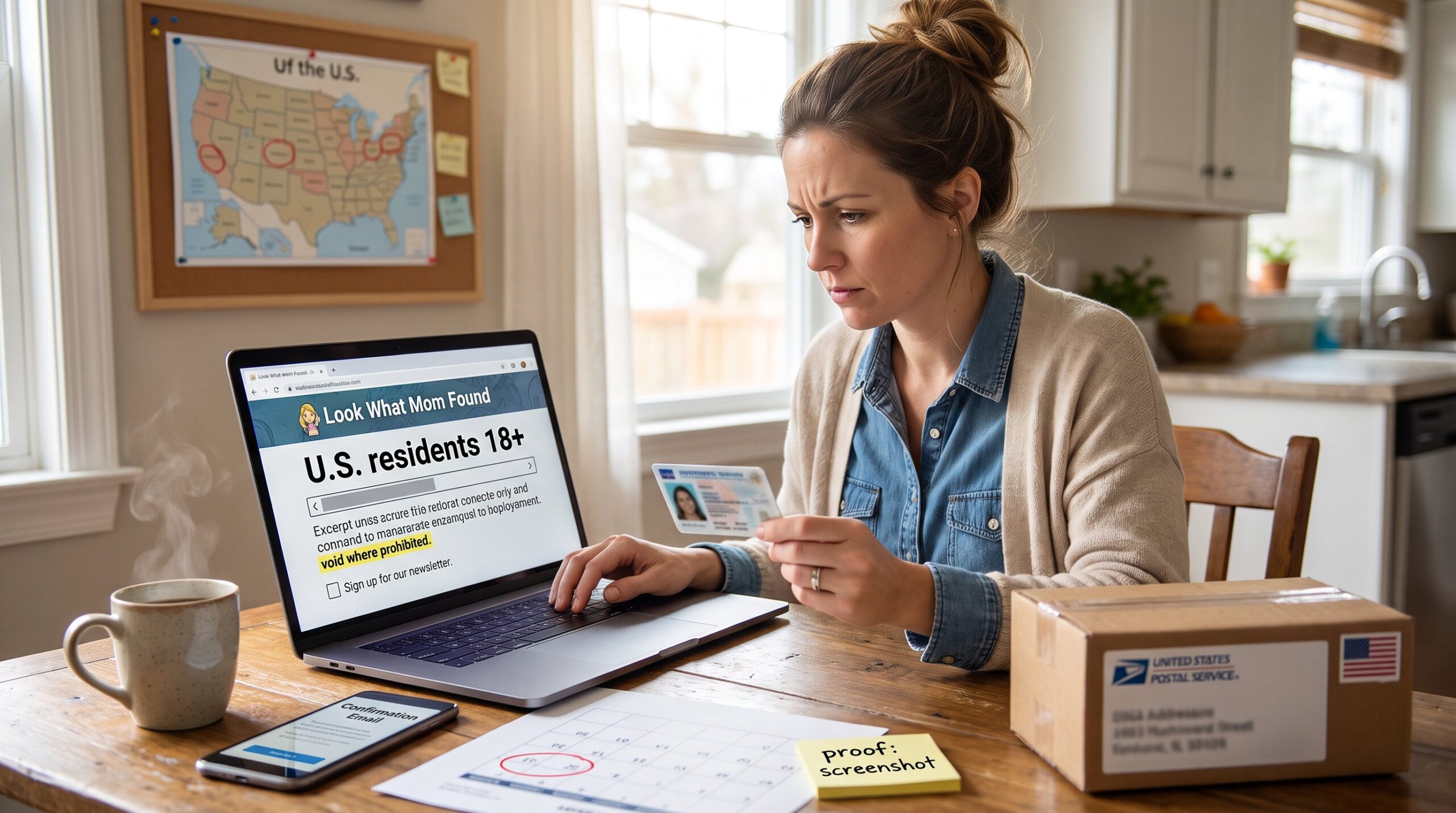
Fact first: noncompliant rules risk takedown, fines, and reputational damage. Hosts must publish official rules that list start/end dates, prize descriptions, eligibility, entry limits, and winner selection method.
Include a free entry method and a clear statement that the platform does not sponsor or endorse the promotion. This language protects the host and aligns with Facebook, Instagram, and TikTok policies. Also include country restrictions, minimum age, and tax responsibility for winners.
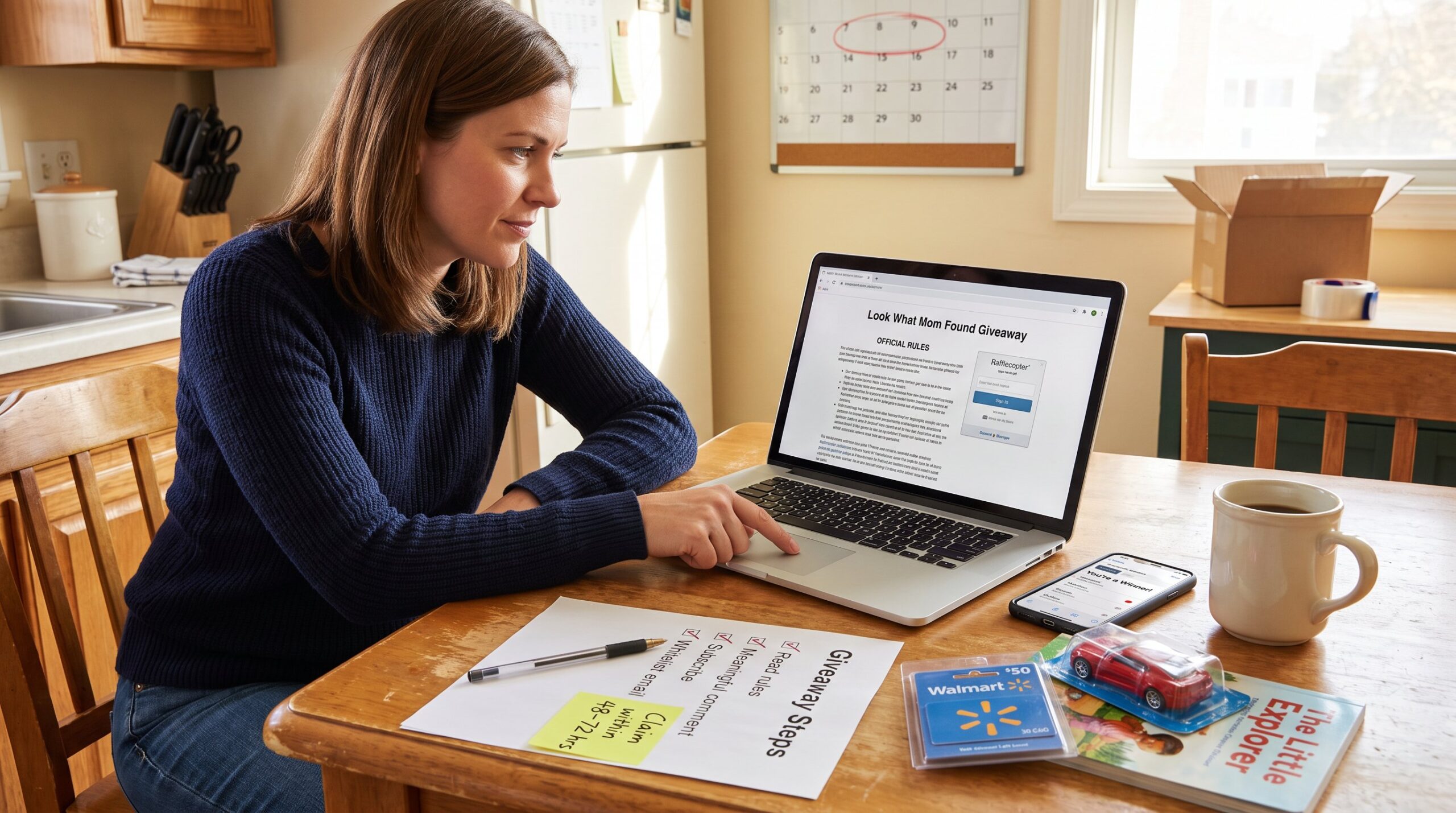
Write selection and notification procedures in plain language: how winners are chosen (random draw, judged), how they will be notified, and how long they have to claim prizes. For example: “Winner will be chosen by random draw on August 1, 2026 and must claim within 7 days.”
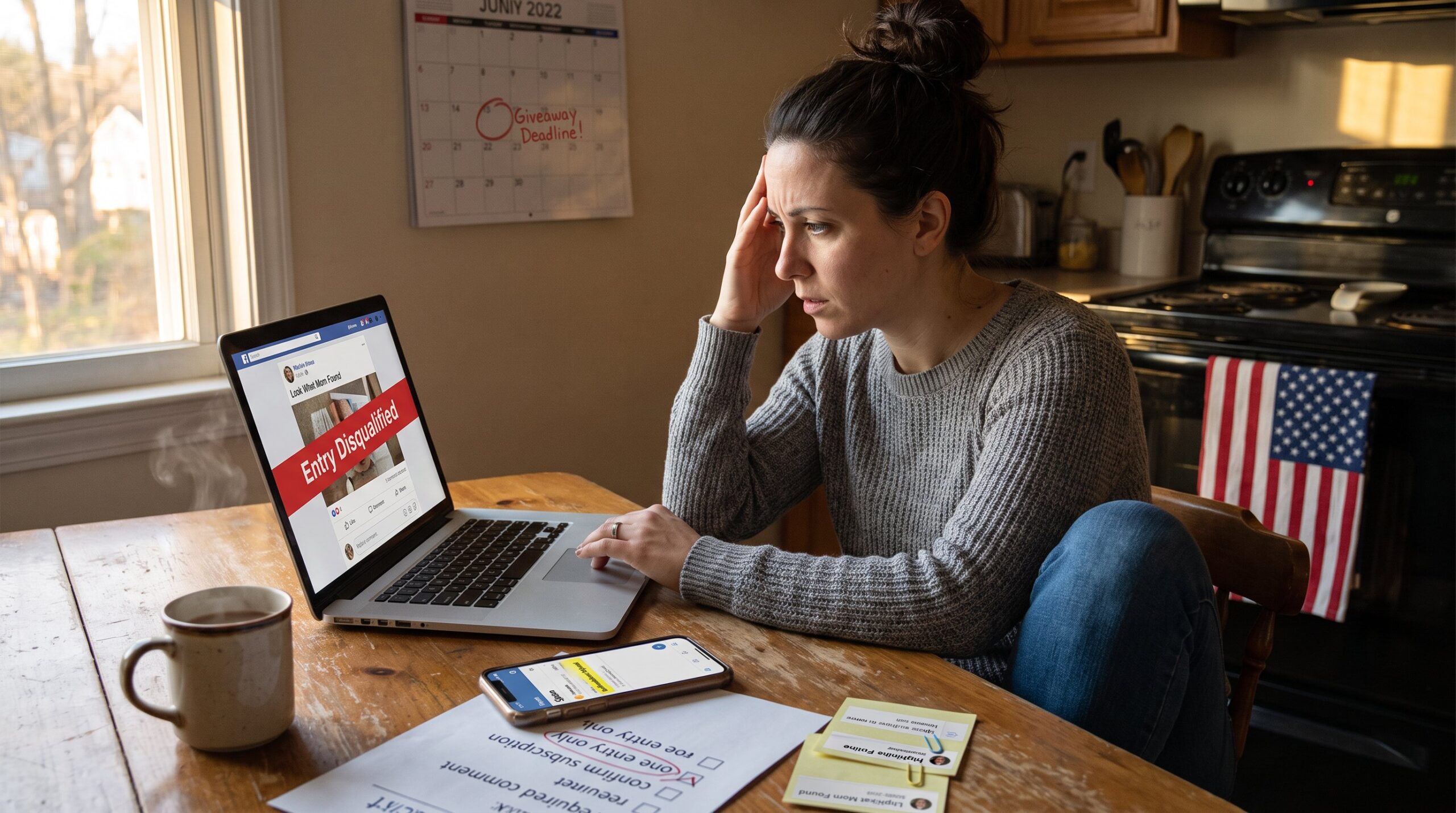
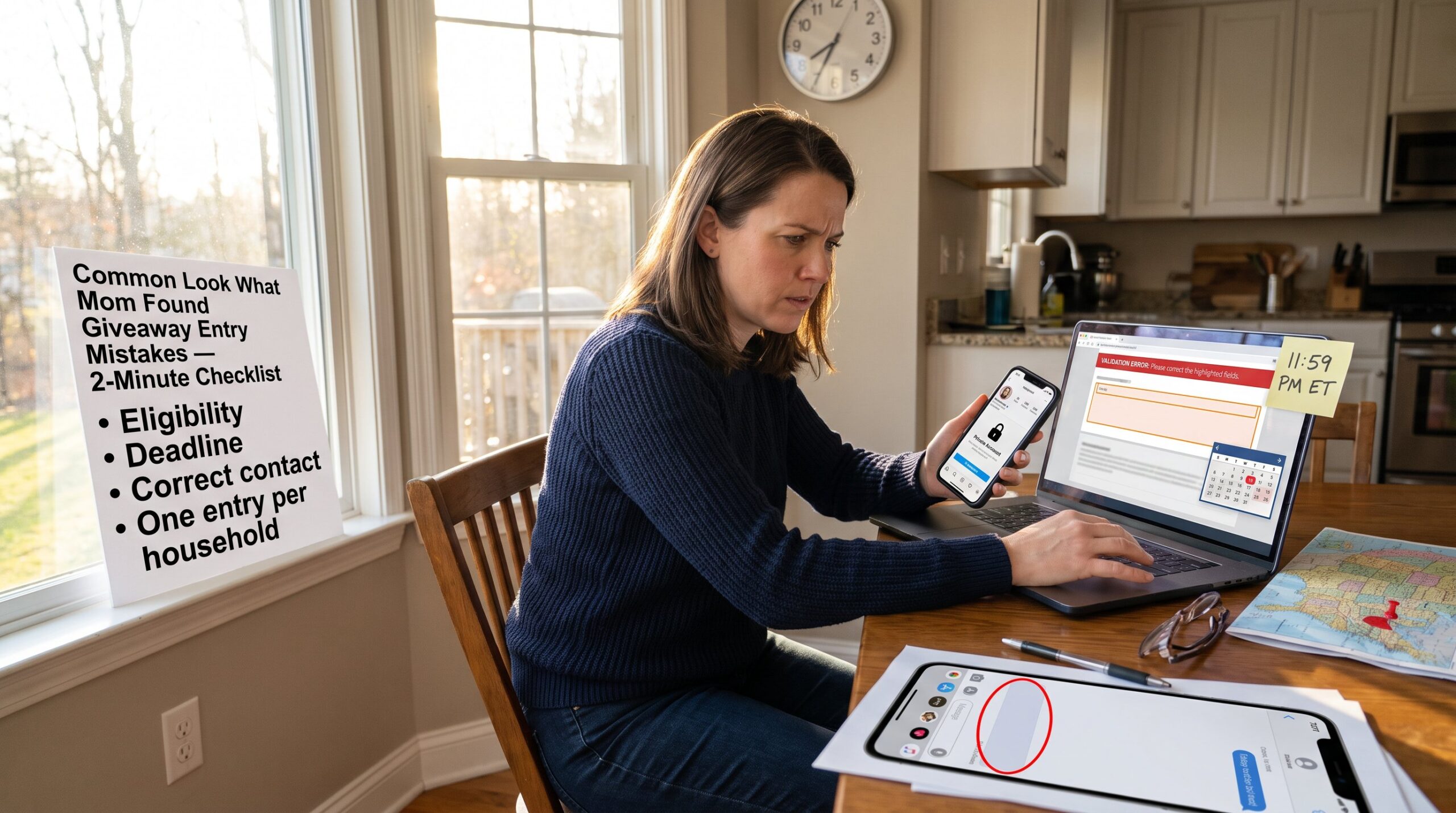
Include standard anti-abuse clauses: one entry per household, no third-party entries, and the organizer’s right to disqualify suspicious accounts. Keep a copy of all entries and the draw proof for at least 90 days.
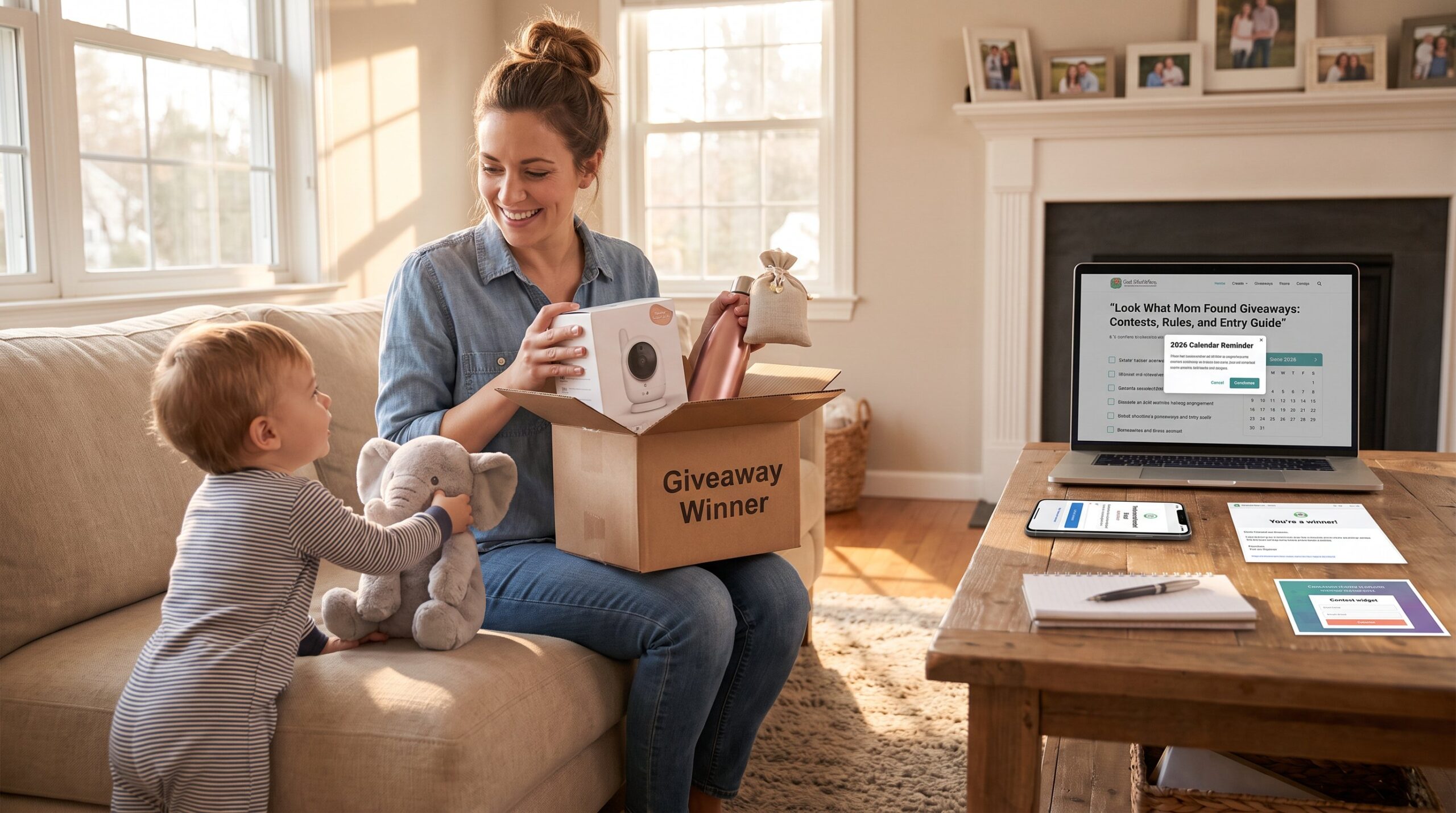
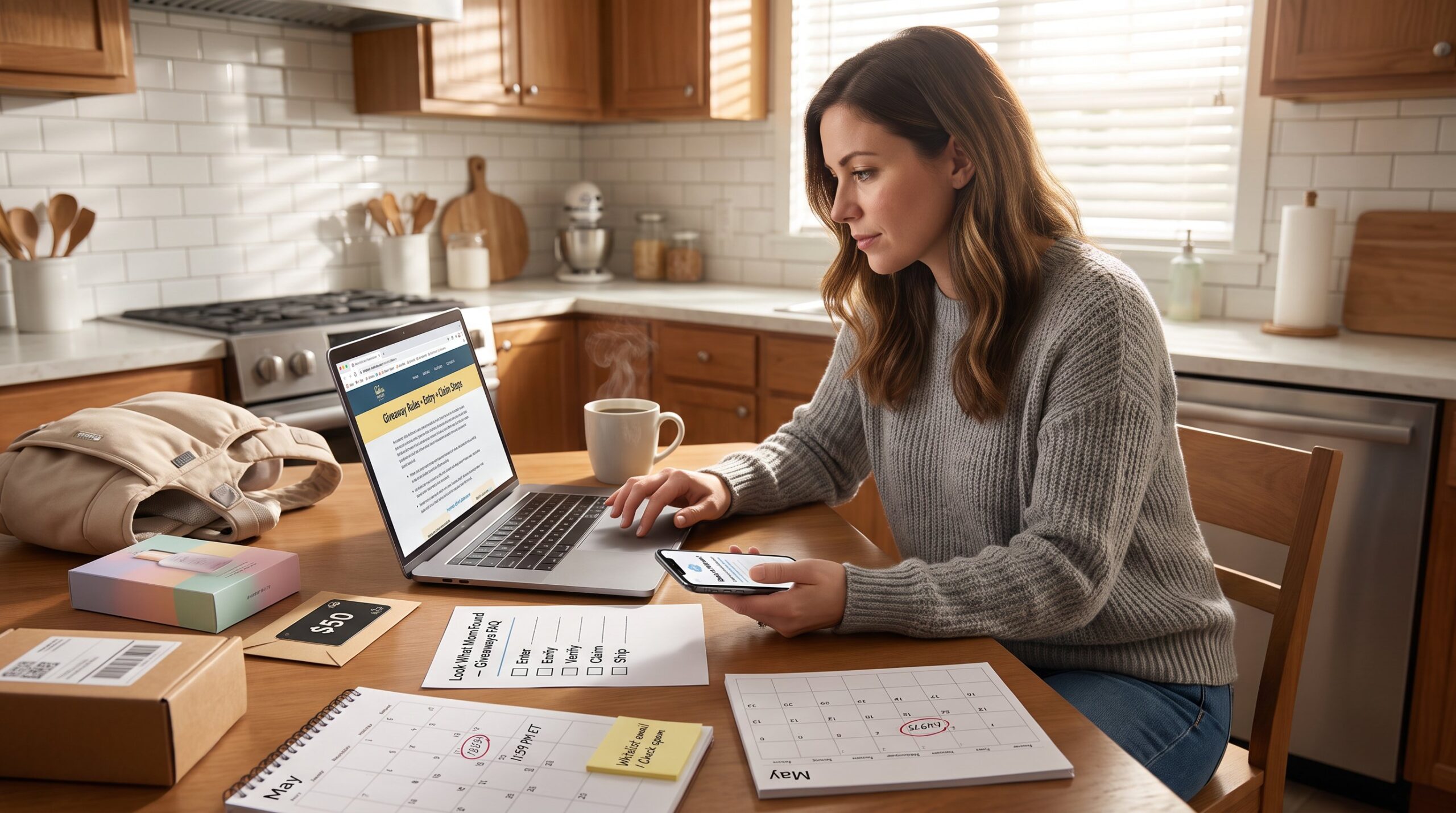
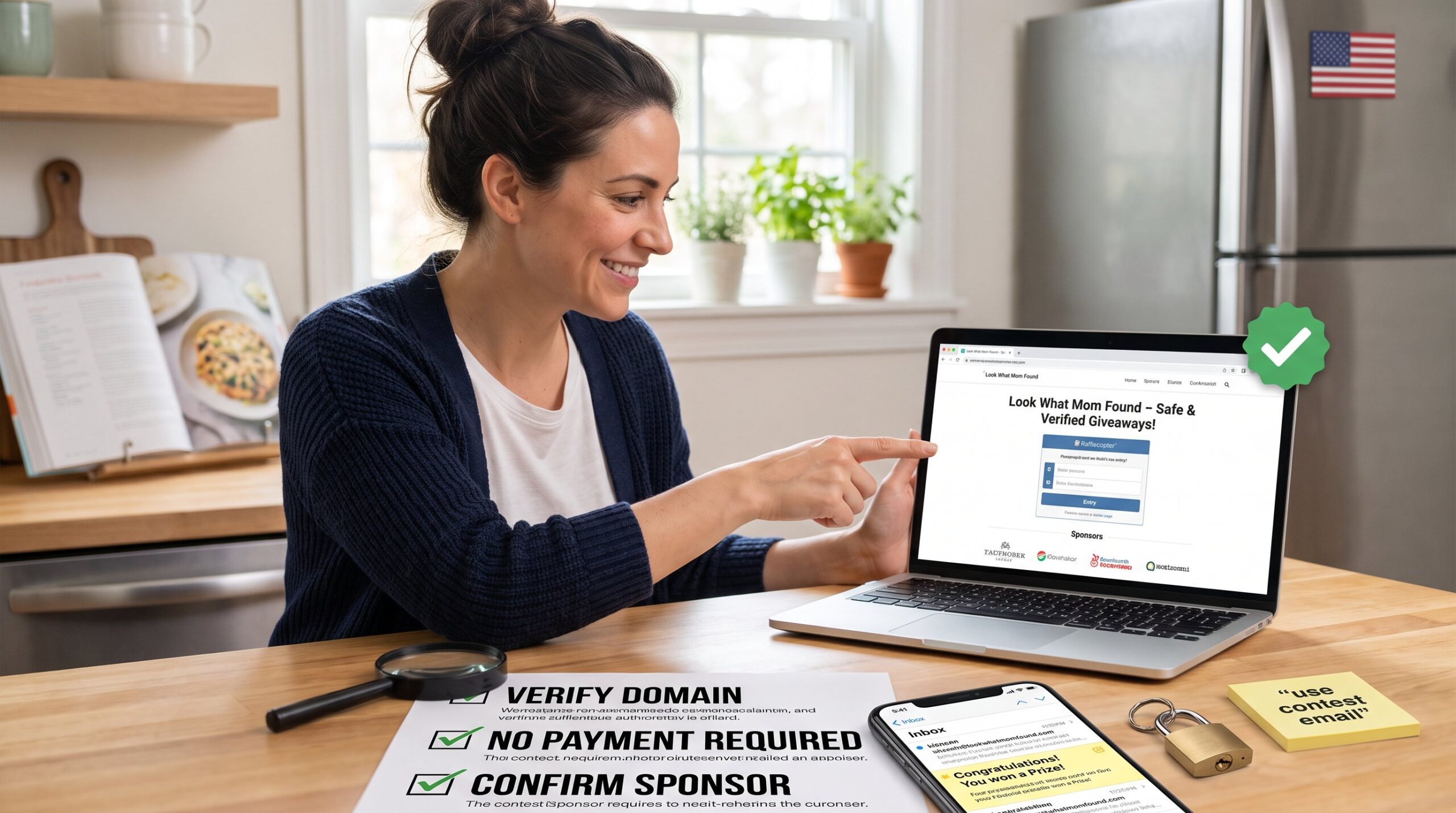
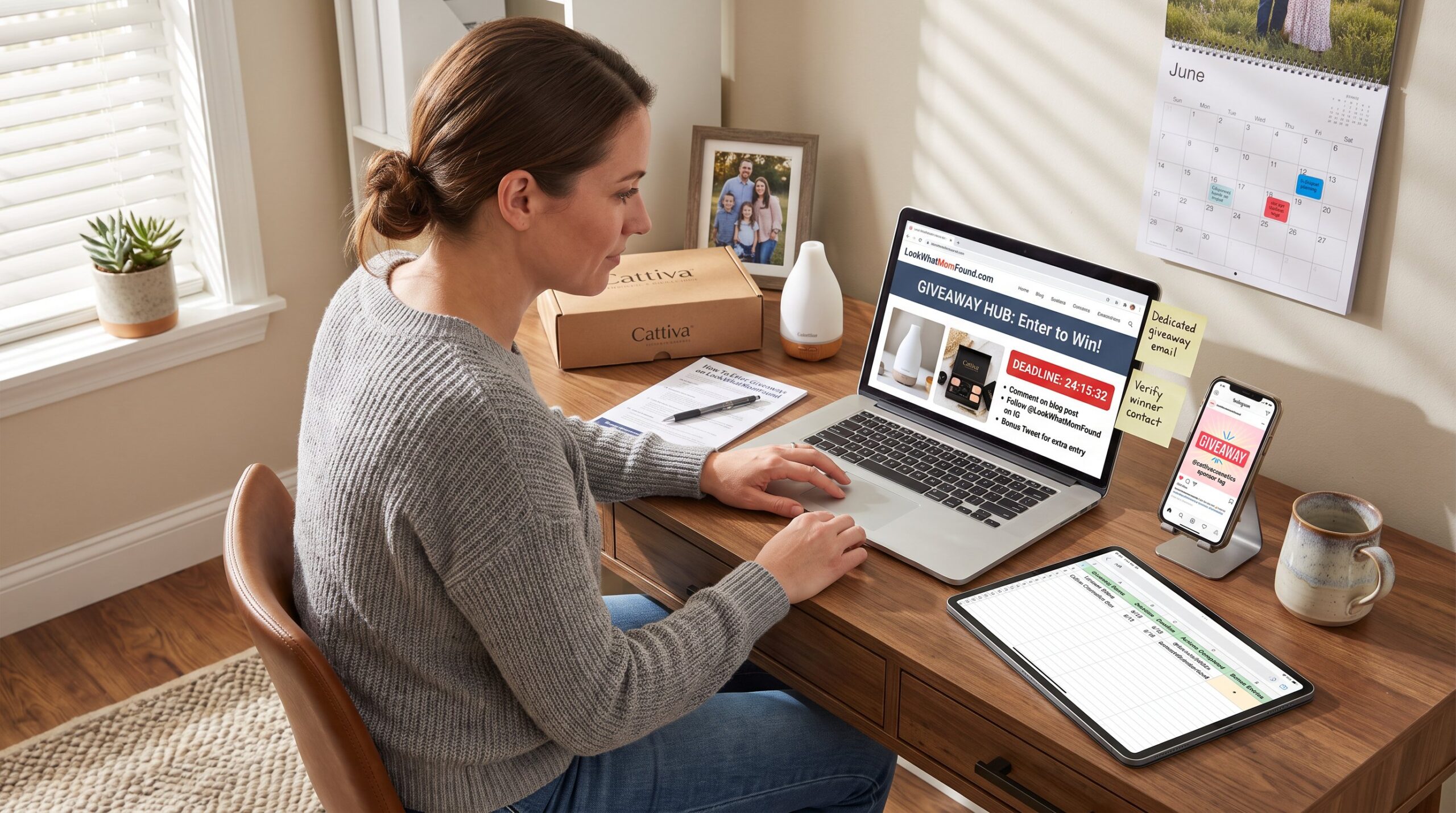
Practical resource: hosts running recurring promotions on the Look What Mom Found network will find a centralized rules guide helpful: reference a concise internal policy to keep language consistent across posts. Moderators often link to the long-form rules so participants can verify details alongside each social post.
Promote, Manage Entries, And Prevent Fraud
Fact first: clear promotion and tight entry controls stop most fraud and keep results trustworthy. Promotion should present numbered, step-by-step entry instructions in the post caption and the first comment when the platform allows it.
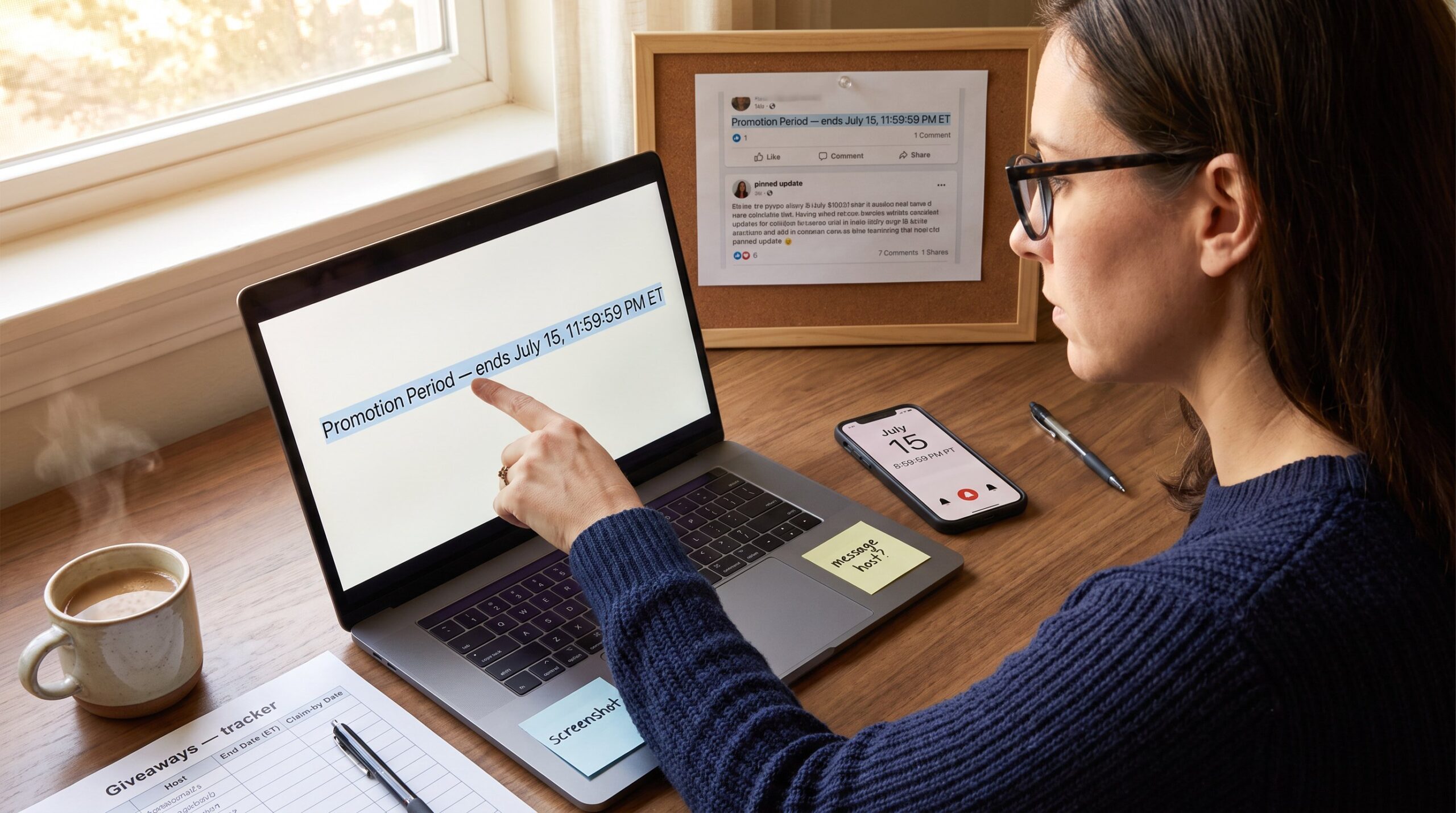
Use purpose-built apps or in-house scripts to collect and deduplicate entries. Limit duplicate comments and document a single timezone and deadline. A single UTC timestamp repeated in the caption prevents confusion across time zones.
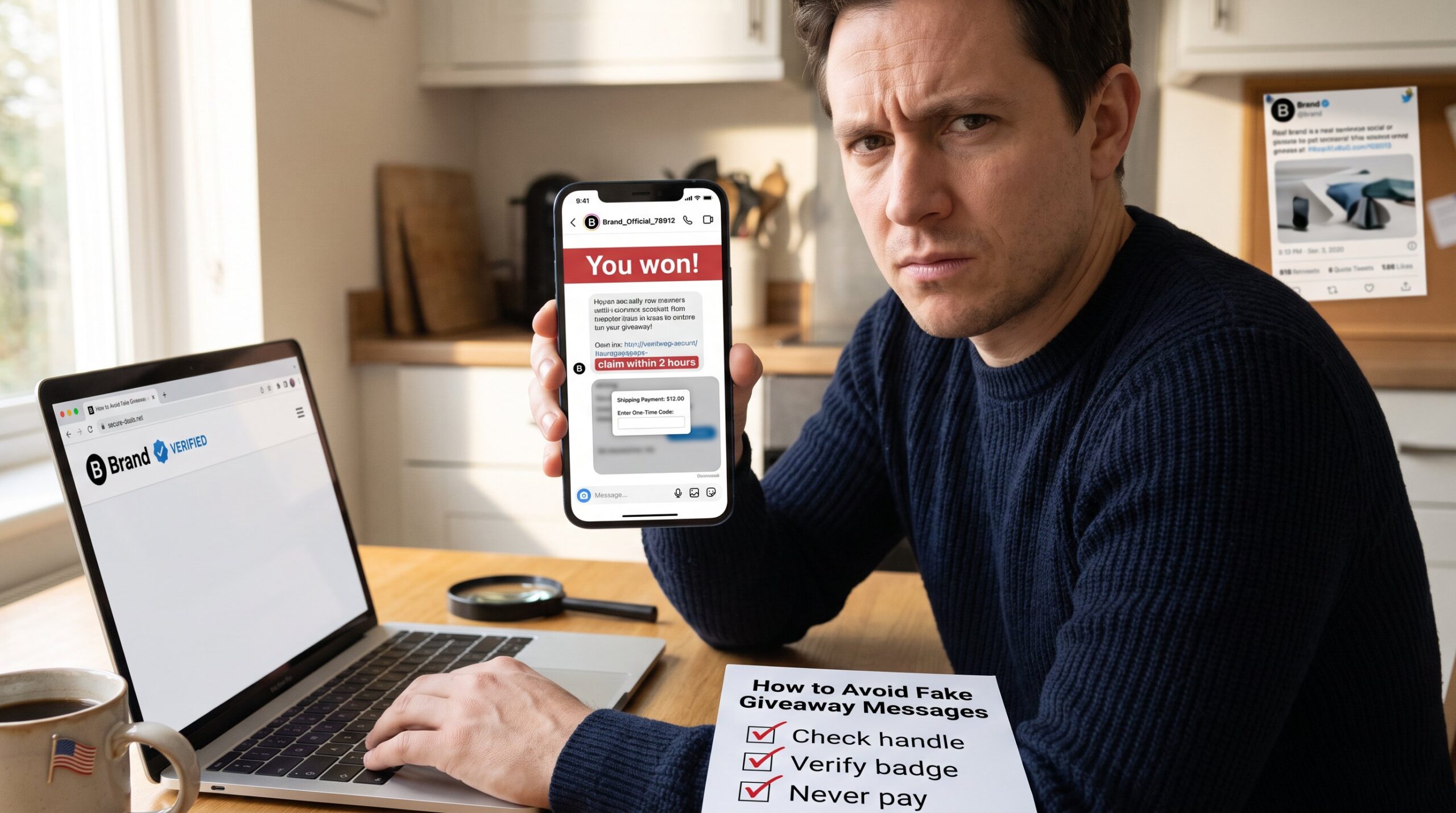
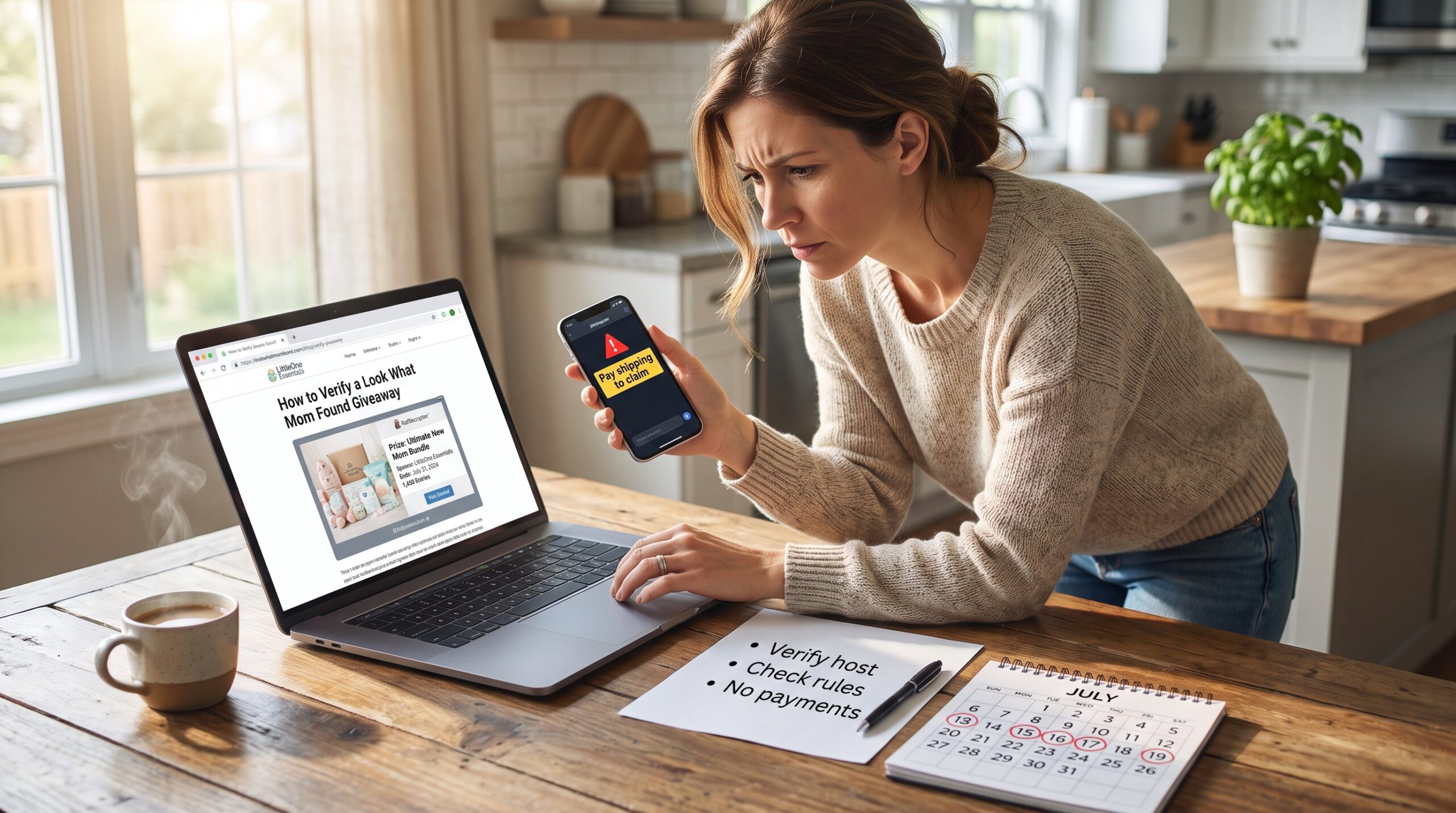
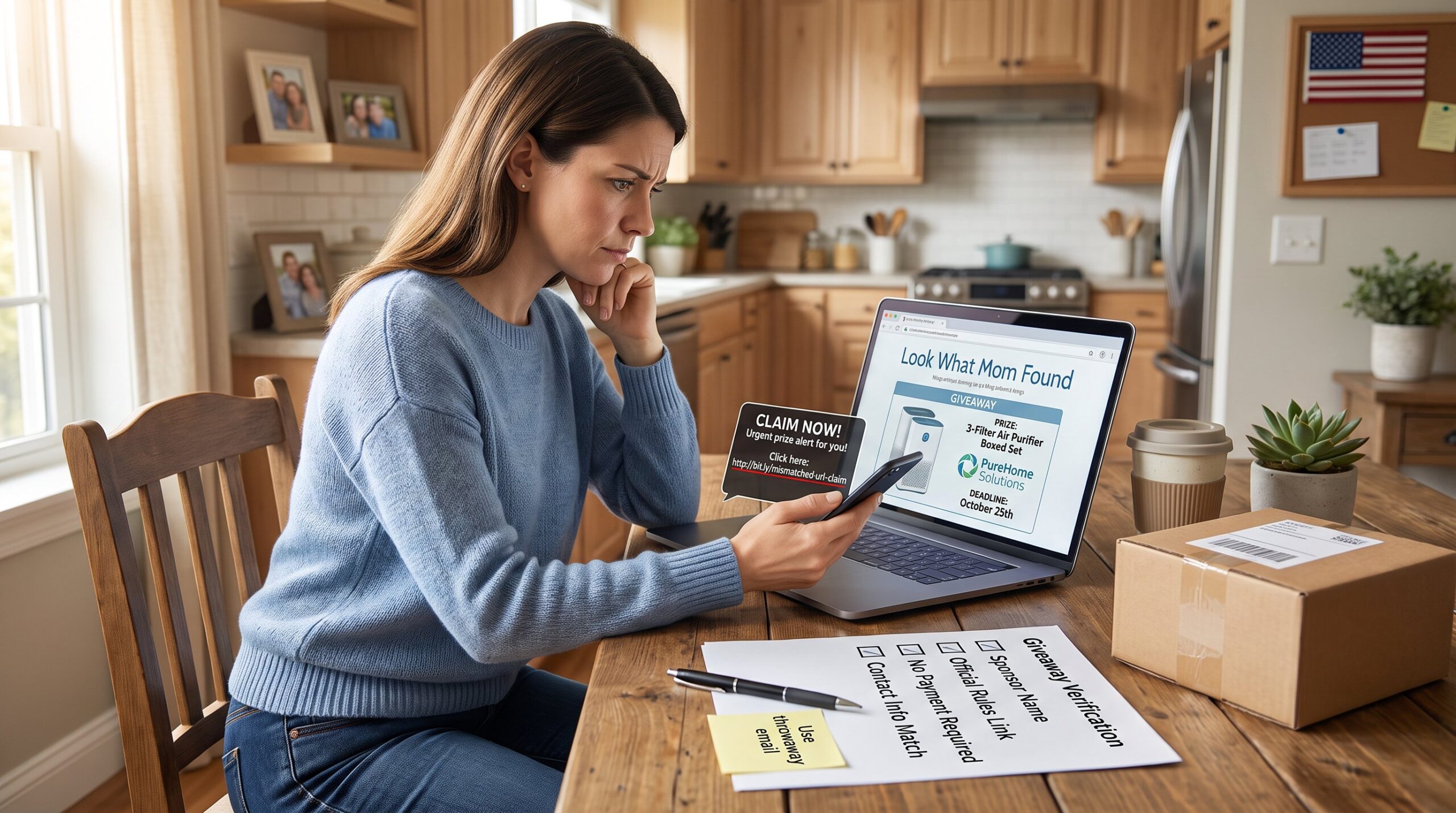
Fraud red flags include identical text across many accounts, disposable email domains, and many entries from the same IP block. Filter those with fraud-detection tools that flag disposable emails and run IP checks. When in doubt, verify winners via a short identity confirmation before public announcement.
Operational example: during a recent seasonal giveaway, moderators removed 412 duplicate bot comments and verified three winners with ID checks before sending prizes. That step prevented an obvious scam and preserved brand trust.
Internal linking: when hosts need a full playbook of contest mechanics and moderation steps, they can reference the site’s long-form giveaway guide for templates and examples. Another useful internal resource explains how to find active promotions on the network and pick the right channels for promotion, which helps organizers choose where to run the campaign.
Links in this paragraph: the pillar guide and a related how-to page provide concrete templates: one for rules and one for discovery strategies.
Entry Management Checklist: Daily Steps, Tools, And Metrics
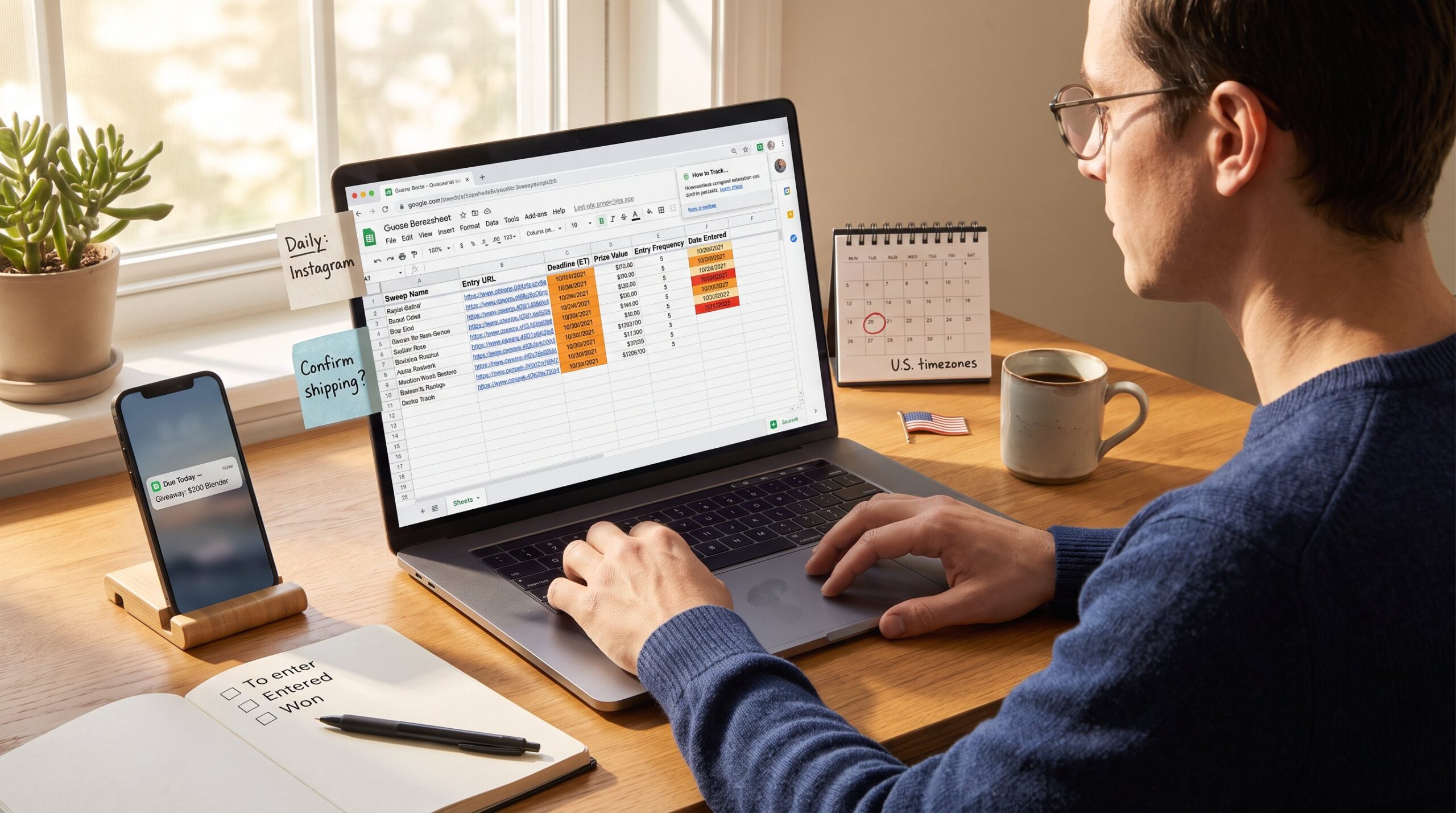
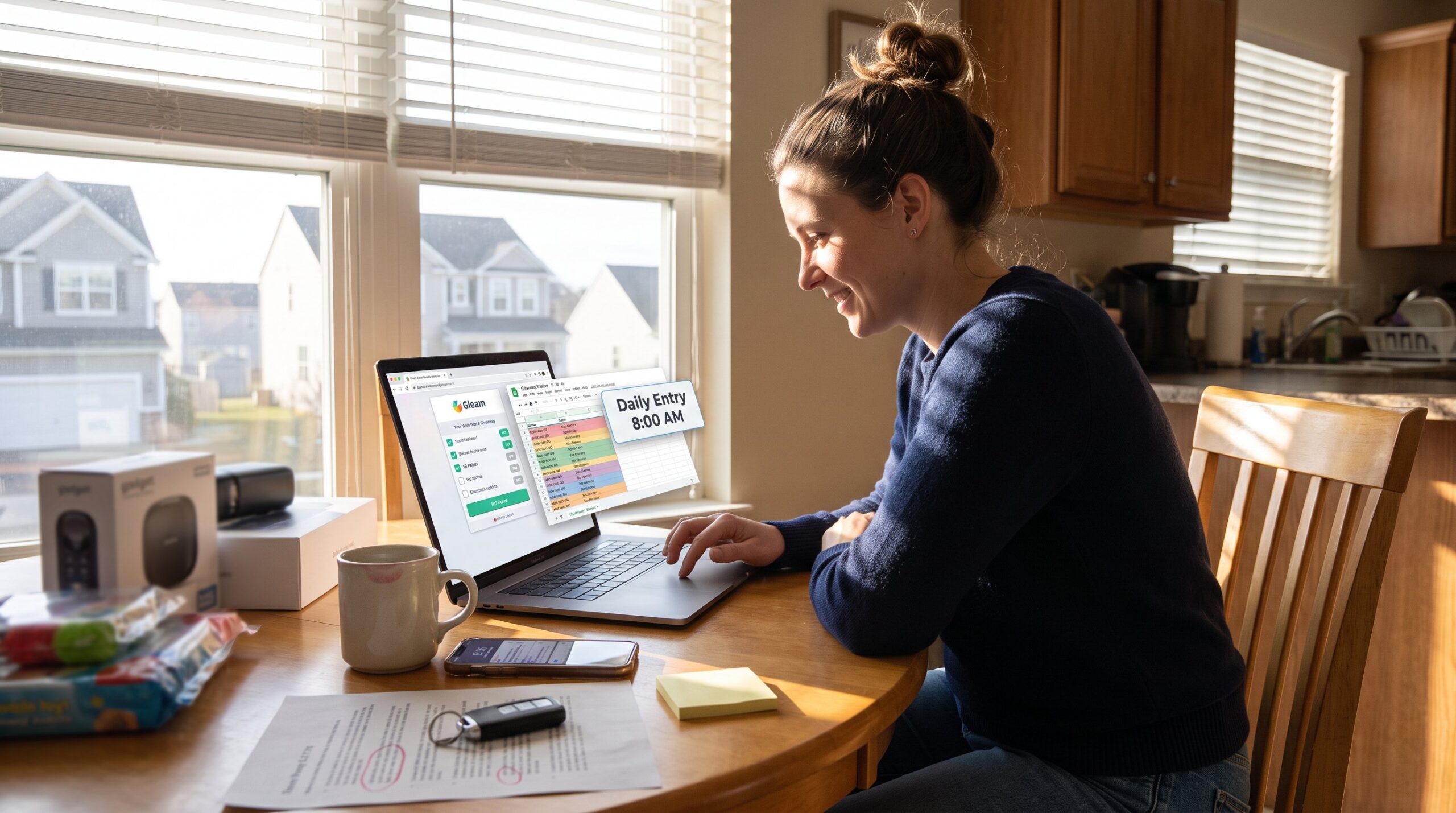
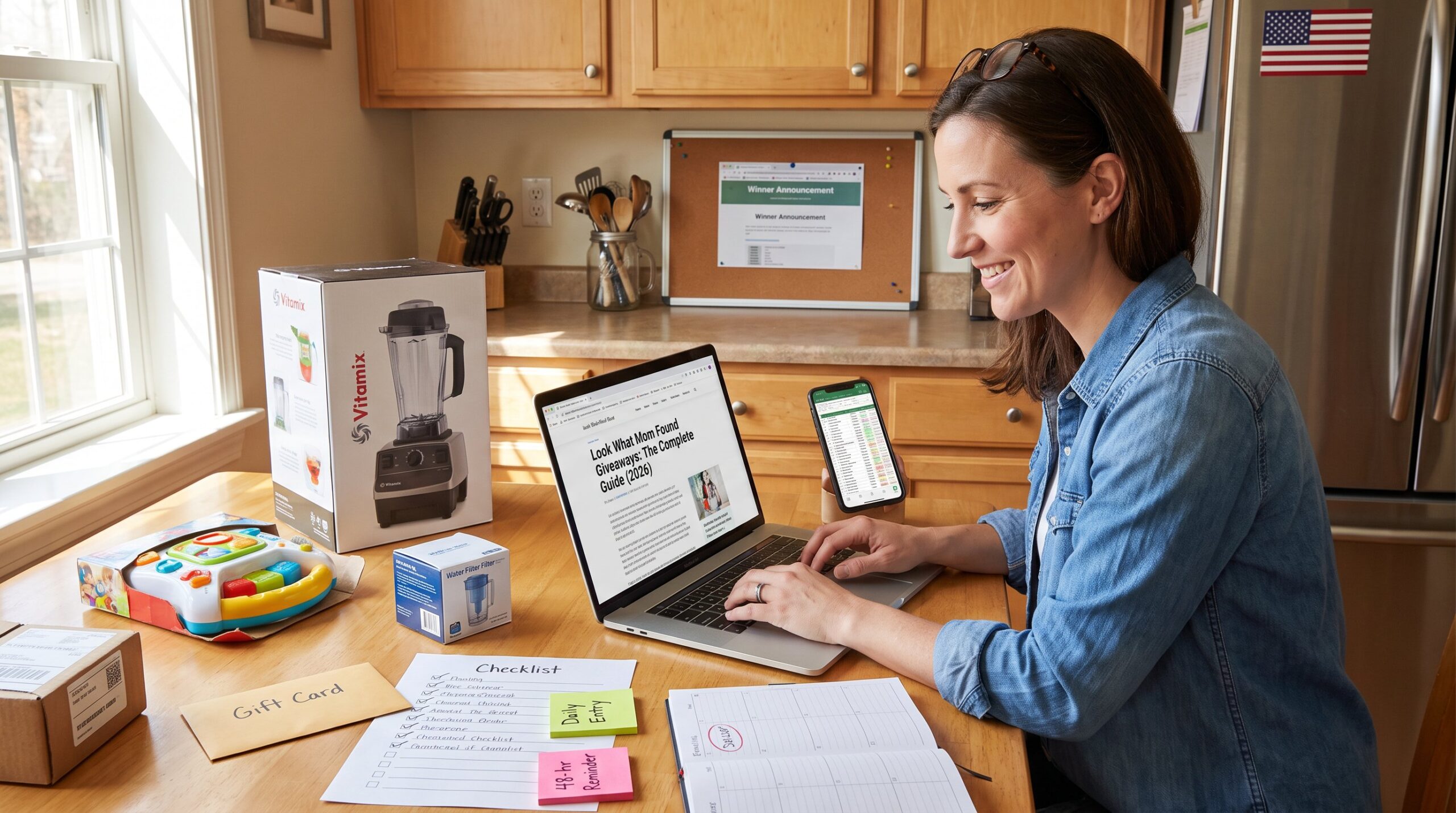
Fact first: daily hygiene prevents small issues from becoming disasters. Each day moderators should export entries, deduplicate, and verify a small random sample for rule compliance.
Daily steps (concrete):
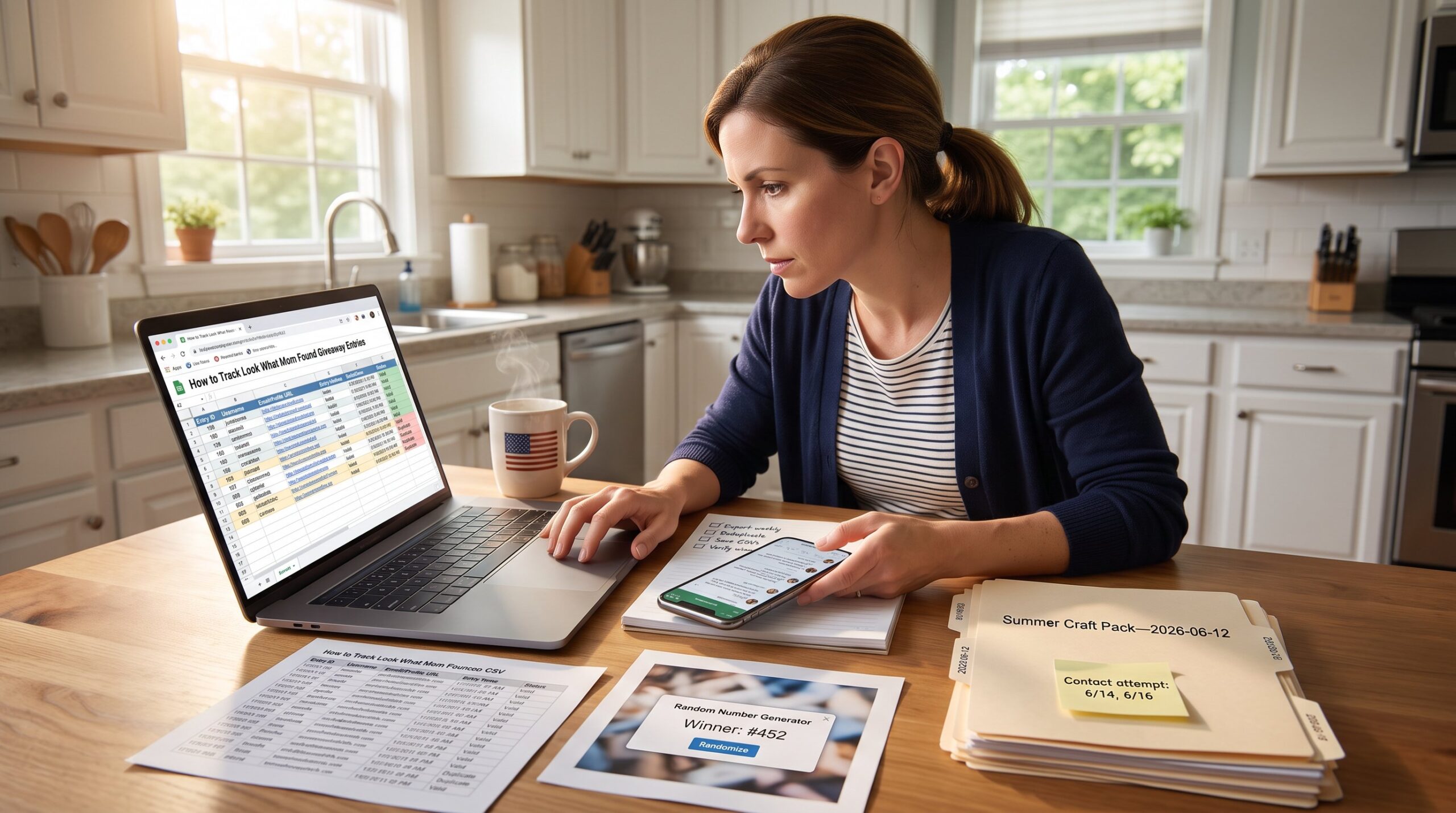
- Export all new entries to CSV and run a script to remove exact duplicates.
- Manually review a 1% random sample (or at least 25 entries) for obvious fraud markers.
- Flag and quarantine accounts that show bot-like behavior: no profile photo, recent account creation, or identical comment strings.
Tools to use: comment scrapers, giveaway apps with built-in dedupe, fraud filters that detect disposable emails, and a trusted random draw tool for winner selection. Keep audit logs, which entry was removed and why, for 90 days.
Metrics to track weekly: total entries, unique entrants, follower growth, email signups attributed to the giveaway, and completion rate for bonus actions. Benchmark example: if 10,000 impressions produce 1,200 entries but only 300 email opt-ins, adjust the mechanics to favor form-based entries next time.
Practical lesson: one host learned that requiring story shares as a bonus action delivered 30% more reach but only a 5% uplift in email collection. They then shifted story share from a bonus to a mandatory action for later product launches where reach mattered more than leads.
Internal linking: for step-by-step contest rules and entry policies refer to the shorter rules page and the post-deadline checklist pages available on the site for moderators.
Conclusion
Effective social media giveaways start with clear goals, a prize that fits audience intent, and a single painless main entry action. Hosts must publish plain-language rules, follow platform policies, and run daily moderation to prevent fraud. When organizers combine those elements they protect participants and produce measurable marketing outcomes.