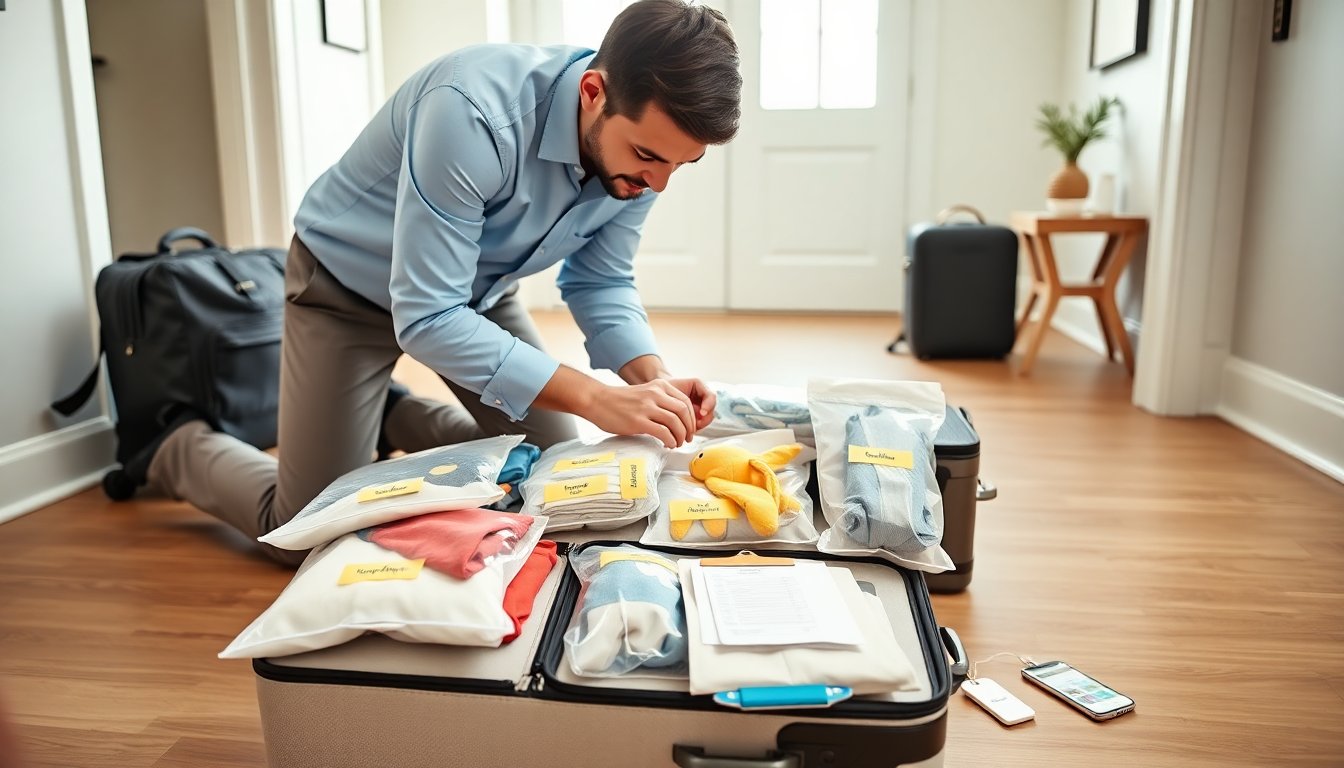

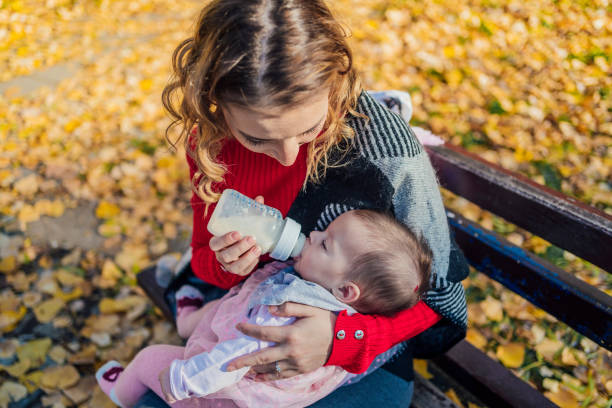
Parents may find it difficult to feed a baby when traveling or when the baby has to wake up during the night. Many parents use portable bottle warmers to heat the milk easily and conveniently so that they can easily do the feeding. Still, parents tend to ask the question: Are portable bottle warmers safe? The gadgets are made to heat milk or formula without the use of an outlet or a bulky device. This is convenient for busy parents.
Portable bottle warmers can be safe when they are used properly, and when parents select such products that are safe and reliable. Understanding the principles of the operation of these devices, the risks to consider, and the right way to warm milk can benefit so that you make sure that each feeding is safe for your baby.
Are Portable Bottle Warmers Safe for Babies
Portable bottle warmers are mostly safe to use as they are set with some restrictions to ensure that the milk does not overheat. Portable bottle warmers can offer a safe and reliable method of warming bottles when the parents select a well-designed product and use it correctly. They are handy, particularly during traveling or at night feeding.
Newer models also feature built-in safety features such as:
- Automatic Temperature Control
Some warmers keep the milk within a safe temperature range, which helps prevent overheating.
- Auto Shut-Off
This feature turns the warmer off when the desired temperature is reached.
- Even Heating Technology
Some models warm milk gradually to reduce the risk of hot spots.
Common Safety Concerns with Portable Bottle Warmers
Although portable warmers are convenient, they are not “set it and forget it” tools. Parents frequently discuss three key areas:
- Bacterial Growth
Once the milk attains a lukewarm temperature, it forms a breeding ground for bacteria. Bacteria may rapidly multiply within a warmer if the warmer takes too long to heat or when the milk stays in the warmer too long.
- Nutrient Degradation
Breast milk has living components, which are heat-sensitive. When a warmer has hot spots or reaches temperatures over 40 degrees Celsius, these nutrients may start to degrade, although the majority of portable warmers are set to prevent it.
- Material Integrity
Most of the time, parents worry that warming a plastic bottle in a warmer will make the chemicals leak into the milk. To prevent such a risk, you can substitute BPA-free bottles with glass bottles.
How to Use a Portable Bottle Warmer Safely
To make sure that the milk remains nutritious and safe for your baby, it is important to use the warmer correctly.
Most parents purchase products such as the Momcozy portable warmer bottle, which is meant to warm milk during travel. They are designed to offer convenience without compromising on temperature control, thus making them an effective option for parents who require flexibility.
In order to ensure that it is safe to use, consider the following practices:
Follow the Manufacturer’s Instructions
Every bottle warmer has its own features, and they work quite differently. Remember to always read the instructions before using the warmer.
Use the Right Bottle Type
Make sure that the bottle is in the warmer so that the heat spreads evenly in the bottle.
Check Milk Temperature
Do not forget to test a few drops of milk on the inside of your wrist before feeding your baby. The milk must be warm and not hot.
Avoid Reheating Milk Several Times
Breast milk and formula should not be warmed up many times. Reheating may raise bacterial growth and reduce the nutritional value of the milk.
Tips to Prevent Overheating Milk or Formula
One of the most important aspects of safe bottle warming is to prevent overheating. There are some ways you can properly manage milk temperature.
Gradually Warm Milk
Choose bottle warmers that slowly increase temperature instead of quickly heating up the milk.
Swirl the Bottle Gently
After warming, it is good to gently swirl the bottle to evenly spread the heat all over the milk.

Use Temperature Settings
Some warmers have adjustable temperature features for breast milk or formula. Using these settings helps to protect milk nutrients.
Monitor Heating Time
Note the time of heating or use a timer. Excessive time in the warmer may overheat a bottle.
Avoid Using the Microwave
Microwaves do not heat the milk evenly and form hot spots in the bottle. Portable bottle warmers can be a safer option to use to heat the bottles.
Choosing a Reliable and Safe Portable Bottle Warmer
Each portable bottle warmer has a different design. When purchasing, check on the brands that have high-quality materials and thermal control.
When looking for options, consider the following features:
Safety Certifications
Choose the products that are of accepted safety standards. Safety certifications imply that the warmer has been tested and passed tests on safety, material quality and performance.
Temperature Control
A good bottle warmer usually has temperature control options that assist in maintaining milk in the safe range that will not overheat.
Battery Safety
Models that have safety precautions should be selected. Some of the features, such as overheat protection and stable battery systems, can be used to minimize the risk of malfunctions.
Compatibility
There are bottle warmers that are best suited to specific bottle shapes or sizes. Ensure compatibility to make sure that your bottles fit in.
Trusted Brands
Parents tend to be more assured when selecting the products of some well-known brands like Momcozy, Philips Avent, and Tommee Tippee. Trusted brands tend to be very strict on the safety practices and will consider parents’ needs when designing their products.
Signs of Unsafe Portable Bottle Warmer Usage
Although your warmer may have the most advanced technology, things may not turn out well when it is not maintained. Watch out for these red flags:
Physical Damage on Device
In case you discover any cracks in the heating plate, damaged charging cables or a battery that appears to swell or be hot, turn off the device immediately. The malfunctions may cause irregular temperatures.
Discoloration or Odors
When the milk smells cooked or the warmer smells of burnt plastic, the calibration is not correct. Wipe the machine down in case there is any milk stain.
Inconsistent Readings
An example is the digital display states that the milk is 37 degrees Celsius, but it is cold to the touch, the internal thermostat is probably broken. A good warmer must be consistent within a one-degree range.
Final Thoughts
It can be a great difference to learn how to use portable bottle warmers by selecting trustworthy products and using safe measures. With the right warmer, keeping it in good condition, and manually checking the temperature, you can be sure that you can feed your baby even when traveling.
It is important to consider the warmer as a precision tool. You are not only buying convenience when you pay the money to have a dependable bottle warmer at home, but also peaceful nights of midnight feeding and weekend outings.