
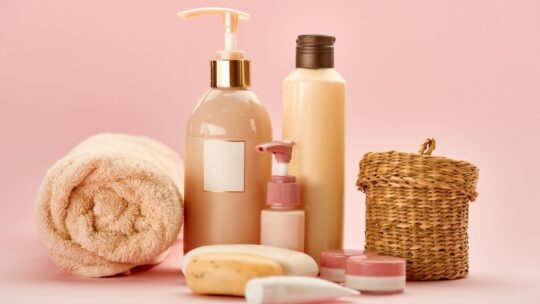
The use of personal care products is done almost every day and they come into contact with various body parts like the skin, hair, and other sensitive areas. This makes it very important to ensure that they are kept clean and uncontaminated so that the body does not get infected with any organism, foreign substance, or bacteria. There are some general practices that can help keep the products clean and of high quality.
Wash Hands Before Use
Clean hands serve as one of the easiest ways of avoiding the contamination of cosmetic and personal care products. Always wash your hands before applying any cream, lotion, gel, or other topical medications to avoid contaminating the product by introducing unnecessary contaminants like dust, bacteria, or even oil.
It is important to be careful when the active ingredient is applied using fingers, for instance, when using a product that comes in a jar. When using such products, it is advisable to have clean hands or to apply the desired quantity of the product using a clean applicator. On the other hand, it is not advised to introduce used cotton swabs into the product container as this may lead to contamination of the product.
Store Products Properly
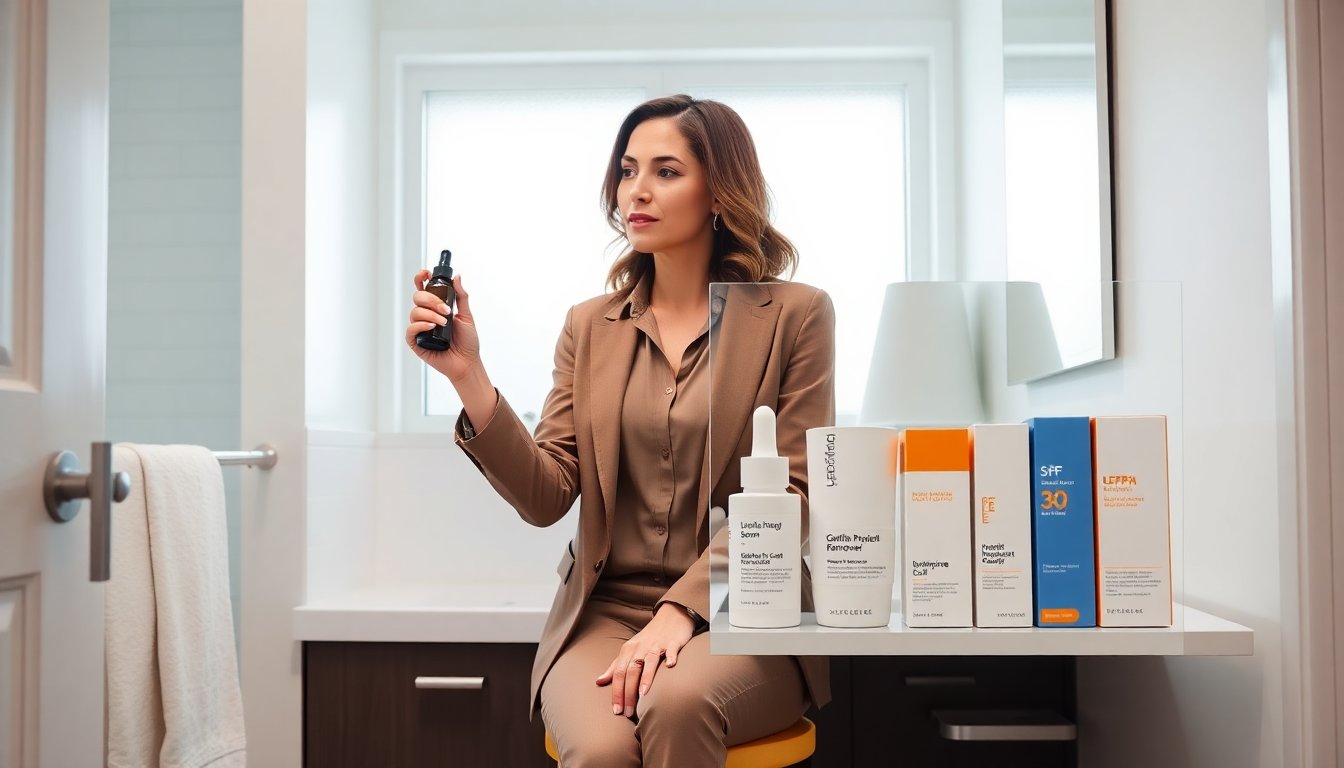
The location of your personal hygiene products matters a lot. Place your products in a dry, cool area unless specified otherwise by the manufacturers. The bathroom might be humid and hot at times and this is not the best place to keep some products. Storing your products in a dry area and away from the sun extends their shelf-life.
Sealing of the product whenever you’re done using them is an essential aspect to take into consideration when storing your products. Having your products sealed up avoids contact with things like hair, dust, moisture and other substances. Whatever needs to be sealed up should be sealed regardless of how often you use them.
Avoid Sharing Personal Products
It is unsafe to share cosmetics and other skincare products as it may result in transmitting bacteria and other microorganisms. Cosmetics that are used in an intimate area should not be shared between people and/or family members, even if they have an applicator or a touchable part to apply the product.
Products that are used in intimate areas require extra care when it comes to an individual’s hygienic needs. For example, a lubricant should not be shared as it can easily pass bacteria and germs from the first user to the second or subsequent users. A condom should also not be shared due to the possibility that it is exposed to germs and bacteria, and it should be in the sealed package until its use.
Keep Containers Clean
The outside of the personal care container may accumulate residue, dust, and other materials and thus require occasional wiping with a suitable and clean cloth to ensure that the area around the storage is free of debris. Of particular importance are bottle caps, closures, pumps, and other surfaces which hold residue from the substance.
The liquid or other product should not be mixed with water or other substances unless specified by the manufacturer. If the personal care container is compromised, damaged, or smells suspicious, it should not be used. Additionally, information on the label may contain vital information concerning the storage and other instructions for the product.
Check Products Before Use
A consumer should inspect the condom on a regular basis to look for any questionable changes. A change in color and scent, consistency or other characteristics that could raise suspicion after a certain amount of time in storage indicate an unreliable state, which makes the item unfit for use.
In addition, expiration dates and the time of opening of the product should be taken into account – a consumer should not use the goods indefinitely, even if there is some amount left in the packaging. Keeping track of the characteristics of the goods, following the mentioned rules and replacing the items on time help avoid using expired and spoiled cosmetics and medicines.
The prevention of personal care product contamination mostly relies on the same principles as general hygiene. It is crucial to thoroughly wash your hands before using cosmetics, close the cap after use, avoid sharing products with others, keep the surface clean, and check the quality of the purchased goods.