

Too many school-wide initiatives run the same way: a handful of adults plan everything, and students are handed a finished program to attend rather than a project to build. That top-down model quietly teaches students that their ideas are optional extras, not essential inputs, and engagement scores tend to reflect it. When students are instead given real ownership over creative, communication, and event-based projects, something shifts. They stop being an audience and start being authors of the outcome, and that authorship is where lasting confidence and engagement actually come from.
Why Ownership Changes the Equation
From Compliance to Investment
When a student is simply told what to do, the goal becomes finishing the task. When a student helps decide what the task even is, the goal becomes making it good. That distinction matters because compliance produces the bare minimum, while investment produces initiative. Students who choose their role on a project, whether that is designing graphics, writing the script, or managing the schedule, tend to protect the quality of their own work because it now carries their name and their judgment. Teachers repeatedly observe that discipline problems drop and participation rises once students perceive a project as theirs rather than an assignment imposed on them. This is not a mysterious phenomenon; it is the same reason adults work harder for causes they helped design than for tasks assigned without input. Ownership converts an obligation into a stake.
Confidence Built Through Visible Contribution
Confidence rarely grows from praise alone; it grows from evidence that a person can produce something real and see it work. School-wide projects are unusually good at generating that evidence because the results are public: a mural gets seen, an announcement gets heard, an event actually happens or does not. A student who leads the communications team for a pep rally and watches the turnout materialize has tangible proof of competence that a worksheet grade can never provide. That proof compounds over time, so a student who successfully ran one small piece of a project is far more willing to take on a bigger piece the next time. Confidence, in this sense, is less about self-esteem exercises and more about a track record students can point to.
Where Leadership Roles Naturally Emerge
Creative Initiatives
Creative projects are often the easiest entry point for student ownership because they reward original thinking rather than rote execution. Mural committees, yearbook design teams, and school spirit merchandise drives all need someone to make design decisions, and students are frequently more attuned to what their peers will actually want than adults are. Letting a student-led committee choose colors, slogans, and formats for spirit wear, for example, gives them a concrete design-and-production cycle to manage from concept to delivery. These roles also teach students to receive feedback and revise work, which is a skill that transfers directly to college portfolios and early career projects. The visible, wearable, or displayable nature of creative output makes the payoff especially motivating for teenagers who want their work to matter beyond a grade.
Communication and Media Roles
Every school-wide project needs someone managing how information travels, and that job is a leadership role in disguise. Student-run morning announcements, social media accounts, newsletters, or podcasts put students in charge of tone, timing, and accuracy, forcing them to think like a small newsroom. Students who script and produce announcements or short video updates learn to distill information for an audience, a skill many adults still struggle with. These roles also build a specific kind of confidence: public-facing confidence, since students are literally the voice or face of the school on a given topic. Schools that hand this responsibility to students rather than staff report that announcements become more engaging simply because peers respond better to peer voices.
Event-Based Leadership
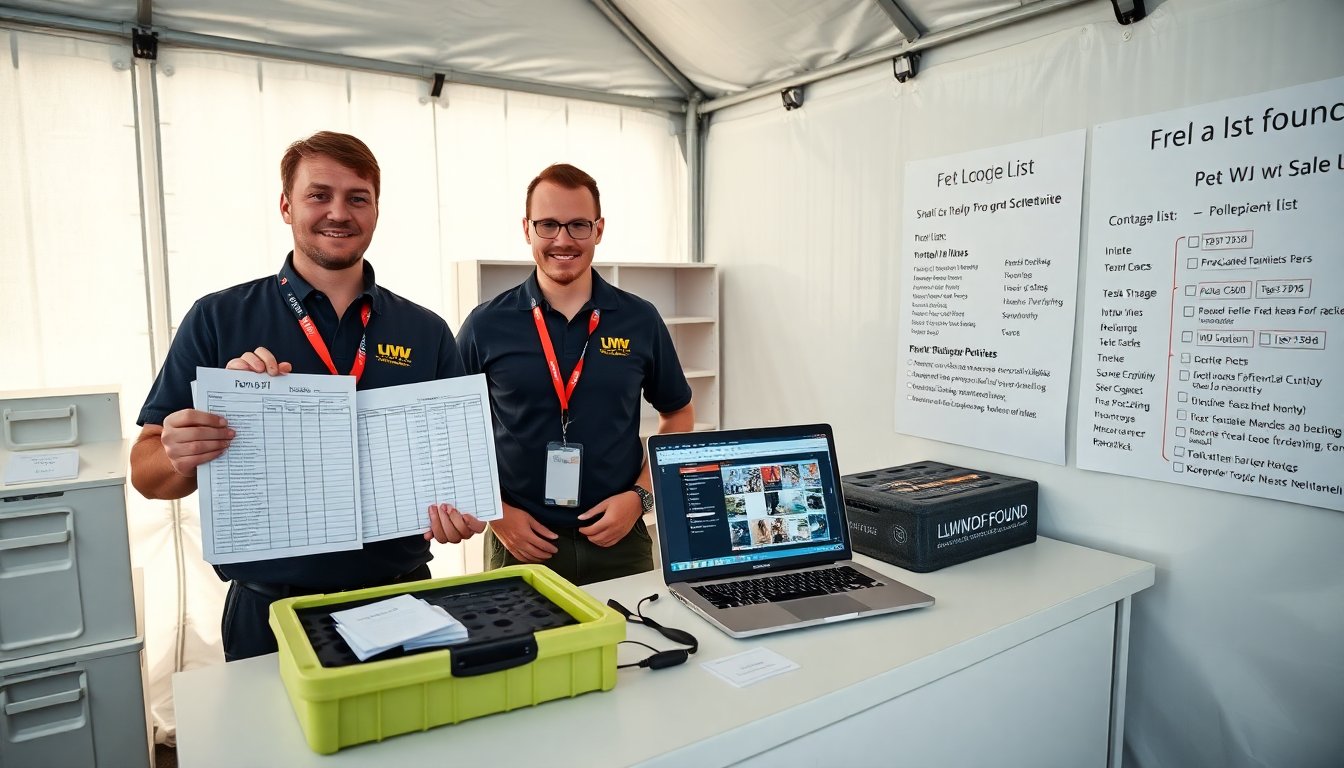
Events are where ownership becomes most operational, because someone has to handle logistics, budgets, timelines, and vendors, and that someone can be a student. A student-led homecoming committee, fundraiser, or club fair does not just plan a single day; it manages a project with real deadlines and real consequences if something falls through. Students who take charge of vendor coordination, whether that means booking a DJ, managing a ticketing platform, or ordering event merchandise, are practicing project management under conditions that mirror adult work. Giving students the reins on the actual purchasing decisions, not just the planning meetings, is where ownership becomes most concrete. Below is a simple checklist schools can adapt for handing over event leadership responsibly.
A starter checklist for student-led event ownership:
- Assign a student lead and 2–3 sub-leads for distinct workstreams (logistics, communications, budget).
- Set a firm budget and let students make trade-off decisions within it.
- Require students to research and compare at least two vendor or service options before purchasing.
- Build in one adult check-in per week, not daily oversight.
- Have students draft the post-event recap and lessons-learned summary themselves.
- Let students present the outcome to staff or the student body, not just to a teacher.
Practical Tips for Schools Ready to Hand Over the Reins
- Start with a bounded project, not the whole calendar. Ownership is easier to build gradually, so hand students a single event or campaign before expecting them to run an entire semester’s activities. A smaller scope with real authority builds trust faster than a large scope with heavy oversight.
- Make roles specific, not symbolic. A “committee member” title with no actual decision rights teaches students the opposite lesson intended. Assign named responsibilities such as budget owner, design lead, or communications lead so accountability is clear.
- Let students choose their own vendors within a budget. If a project involves ordering spirit wear or event merchandise, students can research options themselves; for something like custom event t-shirts, a student committee can browse and compare styles by using a resource where they can discover your t-shirt options and bring a recommendation back to staff.
- Normalize failure as part of the process. A poorly attended bake sale or a design that needs a redo is more instructive than a flawless one run entirely by adults. Debrief openly so students see setbacks as data, not verdicts on their ability.
- Rotate leadership across projects. If the same three students always lead, engagement gains stay concentrated instead of spreading school-wide. Build in a system where new students get first crack at leadership roles each term.
- Publicize the outcomes, not just the process. Announce ticket sales totals, funds raised, or turnout numbers and credit the student leaders by name. Public recognition reinforces that the ownership was real and consequential.
- See the FAQ section below for answers to the most common questions schools have when getting started.
Frequently Asked Questions
Schools considering a shift toward student-led projects usually have similar practical concerns before they commit. The questions below address the most common ones, from where to begin to how to keep momentum going after the first project wraps up.
- What is the best first project for introducing student ownership? A single, contained event with a clear end date works best as a starting point, such as a themed spirit week, a club fair, or a small fundraiser. Contained projects let staff practice stepping back without the risk of a semester-long initiative losing direction. Once students demonstrate they can manage a smaller project end to end, the scope of responsibility can expand naturally.
- How can schools handle merchandise or apparel decisions for student-led events? Student committees can be given a budget and asked to research and present options rather than being handed a pre-selected vendor. For apparel-based fundraisers or spirit gear, discover your t-shirt options by comparing pricing and turnaround times, and bring a short proposal to staff for sign-off. This keeps the decision-making with students while still giving adults a final approval checkpoint.
- How much adult oversight should remain in place? Oversight should shift from directing tasks to reviewing checkpoints, such as a weekly budget review or a go/no-go meeting before a purchase is finalized. Adults should still hold approval authority over spending and safety decisions, but day-to-day choices about design, messaging, and scheduling can sit with students. The goal is a safety net, not a steering wheel.
- What if the student-led project doesn’t go as planned? An imperfect outcome is not a reason to pull ownership back for the next project; it is usually the most valuable learning moment in the entire process. Structured debriefs where students identify what they would change next time build resilience more effectively than adult-run projects that never expose students to real consequences. Schools that treat early stumbles as part of the design, rather than proof the model failed, see stronger results in later projects.
- How do schools measure whether ownership is actually improving engagement and confidence? Simple, consistent measures work well: track voluntary sign-ups for leadership roles over time, survey students on how the project affected their confidence, and compare turnout or participation against past adult-run versions of similar events. Ticketing and event platforms used for school fundraisers or gatherings often provide built-in attendance and revenue data that can serve as an easy engagement proxy. Schools that also survey the student leaders directly, not just attendees, get a fuller picture of whether the leadership role itself built confidence.
The Bottom Line
Handing students genuine ownership over creative, communication, and event-based projects is not a scheduling gimmick; it is a direct investment in engagement and confidence that shows measurable results over time. The pattern holds across every example above: students who design the mural, script the announcement, or manage the fundraiser walk away with proof of their own competence, not just a participation certificate. Schools that start small, define roles clearly, and let students make real decisions within real budgets consistently see leadership interest spread beyond the usual few names. The overarching goal is simple even when the logistics are not: give students authorship over the work, and engagement and confidence follow as a natural consequence rather than something schools have to manufacture separately.