

That familiar knot of stress in your stomach during the morning school run seems tighter than usual lately. You leave a little earlier, you pack the snacks just right, but the tension on the road feels higher than ever. It’s not just your imagination—driving has become more hostile.
Recent studies and reports confirm that aggressive driving behaviors are increasing, making family commutes more dangerous. Unfortunately, this trend leads to more aggressive driving accidents. This guide is here to break down what parents need to know about this new normal and offer simple, actionable ways to protect your most precious cargo.
Why Does Driving Feel More Tense Lately?
If you feel like you’re navigating a sea of short tempers every time you get behind the wheel, you’re right. Data confirms a troubling increase in hostile driving behaviors and road rage incidents across the country. What was once an occasional annoyance has become a daily concern for many families on their way to school, soccer practice, and everywhere in between.
The numbers are clear. For the second year in a row, Louisiana has topped the nation in road rage incidents, with a staggering 58% of its fatal crashes involving aggressive driving. This isn’t just a regional issue; states like Ohio have seen a 13% increase in reported road rage incidents, reflecting a pattern that is unfolding on highways nationwide.
So, what’s causing this surge? While there’s no single answer, experts point to a combination of factors. Increased traffic congestion is a major contributor, leaving drivers feeling frustrated and trapped. Add in the general stresses of modern life, and it’s a recipe for shorter tempers and more dangerous decisions behind the wheel.
Spotting the Signs: What Is Aggressive Driving?
It’s important to understand that “aggressive driving” is more than just feeling angry. It’s a specific set of dangerous actions that puts everyone on the road at risk. Knowing what to look for can help you identify a dangerous driver and take steps to keep your distance.
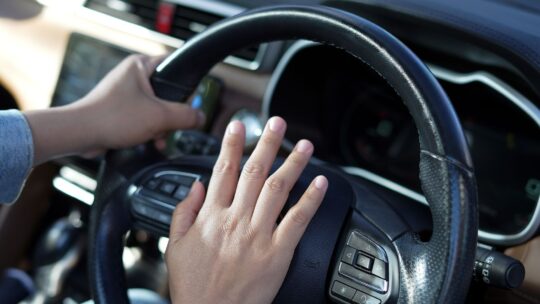
Here are some of the most common aggressive driving behaviors to watch out for:
- Tailgating (Following Too Closely): This is one of the most common and dangerous habits. Following another car so closely that it’s impossible to stop safely is a dangerous situation, causing more than one-third of all crashes.
- Speeding or Driving Too Fast for Conditions: Speeding is a major factor in roadway fatalities, contributing to nearly 29% of all traffic deaths in a recent year. It reduces a driver’s reaction time and increases the severity of a crash.
- Erratic or Unsafe Lane Changes: Weaving through traffic, cutting off other drivers, and failing to use turn signals are clear signs of a hostile driver who is prioritizing speed over safety.
- Running Red Lights or Stop Signs: This blatant disregard for traffic laws is incredibly dangerous. In one recent year alone, running red lights caused over 1,000 deaths.
- Making Angry Gestures or Excessive Honking: These actions are meant to intimidate or provoke other drivers and can quickly escalate a tense situation into a dangerous one.
- Confrontations and Violence: Alarmingly, some encounters escalate beyond the vehicle. The number of road rage incidents involving weapons has nearly doubled in recent years, turning a traffic dispute into a potentially fatal event.
Your Family’s Safety Plan: Tips for a Calmer Commute
While you can’t control how others drive, you can absolutely control how you react. As a parent, your primary goal is to get your family from point A to point B safely. This means creating a “bubble of safety” around your vehicle by driving defensively and choosing calm over confrontation. It’s not about winning an argument; it’s about protecting your family.
Here’s a simple breakdown of what to do—and what not to do—when you encounter an aggressive driver:
| Scenario | A Reactive/Aggressive Response (What NOT to Do) | A Safe/Defensive Response (What TO Do) |
| Someone is tailgating you | Slamming on your brakes or “brake checking.” | Slowly reduce your speed to encourage them to pass, or safely change lanes to let them by. |
| Another driver cuts you off | Honking excessively, speeding up to tailgate them, or yelling. | Take a deep breath, slow down to create a safe following distance, and focus on the road ahead. |
| You encounter a slow driver | Weaving around them, flashing your lights, or tailgating. | Stay patient. Only pass when it is safe and legal to do so, leaving plenty of room. |
| Another driver makes a rude gesture | Returning the gesture or trying to confront them at the next light. | Do not engage or make eye contact. Your well-being matters more than proving a point. |
Beyond in-the-moment reactions, you can build habits that make every family commute a little safer and calmer.
- Leave Early: Experts suggest that giving yourself extra time is one of the best ways to reduce the stress that can lead to aggressive driving. Rushing creates pressure, so build a buffer into your schedule.
- Create a Calm Environment: Make the inside of your car a peaceful space. Play calming music, an interesting podcast, or your kids’ favorite audiobook. A relaxed interior can help you stay centered, even if the road outside is chaotic.
- Be the Example: Remember, little eyes and ears are in the backseat. How you handle stress on the road teaches your children how they should behave. Model the calm, patient driving you want them to practice one day.
- Put the Phone Away: Distracted driving is a dangerous habit that frustrates other drivers and can lead to tragic outcomes. In 2022, distracted driving contributed to more than 3,300 fatalities. Maintain your attention where it matters—on the road.
Aggressive Driving Accidents: What to Do if You’re in One
Even the most careful defensive driver can be involved in a collision caused by someone else’s hostility. If an encounter does turn into an accident, your priority is the safety of your family. Staying as calm as possible will help you think clearly and take the right steps.
Here’s what to do immediately after a crash:
- Check for Injuries & Move to Safety: First and foremost, check on yourself and your passengers. If your car is drivable and it is safe to do so, move it to the shoulder to prevent further collisions.
- Call 911: Report the accident and request medical assistance for any injuries, no matter how minor they may seem. A police report provides an official, formal record documenting the incident.
- Document Everything: Use your phone to take pictures of the scene, including the damage to both vehicles, license plates, and the surrounding area. Swap insurance and contact details with the other driver, but don’t talk about who caused the crash or admit fault.
The aftermath of aggressive driving accidents can be complex, especially when determining fault and dealing with insurance companies. In these situations, seeking guidance from experienced legal professionals can be crucial to ensure your family’s rights are protected.
Keeping Your Family Safe on Every Drive
The roads may feel more unpredictable these days, but you are not powerless. By staying aware of your surroundings, choosing to drive defensively, and refusing to engage with hostile drivers, you create a much safer environment for your children and yourself.
Every trip, from the grocery store to the school pickup line, is an opportunity to prioritize safety. By adopting these simple habits, you’re not just protecting your family—you’re contributing to a calmer, safer road for everyone.