
Family wellness is an important part of living a happy and balanced life. A healthy family environment supports physical health, emotional well-being, and stronger relationships among family members. While major lifestyle changes may seem difficult, small daily habits can create a positive impact over time. Simple routines practiced consistently can improve communication, reduce stress, and encourage healthier living for everyone at home.
Start the Day with a Healthy Routine
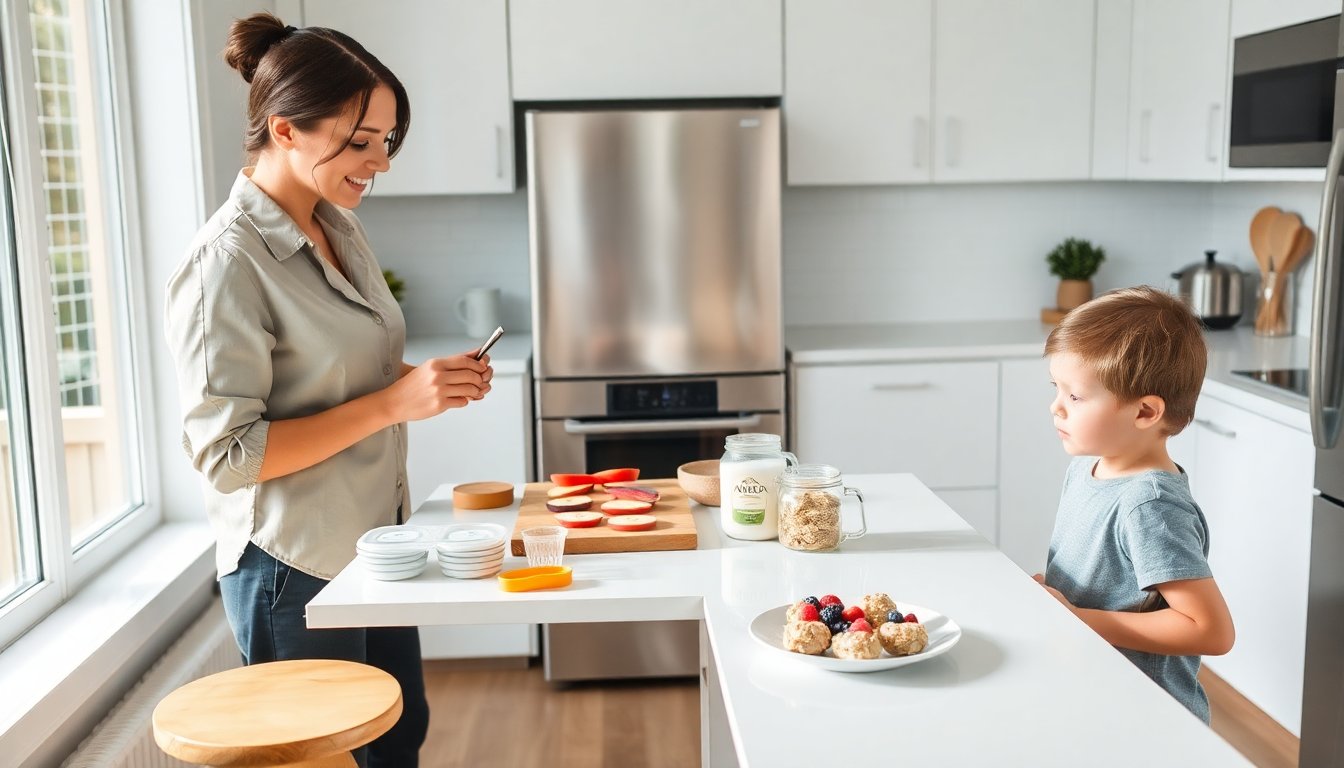
The way a family begins the day often influences the mood and energy levels for the rest of the day. Waking up early and following a regular morning routine helps create stability and discipline. Families can benefit from starting the morning with simple healthy habits such as drinking water, stretching, or eating a nutritious breakfast together.
Breakfast is considered one of the most important meals of the day because it provides energy and improves concentration. Meals that include fruits, whole grains, eggs, or milk help children and adults stay active and focused. A calm and organized morning also reduces unnecessary stress before school or work.
Eat Meals Together Regularly
Sharing meals as a family is one of the easiest ways to improve emotional connection and communication. Sitting together during breakfast or dinner allows family members to talk about their day, discuss concerns, and strengthen relationships.
Family meals also encourage healthier eating habits. Home-cooked meals usually contain fresher ingredients and fewer unhealthy additives compared to fast food or processed meals. Parents can set positive examples by choosing balanced foods and encouraging children to try healthy options.
Avoiding distractions such as mobile phones or television during meals can make conversations more meaningful and help family members feel heard and valued.
Encourage Physical Activity Every Day
Regular physical activity is essential for maintaining good health and reducing stress. Families do not always need expensive gym memberships or equipment to stay active. Simple activities such as walking, cycling, dancing, or playing outdoor games together can improve physical fitness while creating enjoyable memories.
Children are more likely to develop healthy habits when they see adults participating in physical activities. Even household chores such as gardening, cleaning, or organizing can become opportunities for movement and teamwork.
Spending time outdoors also improves mental well-being by reducing stress and increasing relaxation.
Maintain Clean and Organized Spaces
A clean home contributes to both physical and mental wellness. Daily cleaning habits help prevent the buildup of dust, bacteria, and clutter. Simple tasks such as making the bed, washing dishes after meals, and organizing common spaces create a more peaceful environment.
Clutter can increase feelings of stress and make it difficult to concentrate. Encouraging all family members to participate in household responsibilities teaches teamwork and responsibility.
Keeping bedrooms, kitchens, and bathrooms clean is especially important for maintaining hygiene and preventing illnesses.
Practice Open Communication
Healthy communication is the foundation of strong family relationships. Taking time each day to talk openly and listen carefully helps family members feel supported and understood.
Parents should encourage children to express their thoughts and emotions without fear of criticism. Simple habits such as asking about each other’s day, discussing goals, or sharing positive experiences can strengthen emotional connections.
Respectful communication also helps reduce misunderstandings and conflicts within the home.
Limit Screen Time and Digital Distractions
Technology plays a major role in daily life, but too much screen time can affect mental health, sleep quality, and family relationships. Setting reasonable limits for television, smartphones, and video games helps create more opportunities for meaningful interaction.
Families can create device-free times during meals, study hours, or before bedtime. Instead of spending excessive time online, family members can enjoy reading, board games, creative activities, or outdoor recreation together.
Balancing technology use with real-life communication helps improve emotional wellness and stronger family bonds.
Support Good Sleep Habits
Quality sleep is important for both physical and emotional health. Poor sleep can lead to stress, low energy, and difficulty concentrating. Families should aim to maintain regular sleep schedules by going to bed and waking up at consistent times.
Creating a calm bedtime routine can improve sleep quality. Activities such as reading books, reducing screen exposure, and keeping bedrooms quiet and comfortable support better rest.
Children especially benefit from consistent bedtime routines because they help create feelings of safety and stability.
Encourage Gratitude and Positivity
Positive thinking and gratitude can improve the emotional atmosphere at home. Taking a few moments each day to appreciate good experiences or express thankfulness helps family members focus on positive aspects of life.
Simple habits such as complimenting each other, celebrating small achievements, or sharing encouraging words create a supportive environment. Families that practice kindness and appreciation often experience stronger emotional connections and lower stress levels.
Laughter and shared joyful moments are equally important for maintaining happiness and reducing tension at home.
Spend Quality Time Together
Busy schedules can sometimes reduce opportunities for family bonding. However, even small moments spent together can improve relationships and emotional wellness. Watching a movie, cooking meals, taking walks, or playing games together helps create stronger connections.
Family traditions and routines also provide comfort and stability. Regular activities such as weekend outings, storytelling, or special celebrations create lasting memories and strengthen the sense of belonging.
Conclusion
Improving family wellness at home does not require complicated changes. Simple daily habits such as eating healthy meals together, staying active, communicating openly, maintaining cleanliness, and supporting good sleep can greatly improve overall well-being. Small positive actions practiced consistently help create a peaceful, supportive, and healthy family environment. Some households also choose natural wellness solutions such as bulk hemp flower to support a balanced and relaxing home environment. By working together and making wellness a daily priority, families can enjoy stronger relationships, better health, and a happier home life.