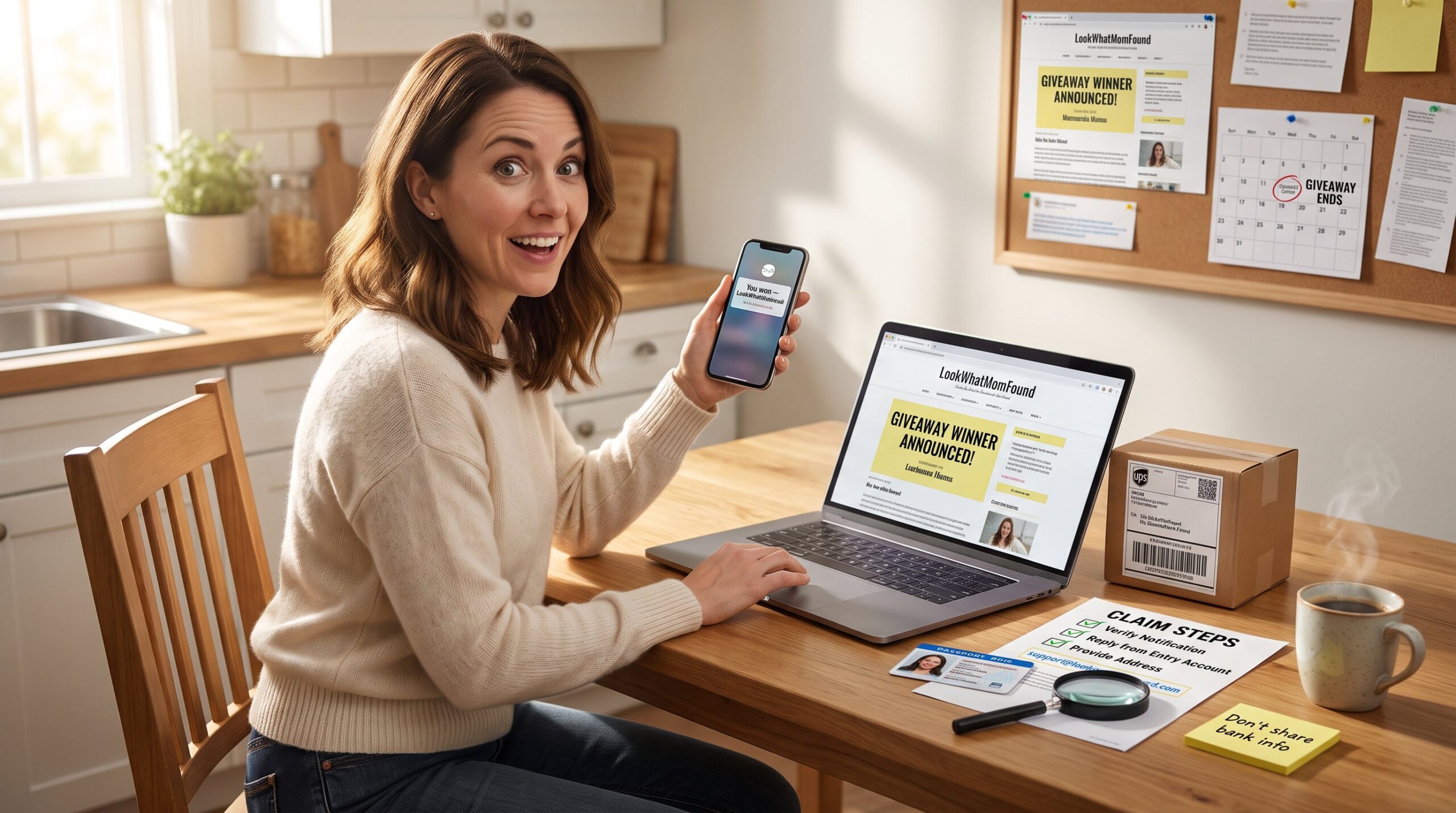

The term lookwhatmomfound email refers to an unexpected message that arrives with a shocking subject and a link or attachment. The reader opens the message out of curiosity. The message often tries to trick the reader into clicking a link or downloading a file. This article explains how the email lookwhatmomfound works, how to spot danger, and what steps the reader should take to recover and stay safe.
Key Takeaways
- The lookwhatmomfound email is a phishing tactic using a casual, family-like subject to trick recipients into clicking malicious links or attachments.
- Always verify the sender’s email address and hover over links to check URLs before clicking to avoid scams.
- Look for red flags such as vague language, spelling errors, suspicious attachments, and lack of authentication headers in these emails.
- If you receive a suspicious lookwhatmomfound email, do not click links; mark it as spam and confirm with the supposed sender through another channel.
- After interacting with such an email, immediately change passwords, enable two-factor authentication, and run antivirus scans to secure your accounts and device.
- Improve email security by using strong passwords, limiting public profile info, and reporting suspicious emails to providers and contacts to reduce future risks.
What the “LookWhatMomFound” Email Typically Is — Origins, Common Senders, And Why It Appears In Your Inbox
The lookwhatmomfound email usually arrives as a short, enticing message. The sender uses a casual subject line that mimics a family share. The message often claims to contain a photo or video and asks the recipient to click a link to view it. Scammers use this tactic because curiosity works. Fraudsters harvest addresses from social sites, past data breaches, and scraped contact lists. They then send mass mail that mimics a friend or family tone.
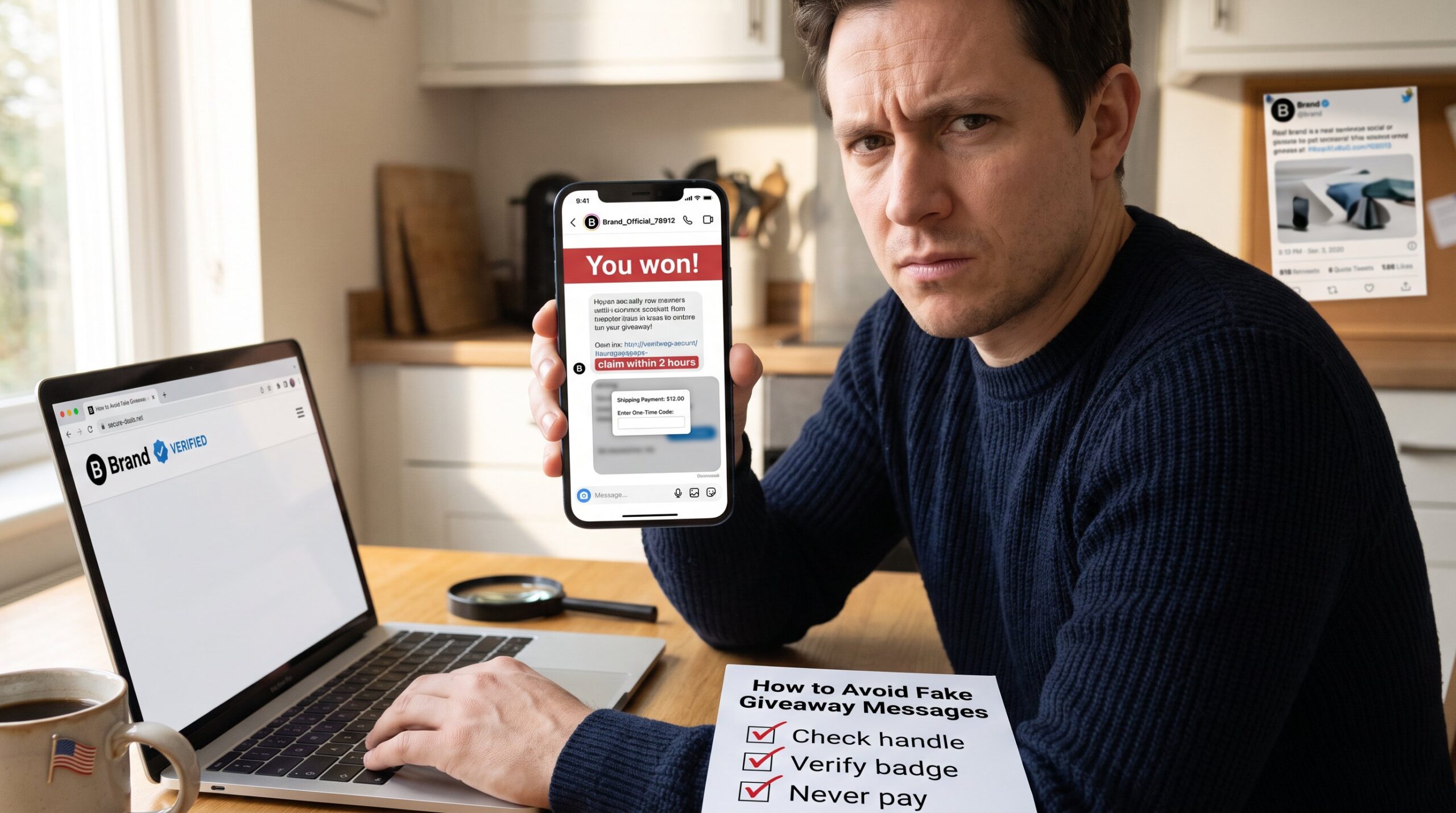
Some messages come from spoofed addresses that imitate a real contact. Others come from newly created accounts that include a real first name to look authentic. The content often uses urgency or embarrassment to push a click. The link can point to a fake login page, a malware download, or a tracking page that confirms an active email address.
Legitimate services sometimes send similar messages when someone shares a photo album or a newsletter links to a personal post. Sports sites and newsletters send share links that look casual. For example, the reader may get similar wording from a sports newsletter or a shared playlist. The reader should treat any unexpected lookwhatmomfound email as suspicious until the sender and link are verified.
How To Tell If a “LookWhatMomFound” Email Is Malicious Or Legitimate — Technical And Visual Red Flags To Check
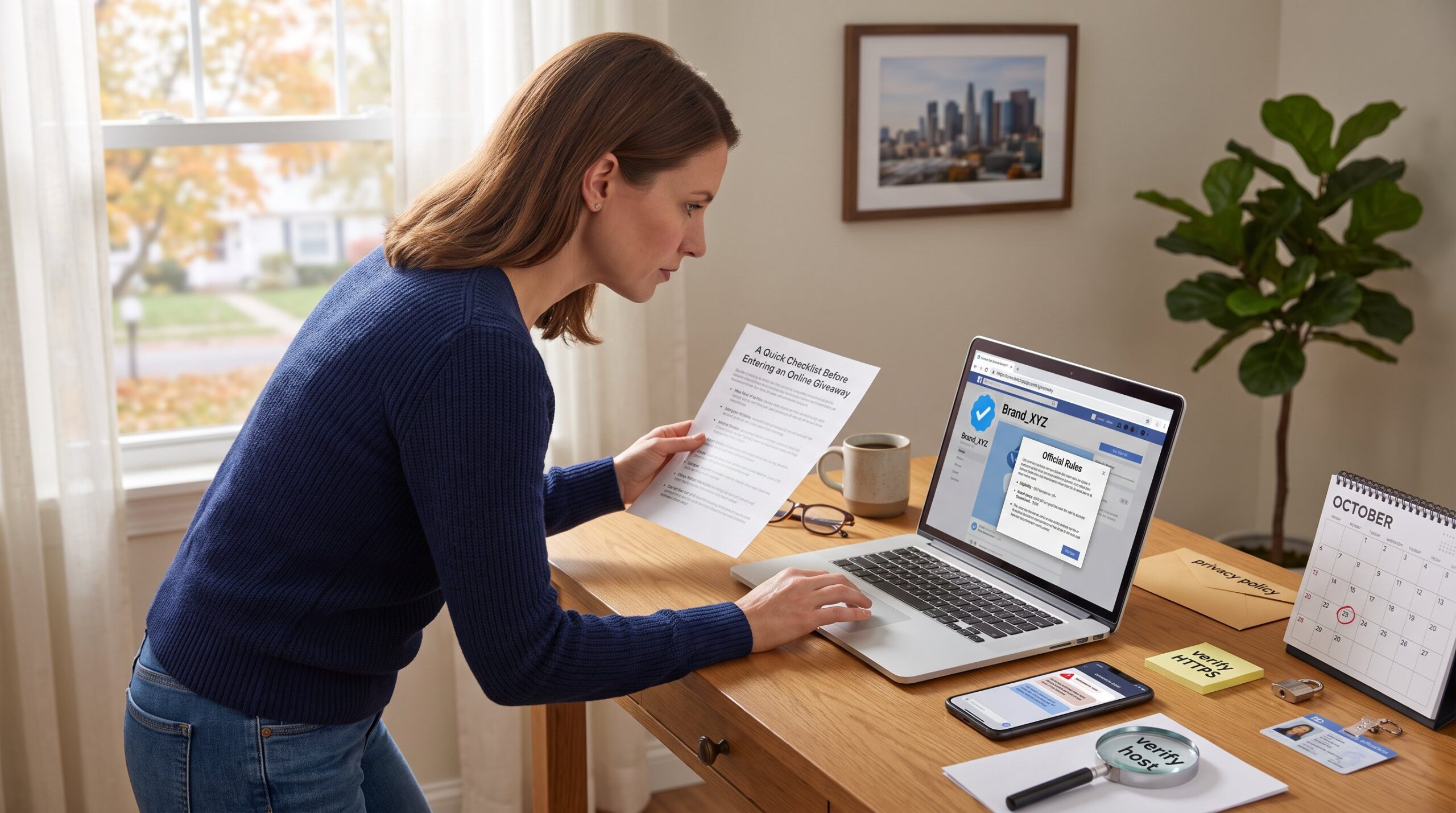
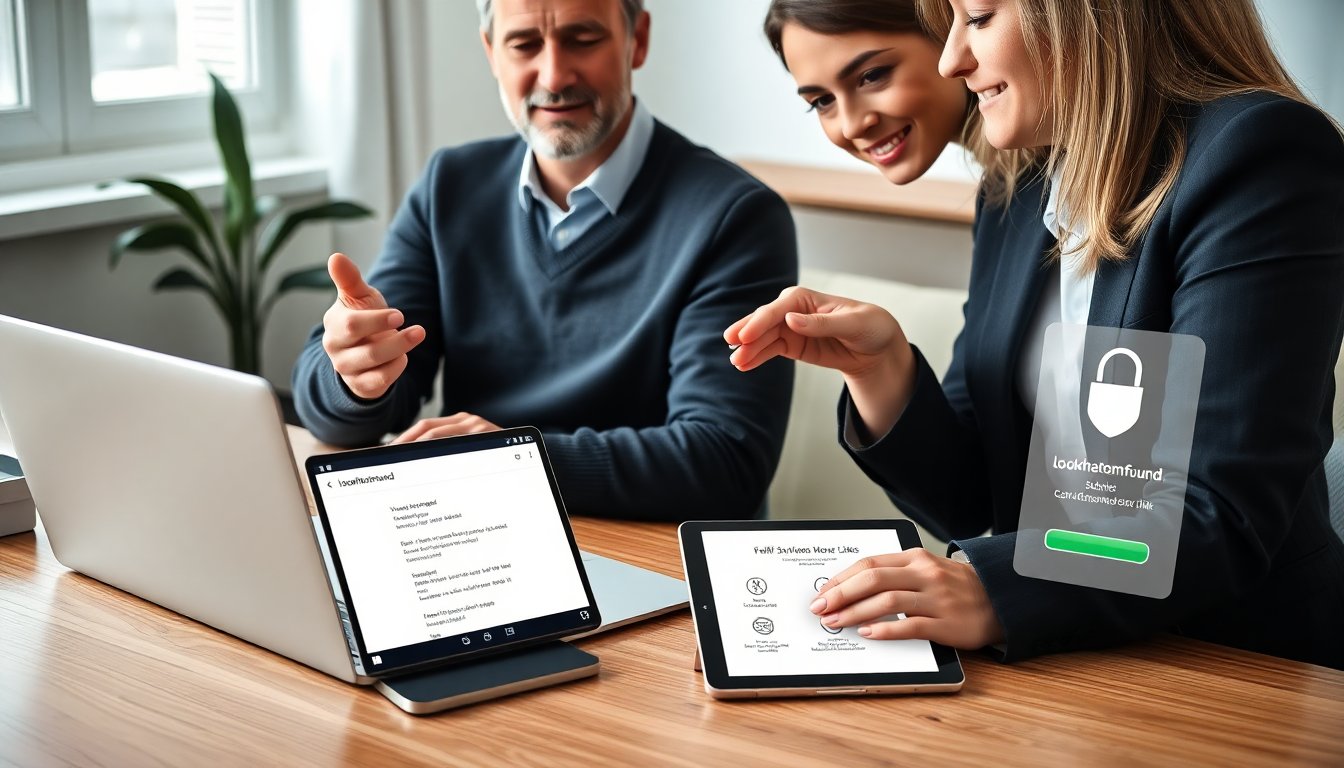
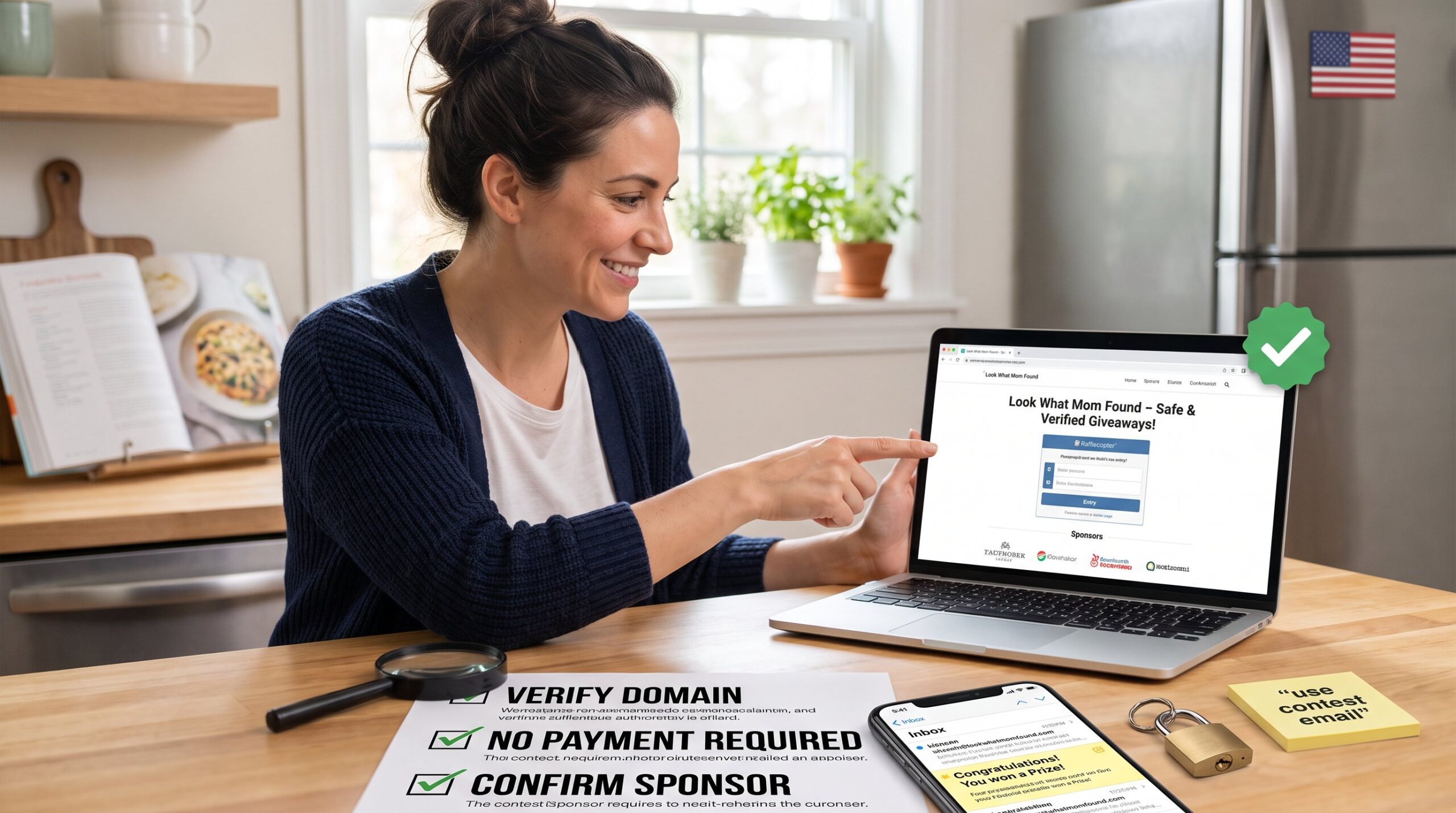
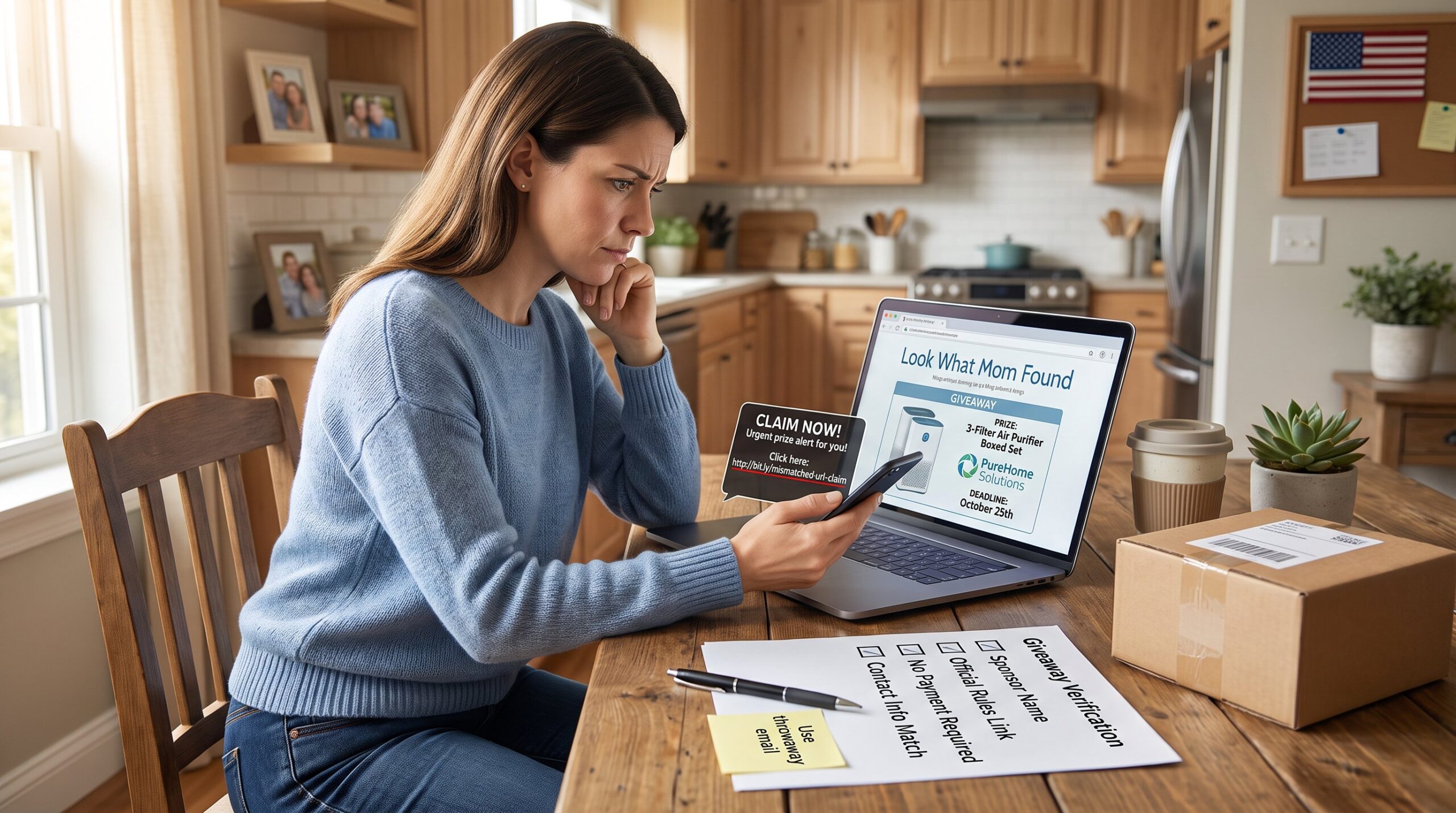
The reader should check simple signals to decide if a lookwhatmomfound email is safe. First, inspect the sender address. The sender name can match a friend while the address looks off. The reader should compare the email domain to known contacts. Second, hover over links without clicking. The visible link text may mention a familiar site while the actual URL points elsewhere. The reader should read the full URL before trusting it.
Third, check greetings and tone. Scammers use vague language like “Hey, check this” instead of a personal note. The reader should watch for spelling and grammar errors. Fourth, examine attachments. Legitimate shares typically come from cloud services and use a preview link. Malicious attachments often use odd file extensions such as .exe, .scr, or .zip with double extensions. The reader should never open unexpected executables.
Fifth, look for authentication cues. Trusted services add domain authentication headers and security notices. The reader can view the email headers to confirm SPF or DKIM alignment. Sixth, test with a quick contact. The reader should message the supposed sender on a separate channel and ask if they actually sent the lookwhatmomfound email. This step removes doubt without clicking links.
Immediate Steps To Take After Receiving One — Safety, Reporting, Remediation, And Long‑Term Prevention
The reader should take clear actions after receiving a suspicious lookwhatmomfound email. First, do not click any links. The reader should mark the message as spam or phishing in the mail client. This action helps the mail provider filter similar messages.
Second, the reader should change the account password if they clicked a link and entered credentials. The reader should use a strong, unique password and enable two-factor authentication. If the reader needs guidance to recover login details for certain services, the article can point to how those services reset access. For example, ESPN lists steps to recover account credentials in their support center and the reader can follow those steps if the risk affects a sports account.
Third, scan the device with an up-to-date antivirus tool if the reader downloaded a file. The reader should run a full scan and quarantine any detected threats. Fourth, report the message to the email provider and to the sender if the sender is a known contact. Many providers have a built-in report or abuse button.
Fifth, reduce future risk by tightening account security. The reader should enable two-factor authentication, use a password manager, and limit email sharing in public profiles. The reader should also avoid signing in to sites after following unsolicited links. Finally, the reader should stay alert to follow-up scams that use fear or fake recovery notices to get more access.